
Madagascar dragon tree (Dracaena reflexa var. angustifolia, )
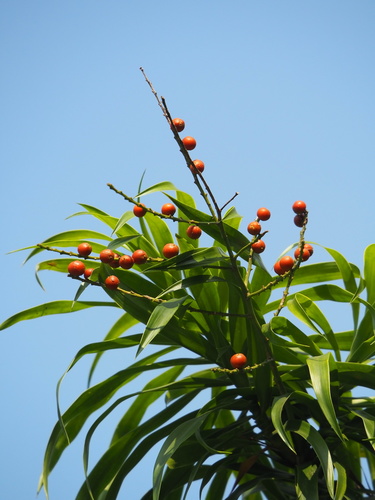
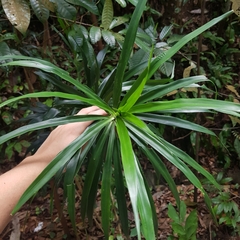

Madagascar dragon tree (Dracaena reflexa var. angustifolia Baker) is the accepted variety commonly sold as Dracaena marginata. This woody houseplant in the Asparagaceae is native to the western Indian Ocean and valued for its slender, red-edged leaves.
Read moreMadagascar dragon tree, Dracaena marginata, Dragon tree, Red-margined dracaena and Red-edge dracaena
Give plenty of ambient light without direct sun on the leaves.
Bright indirect light; gentle sun after gradual acclimation.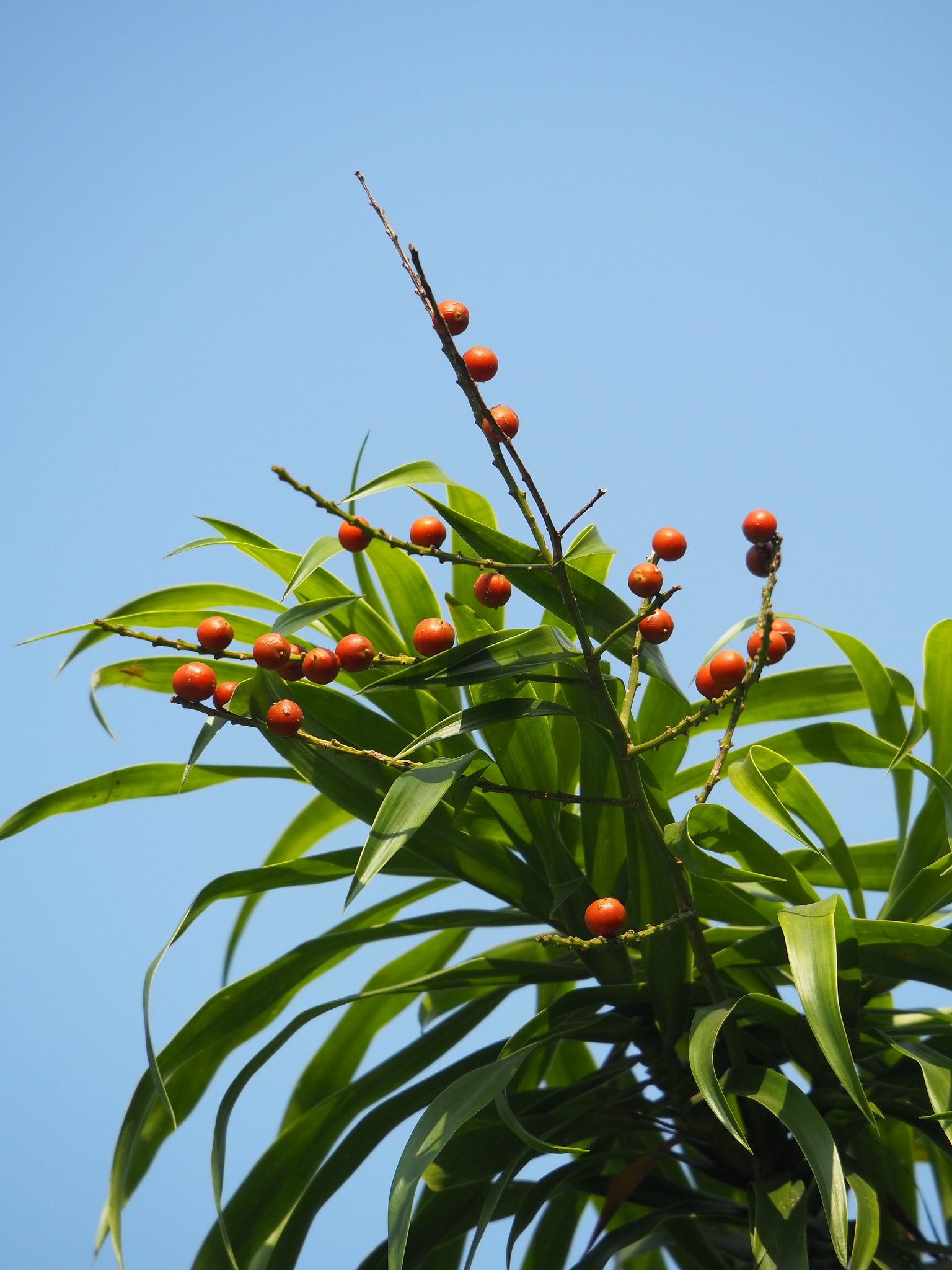
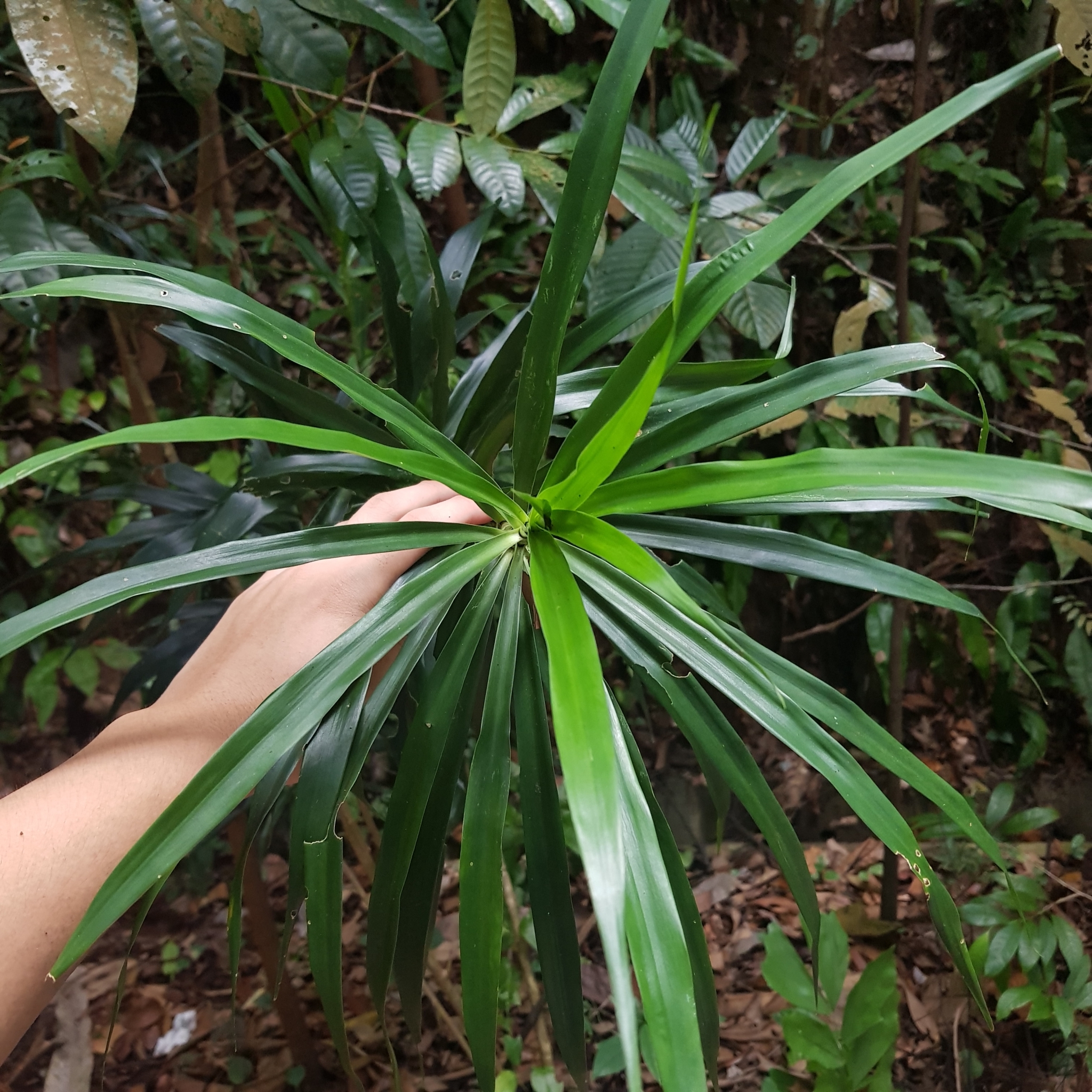

© photo
no rights reserved, uploaded by 葉子 · cc0
pbsg · cc-by
Wikimedia Commons · CC BY-SA or Public Domain
Global distribution
POWO accepts Dracaena reflexa var. angustifolia as native to the western Indian Ocean. Dracaena marginata is a synonym linking the familiar trade name to this accepted variety.
- Native3
- Introduced1
- Madagascar
- Mascarene Islands
- Seychelles and Comoros
- Solomon Islands
Hexagons: regions where the plant occurs. Green dots: native range.1
Accepted identity
Madagascar dragon tree (Dracaena reflexa var. angustifolia Baker, 1875) is the accepted variety behind the familiar plant sold as Dracaena marginata. POWO places it in the Asparagaceae and lists Dracaena marginata as a synonym. Both names therefore refer to the same horticultural plant. 1 3
Its botanical rank matters: this plant is a variety of Dracaena reflexa, rather than a separate accepted species named Dracaena marginata. The older name remains useful on nursery labels and in horticultural writing, while Dracaena reflexa var. angustifolia identifies the accepted taxon. 2 4
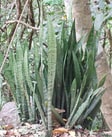
Distinguishing the taxa also avoids confusing different indoor dracaenas. Dracaena trifasciata is the snake plant; D. reflexa var. angustifolia is the narrow-leaved, red-edged dragon tree. Although their watering needs have similarities, their appearance and growing problems differ. 6 5
Accounts of Dracaena reflexa identify variety angustifolia with the horticultural marginata group. They describe a long-lived plant sensitive to continuously wet growing media. Understanding its names and cultivation requirements helps identify and maintain the same plant. 4 7
Dracaena marginata and the accepted name
Nurseries still widely use Dracaena marginata. This name describes the Madagascar dragon tree with narrow green leaves, often edged in red, carried on one or more woody canes. Dragon tree, red-margined dracaena and red-edge dracaena are also familiar names for this plant. 4
The accepted name Dracaena reflexa var. angustifolia identifies the same variety sold as marginata. Treating these names as separate plants would obscure their shared identity, including their toxicity and relationships to other dracaenas. 1
A nursery label reading Dracaena marginata can therefore be understood alongside the accepted name Dracaena reflexa var. angustifolia. The difference concerns naming and botanical rank, rather than two distinct houseplants.
Recognition
A slender cane and terminal rosettes give this small dragon tree its upright, slow-growing outline. Its long, narrow leaves are flexible but leathery, often dark green with red to magenta margins depending on the cultivar. 4
Indoor specimens sometimes lose their lowest leaves, leaving a longer bare cane. This is not necessarily disease: normal aging, intensified by insufficient light, often explains it. Very pale, soft leaves or collapse at the base instead suggest root trouble or cold, wet conditions.
Variegated cultivars such as Tricolor and Colorama need more light to retain their contrasting colors. A plant may survive for a time in a dark corner, but it becomes sparse and its colors dull. 4
The narrow leaves explain the epithet angustifolia. Their width is a useful identifying feature: a broad-leaved plant with yellow variegation through the center may be another cultivar of Dracaena reflexa or another dracaena, rather than the familiar marginata plant. 7 1
Indoor cultivation
Bright light, a draining pot and restrained watering are the essentials. This dracaena tolerates a missed watering better than a growing medium saturated for days. Letting much of the pot dry before watering again is more reliable than adding a small glass of water every other day. 4
Cold creates another common problem. Near a cold window, entrance door or chilly conservatory, the growing medium may remain wet too long. Root activity slows, leaves become damaged and the base may soften. Reduce watering in winter and keep the plant comfortably warm indoors.
Pruning is possible when a cane grows too tall. Make a clean cut above a node; dormant buds may resume growth. The removed top can also become a cutting. Use clean tools and avoid soaking the growing medium while roots form.
Watch how quickly the pot dries. A pot still heavy several days after watering, especially in winter, points to an overly compact growing medium or insufficient light. A stable plant retains firm canes and colored leaves without needing to flower. 8 4
Safety
Keep indoor dracaenas beyond the reach of animals that chew leaves. Veterinary and horticultural accounts associate this group with saponins and possible digestive symptoms, especially in cats and dogs. A moderate toxicity classification reflects this caution; the severity is quite different from that of aconite or oleander. 5 6
Prevent kittens from nibbling leaves, remove pruning waste and call a veterinarian if a substantial amount is eaten. For people, the plant has no food use and may irritate sensitive individuals.
Waterlogging remains a major growing risk alongside these safety concerns. Stagnant water causes most cultivation failures. A decorative pot without a drainage hole is more harmful to the plant than the dry air of a living room.
Trade names do not alter these precautions. A label saying “marginata,” “dragon tree” or “red-edge dracaena” still identifies an ornamental plant whose leaves should be kept away from chewing animals. 5 7
A familiar houseplant under two names
Among easy houseplants, Dracaena marginata is a recognizable name. It refers to the plant accepted as Dracaena reflexa var. angustifolia. Recognizing this synonym connects familiar horticultural use with its botanical identity. 1
Knowing both names helps make sense of the plant: its narrow leaves identify it, its pot should drain and dry between waterings, and cats and dogs should not chew its foliage. A familiar nursery name can therefore coexist with a more precise botanical designation.
Three kinds of name may describe this dragon tree: the familiar horticultural name, the accepted botanical name and common names used by growers. Keeping their relationship clear makes older labels understandable without mistaking them for different plants. 2 3
Main sources
- Plants of the World Online / Kew, Dracaena reflexa var. angustifolia
- World Flora Online, Dracaena reflexa var. angustifolia
- International Plant Names Index, Dracaena reflexa var. angustifolia
- Wikipedia EN, Dracaena reflexa
- Wikipedia EN, Dracaena
- Wikipedia EN, Dracaena trifasciata
- Wikipedia ES, Dracaena reflexa var. angustifolia
- Wikipedia ES, Dracaena reflexa
Frequently asked questions
Are Dracaena marginata and Dracaena reflexa var. angustifolia the same plant?
Yes. Dracaena marginata is the familiar trade name and a synonym of the accepted variety Dracaena reflexa var. angustifolia.
Is Madagascar dragon tree easy to grow?
Yes, with enough light and moderate watering. Most failures result from a cold pot that stays too wet.
Why do the leaf tips dry out?
Water stress, dry air, salts in the growing medium, rubbing or cold drafts can dry the tips without killing the plant.
Is Madagascar dragon tree poisonous to cats and dogs?
Treat it as a risk. Indoor Dracaena can cause digestive symptoms in animals that chew the leaves.
Can Madagascar dragon tree live outdoors?
Only as a sheltered summer container plant or in a very mild, frost-free climate. In metropolitan France, it is mainly a houseplant.
Does Madagascar dragon tree need misting?
Misting is not the key factor. Suitable watering, a draining pot and steady light matter more.
Similar plants
If you are unsure about a plant’s toxicity, ask a botanist or veterinarian for advice.