
common hyacinth (Hyacinthus orientalis, )
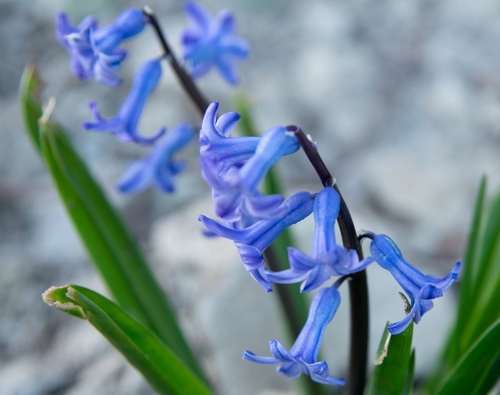
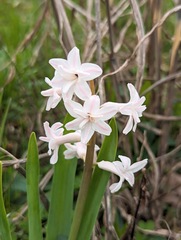
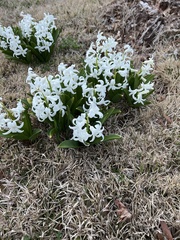
common hyacinth (Hyacinthus orientalis L.) is a bulbous geophyte in the Asparagaceae, native from southern Turkey to northern Israel. In gardens, it is grown mainly for its strongly fragrant spring flower spikes, which develop from bulbs planted in fall.
Read morecommon hyacinth, garden hyacinth and Dutch hyacinth
Place in full sun, with intense direct light all day long.
Full sun to light partial shade
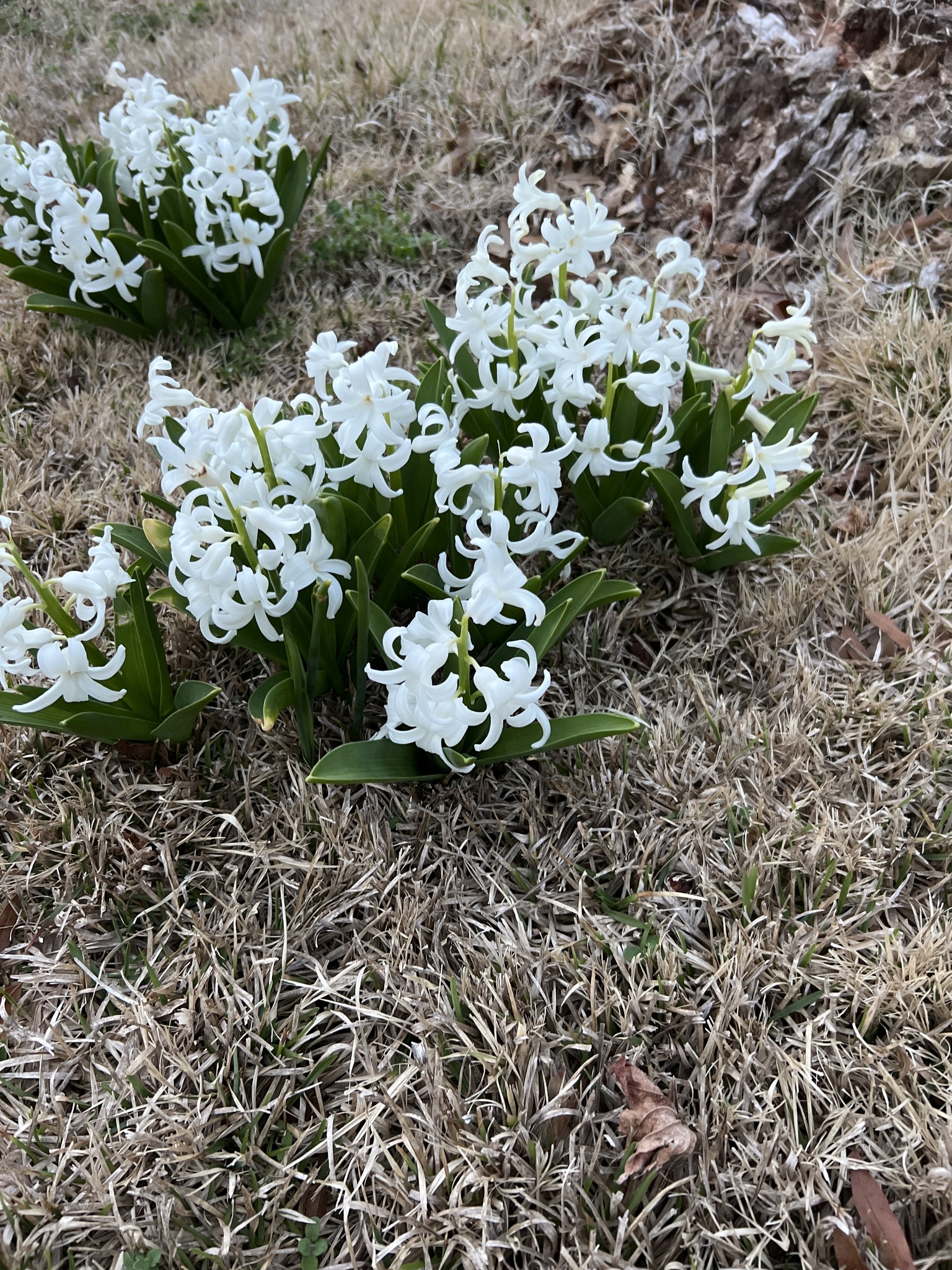


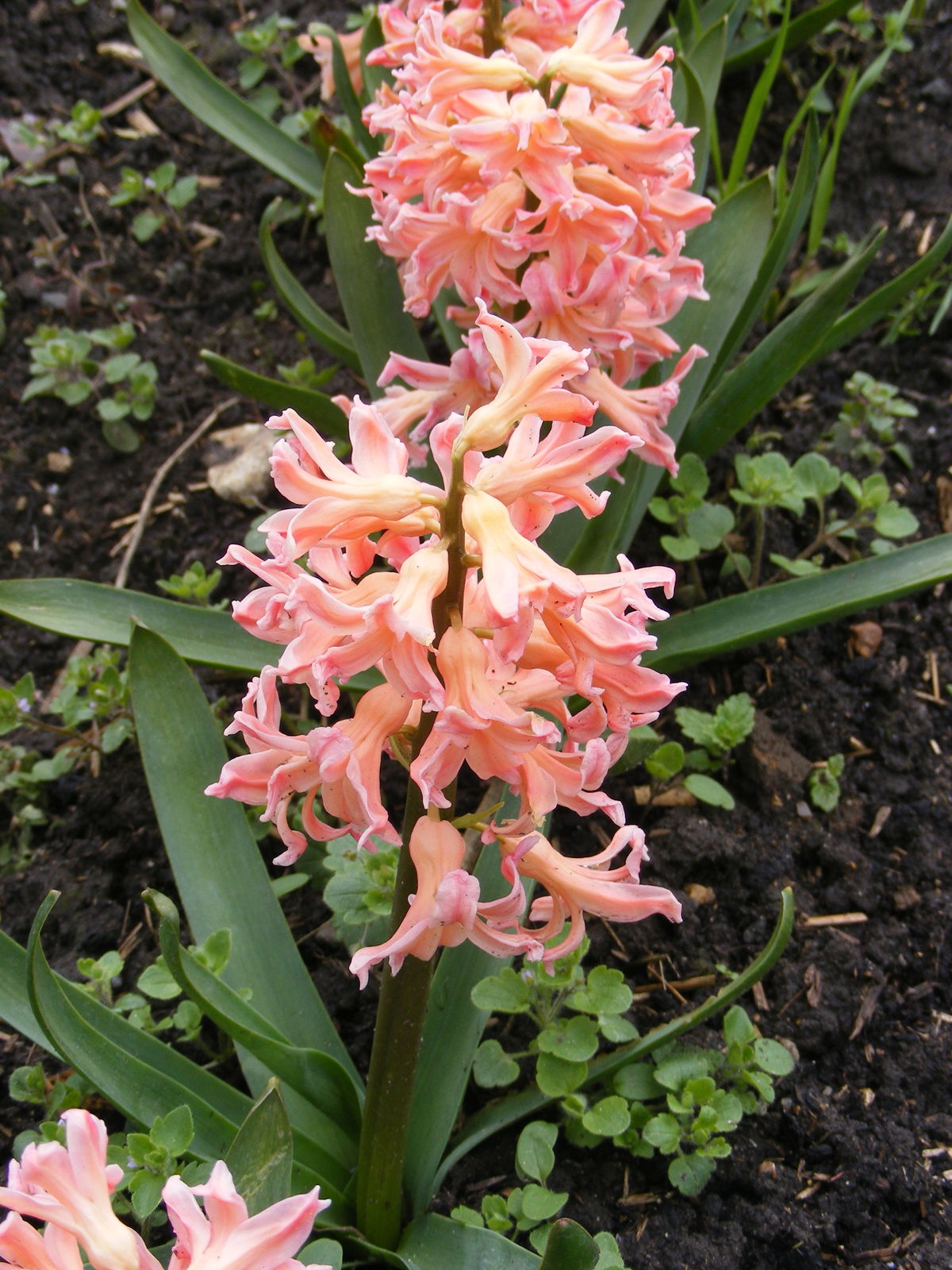
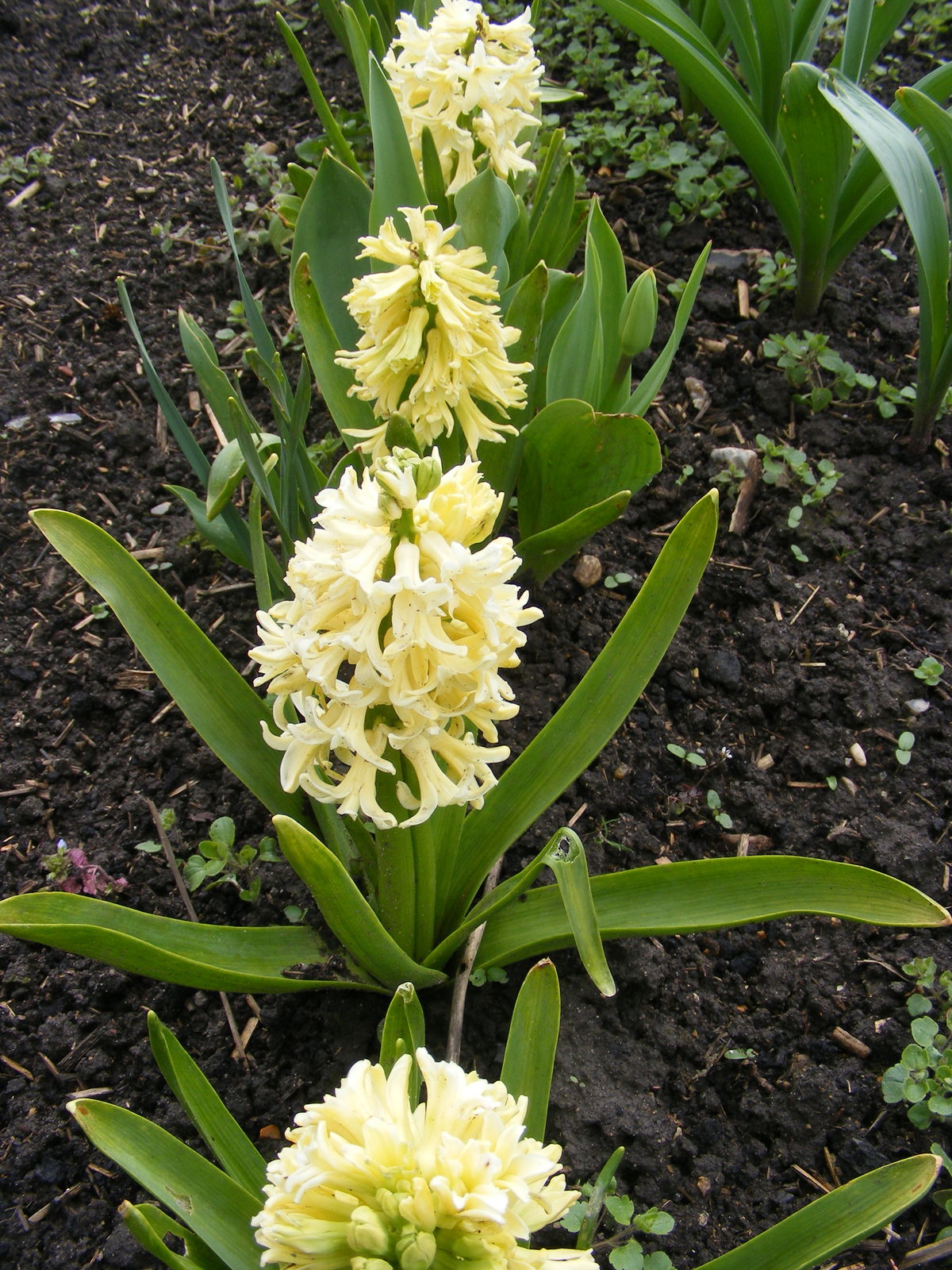
© photo
(c) gemmamorabito, some rights reserved (CC BY-NC) · cc-by-nc
Kristi Zoebelein · cc0
Laura Mae · cc-by
Taken May 2, 2022 by Jim Knopf (cc-by-sa)
Taken Mar 14, 2022 by David Wedeux (cc-by-sa)
Taken Feb 22, 2020 by Thierry LE COM (cc-by-sa)
Taken Apr 4, 2022 by Jim Knopf (cc-by-sa)
Taken Jan 26, 2022 by Dieter Albrecht (cc-by-sa)
© copyright of the Board of Trustees of the Royal Botanic Gardens, Kew.


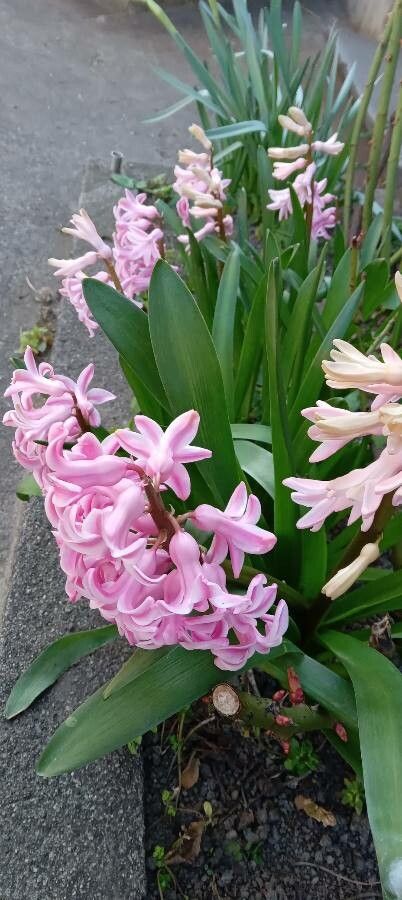


Global distribution
POWO/WCVP gives a native range from southern Turkey to northern Israel. Trefle and EPPO detail this with Turkey, Iraq, Lebanon–Syria and Palestine, then list several introduced territories, including France; no French invasive status is established.
- Native5
- Introduced5
- Turkey
- Iraq
- Lebanon–Syria
- Palestine
- Israel
- France
- Netherlands
- Italy
- Greece
- California
Hexagons: regions where the plant occurs. Green dots: native range.1
Identity
common hyacinth (Hyacinthus orientalis L.) is an accepted species of Hyacinthus, in the modern family Asparagaceae and the order Asparagales. POWO/WCVP traces the name to Linnaeus's Species Plantarum in 1753 and describes the plant as a bulbous geophyte of the temperate biome. 1 2
French names include jacinthe, jacinthe d'Orient, jacinthe cultivée and sometimes muguet bleu. These are vernacular names; the botanical reference remains Hyacinthus orientalis. In English, garden hyacinth and Dutch hyacinth, like common hyacinth, refer especially to the garden plant, extensively selected for its fragrant flowers. 3 12
“Dutch” does not mean the species is native to the Netherlands. It reflects the horticultural and commercial history of the cultivars. Taxonomic sources place its wild origins in the eastern Mediterranean and western Asia, rather than northern Europe. 1 12
Recognition
A tunicate bulb and spring growth are the first identifying features. Each bulb produces a rosette of thick, glossy green leaves, ranging from strap-shaped to lance-shaped. NC State generally describes 4–6 leaves per plant, with fleshy, hairless basal leaves about 15–35 cm (6–14 in) long. 7
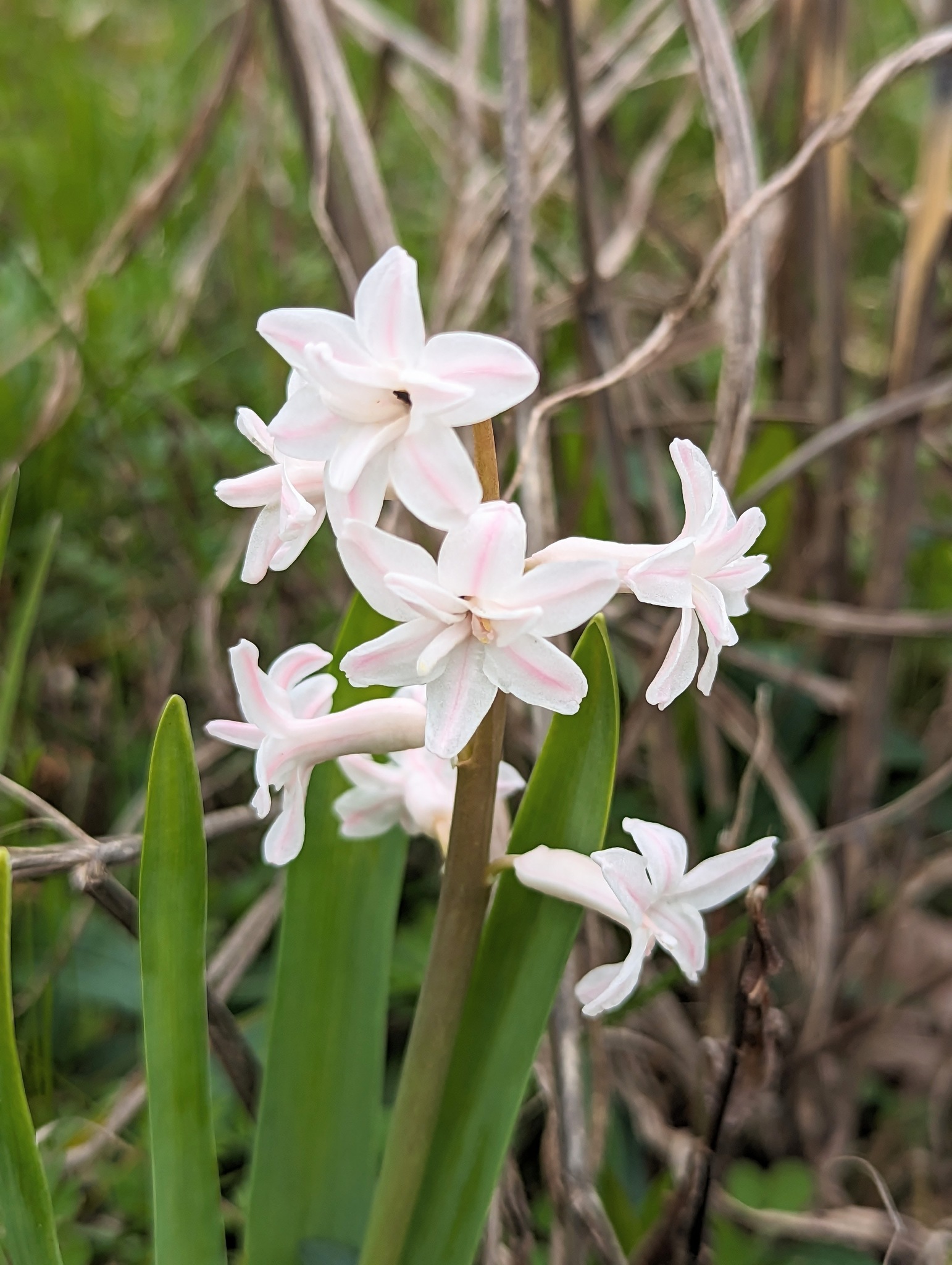
The short, upright flower stalk bears a dense raceme of waxy, tubular to bell-shaped, strongly fragrant flowers. RHS gives a height of about 30 cm (12 in) for the species, with glossy, channeled leaves and a cylindrical spring inflorescence. Garden colors extend well beyond the pale violet wild type: cultivars may be blue, purple, pink, white, yellow, orange or red. 4 7
If the flower stalk is left uncut, capsules may ripen in summer after flowering. A practical identification combines several features: the bulb, fleshy basal leaves, one or a few stalks, a tight flower cluster, powerful scent and mid-spring flowering. A blue bell-shaped flower alone is not enough. 7
Taxonomy and similar names
Within Hyacinthus orientalis L., POWO accepts two infraspecific taxa: H. orientalis subsp. chionophilus and H. orientalis subsp. orientalis. At species level, it lists only one direct homotypic synonym, Scilla coronaria Salisb. The more numerous synonyms of subsp. orientalis belong to that lower taxonomic rank. 1 3
Toxicity databases sometimes retain older family names. ASPCA still places garden hyacinth in Liliaceae, while POWO, RHS, Trefle and the recent taxonomic references used here place it in Asparagaceae. This difference reflects the classification system, without changing the plant's identity or the risk of eating it. 8 1 4
Common names cause a more practical confusion. NC State notes possible look-alikes including Hyacinthoides hispanica, Muscari armeniacum, Scilla mischtschenkoana and other bulbs. “Grape hyacinth” often means Muscari, while “water hyacinth” is an aquatic plant in another genus. These plants should not automatically inherit the toxicity or cultivation advice for Hyacinthus orientalis. 7 9
Habitat and range
From southern Turkey to northern Israel is POWO/WCVP's summary of the native range. Trefle and EPPO describe the distribution in more detail, listing Turkey, Iraq, Lebanon–Syria and Palestine, followed by many introductions or naturalizations associated with ornamental cultivation. 1 3 12
That ecology helps explain its garden cycle: a cool, relatively moist winter for rooting, a bright spring for flowering, then a drier period as the foliage declines. Common hyacinth is not a marsh plant. Good drainage matters more than abundant watering, both in containers and in the ground. 4 7
France is among the introduced territories listed by POWO and Trefle. The references used here do not establish a national invasive status there. In that specific context, the plant is best described as a cultivated ornamental, sometimes introduced, with no documented invasive status; this does not determine its status elsewhere. 1 3
Life cycle, cultivation and flowering
As a bulbous perennial, common hyacinth follows a seasonal cycle. In suitable temperate conditions, bulbs are planted in fall in fertile, well-drained soil and flower in spring. RHS recommends moderately fertile soil, good drainage and full sun. Partial shade is tolerated, but flowering is poorer there. 4
Leave foliage in place after flowering so it can replenish the bulb. Removing only the faded stalk limits seed production, while the leaves should turn yellow naturally. Reliable propagation involves separating offsets while the bulb is dormant in summer. 4 7
Bulbs prepared for indoor flowering are a special case. RHS notes that forced bulbs can later be planted in the garden, but they should not be treated as permanent houseplants. Their scent can be very strong in an enclosed room. Long-term cultivation follows the needs of a spring bulb, rather than those of a tropical foliage plant. 5 7
Uses, edibility and toxicity
Ornamental uses include beds, borders, pots, rock gardens, cut flowers and temporary forcing. NC State also mentions attraction to bees and the sensory appeal of the scent, but no food or medicinal use is recommended. RHS explicitly describes the bulbs as ornamental and not to be eaten. 7 4
ASPCA classifies Hyacinthus orientalis as toxic to dogs, cats and horses, with possible vomiting, diarrhea, dermatitis and allergic reactions. The same entry specifies that bulbs contain the highest concentration of toxins. Pet Poison Helpline also emphasizes the bulb risk, particularly when a dog digs up a planting or gains access to a bag of bulbs. 8 10
For humans, NC State classifies the plant as poisonous if eaten in quantity. It lists cramps, salivation, vomiting, diarrhea and contact dermatitis, and advises gloves when planting. RHS likewise notes skin irritation and digestive upset if the plant is eaten. Precautions therefore focus strongly on the bulbs, without implying that ordinary exposure represents an extreme systemic poisoning risk. 7 5
The exact toxic principle is described differently across sources. ASPCA refers to Narcissus-type alkaloids; NC State names alkaloids such as lycorine; the ASPCApro veterinary brief notes that the toxic agents of Hyacinthus are less well described than those of certain other bulbs. Naming one molecule as a certainty would therefore be misleading. The practical advice remains to avoid ingestion, keep bulbs out of reach, and wear gloves if your skin is sensitive. 8 7 11
Cultivars, colors and look-alikes
Garden-center hyacinths reflect much more than the wild species. Cultivars have been selected for spike density, color, scent and sometimes double flowers. NC State names 'Blue Jacket' and 'Woodstock'; RHS data also includes 'Delft Blue', 'Carnegie', 'Gipsy Queen', 'City of Haarlem', 'Jan Bos' and 'Hollyhock'. 7 6
These are horticultural cultivars, rather than separate species. A white, yellow or pink cultivar still belongs to Hyacinthus orientalis when it carries that botanical name. Conversely, a catalog's “hyacinth” may belong to another genus if its scientific label says Muscari, Hyacinthoides, Scilla or Pontederia. 6 7
That distinction matters for safety. ASPCA data classifies Hyacinthus orientalis as toxic to dogs, cats and horses, while entries called grape hyacinth or water hyacinth may have a different status. A common name alone cannot establish toxicity. Check the Latin binomial and, if an animal has chewed a bulb, identify the actual plant involved. 9 8
Main sources
- Plants of the World Online / Kew, Hyacinthus orientalis L.
- WCVP taxonomic data, Hyacinthus orientalis L.
- Trefle, species data, Hyacinthus orientalis
- Royal Horticultural Society, Hyacinthus orientalis common hyacinth
- Royal Horticultural Society, Hyacinth growing guide
- RHS cultivar data for Hyacinthus orientalis
- NC State Extension Gardener Plant Toolbox, Hyacinthus orientalis
- ASPCA, Garden Hyacinth toxicity entry
- ASPCA toxic and non-toxic plant list data
- Pet Poison Helpline, Tulips and Hyacinths
- ASPCApro Veterinary Medicine Toxicology Brief, spring-blooming bulbs
- EPPO Global Database, Hyacinthus orientalis
Frequently asked questions
Is common hyacinth poisonous to cats and dogs?
Yes. ASPCA classifies garden hyacinth (Hyacinthus orientalis) as toxic to dogs, cats and horses, with the greatest concentration of toxins in the bulb.
Can you eat a hyacinth bulb?
No. No food use is recommended. RHS describes it as an ornamental bulb that must not be eaten, and veterinary sources emphasize digestive upset after ingestion.
Why should I wear gloves when handling hyacinth bulbs?
RHS and NC State report a risk of skin irritation or allergy from contact with bulbs or sap. Gloves prevent most exposure.
Does common hyacinth come back every year?
It is a bulbous perennial, but flower spikes of forced or highly selected cultivars may become less dense over the years. Letting the leaves turn yellow and dividing offsets helps maintain the plant.
Is water hyacinth the same plant?
No. Water hyacinth belongs to Pontederia or Eichhornia, depending on the source, rather than Hyacinthus. Its ecological status and toxicity differ.
Is grape hyacinth a true hyacinth?
Plants called grape hyacinth belong to Muscari. The common name alone cannot establish their toxicity or cultivation needs.
Is common hyacinth invasive in France?
POWO and Trefle list France among its introduced territories, but the references used here do not establish a national invasive status.
Similar plants
If you are unsure about a plant’s toxicity, ask a botanist or veterinarian for advice.