
Garden tulip (Tulipa gesneriana, )
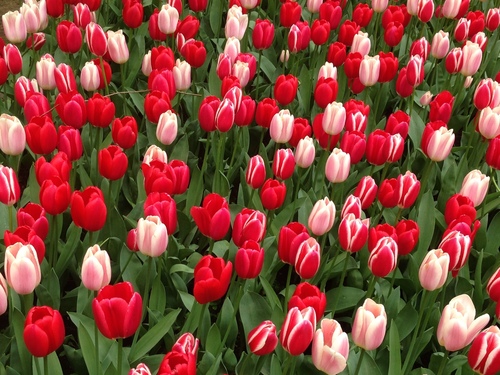


Garden tulip (Tulipa gesneriana L.) is the botanical name associated with large garden tulips grown in beds, containers and bouquets. POWO accepts it as a species, while horticultural sources emphasize that modern tulips are often cultivars or hybrids of complex parentage, selected for flower color, shape and timing.
Read moreGarden tulip, Common garden tulip and Didier’s tulip
Tulipa didieri, Tulipa hortensis, Tulipa acutiflora, Tulipa cornuta and Tulipa gesneriana var. spathulata
Place in full sun, with intense direct light all day long.

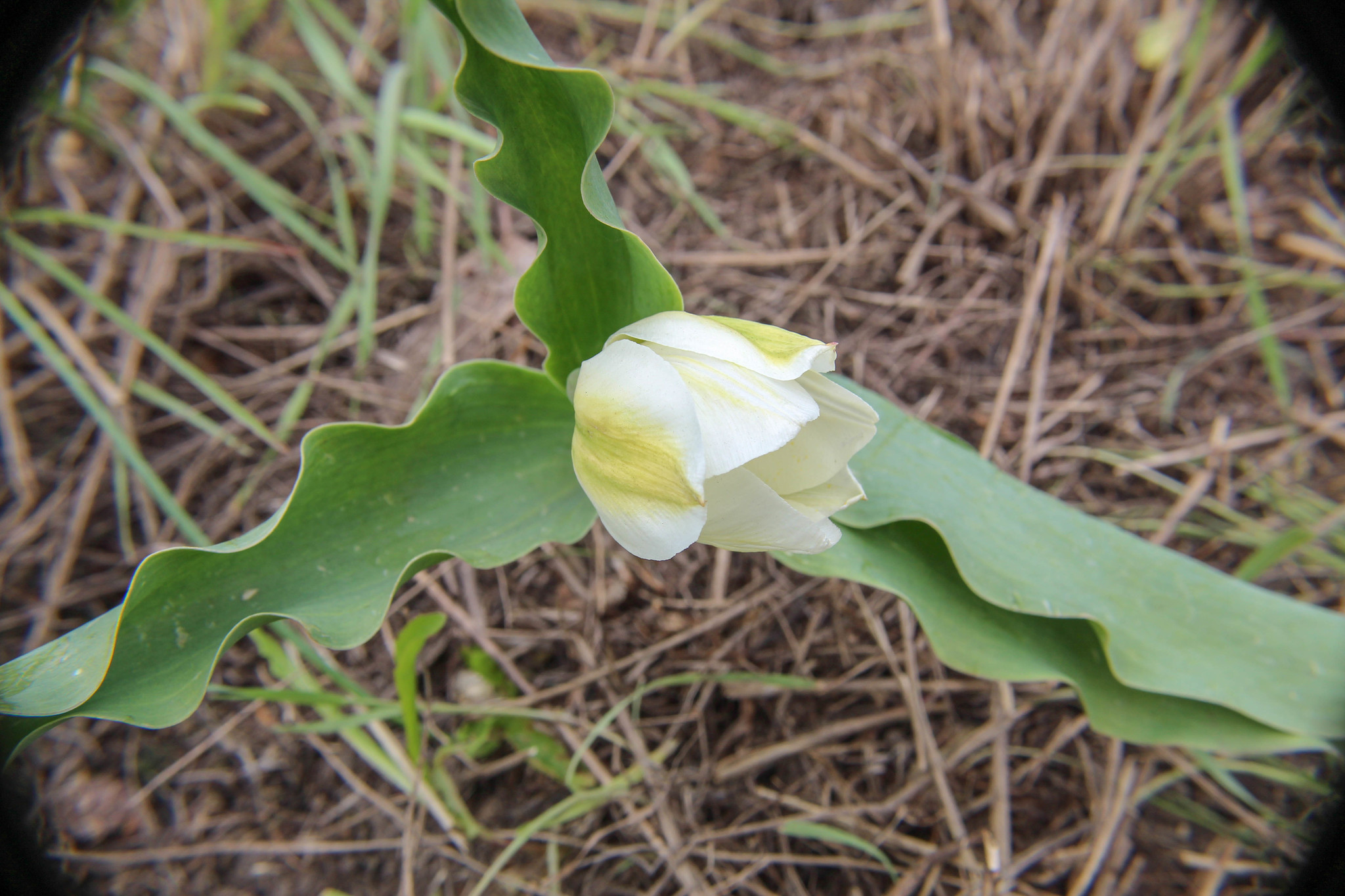


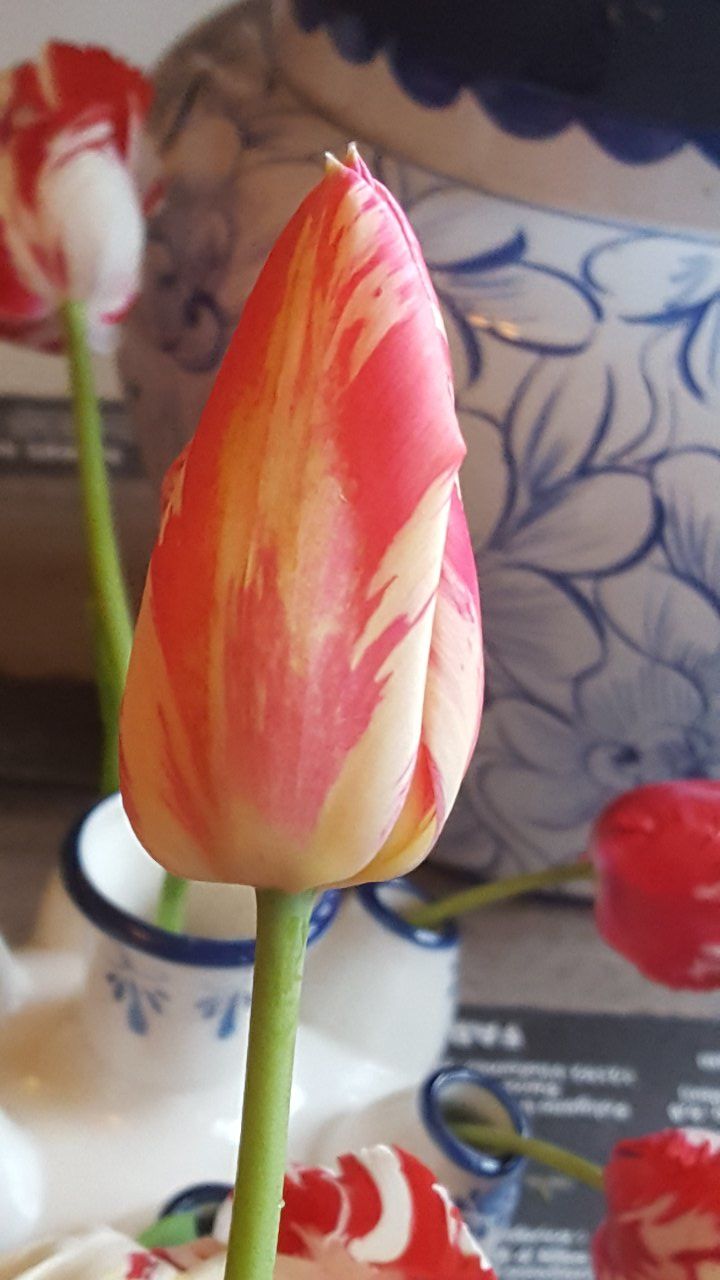
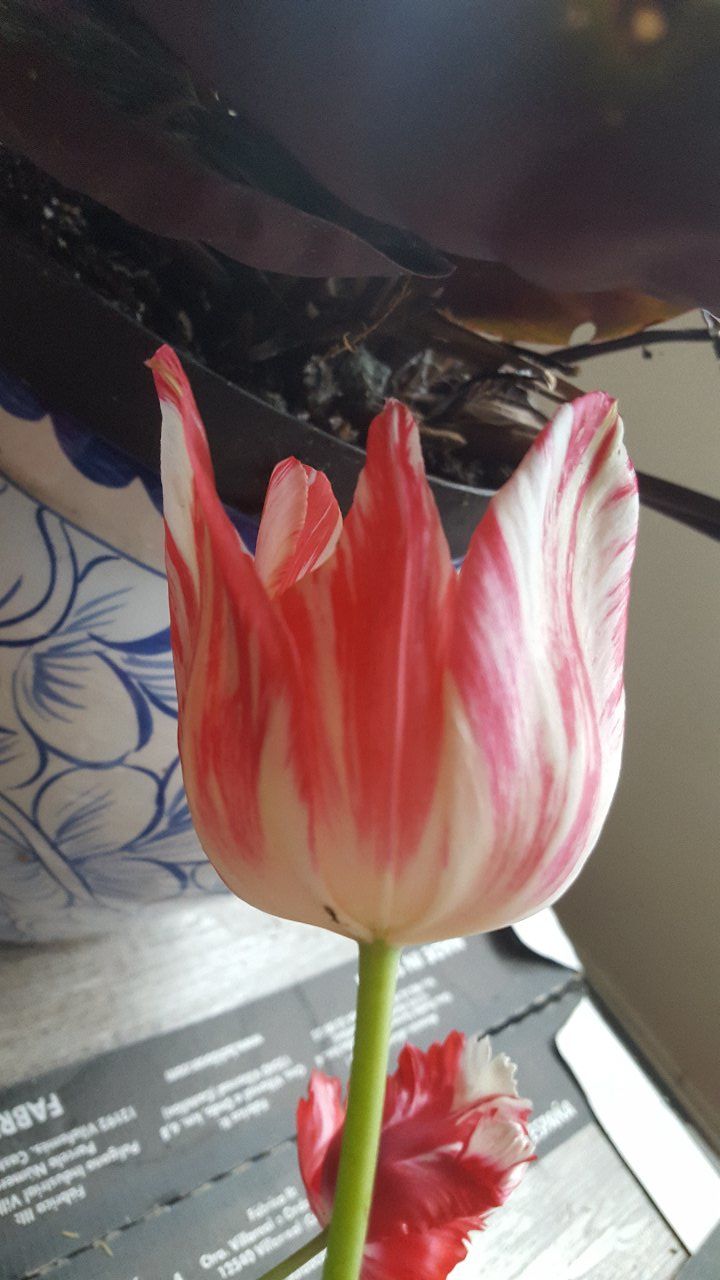
© photo
(c) kc8srg, some rights reserved (CC BY-NC), uploaded by kc8srg · cc-by-nc
Rebecca Ray · cc-by-nc
Wikimedia Commons · CC BY-SA or Public Domain
Taken May 5, 2022 by Rosalie Cécile (cc-by-sa)
Taken Mar 29, 2022 by Dave Flack (cc-by-sa)
Taken May 14, 2022 by Andrzej Konstantynowicz (cc-by-sa)
Taken Feb 25, 2022 by Annemarie Ahrens-Stehle (cc-by-sa)
Taken Apr 20, 2018 by huy HO (cc-by-sa)
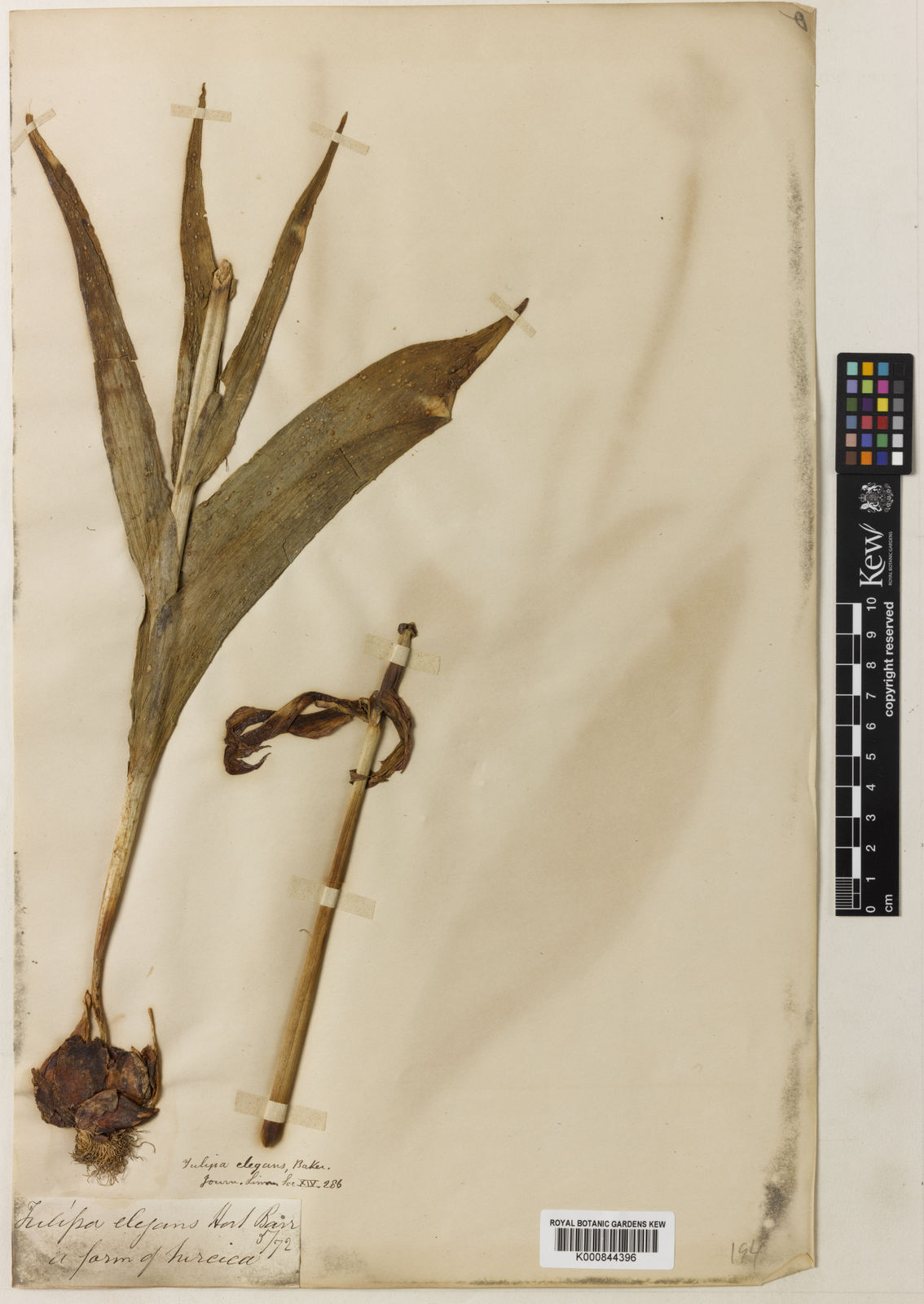
© copyright of the Board of Trustees of the Royal Botanic Gardens, Kew.


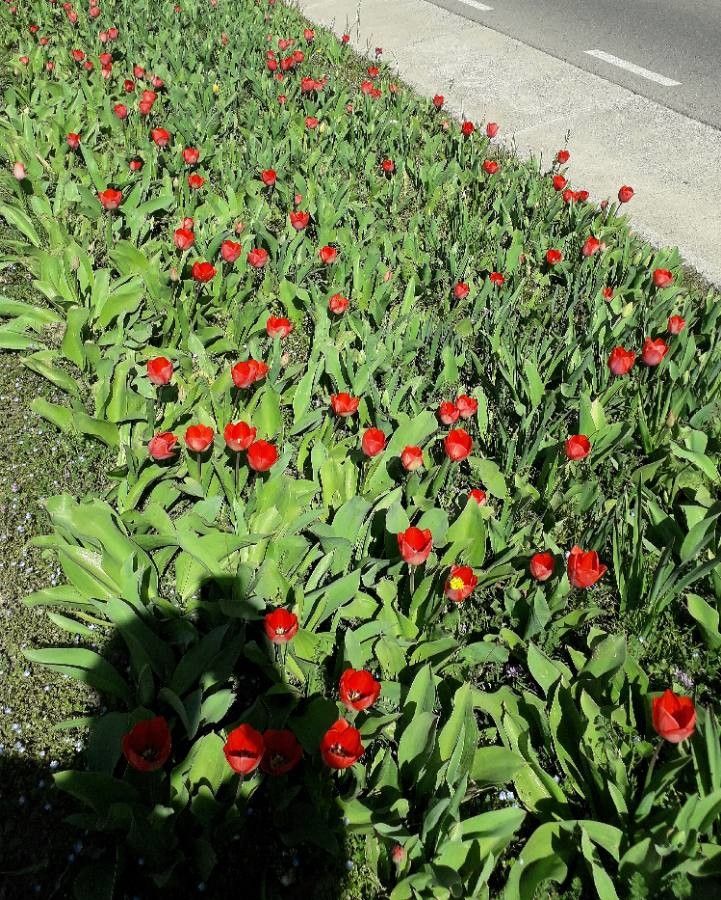


Global distribution
Garden tulip is primarily a cultivated plant. POWO and GBIF retain Tulipa gesneriana as an accepted taxon, while EPPO describes it as a cultigen developed in Asia Minor and associated with Turkey. Records outside cultivation in Europe or North America therefore represent introductions, escapes or local naturalization.
- Introduced5
- Metropolitan France
- Great Britain
- Germany
- Italy
- North America
Hexagons: regions where the plant occurs. Green dots: native range.1
Identity
Garden tulip (Tulipa gesneriana L., 1753) belongs to the Liliaceae family. Major botanical references use this binomial: POWO accepts the name, and GBIF also retains species rank for the same taxon. 1 2
Horticultural use requires some caution with this name. Many bedding tulips are not wild populations of T. gesneriana, but garden tulip cultivars or hybrids assigned to groups: Single Early, Triumph, Darwin Hybrid, Single Late, Lily-flowered, Parrot, Fringed or Viridiflora. 4 5
Its garden appeal follows a clear cycle: a dormant bulb planted in fall, spring leaves and stems, a short but striking flowering period, then foliage replenishing the bulb before a relatively dry rest. This explains both the ease of planting and failures to return when soil stays wet or leaves are removed too soon. 5 8
Recognition
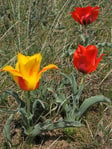
A fleshy, tunicate bulb enclosed in dry scales produces the plant. Leaves are broad, lance-shaped to strap-shaped, green to blue-green and often slightly waxy. The stem usually carries one upright flower with six tepals, forming a goblet or cup before opening wider in sunshine. 12 7
Garden height commonly ranges from 10 to 60 cm (4 to 24 in), depending on group, cultivar, bulb size and conditions. The RHS species entry gives roughly 10–50 cm (4–20 in), while Missouri Botanical Garden places garden tulips in a similar range of about 20–60 cm (8–24 in). 4 8
Flower color alone cannot identify a cultivar. Garden tulips include white, cream, yellow, orange, red, pink, purple, green, brown and nearly black. Flames, margins, bicolors and streaks can result from healthy selection or, historically, viral breaking. 6 4
Yellowing after flowering can be counterintuitive: foliage is transferring reserves to the bulb and should not be removed immediately. Cutting leaves while green weakens the next flowering cycle. 5
Taxonomy and origins
Linnaeus published Tulipa gesneriana in 1753. POWO provides its synonyms and retains the accepted name; GBIF connects the taxon with common names including Common garden tulip and Didier’s tulip. 1 2
Origins require careful wording. EPPO describes Tulipa gesneriana as a cultigen developed in cultivation in Asia Minor and often associated with Turkey. This differs from a clearly delimited wild species whose natural range can be mapped without qualification. 3
That distinction helps explain differences among distribution maps, nursery catalogs and local floras. Extensive cultivation in the Netherlands, escape or introduction in western Europe, and scattered naturalization elsewhere do not make every bedding tulip an independent wild population. 1 3
For gardeners, the complete label gives more useful guidance than the binomial alone: horticultural group, cultivar, expected height, flowering season, bulb size and intended use in beds, containers or bouquets. 5 8
Horticultural groups and tulip mania
Practical horticultural groups organize garden tulips. Single Early blooms early, Triumph is widely used in borders, Darwin Hybrid is often selected for large flowers and better persistence, Lily-flowered has pointed tepals, Parrot has deeply cut flowers, and Viridiflora retains green markings. 5 4
These groups describe form, flowering season or use rather than species. They may bring together lines of different parentage. The garden tulip complex therefore cannot promise identical behavior across all its cultivars. 5 8
Tulips also have a major cultural history. Britannica describes tulip mania as a seventeenth-century speculative episode in the Dutch Republic, when some rare bulbs reached extreme prices before the market collapsed. 11
History should not become oversimplified growing advice. Older flamed tulips were often prized for patterns associated with breaking viruses; modern collections favor healthy cultivars that produce patterns without deliberately introducing disease into a garden. 6 11
Cultivation
Garden tulip needs three main conditions: full spring sunshine, well-drained soil and a summer rest without excess moisture. RHS recommends fall planting in well-drained ground, at a depth proportional to bulb size, usually about two to three times the bulb’s height. 5
Seasonal rainfall often supplies enough water in the ground. Standing water is the trap, especially in containers and during dormancy. Improve, raise or lighten heavy soil; use a deep container with drainage holes and a mix that does not remain saturated throughout winter. 5 8
Repeat flowering varies greatly among tulips. Some border tulips are treated as annual displays and replanted each fall. Darwin Hybrid tulips and some forms closer to wild species can return more readily if bulbs remain healthy, leaves mature and soil dries after the growing season. 5 8
Keep fertilizer applications moderate. Feed retained bulbs during growth while leaves are active. Once foliage yellows, the bulb enters dormancy and late feeding has much less value. 5
Containers, bouquets and care after flowering
Container tulips make effective seasonal displays, but dense planting, limited soil volume and warmth after flowering can quickly exhaust bulbs. A deep, heavy container with drainage provides a steadier result than a shallow bowl without an outlet. 5 8
Cutting stems at the colored-bud stage preserves their visual appeal in bouquets, but also removes some of the bulb’s capacity to replenish reserves. In beds intended to flower again, limit cutting and retain functional foliage. 5
Remove only the spent flower to avoid unnecessary seed production in a cultivar. Leave the leaves until fully yellow. Bulbs can remain in well-drained ground or be lifted, dried and stored if the site becomes too wet in summer. 5
Offsets provide a slow but straightforward means of increase: small daughter bulbs develop around the main bulb. Seed is useful in botanical work or breeding, but progress is slow and it does not reproduce a garden cultivar faithfully. 5 12
Toxicity
Tulips are not food plants. ASPCA lists Tulipa spp. as toxic to dogs, cats and horses, with the highest concentrations of irritating compounds in the bulbs. Reported signs include vomiting, excessive drooling, diarrhea and lethargy. 9
Poison Control also reports digestive upset after bulb ingestion and skin irritation in some people after repeated handling, sometimes described as “tulip fingers” in prevention literature. 10
Store bulbs out of reach, collect loose dry scales, wear gloves if your skin reacts and keep animals away from bulb bags. A flowering tulip in a vase presents less risk than a chewed bulb, but plant fragments should never become treats. 9 10
If an animal eats tulip material, identify the amount, plant part and likely time of ingestion, then promptly contact a veterinarian or animal poison service. The information here cannot replace professional assessment. 9
Diseases and pests
RHS lists slugs, aphids and stem and bulb nematodes among pests of Tulipa gesneriana. Rodents and squirrels also often account for bulbs being moved, chewed or disappearing after planting. 4 5
Tulip fire and rots are favored by wet conditions, contaminated debris and repeated planting in the same spot. Signs may include spots, distortion, damaged buds and soft bulbs. Healthy bulbs, drainage, local rotation and removal of badly affected plants help prevent trouble. 5 4
Viruses require a different interpretation. RHS explains that breaking, streaking or disrupted color patterns may be viral, and aphids can help spread them. Remove suspicious plants to protect the collection rather than retaining them to “create” flames. 6
Diagnosis starts with the life cycle. Short stems may reflect a dwarf cultivar or late planting; yellow foliage after flowering is normal, but a soft or foul-smelling bulb is not. Address drainage, rotation, bulb size and foliage management rather than relying only on surface treatments. 5 8
Look-alikes and common confusions
Naming creates the first common confusion. Tulipa gesneriana can mean the accepted taxon in botanical databases, whereas “garden tulip” often means a commercial cultivar with broader parentage. Both uses are compatible when cultivar is used accurately. 1 5
Border tulips and species tulips are another distinction. Small tulips such as Tulipa clusiana, T. kaufmanniana or T. tarda may naturalize more readily in suitable conditions, while many large florist tulips are planted chiefly for a strong display over one or two seasons. 5 8
Familiarity in bouquets does not make bulbs edible. Tulip bulbs may resemble onions to an animal or child, but contain irritating compounds and must be kept separate from food. 9 10
Old flamed tulips should never encourage keeping virus-infected plants. A modern pattern sold by a reliable grower and a color break that suddenly appears in a bed call for different responses. 6
Main sources
Taxonomy and distribution here chiefly follow POWO, GBIF and EPPO, with careful wording of cultigen status. 1 2 3
Morphological recognition and horticultural details draw on RHS, Missouri Botanical Garden, NC State Extension and Go Botany. 4 5 8 7 12
Horticultural groups, care after flowering and growing problems rely mainly on RHS, including its guidance on tulip viruses. 5 6
Animal and human toxicity information follows ASPCA and Poison Control. Britannica provides the historical context for tulip mania. 9 10 11
- Plants of the World Online / Kew, Tulipa gesneriana L.
- GBIF Backbone Taxonomy, Tulipa gesneriana L.
- EPPO Global Database, Tulipa gesneriana
- Royal Horticultural Society, Tulipa gesneriana
- Royal Horticultural Society, Tulips growing guide
- Royal Horticultural Society, Tulip viruses
- NC State Extension, Tulipa genus
- Missouri Botanical Garden, Tulipa group
- ASPCA Animal Poison Control, Tulip
- National Capital Poison Center, Tulip bulb toxicity: Internal and external effects
- Encyclopaedia Britannica, Tulip Mania
- Go Botany, Tulipa gesneriana
Frequently asked questions
Is Tulipa gesneriana a wild species or a garden tulip?
Botanical references accept it as a taxon, but garden tulips sold under this name are mostly cultivars or hybrids developed through horticultural selection.
When should I plant Garden tulip bulbs?
Plant in fall, in cool but well-drained soil, before spring growth.
Do tulips come back every year?
They are bulbous perennials, but many border tulips give their best display in the first year. Repeat flowering depends on the group, bulb size, drainage and retention of the leaves.
Are tulips toxic to animals?
Yes. ASPCA lists Tulipa spp. as toxic to cats, dogs and horses, with the highest toxin concentrations in the bulbs.
Can I cut the leaves off just after flowering?
No, if you want to keep the bulb. Leave the foliage until it yellows, because it replenishes the bulb’s reserves.
Are flame-patterned tulips diseased?
Historically, some flame patterns were caused by breaking viruses. Modern cultivars can produce color patterns without introducing disease.
Is Garden tulip invasive in France?
No national invasive status is retained here. Bulbs can persist or escape locally, but the plant remains primarily horticultural.
Similar plants

If you are unsure about a plant’s toxicity, ask a botanist or veterinarian for advice.