
Bull bay (Magnolia grandiflora, )
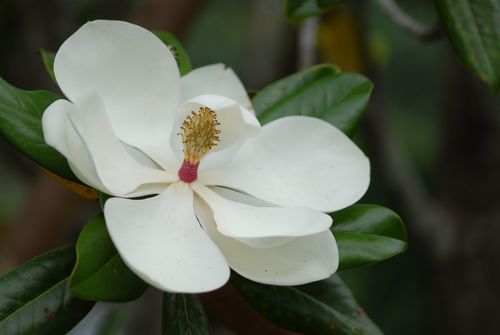
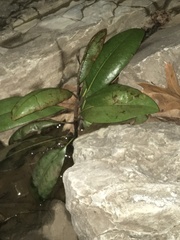
Bull bay (Magnolia grandiflora) is an evergreen tree in the Magnoliaceae family, native to the southeastern United States. Its leathery leaves have rusty undersides, and its enormous, fragrant white flowers rank among the largest on trees cultivated in temperate climates. Introduced to France in 1711, it remains a park and large-garden tree wherever the climate permits.
Read moreBull bay, Southern magnolia and Evergreen magnolia
Allow a few hours of direct sun per day, preferably morning or evening.
Full sun to partial shade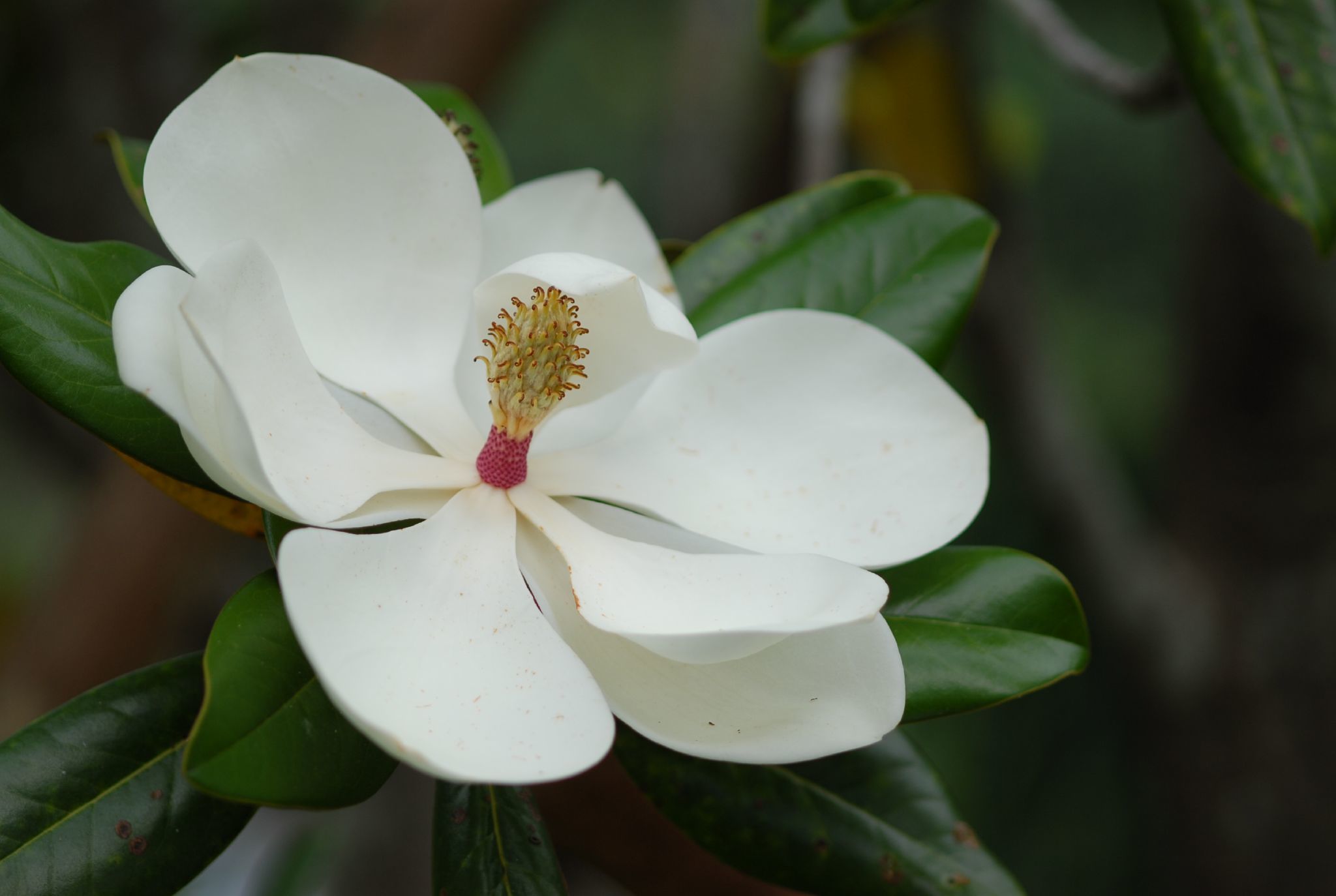
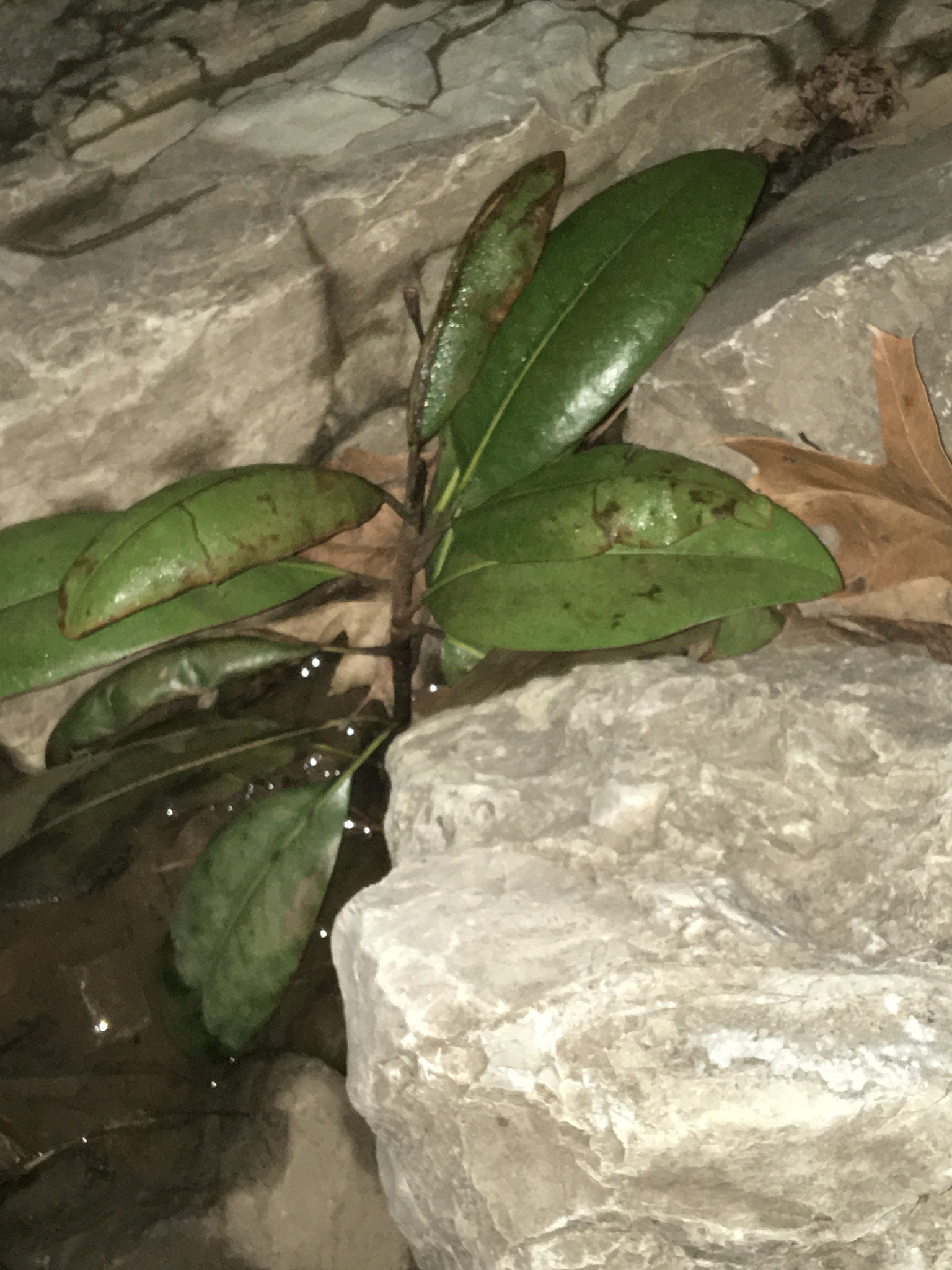
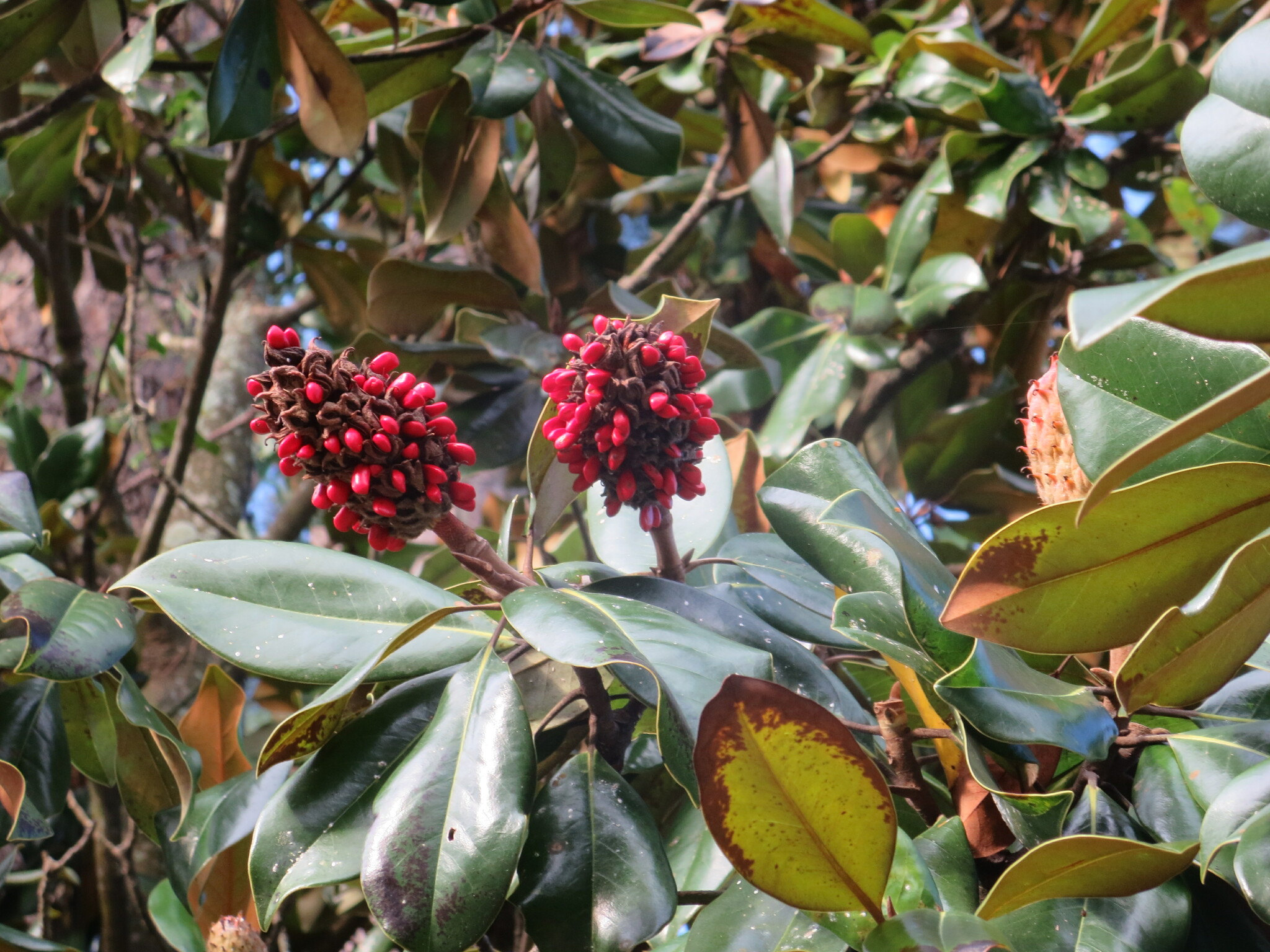


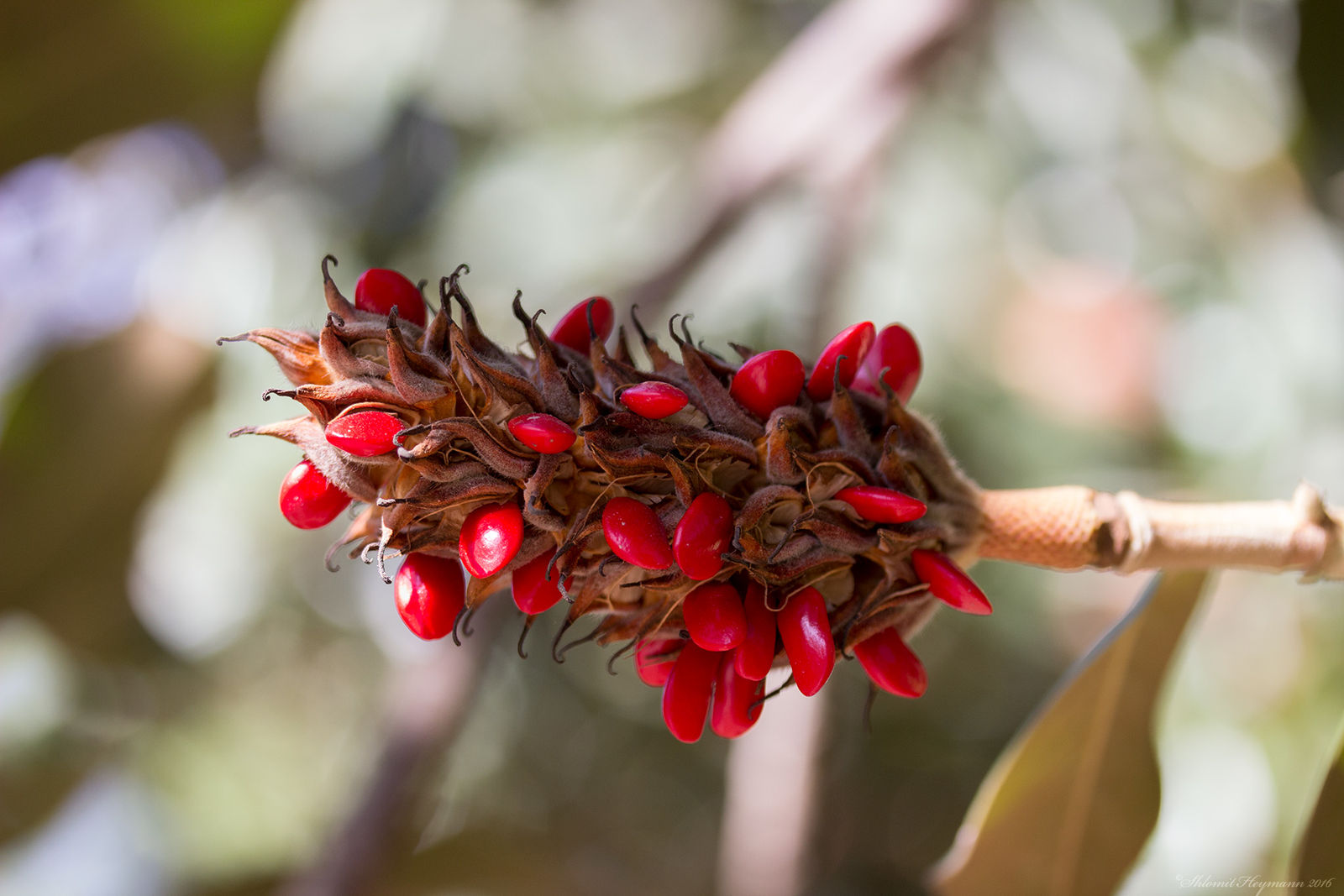
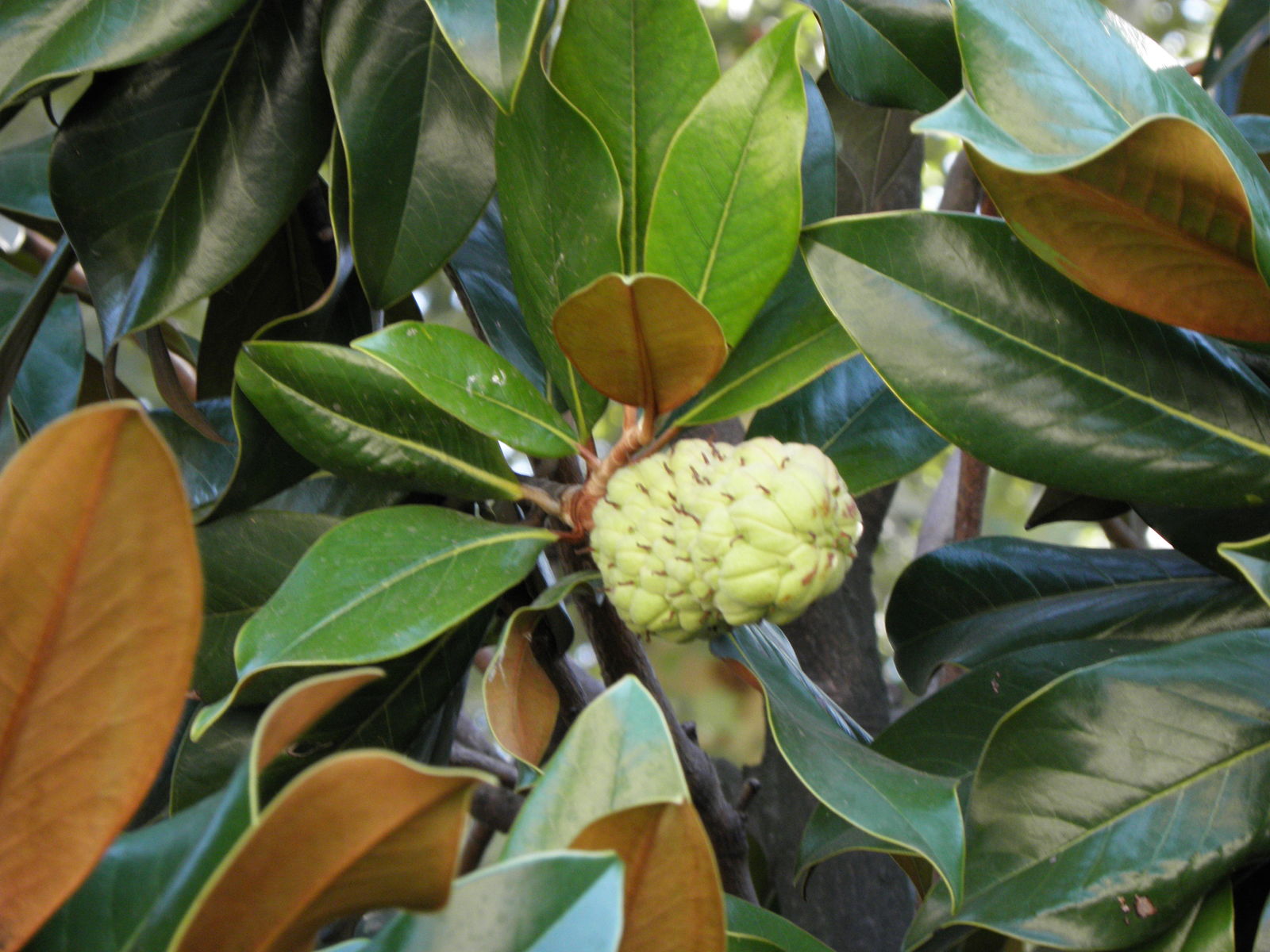
© photo
(c) 潘立傑 LiChieh Pan, some rights reserved (CC BY-NC-SA) · cc-by-nc-sa
Joseph McPhail · cc0
Nonbinary-Naturalist · cc0
Taken Jan 1, 2017 by Daniel Altschüler (cc-by-sa)
Taken Jan 17, 2022 by Nebil Temsamani (cc-by-sa)
Taken Jan 26, 2022 by Tristan Jaton-Maria (cc-by-sa)
Taken Sep 14, 2022 by John Sycorax (cc-by-sa)
Taken Jan 23, 2019 by Silvana Sarracino (cc-by-sa)
© copyright of the Board of Trustees of the Royal Botanic Gardens, Kew.




Global distribution
Magnolia grandiflora is native to the southeastern United States coastal plain, from Virginia and North Carolina to Florida and west to Texas. It is also widely grown outside its native range, particularly in temperate Europe and Japan, where it remains an introduced plant with no documented invasive status.
Identity
Bull bay (Magnolia grandiflora L., 1759) belongs to the genus Magnolia in the Magnoliaceae family. Also known as southern magnolia and evergreen magnolia, it was described by Linnaeus in the tenth edition of Systema Naturae in 1759. The genus honors Pierre Magnol, a 17th-century botanist from Montpellier; grandiflora literally means “large-flowered,” referring directly to flowers that measure 20–30 cm (8–12 in) across. 6 1
From its southeastern United States homeland, the species reached France in 1711. Admiral Roland-Michel Barrin de la Galissonnière is said to have brought it through the port of Paimbœuf, downstream from Nantes. Nantes mayor René Darquistade then planted specimens under glass, and air layering subsequently spread the tree through French gardens. The botanical synonym Magnolia grandiflora f. galissoniensis preserves a trace of this founding episode, more than three centuries after its introduction. 7
Recognition
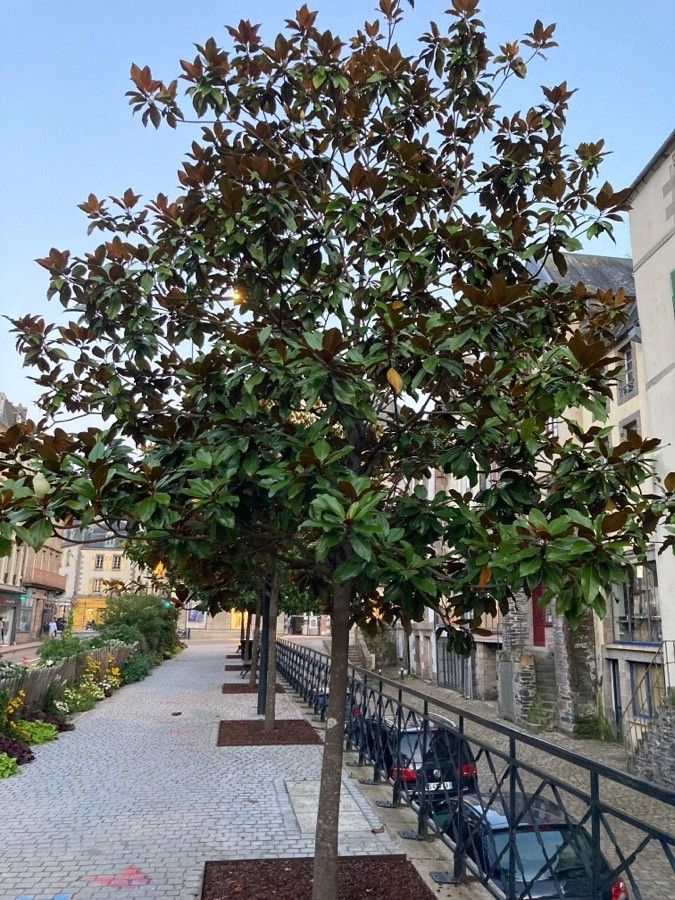
A pyramidal to conical outline characterizes southern magnolia, reaching 18–27 m (59–89 ft) tall and 9–15 m (30–49 ft) wide under favorable conditions. Its alternate evergreen leaves are leathery, glossy and 12–20 cm (5–8 in) long. A felted rusty-brown indumentum covers their undersides, immediately distinguishing the species from other evergreen magnolias. 2 4
Solitary flowers are held upright, with 6–12 cream-white tepals and an intense fragrance often described as lemony. At 20–30 cm (8–12 in) across, they rank among the largest tree flowers cultivated in temperate climates. 3 4
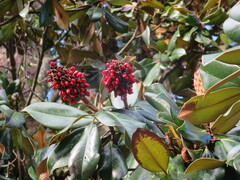
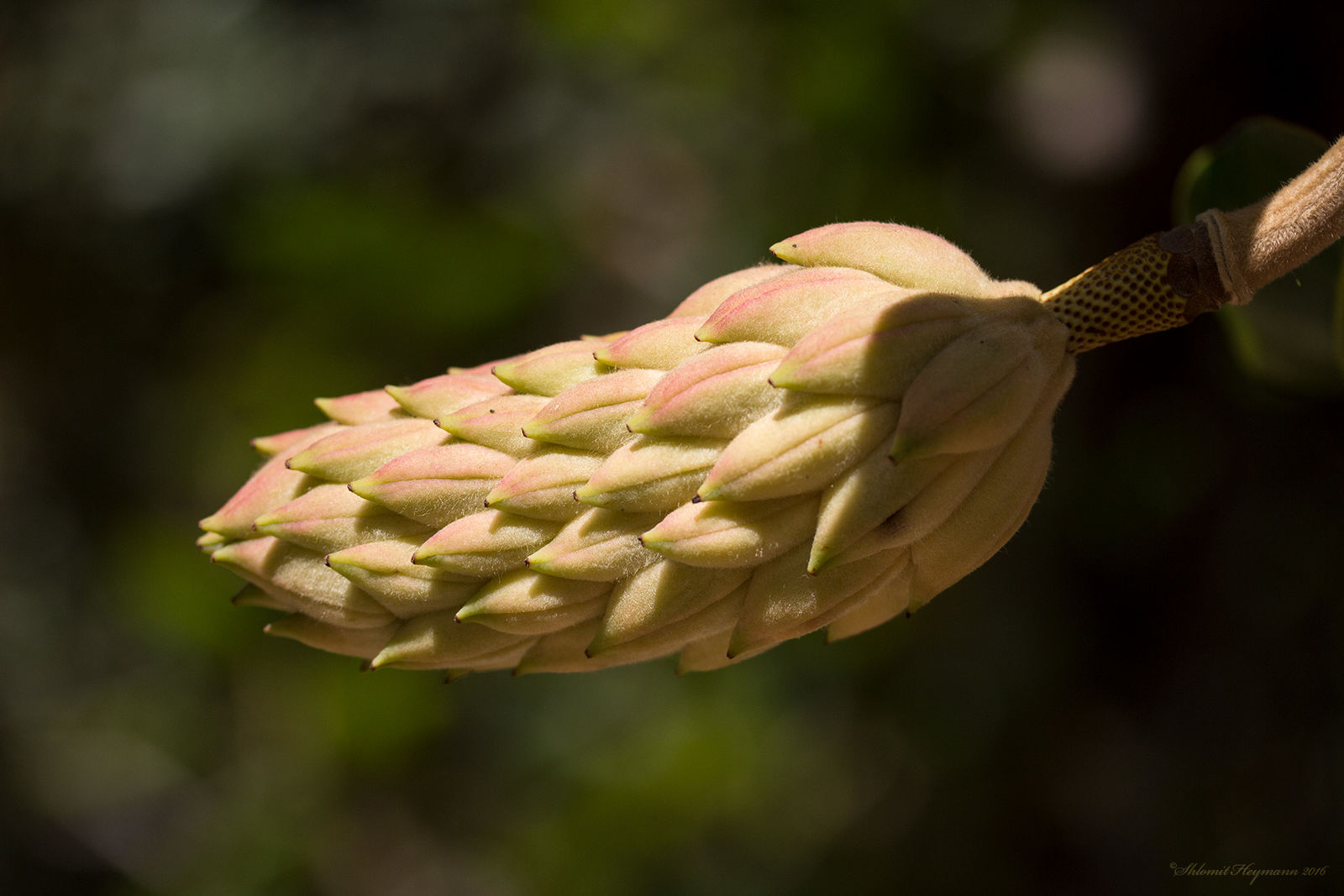
The fruit is an egg-shaped cone of joined follicles, green at first and pinkish brown when mature. Small seeds with bright red coats hang from it on slender threads. 2
Useful taxonomy
Several botanical synonyms and horticultural varieties fall under the accepted name Magnolia grandiflora L. They are worth checking when buying an old specimen or graft:
- Magnolia grandiflora var. ferruginea Sims
- Magnolia grandiflora var. lanceolata W.T.Aiton
- Magnolia grandiflora var. obovata Aiton
- Magnolia grandiflora var. rotundifolia Sweet ex Loudon
- Magnolia grandiflora f. galissoniensis K.Koch
- Magnolia foetida Sarg.
These historical names do not denote separate species. They mainly describe leaf shape or the origin of the parent plant. The reliable reference is the accepted name, supplemented by a cultivar name where appropriate. 1
Habitat and distribution
The southeastern United States coastal plain supports the native populations, from Virginia and North Carolina south to Florida and west to Texas. Within this plain, the tree grows in moist forests on sandy or moisture-retentive soils, generally below 100 m (330 ft) in elevation. 2 6
The IUCN classifies Magnolia grandiflora as Least Concern, consistent with its still extensive native range and widespread planting beyond its original home. 8
Cultivated in Europe since the 18th century, the tree became a specimen ornamental in oceanic and Mediterranean climates, including France, Italy and Portugal. It is also among the most widely planted large park trees in Japan. In France it remains introduced, with no documented invasive status; that regional statement does not define its status elsewhere. 7
Life cycle and flowering
Late spring to early summer brings the main flush of bloom, with scattered flowers continuing through late summer. A seed-grown tree often takes more than ten years to flower for the first time. Full maturity, with regular flowering and fruiting, generally comes at 15–25 years. 3 2
Growth is slow to moderate, faster in warm, humid climates than in poor or compacted soil. Once firmly rooted, the tree withstands wind, salt spray and storms well. This resilience explains its popularity as a windbreak and screen along the American Atlantic coast. 2
Horticultural propagation chiefly uses air layering or semi-ripe cuttings to preserve a cultivar. Seeds, following two to three months of cold stratification, reproduce the species but yield more variable trees that flower later. 5
Uses and risks
Spectacular flowers make southern magnolia primarily an ornamental tree. It is planted as a specimen, used as an evergreen screen along a fence or to block views from neighboring properties, trained against a wall in wind-exposed gardens, or combined in woodland plantings with camellias and azaleas that tolerate similar partial shade. These uses are documented in both the United States and the United Kingdom. 4 2
The edible petals are sometimes candied or used as a spice. Bark has traditional uses against fever and rheumatism, without systematic modern medical validation. 5
Unlike many ornamental plants, Magnolia grandiflora is not listed as toxic to cats or dogs. Information for horses remains undocumented, calling for caution in the absence of confirmation. 6
Magnolia scale is the main insect risk. Its honeydew encourages sooty mold, a black coating that covers the foliage and impairs photosynthesis. In chalky soil, iron becomes less available and young leaves yellow through chlorosis; an iron chelate and acidic mulch generally correct the symptom. 2
Dense canopy shade and competitive shallow roots create a practical drawback: lawns and most flower beds struggle beneath a mature tree. 2
Good salt-spray tolerance and limited browsing by deer are assets in coastal gardens and along woodland edges. Continuous shedding of large, leathery leaves, in fall as well as spring, nevertheless requires regular cleanup around the trunk. 2
Varieties, look-alikes and related plants
More than 150 cultivars have been selected since the tree entered cultivation, although only about thirty remain common in nurseries today. 'Little Gem' and 'Kay Parris' offer semi-dwarf habits suited to smaller gardens. 'Bracken's Brown Beauty' and 'Edith Bogue' are among the hardiest selections, tolerating colder winters than the typical species. 6 2
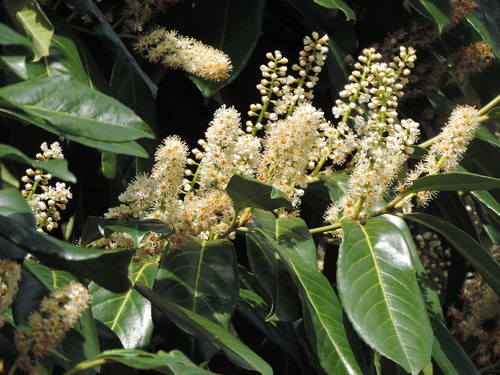
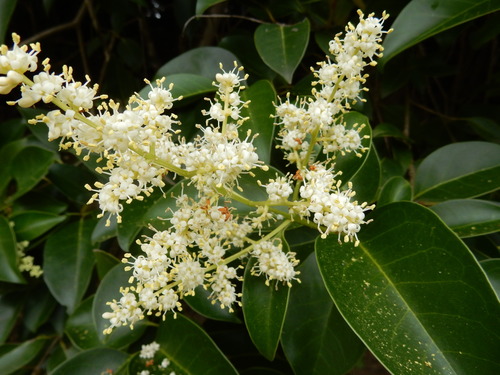
The most likely confusion is with sweetbay magnolia (Magnolia virginiana), a smaller tree with semi-evergreen foliage and glaucous rather than rusty leaf undersides. Turning over a leaf usually settles the distinction in the field. Other large evergreens with leathery foliage, such as Japanese camellia (Camellia japonica) and English holly (Ilex aquifolium), serve similar landscape purposes without belonging to Magnoliaceae. 2
Main sources
- Plants of the World Online / Kew, Magnolia grandiflora L.
- NC State Extension, Magnolia grandiflora plant profile
- Missouri Botanical Garden Plant Finder, Magnolia grandiflora
- Royal Horticultural Society, Magnolia grandiflora
- Plants For A Future, Magnolia grandiflora
- Wikipedia EN, Magnolia grandiflora
- Wikipedia FR, southern magnolia
- IUCN Red List assessment, Magnolia grandiflora
Frequently asked questions
Does southern magnolia lose its leaves in winter?
No, it is evergreen. Older leaves fall gradually throughout the year, peaking in spring as new foliage replaces them. This can look like substantial leaf loss without being abnormal.
Is southern magnolia toxic to cats or dogs?
No, the species is not listed as toxic to cats or dogs. Information for horses remains undocumented, so caution is warranted in the absence of data.
Why does nothing grow beneath my magnolia?
Dense canopy shade and competitive shallow roots make it very difficult to establish a lawn or flower bed. Mulch is often the simplest option beneath a mature tree.
How long does the first flowering take?
A seed-grown tree rarely flowers before about ten years. A grafted or air-layered plant that is already several years old when sold may flower sooner once established.
How does it differ from Magnolia virginiana?
Magnolia virginiana is smaller, with semi-evergreen foliage depending on climate and glaucous leaf undersides rather than rusty indumentum. Mature size and the color beneath the leaves are the most reliable distinctions.
Does southern magnolia tolerate wind and salt spray?
Yes, once firmly rooted. This tolerance explains its frequent use as a screen or windbreak along the American Atlantic coast and in European coastal gardens.
Where does the name magnolia come from?
The genus honors Pierre Magnol, a 17th-century botanist from Montpellier. The epithet grandiflora simply describes the exceptional size of the flowers.
Similar plants
If you are unsure about a plant’s toxicity, ask a botanist or veterinarian for advice.