
Rock's tree peony (Paeonia rockii, )


Rock's tree peony (Paeonia rockii) is a deciduous Chinese shrub in the Paeoniaceae, known for its large, fragrant, often white flowers with a dark purple blotch at each petal base. It is distinct from the broader horticultural tree peony, Paeonia × suffruticosa, although the names overlap in the history of Rockii peonies.
Read moreRock's tree peony, Rock's peony, Rockii peony and Tree peony
Allow a few hours of direct sun per day, preferably morning or evening.
Sun to light partial shade


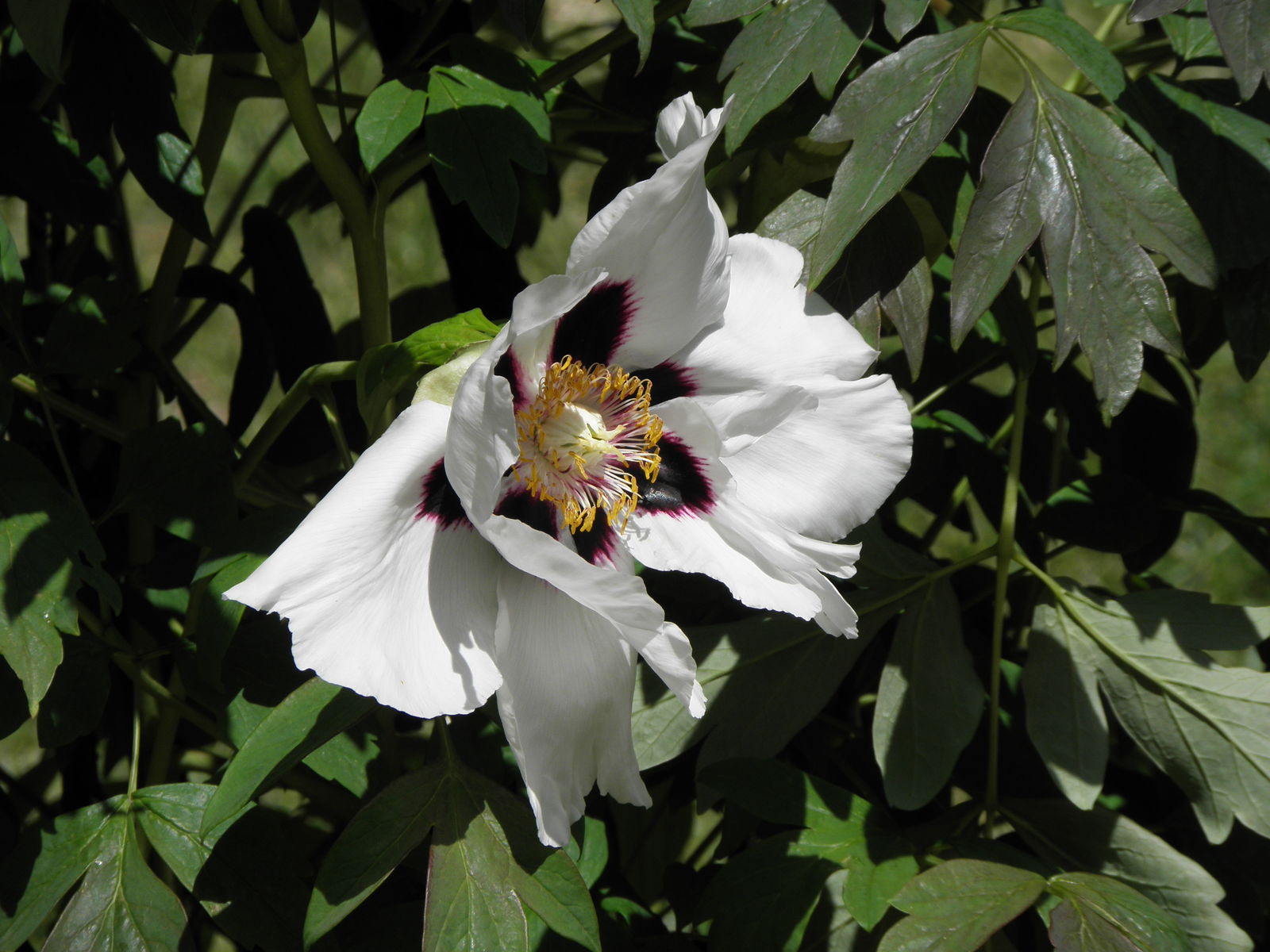
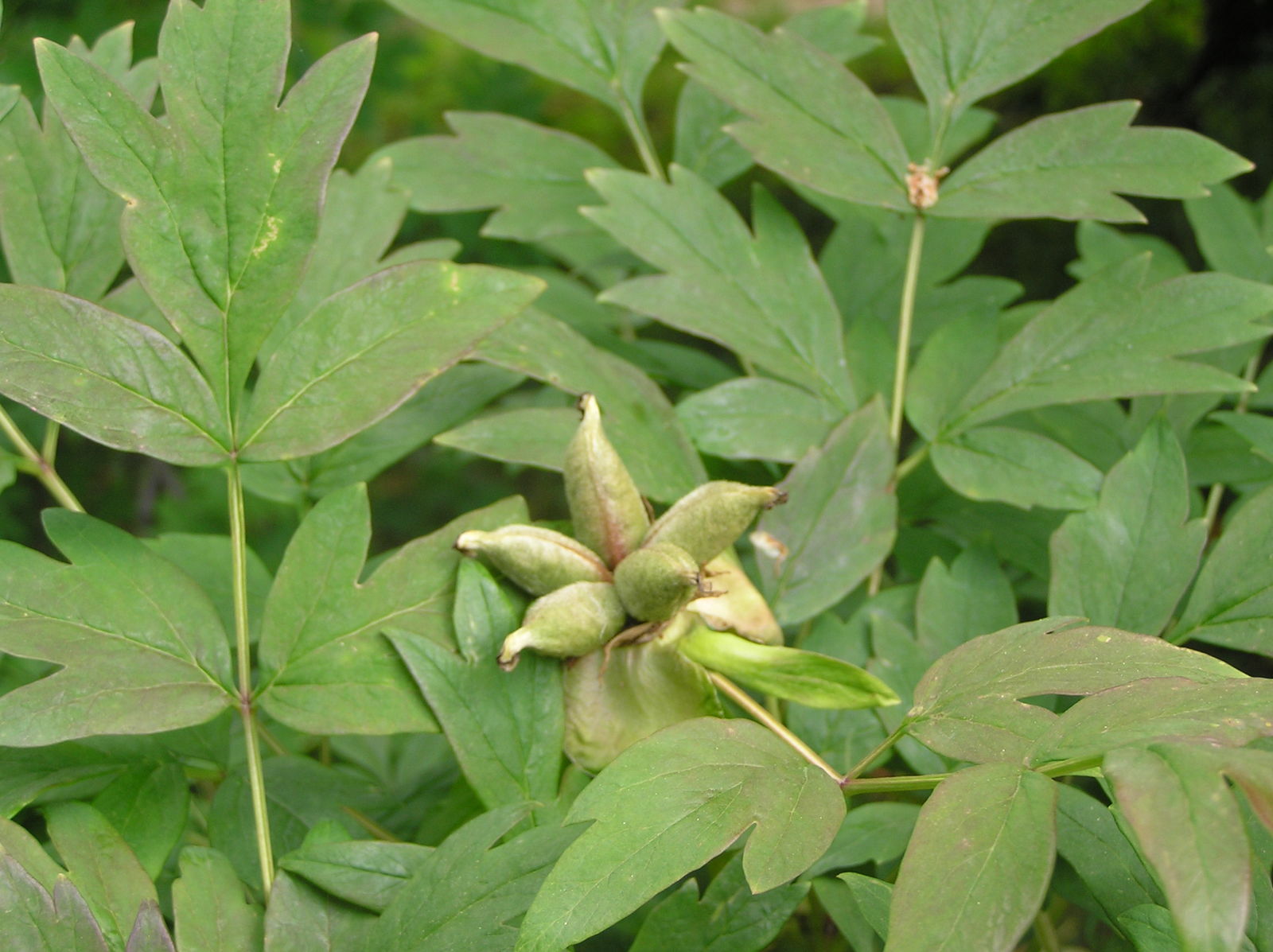
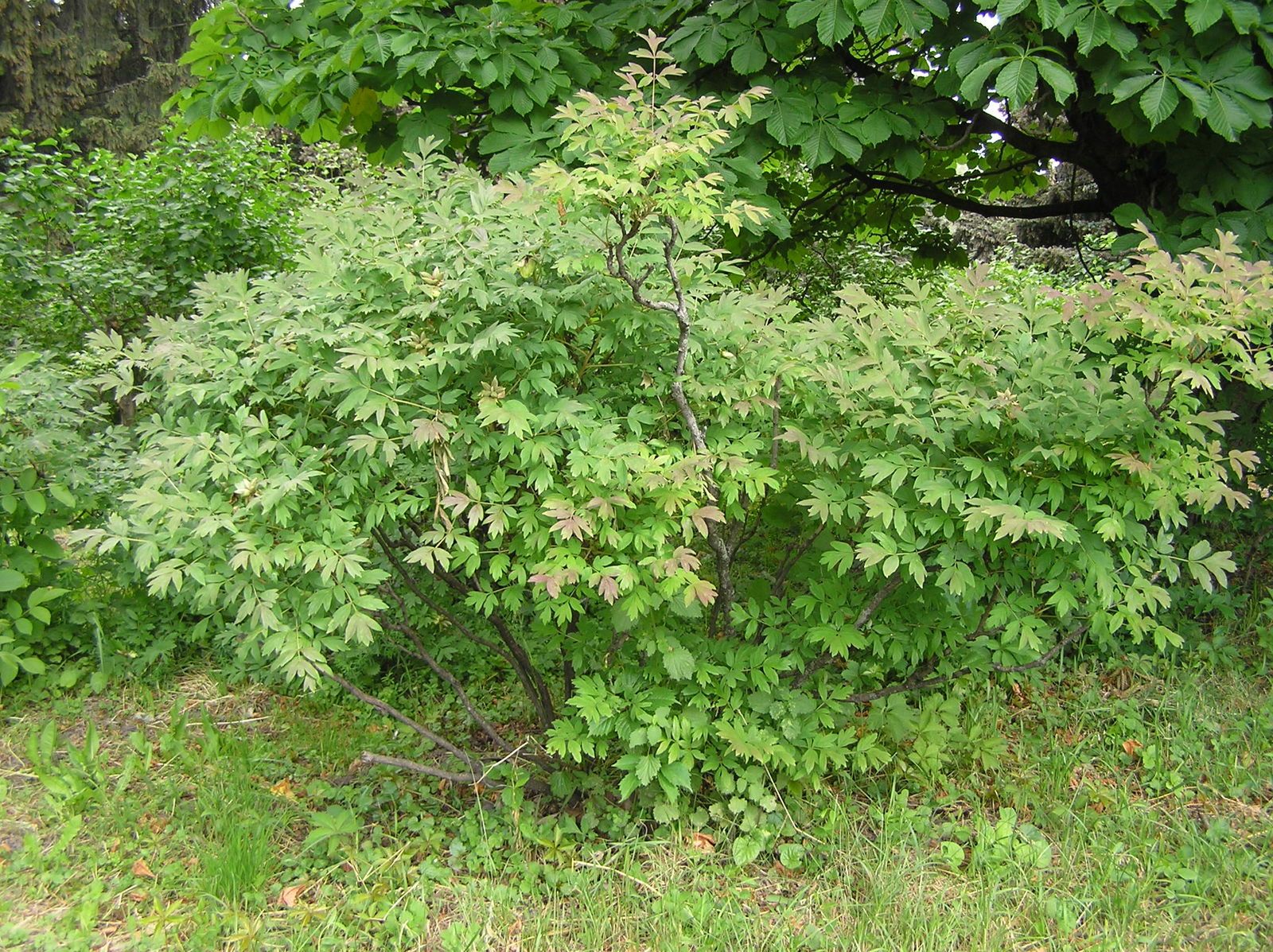
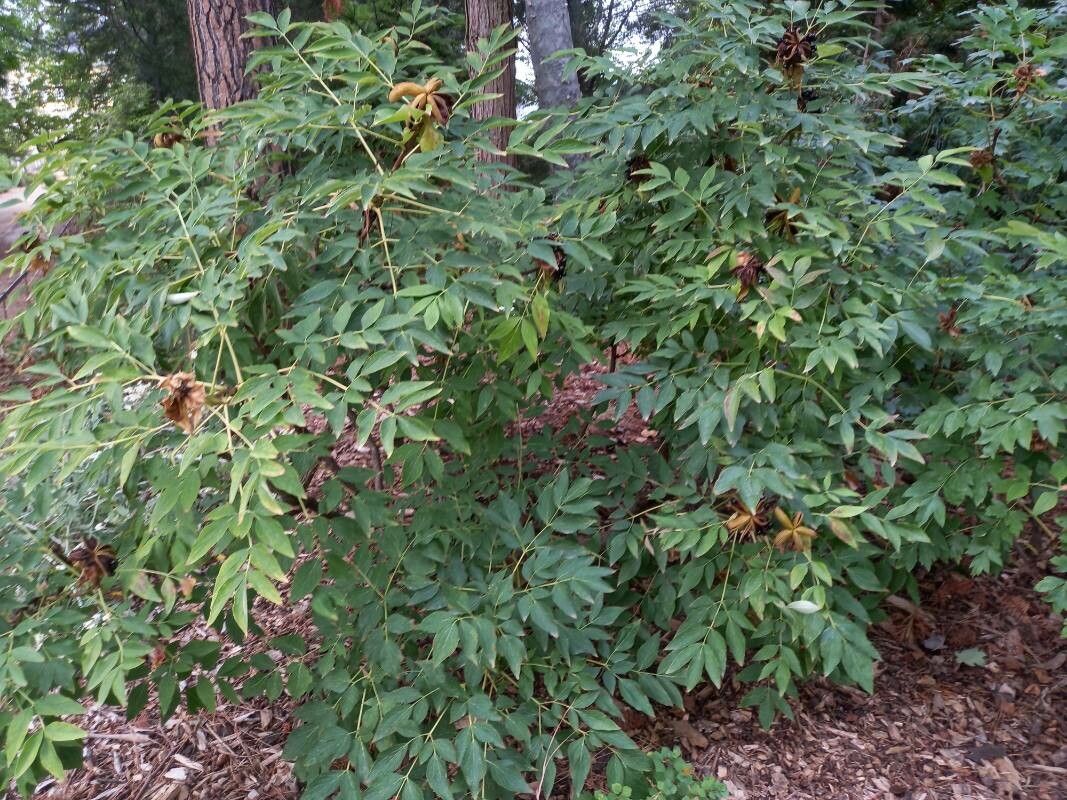
© photo
Wikimedia Commons · CC BY-SA or Public Domain
Wikipedia · CC BY-SA
© copyright of the Board of Trustees of the Royal Botanic Gardens, Kew.




Global distribution
Taxonomic sources place Paeonia rockii in China. POWO/WCVP accepts the species and distinguishes subspecies rockii and atava; Chinese floras and studies discuss regional boundaries and the role of mountain populations.
- Native5
- Introduced1
- North-central China
- Gansu
- Shaanxi
- Western Henan
- Northern Sichuan
- Hubei
Hexagons: regions where the plant occurs. Green dots: native range.1
Identity
Rock's tree peony (Paeonia rockii) is a woody peony in the Paeoniaceae. Unlike herbaceous peonies, it keeps a woody framework through winter: flower buds develop on this wood and must not be removed by hard pruning. POWO/Kew accepts Paeonia rockii as a species, published at this rank in 1998 after an earlier treatment as a subspecies of the horticultural tree peony. 1 2
English names such as Rock's peony, Rockii peony and tree peony, alongside Rockii labels, often suggest the same horticultural feature: large flowers with dark blotches at the petal bases. Distinguish the botanical species Paeonia rockii, commercial Rockii hybrids and the broad hybrid tree peony Paeonia × suffruticosa. 4 6
Recognition
A slow-growing deciduous shrub, Paeonia rockii often reaches 1–2.5 m (3–8 ft) in cultivation, depending on age, soil and climate. Old stems turn gray-brown; new shoots carry divided green foliage, and the plant gradually occupies more space than a herbaceous peony. Keep its framework open: crowding, waterlogging or pruning it like a perennial soon spoils its form. 4 5
Flowers provide the clearest identification feature. Botanical and horticultural descriptions agree on very large spring flowers, often white or lightly pink, with a dark purple blotch at each petal base. Single or semidouble flowers reveal yellow stamens; some garden selections have fuller, larger or more colorful flowers than wild plants. 3 4
After flowering, follicles may ripen if the flowers are not removed. Fertile black seeds and unfertilized red seeds are chiefly of interest to collectors. For gardeners, priorities are healthy woody growth, limited leaf disease and avoiding unnecessary moves once the plant is established. 5 7
Taxonomy and links with tree peonies
Rockii names need taxonomic care because the plant has been placed in several different groups. POWO accepts Paeonia rockii and lists Paeonia × suffruticosa subsp. rockii among its synonyms. This does not mean every commercial tree peony is P. rockii; it explains why older accounts, nurseries and catalogs use different names for related plants. 1 2
Subspecies treatments differ among sources. POWO accepts subsp. rockii and subsp. atava, while Chinese floras and studies discuss regional populations under other names or boundaries. In horticultural descriptions, the cautious approach is to retain the accepted binomial Paeonia rockii and explain that subspecies details depend on the reference used. 1 3
NC State describes Rockii hybrids as a tree peony group derived from P. rockii, while presenting Paeonia × suffruticosa as an ancient, complex hybrid group. Dark petal blotches suggest Rockii influence but do not prove that a nursery plant belongs to the pure wild species. 6
Natural range and conservation
China is the species' home. Taxonomic sources place it there, and botanical descriptions mention mountain scrub, slopes and open woodland. Exact regions vary with subspecies and taxonomic treatment; central to north-central China is therefore a more cautious description than an overly precise map. 1 3
A population-genetics study describes Paeonia rockii as endemic to China, important in the history of cultivated tree peonies and subject to conservation concerns in its wild populations. In European gardens, this does not imply invasive status: it is chiefly an ornamental shrub, often grafted, and the sources used do not describe it as invasive in metropolitan France. 8
Garden cultivation
Choose a bright, sheltered position for Rock's tree peony: morning sun, gentle sun in cool climates or light partial shade in hot regions. Wind and heavy rain damage the large flowers; afternoon heat can shorten flowering. Soil should be deep, fertile, humus-rich, neutral to slightly alkaline, and especially well drained in winter. 5 7
Fall is generally the most suitable planting season. On grafted plants, burying the union about 10–15 cm (4–6 in) deep encourages the woody peony to form its own roots and reduces rootstock dominance. Remove strongly herbaceous shoots emerging below the graft: they may belong to the rootstock rather than the desired cultivar. 5 7
Water deeply rather than little and often. During establishment, 10–20 mm (0.4–0.8 in) per week in dry weather provides a practical starting point; later, a well-rooted plant tolerates occasional missed watering better than stagnant water. A light mulch can help, but keep damp material away from the crown. 5 7
Keep pruning to a minimum. In late winter remove dead, broken or diseased wood. After flowering, remove faded flowers if seed is not wanted. Do not cut the shrub to ground level like a herbaceous peony: this removes the framework that carries future buds. 5
Life cycle, flowering and propagation
Spring flowering often precedes or overlaps with later herbaceous peonies. It is spectacular but brief: a flush can end quickly in hot, windy or rainy weather. A young plant that does not flower is not necessarily unhealthy; tree peonies first establish roots and a woody framework. 5 7
Seed propagation is possible but slow and variable. Peonies may need warm followed by cold stratification, and seedlings take several years to flower. Grafting or layering makes more sense for preserving a particular horticultural type; seed-grown offspring mix their parents' characteristics. 7
Large, dark-blotched flowers have made Paeonia rockii important in breeding. Rockii hybrids can be excellent garden plants, sometimes more available and vigorous than the species itself. They should be identified as hybrids or cultivars rather than as wild populations. 6 8
Toxicity and precautions
Veterinary references mainly assess peonies at genus level or discuss garden peonies, rather than Paeonia rockii alone. The ASPCA lists Peony as toxic to dogs, cats and horses, with vomiting, diarrhea and depression. Pet Poison Helpline identifies paeonol, particularly associated with bark, and chiefly describes digestive irritation after ingestion. This genus-level precaution therefore applies to Paeonia rockii. 9 10
This peony should not be treated as an edible or medicinal garden plant. Traditional peony uses exist, especially involving other species and root or bark material, but they do not establish safe use in a family garden. Cut flowers remain ornamental; seeds, roots, bark and leaves should not be fed to animals or consumed without expert supervision. 10
Common problems
Failure to flower is the most frequent problem. Plausible causes include youth, shade, root competition, a poorly managed graft, excess nitrogen or pruning that removed flowering wood. Stabilize growing conditions, keep soil moist and let the framework mature rather than applying large amounts of fertilizer. 5 7
Peony diseases thrive when leaves stay wet and air is stagnant. Botrytis, peony wilt, leaf spots and rots are reduced by drainage, open planting, removal of affected parts and clearing fallen leaves. Water the soil rather than spraying young shoots and buds. 5 7
Rootstock shoots are a particular issue with grafted tree peonies. They often emerge very low down, look more herbaceous and divert vigor from the purchased cultivar. Removing them early helps a collection plant remain true to type.
Uses and buying plants
In a garden, Paeonia rockii suits the role of a small specimen shrub: beside a path, at the back of a bed, along a light woodland edge or in a sheltered garden. It dislikes repeated moving, so choose the position before planting rather than adjusting it every two years.
Check the complete label before buying: Paeonia rockii, Rockii hybrid, Paeonia × suffruticosa, a named cultivar and simply 'tree peony' convey different botanical information. A healthy plant should have a sound graft or well-rooted base, firm buds, no soft basal tissue and no dominant herbaceous rootstock shoots. 4 6
Main sources
- Plants of the World Online / Kew, Paeonia rockii
- GBIF Backbone Taxonomy, Paeonia rockii
- Flora of China, Paeonia
- Royal Horticultural Society, Paeonia rockii
- Royal Horticultural Society, How to grow tree peonies
- NC State Extension, Paeonia woody types
- Washington State University Extension, Peonies
- Population genetics and conservation of Paeonia rockii
- ASPCA, Peony
- Pet Poison Helpline, Peony
Frequently asked questions
Is Paeonia rockii the same as Paeonia × suffruticosa?
No. POWO treats Paeonia rockii as an accepted species, while Paeonia × suffruticosa denotes a horticultural hybrid tree peony. The earlier name Paeonia × suffruticosa subsp. rockii helps explain mixed labels.
What are Rockii hybrids?
Rockii hybrids are tree peonies influenced by Paeonia rockii, especially in the dark petal blotch. These are horticultural plants, not necessarily the pure wild species.
Should I prune Rock's tree peony like a herbaceous peony?
No. It retains permanent wood. Cutting it to the ground removes the framework and buds; remove only dead wood and rootstock shoots.
Is it toxic to animals?
Treat it as toxic as a precaution for Paeonia. Veterinary sources classify peonies as toxic to dogs, cats and horses, mainly causing digestive signs after ingestion.
Can it grow in a container?
A large, deep container can suit a young plant, but well-drained open ground is better for a long-lived plant that flowers well.
Why is a young plant not flowering?
A tree peony may take several years to establish. Shade, excessive pruning, water stress or rootstock shoots can also delay flowering.
Similar plants


If you are unsure about a plant’s toxicity, ask a botanist or veterinarian for advice.