
Blushing philodendron (Philodendron erubescens, )
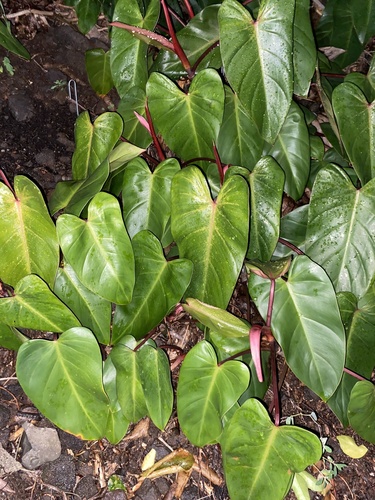
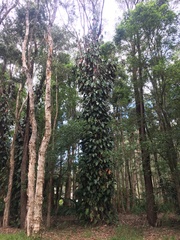
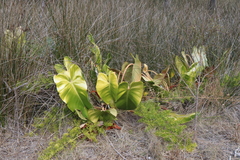
Blushing philodendron (Philodendron erubescens) has purple-red young stems and green leaves often coppery beneath. This Colombian tropical climber in the Araceae needs filtered light and a well-drained mix; chewing releases irritating crystals.
Read moreBlushing philodendron and Red-leaf philodendron
Give plenty of ambient light without direct sun on the leaves.
Bright filtered light, protected from scorching sun
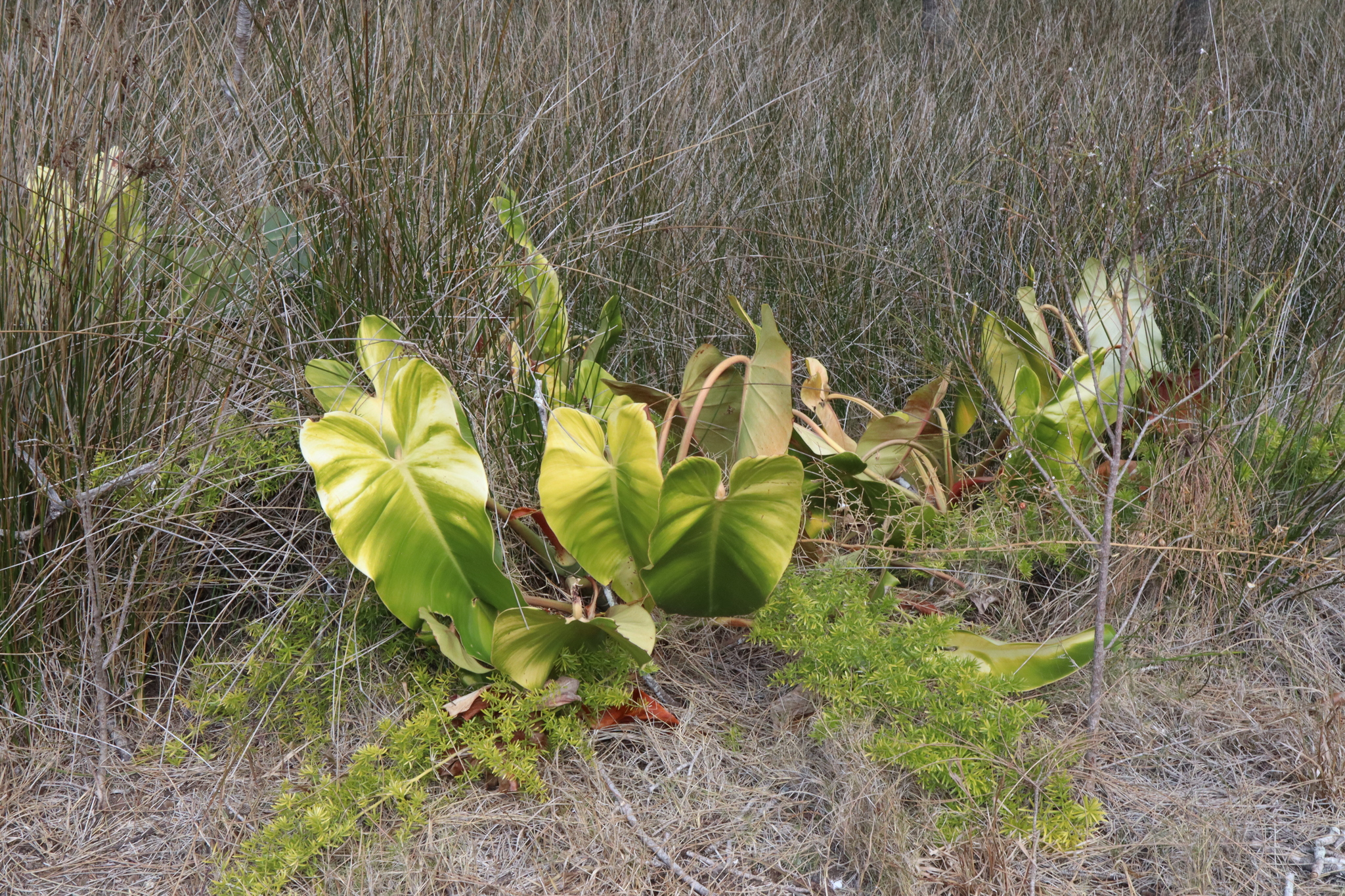


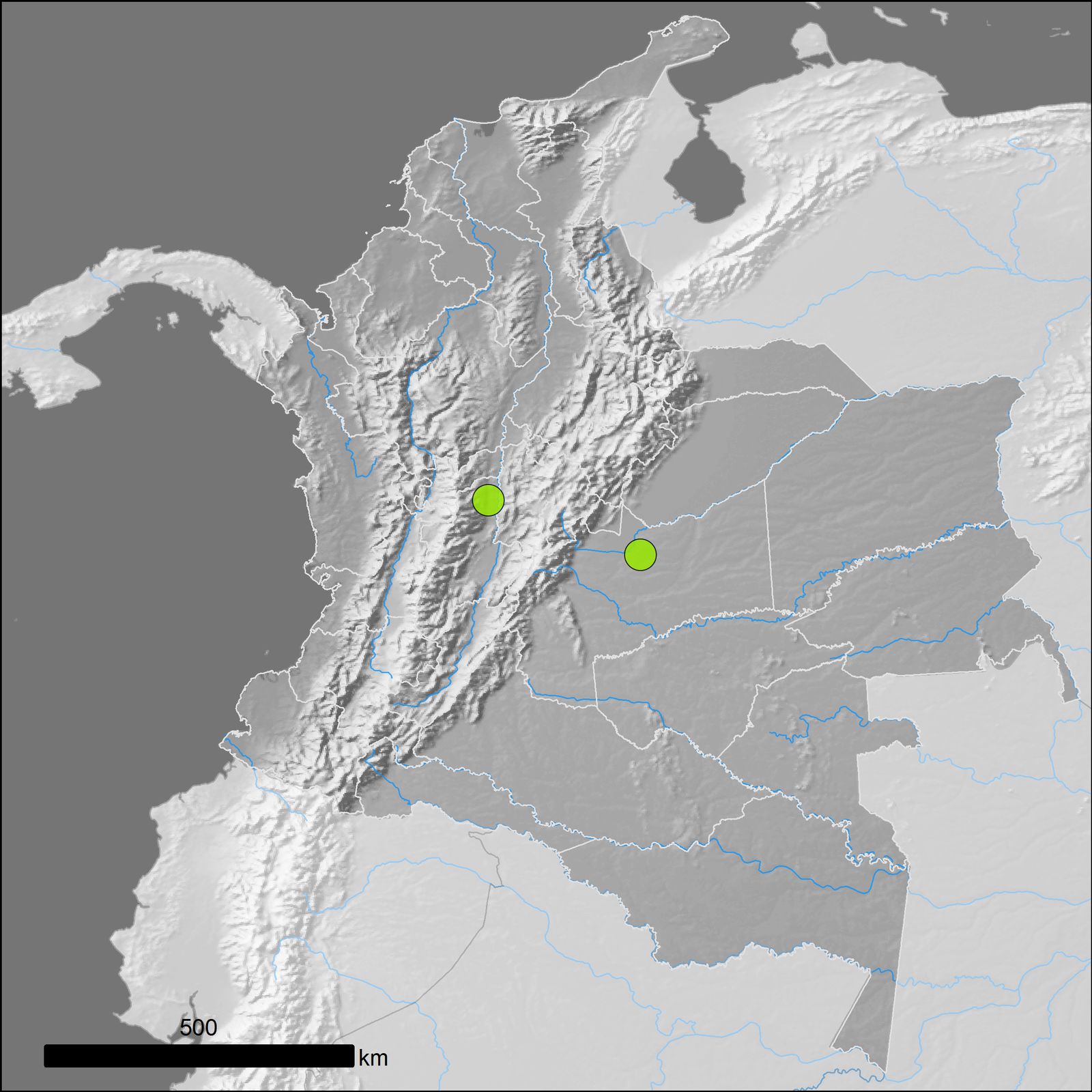
© photo
(c) kaguiar808, some rights reserved (CC BY-NC) · cc-by-nc
Thomas Mesaglio · cc-by
Taken Sep 14, 2019 by Marta Garcia (cc-by-sa)
Taken Dec 16, 2020 by Noel Dionson (cc-by-sa)
Taken Feb 26, 2020 by Espinoza-Zevallos Marco Elías (cc-by-sa)
Taken Jul 8, 2021 by Paul Caseley (cc-by-sa)
Taken Oct 22, 2020 by ANSELMO DE ARAUJO MARTA (cc-by-sa)
© copyright of the Board of Trustees of the Royal Botanic Gardens, Kew.


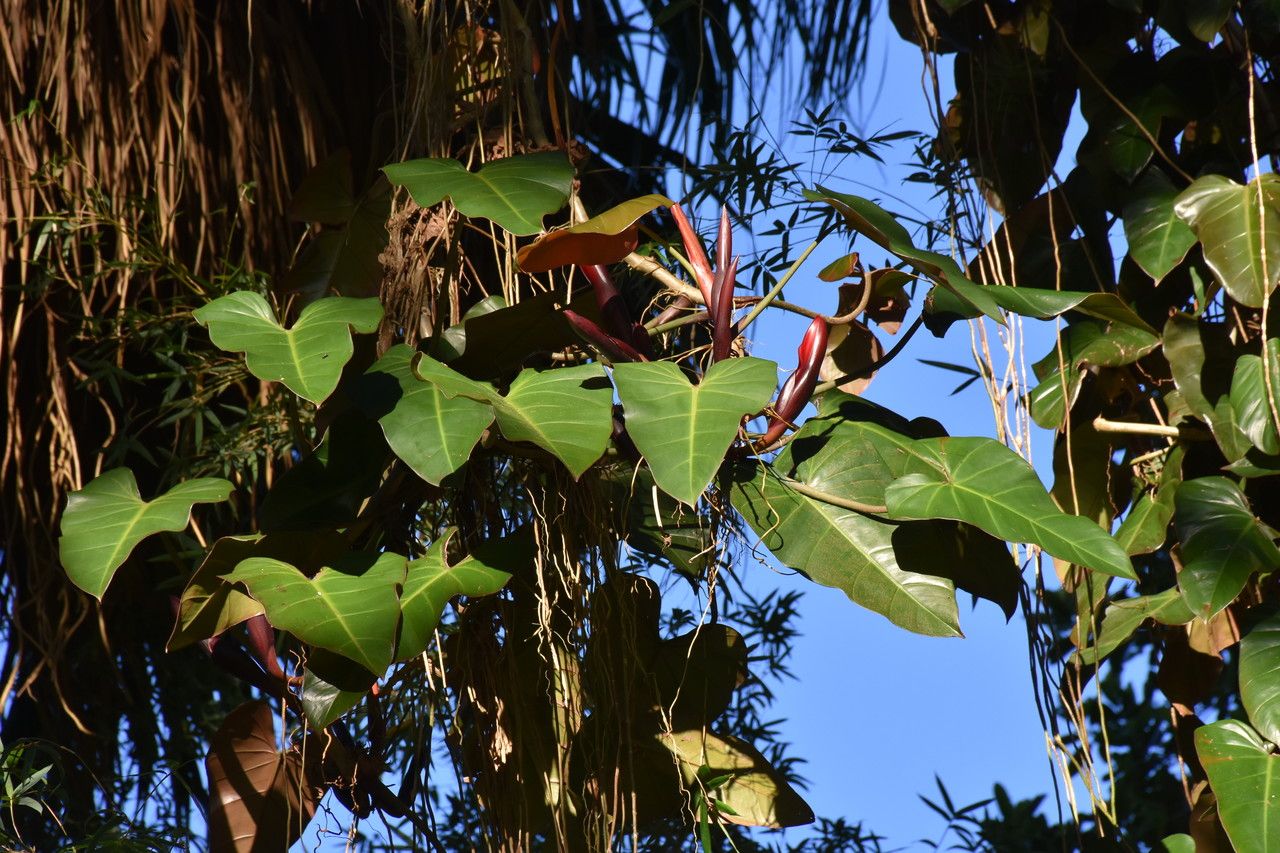


Global distribution
Philodendron erubescens is native to Colombia in the wet tropical biome.
Identity
Blushing philodendron (Philodendron erubescens) has young purple-red stems that contrast with its green foliage. The French name "philodendron rougissant" is recorded in a professional floristry plant list. The epithet erubescens means "blushing" or "turning red" and refers to this characteristic coloring. 6 2
Native to Colombia, blushing philodendron belongs to the Araceae and grows in the wet tropical biome. Its foliage makes it a popular houseplant for bright, filtered light. Chewing its tissues releases irritating calcium oxalate crystals, so its ornamental use requires care around people and pets. 1 3 2
Recognition
Glossy, undivided leaves range from oval to triangular; cultivated forms may also be described as heart-shaped. The upper surface is dark green, while the underside can be purple-red or coppery. Purple-red leaf stalks provide another identification clue, particularly on an unvariegated plant. Leaf shape and color can vary even on a single specimen. 3 2 5
Large leaves reach 40 cm (16 in) long. The inflorescence consists of a whitish spadix surrounded by a purple-red spathe, which can measure 15 cm (6 in). Blushing philodendron rarely flowers indoors, so the absence of flowers does not rule out the identification. 3 2
Published horticultural dimensions are 2.5–4 m (8–13 ft) tall and 0.5–1 m (1.6–3.3 ft) across, reached in 5–10 years. The published dimensions describe plants grown in favorable conditions. Blushing philodendron in a household pot is not guaranteed to reach those dimensions. 3
Useful taxonomy
Philodendron erubescens is an accepted species in the genus Philodendron, family Araceae and order Alismatales. Its botanical authors are K.Koch & Augustin. The name was published in 1855, although the issue carrying it bears the year 1854. The difference concerns the issue date and actual publication date in botanical nomenclature; neither date establishes when the plant entered horticulture. 1
A cultivar name follows the species name without replacing it. Philodendron erubescens ‘Pink Princess’, for example, identifies a selection with pink-variegated leaves. "Pink Princess" is therefore not a common name for every plant of the species. Green-leaved plants with red stems also belong to this species. 2
Habitat and range
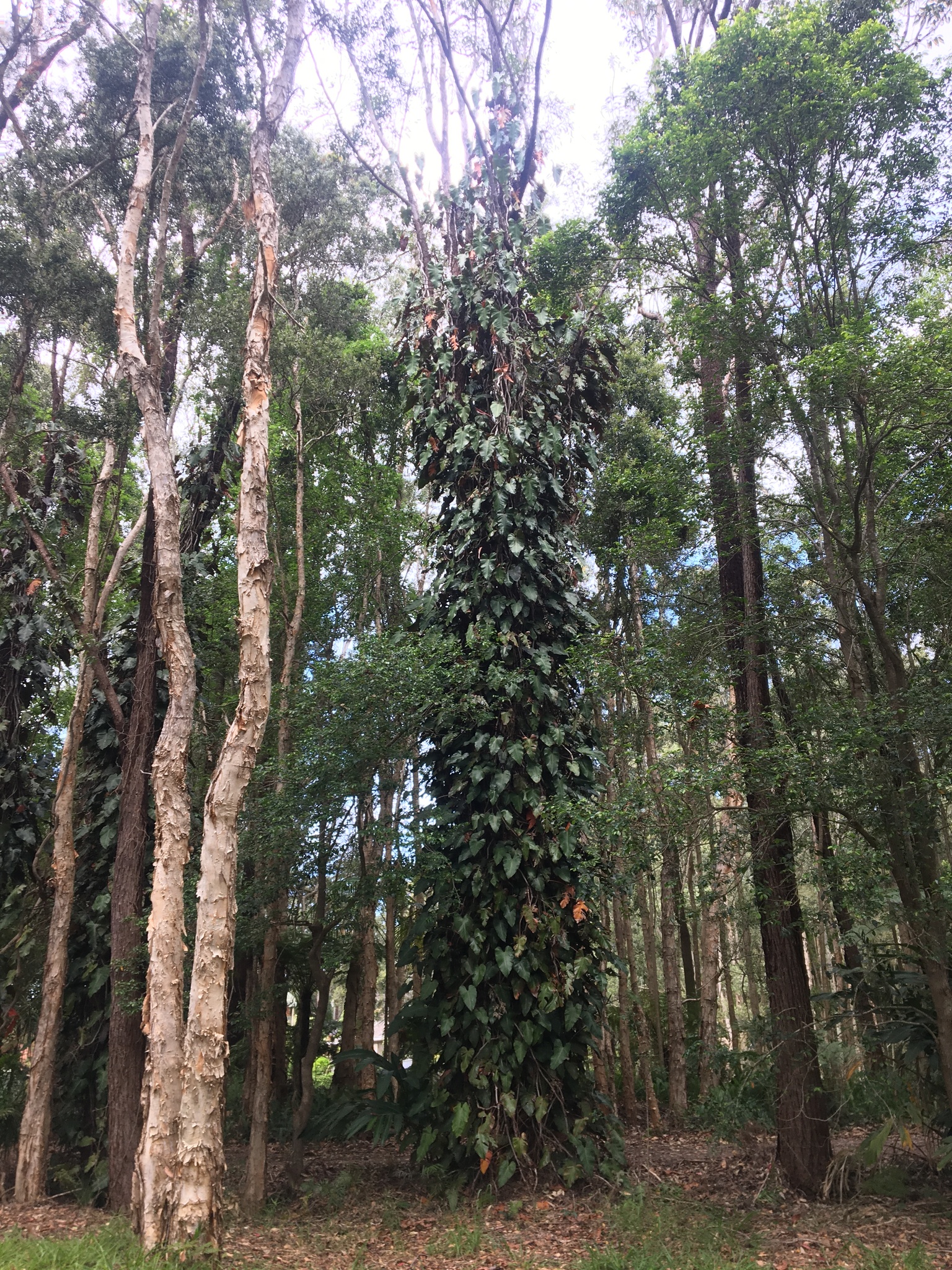
The documented native range of Philodendron erubescens lies in Colombia, in wet tropical conditions. Its climbing habit persists in cultivation: a stake or trellis allows the stems to grow upward. A plant grown without support spreads farther around its pot, so support affects the space it occupies indoors. 1 2
Indoors, strong indirect light suits blushing philodendron better than scorching sun. Warmth and humidity favor it, and cold drafts should be avoided. Its potting mix needs to hold moisture while allowing excess water to escape. Waterlogged soil encourages root rot, which explains the need for a container with drainage and no standing water around the roots. 2 5
Life cycle and reproduction
Blushing philodendron is an evergreen perennial. Flowering is reported in spring and summer, although it remains unusual indoors. Stem cuttings and air layering provide vegetative ways to propagate cultivated plants. Seed propagation and spring layering are also documented for the species. 2 4 3
The RHS genus guide includes Philodendron erubescens among houseplants and recommends repotting in spring when roots densely fill the container. That advice supplies the preferred repotting season in the calendar's original mainland French indoor context; repotting outside that season is not prohibited. The British guide places feeding in the active season, from spring through fall, provided the plant is actually growing. For the species, the RHS recommends a balanced liquid fertilizer once a month during growth, with less watering outside active growth. The recommendation specifies neither a concentration nor a numerical NPK formula. 7 3 4
The calendar retains its relative editorial indices for water and growth, originally set for an indoor plant in mainland France in the Northern Hemisphere. The calendar indices measure neither water volume nor biological growth rate. Repotting and feeding remain conditional on root crowding and actual growth. A warm, bright home can shift the seasonal pattern; readers in other climates should follow the plant's condition rather than assume the French months apply locally. 7 3
Uses and risks
Foliage is the main ornamental feature of blushing philodendron, usually trained as an indoor climber. Spotted leaves or damaged roots can accompany unsuitable growing conditions. Excess water and inadequate drainage encourage root rot in particular. Mealybugs, aphids and mites are among the reported pests. 2
Chewing blushing philodendron can irritate the mouth and digestive tract because its tissues contain calcium oxalate crystals. The risk concerns humans, including young children, as well as cats and dogs. Sap can irritate the skin, and eye contact should also be avoided. Wearing gloves when handling the plant and keeping it out of reach reduce opportunities for contact or ingestion. 2 3 4
The sources used do not establish a species-specific risk for horses. A gap in the evidence is not proof of safety.
Varieties and look-alikes
NC State Extension lists ‘Pink Princess’, with dark purple-green leaves variegated in pink, and ‘White Princess’, with white variegation, under Philodendron erubescens. The cultivar names identify particular cultivated selections rather than the whole species. 2
Philodendron ‘Prince of Orange’ is a complex hybrid whose ancestry includes P. erubescens and several other species, according to its original patent. Its compact rosette habit and orange young leaves that turn green characterize that hybrid. The hybrid’s features do not establish the same range of habits within P. erubescens alone. 8 9
Descriptions under ‘Red Emerald’ conflict. NC State Extension places it under P. erubescens as a climber with light green young leaves. UF/IFAS describes a self-supporting hybrid with dark red young leaves under the same name. Ornamental Garden Plants of the Guianas describes ‘Red Emerald’ as a hybrid with P. erubescens in its ancestry. The RHS retains an entry under the species but marks the name "Unresolved." These conflicting accounts do not support assigning one growth habit to every plant sold as ‘Red Emerald’. 2 9 10 11
Pothos (Epipremnum aureum) belongs to another genus. Grooved leaf stalks in pothos and the sheath protecting a philodendron's emerging leaf help distinguish pothos from heart-leaved philodendrons. Leaf stalk grooves and protective sheaths are genus-level features, independent of cultivar color. A pink or white leaf does not replace examination of the stem and leaf stalk. 4 2
Main sources
The French name "philodendron rougissant" appears in the florist.ch professional plant list. The botanical and horticultural references below document the species' identity, foliage and care.
- Plants of the World Online, Philodendron erubescens
- NC State Extension, Philodendron erubescens
- Royal Horticultural Society, Philodendron erubescens
- Clemson Cooperative Extension, Philodendron, Pothos & Monstera
- Port St. Lucie Botanical Gardens, Blushing Philodendron
- florist.ch, Liste des plantes CFC 2024
- Royal Horticultural Society, How to grow philodendrons
- Howard N. Miller, patent USPP6797P, Philodendron plant named Prince of Orange
- UF/IFAS, Cultural Guidelines for Commercial Production of Interiorscape Philodendron
- Smithsonian Institution, Ornamental Garden Plants of the Guianas, part 3
- Royal Horticultural Society, Philodendron erubescens 'Red Emerald'
Frequently asked questions
How do you identify blushing philodendron?
Purple-red young stems and leaf stalks, together with green leaves often coppery beneath, provide the main clues. Leaf color and shape vary among cultivars.
Is Pink Princess another name for the species?
Pink Princess is a cultivar listed under Philodendron erubescens, recognized by its pink variegation. The name does not describe every plant of the species.
Is blushing philodendron toxic to cats?
The plant poses a risk to cats and dogs. Its calcium oxalate crystals irritate tissues when chewed, so keep it out of their reach.
Does blushing philodendron need a support?
The species climbs and can be trained on a stake or trellis. Without support, it takes up more space around the pot.
How often should you fertilize Philodendron erubescens?
Monthly feeding with a balanced liquid fertilizer is documented during growth. This recommendation establishes neither a precise concentration nor a numerical NPK formula.
Similar plants
If you are unsure about a plant’s toxicity, ask a botanist or veterinarian for advice.