
Lesser periwinkle (Vinca minor, )
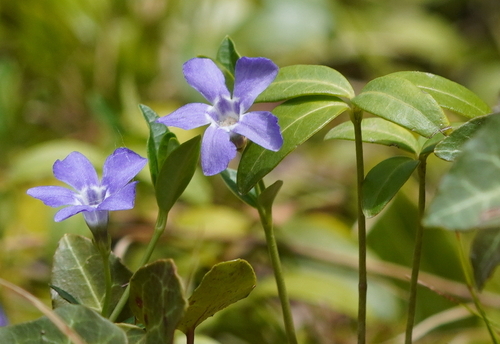
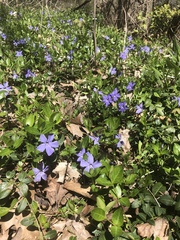
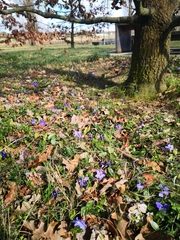
Lesser periwinkle (Vinca minor L., 1753) is a trailing perennial in the Apocynaceae family, native to central and southern Europe east to the Caucasus. Evergreen foliage and stems that root at each node make it a widely used ground cover for shady temperate gardens.
Read moreLesser periwinkle, Small periwinkle, Dwarf periwinkle, Myrtle, Common periwinkle and Creeping myrtle
Place in indirect light or in a shaded room.
Partial to deep shade; tolerates full sun in cool climates
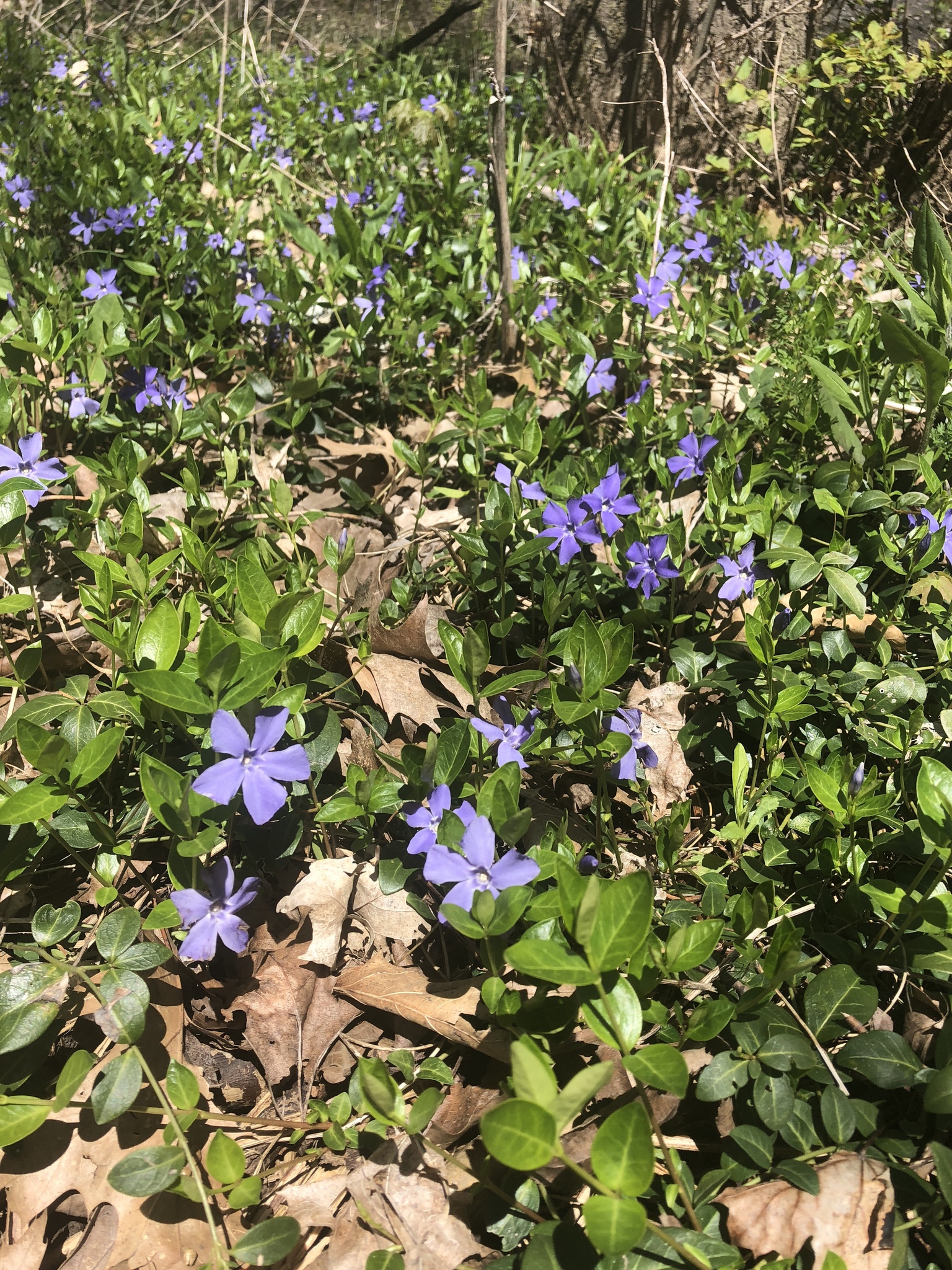
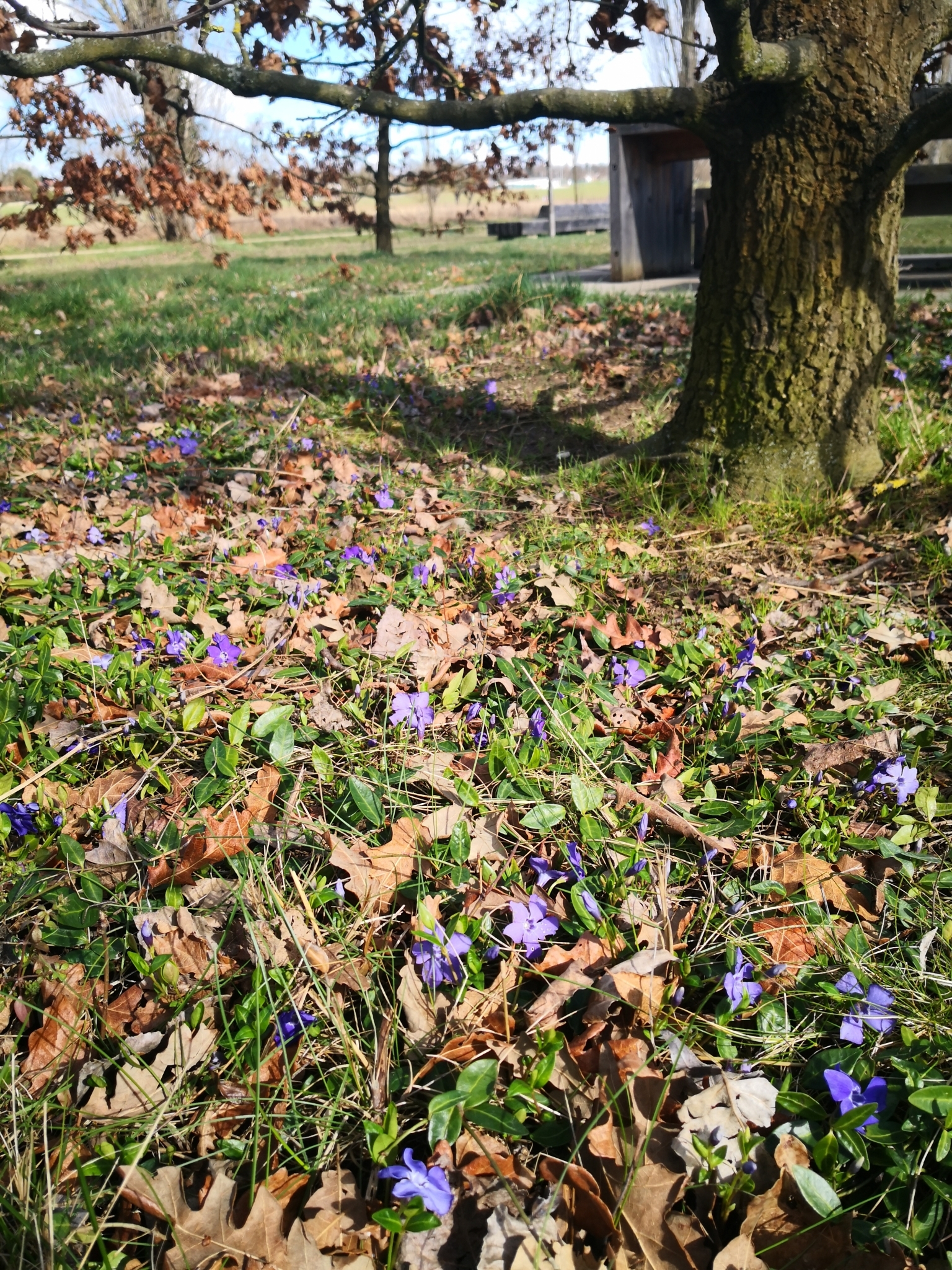


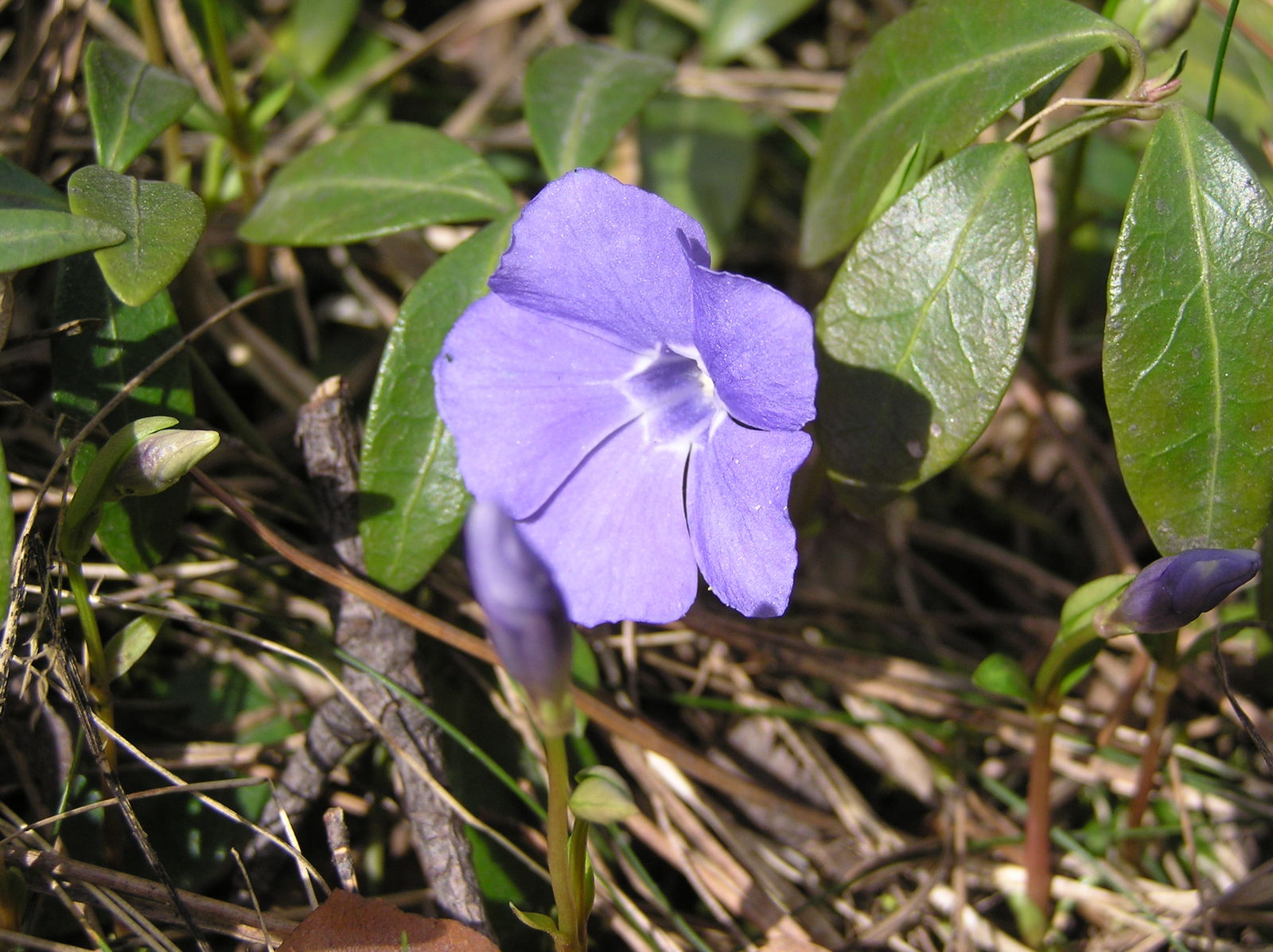
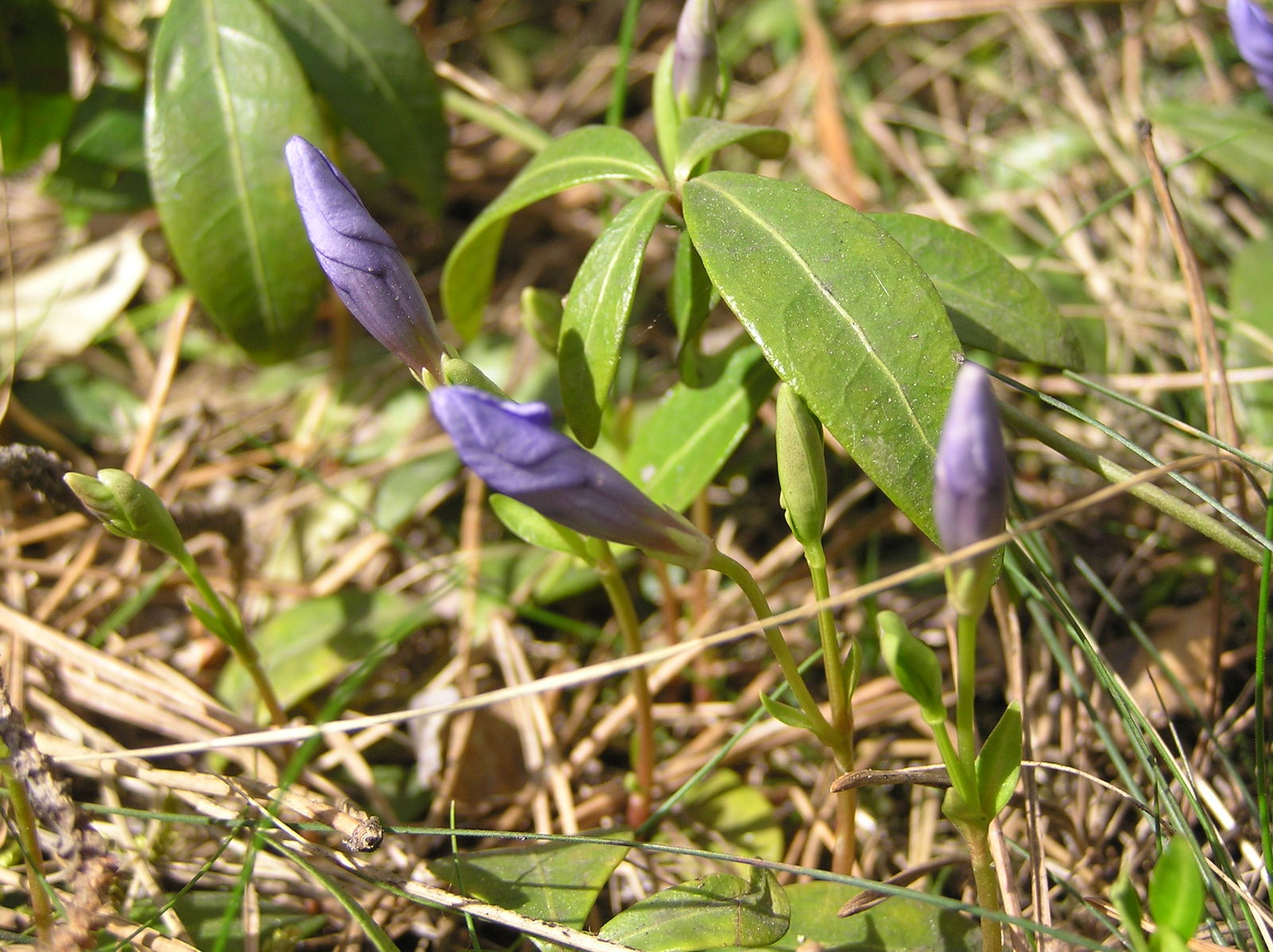
© photo
(c) Wolfgang Bacher, some rights reserved (CC BY-NC), uploaded by Wolfgang Bacher · cc-by-nc
iNaturalist User · cc0
Neil Robertson · cc-by
Taken Sep 5, 2019 by Waldemar Zeja (cc-by-sa)
Taken Feb 21, 2017 by Yoan MARTIN (cc-by-sa)
Taken Apr 20, 2022 by Jim Knopf (cc-by-sa)
Taken Nov 3, 2017 by Eva Sebrechts (cc-by-sa)
© copyright of the Board of Trustees of the Royal Botanic Gardens, Kew.


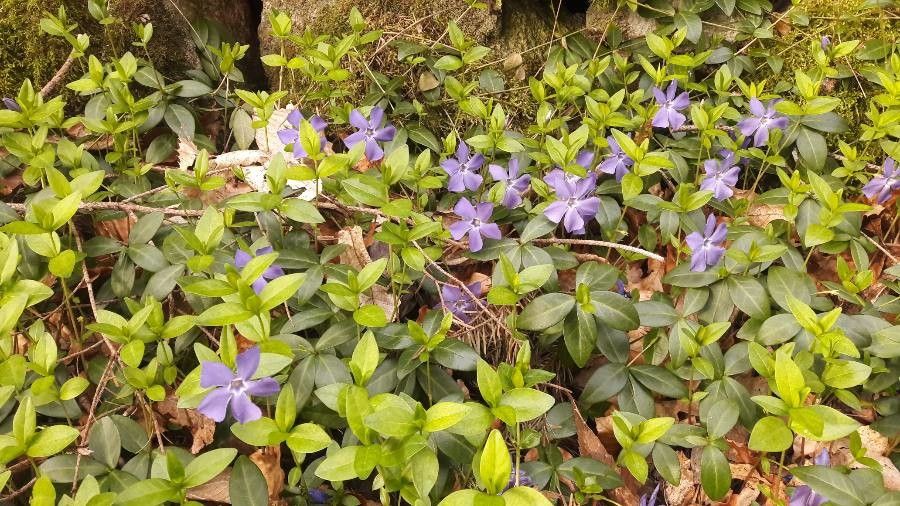


Global distribution
According to POWO, Vinca minor is native to central and southern Europe, from Portugal and France north to the Netherlands and Baltic countries, east to the Caucasus, and into southwestern Turkey. Introduced far beyond this range as an ornamental, it is widely naturalized and considered invasive in several regions of North America.
- Native4
- Introduced2
- Invasive1
- France
- Italy
- Portugal
- Turkey
- Canada
- New Zealand
- United States
Hexagons: regions where the plant occurs. Green dots: native range.1
Identity
Lesser periwinkle (Vinca minor L., 1753), also known as small periwinkle or dwarf periwinkle, is a perennial in the genus Vinca, family Apocynaceae. Native to central and southern Europe east to the Caucasus, it is now grown far beyond that range, including North America and New Zealand. Widespread naturalization has made it an invasive woodland plant in parts of its introduced range. 1 6
The name Vinca may come from Latin vincire, “to bind,” referring to pliable stems once woven into wreaths. Another proposed origin is vincere, “to prevail,” describing evergreen foliage that persists through winter while nearby deciduous perennials rest. The French name pervenche derives from late Latin pervinca, probably a shortened form of the same root. 8
North American gardeners also use creeping myrtle, myrtle and common periwinkle. The myrtle names can be misleading: true myrtle (Myrtus communis) belongs to the Myrtaceae and has no close botanical relationship to lesser periwinkle. 6
Recognition
Trailing, woody-based shoots make lesser periwinkle a creeping subshrub. Each stem roots wherever it touches soil, gradually closing into a dense carpet through natural layering. It rarely exceeds 40 cm (16 in) in height and never twines or climbs around a support as a true vine would. 6
Opposite, glossy dark green leaves measure 2–4.5 cm (0.8–1.8 in) long and 1–2.5 cm (0.4–1 in) wide. Their edges are entire and smooth. This detail separates the species from Vinca major, whose broader leaves have clearly visible hairs along the margins. 6
Solitary flowers open in the leaf axils mainly from early spring to midsummer, with occasional blooms continuing into fall. Usually blue-violet, but white or pale in some garden selections, they measure 2–3 cm (0.8–1.2 in) across and have five asymmetrical corolla lobes. The fruit consists of paired follicles about 2.5 cm (1 in) long, containing many small seeds. 6
Useful taxonomy
For lesser periwinkle, POWO accepts Vinca minor L., published by Linnaeus in 1753. It belongs to the Apocynaceae family within the order Gentianales, providing a stable scientific identity behind several overlapping common names. 1
“Periwinkle” and “vinca” can refer to quite different plants. Greater periwinkle (Vinca major) belongs to the same genus but is larger throughout, with broad, hairy-edged leaves. Catharanthus roseus, often sold as “annual vinca,” belongs to another genus entirely. Its alkaloids, rather than those of lesser periwinkle, supplied the chemotherapy drugs vinblastine and vincristine. 6
Habitat and range
Central and southern Europe form the core native range, stretching from Portugal and France north to the Netherlands and Baltic countries, east to the Caucasus, and into southwestern Turkey. This geographical range is distinct from the much broader area where the plant has been introduced for gardens. 6
Within France, lesser periwinkle is native and common in deciduous woods, hedges and parks up to 1,300 m (4,300 ft) elevation. The INPN gives it a national Red List status of Least Concern (LC); this describes its French conservation status. 7
North American introductions have formed dense carpets that suppress native woodland herbs. The evergreen cover that helps protect European woodland soils from erosion can become problematic elsewhere. Several wooded U.S. states consider it an invasive plant of the forest floor. 6
European woodland colonies can also offer an archaeological clue. A carpet of lesser periwinkle often marks a former inhabited or cultivated site, sometimes abandoned centuries ago, surviving long after other visible traces have disappeared. 9
Life cycle and reproduction
Spring and summer bring the main flowering period, followed by scattered flowers into fall where the climate permits. After pollination, paired elongated follicles release numerous small seeds. Nevertheless, vegetative spread remains the dominant means of expansion both in the wild and in gardens. 6
Nodes on creeping stems root naturally on contact with the ground, establishing in 2–4 weeks. This layering allows a colony to expand without assistance. Healthy soil and suitable light can produce a closed carpet within 2–3 growing seasons; compact, excessively lime-rich soil slows establishment and causes patches of yellow foliage. To preserve a particular cultivar, gardeners generally use division of established clumps or stem cuttings in late summer. 4
Uses and risks
Evergreen ground cover is the principal garden use of lesser periwinkle. It clothes banks, covers shady woodland ground and shelters spring bulbs beneath foliage that remains present throughout the year, making it useful where seasonal gaps would otherwise leave bare soil. 3
More than fifty indole alkaloids occur in the plant. Vincamine makes up about 10% of the total and is used in adult medicine as a cerebral vasodilator. PFAF warns that large quantities of the plant are toxic when swallowed, causing digestive disturbances. 4
Severe poisoning in pets is reported rarely because bitter foliage discourages large intakes. Reported cases generally involve vomiting and a slight drop in blood pressure, with effects lasting only a few hours. This moderate toxicity differs from the potent cytotoxic action of the dimeric alkaloids vinblastine and vincristine in Catharanthus roseus, used in chemotherapy rather than for vincamine's vasodilator role. 6
Varieties, look-alikes and related plants
RHS Award of Garden Merit selections include Argenteovariegata, with cream-white leaf margins; Atropurpurea, with dark purple flowers; Azurea Flore Pleno, with double blue blooms; Bowles's Variety, with vivid blue-violet flowers; and Ralph Shugert, with variegated foliage. These selections offer different combinations of leaf pattern and flower color. 2
Greater periwinkle (Vinca major) is the closest look-alike, with much larger leaves and flowers and hairs along the leaf margins that lesser periwinkle lacks. A second source of confusion is the bedding plant Catharanthus roseus, sold under the name “annual vinca.” Checking the scientific name distinguishes the trailing perennial Vinca minor, with moderate toxicity, from the bedding annual with cytotoxic alkaloids. 6
Main sources
- Plants of the World Online / Kew, Vinca minor L.
- Royal Horticultural Society, Vinca minor
- Missouri Botanical Garden Plant Finder, Vinca minor
- Plants For A Future, Vinca minor - Lesser Periwinkle
- NC State Extension Gardener Plant Toolbox, Vinca minor
- Wikipedia (EN), Vinca minor
- INPN / MNHN, Vinca minor L., 1753, lesser periwinkle
- Monaco Nature Encyclopedia, Vinca minor
- Wikipedia (FR), lesser periwinkle
Frequently asked questions
Is lesser periwinkle the same as the vinca sold in garden centers?
Not always. In garden centers, vinca often means Catharanthus roseus, an annual bedding plant with larger flowers. Vinca minor is a trailing evergreen perennial in a different botanical genus.
Is Vinca minor poisonous?
It contains more than fifty alkaloids, including vincamine, and eating large amounts causes digestive upset. Severe poisoning in pets remains rare because the bitter leaves discourage heavy consumption.
How can you tell Vinca minor from Vinca major?
Vinca major is larger in every part, with broader leaves and visible hairs along the margins. Vinca minor has smooth, hairless leaf edges and rarely exceeds 40 cm (16 in) in height.
Is lesser periwinkle invasive?
In France it is native, and the INPN lists it as Least Concern. In North America, where it was introduced, it can form dense carpets that suppress native plants and is considered an invasive woodland species.
What conditions does lesser periwinkle need?
It grows in ordinary to humus-rich, well-drained soil in partial to deep shade. Once established it tolerates drought; standing water and compact, lime-rich soil are its main difficulties.
What is the easiest way to propagate lesser periwinkle?
Divide established clumps in spring or fall. A stem section already rooted at a node can be transplanted directly, without first growing it in a pot.
Similar plants
If you are unsure about a plant’s toxicity, ask a botanist or veterinarian for advice.