
Japanese maple (Acer palmatum, )
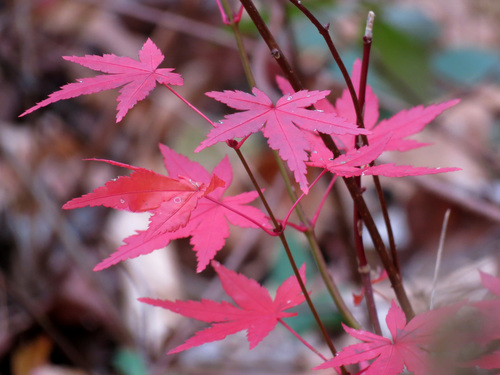
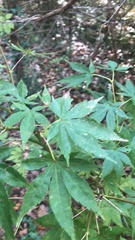
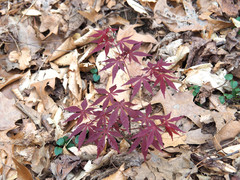
Japanese maple (Acer palmatum Thunb., 1784) is a small deciduous tree in the Sapindaceae, admired for its palmate leaves and autumn color. Its strictly defined native range lies in southwestern Korea and central to southern Japan. Horticultural accounts often use a broader East Asian range for cultivated plants.
Read moreJapanese maple, Smooth Japanese maple and Momiji
Allow a few hours of direct sun per day, preferably morning or evening.
Light shade or gentle sun
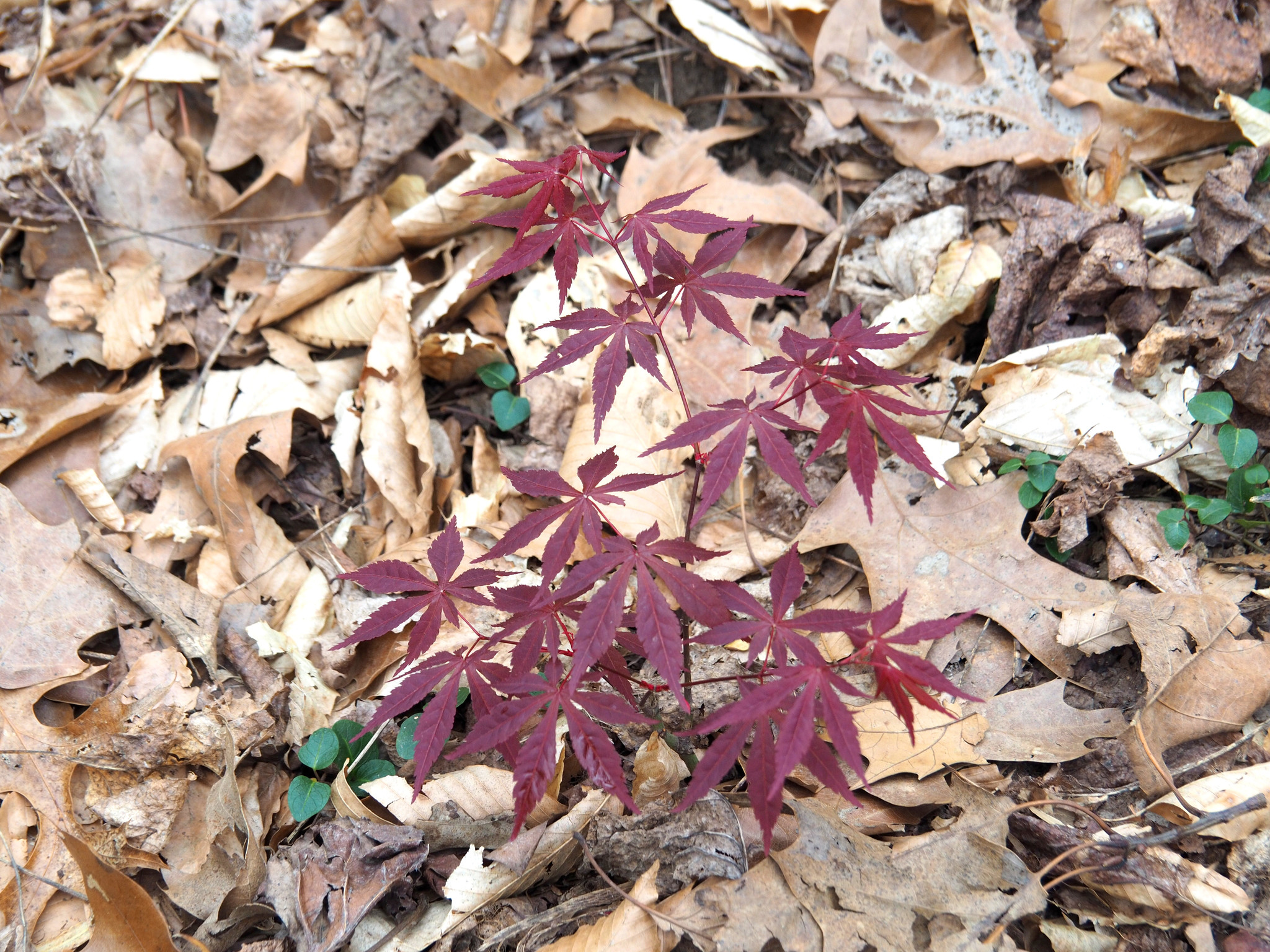


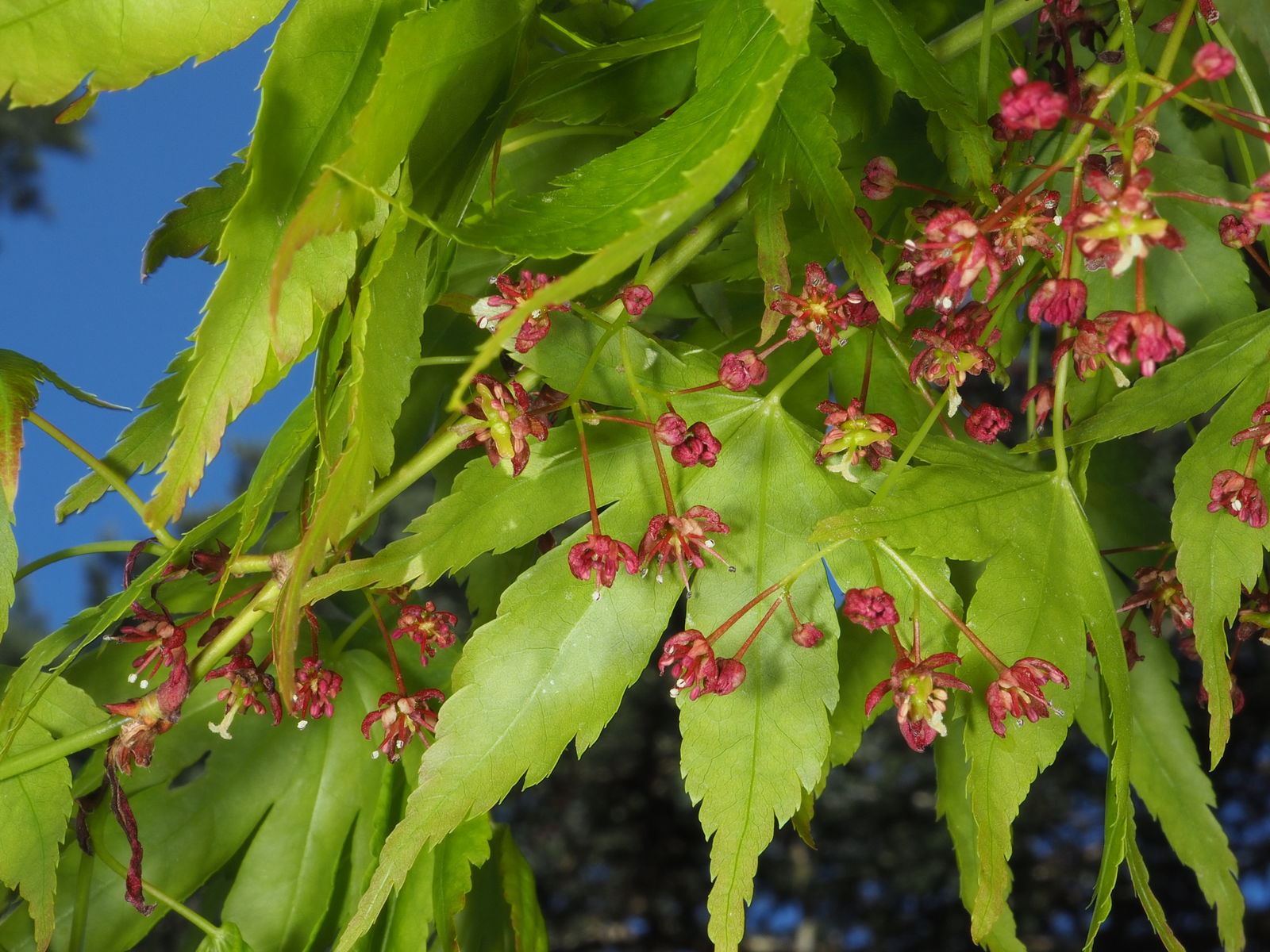
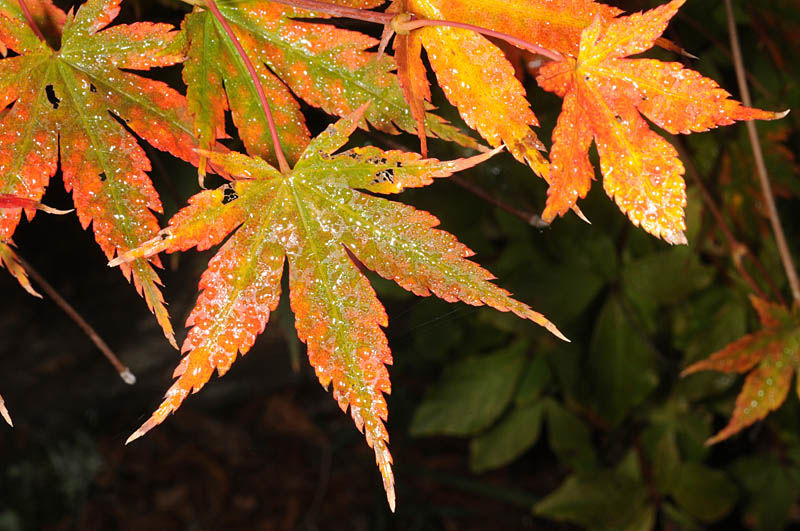
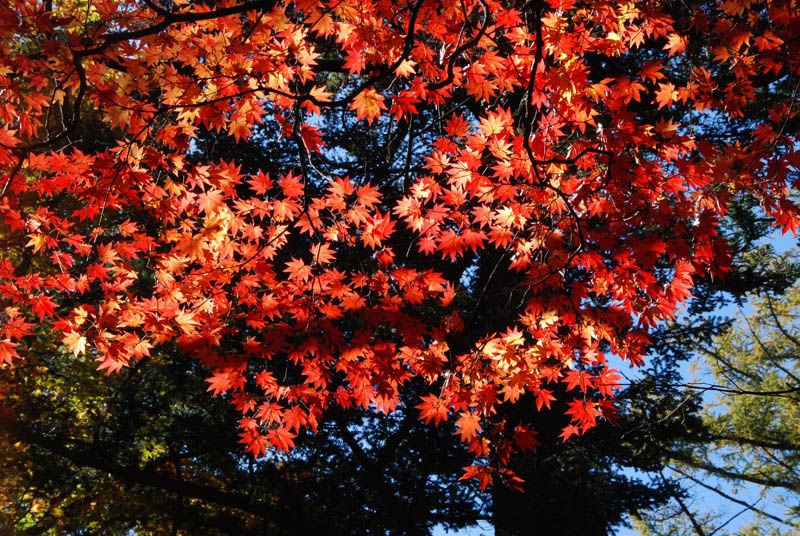
© photo
(c) Katja Schulz, some rights reserved (CC BY) · cc-by
Offkey · cc0
Katja Schulz · cc0
Taken Sep 23, 2019 by Nana Beverly (cc-by-sa)
Taken Apr 22, 2015 by Tela Botanica − fr (cc-by-sa)
Taken Jun 6, 2013 by Tela Botanica − eschbach (cc-by-sa)
Taken May 27, 2015 by Tela Botanica − Ambrogio Zanzi (cc-by-sa)
Taken Jun 12, 2022 by John Sycorax (cc-by-sa)
© copyright of the Board of Trustees of the Royal Botanic Gardens, Kew.




Global distribution
POWO/WCVP restricts the native range to southwestern Korea and central to southern Japan. RHS, NC State and EPPO use broader horticultural ranges in which China, Korea and other East Asian regions may represent cultivation, introductions or a broad interpretation of the group.
- Native2
- Invasive1
- Central and southern Japan
- Southwestern Korea
- United States, Virginia and District of Columbia
Hexagons: regions where the plant occurs. Green dots: native range.1
Identity
Japanese maple (Acer palmatum Thunb., 1784) is an accepted species of Acer in the Sapindaceae. POWO/WCVP links the name to its publication in 1784. The binomial identifies this particular maple within a much wider assortment of Asian maples grown for ornamental foliage. 1 5
Also called smooth Japanese maple, it is often associated with the Japanese word momiji. That culturally familiar name can apply more broadly to maples admired for their autumn colors, rather than exclusively to this species. EPPO records several French common names, but Acer palmatum remains the precise botanical reference. 5
The epithet palmatum describes the hand-shaped leaf: its lobes radiate from the leaf stalk like fingers. This shape contributes greatly to the species’ horticultural appeal. Selected cultivars add finer divisions, weeping habits or colored shoots to the basic palmate form. 4 2
Recognition
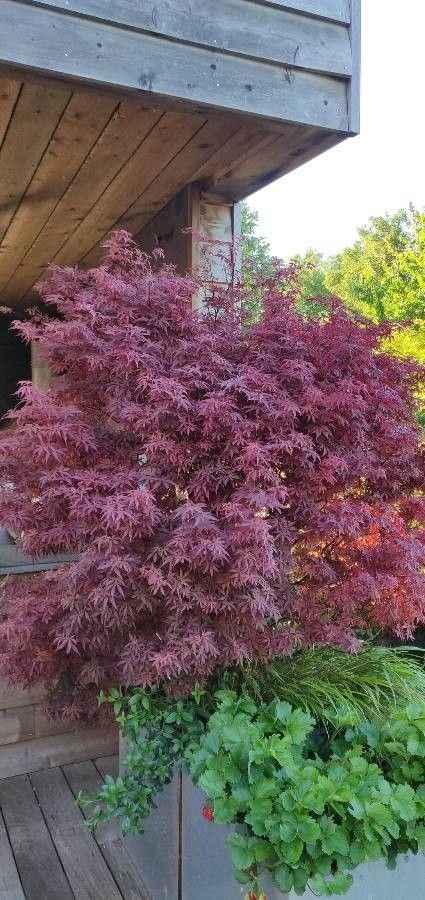
A small deciduous tree or large shrub, Japanese maple often develops a rounded, dense crown with layered branches. RHS describes it as variable in form, bearing deeply lobed leaves, small red flowers in local spring and then red or green winged fruits. Its appearance changes considerably between cultivars. 2
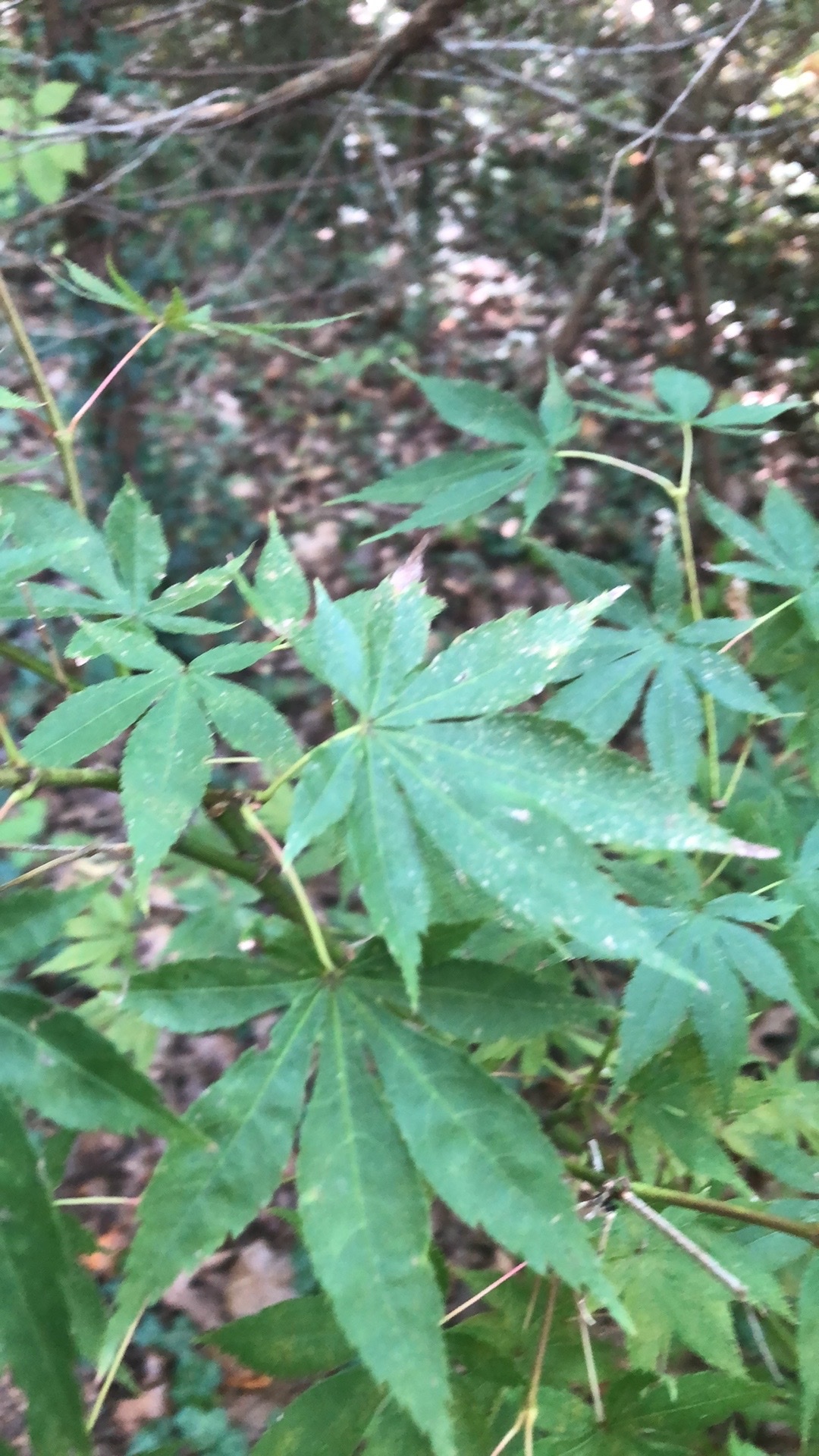
Leaves are opposite, simple and palmate, commonly with five to nine lobes. NC State gives a leaf size of about 5–13 cm (2–5 in). Slender shoots range from green to red and can be strongly colored in some cultivars. Leaf color alone does not establish a cultivar’s identity: season, heat, shade and water stress all affect it. 4
Flowers are small and easily overlooked from a distance, described as red, purple or yellowish in horticultural accounts. The fruits are paired samaras, a pair of winged fruits, often reddish before turning brown. Winged fruits are a more dependable maple character than autumn color alone. 4 2
Taxonomy and names
The accepted name is Acer palmatum Thunb. EPPO places it in Sapindales, Sapindaceae, subfamily Hippocastanoideae, genus Acer. POWO also accepts the name and associates the species with the temperate biome. These classifications connect the garden tree with its current botanical placement. 5 1
Historical or horticultural names on labels and in databases include Acer polymorphum, Acer formosum, Acer jucundum, Acer decompositum, Acer ornatum and Acer pinnatifidum. Their appearance does not by itself establish a different species; their relationship to the accepted name requires taxonomic checking. 2 4 5
Cultivar names account for much of the apparent complexity. Dissectum, Atropurpureum, Bloodgood, Sango-kaku and Osakazuki describe horticultural forms rather than separate species. A seedling of Acer palmatum may be attractive, but it does not reliably reproduce the characters of a named cultivar. 3 4
Habitat, range and status
POWO/WCVP defines the native range narrowly as southwestern Korea and central to southern Japan, within the temperate biome. Some horticultural descriptions extend the range to China, the whole of Korea, eastern Russia or Mongolia. Those broader accounts differ from this stricter taxonomic treatment. 1 4
RHS gives a wider plant range including Japan, central China and Korea, while EPPO notes extensive cultivation in China and Korea. A horticultural range can therefore encompass cultivated plants and introductions as well as strictly native populations. These categories should remain distinct when describing where the tree comes from. 2 5
Grow it with the conditions of a small understory tree in mind: filtered light, moist, humus-rich but well-drained soil, and shelter from drying winds. Taller trees can provide useful protection. A bright, sheltered courtyard can also suit it when the roots retain moisture without becoming waterlogged. 3 4
Life cycle, cultivation and uses
Leaf emergence begins in local spring, followed by small flowers and developing samaras. The strongest display often comes in autumn. Young leaves are vulnerable to late frost; morning sun following a cold night can worsen scorch. Protection matters most when new foliage is expanding under those conditions. 3 4
Keep the soil moist but well drained. RHS notes that partial shade often improves foliage color, although full sun can be tolerated in suitable conditions. Too little water, drying wind, drought and excessive sunshine can cause leaf scorch. Adjust exposure and moisture to the actual site rather than relying on leaf color alone. 2 4
Ornamental uses include specimen planting, woodland gardens, Japanese gardens, sheltered courtyards, large containers and bonsai. Cultivars are generally grafted to preserve their habit and color. Softwood cuttings are also used, while seed propagation produces variable plants. Choose the method according to whether a particular named clone must be maintained. 2 4
Risks, toxicity and invasiveness
Species-specific safety is uncertain. No dedicated ASPCA entry for Acer palmatum was found among the references used, and the ASPCA list is not exhaustive. It lists Amur maple (Acer ginnala) as nontoxic to dogs and cats, while noting concerns about other maples in horses. A different maple’s status does not settle the status of Japanese maple. 6 7
Red maple (Acer rubrum) is an important comparison. ASPCA lists it as toxic to horses, particularly through wilted leaves, while classing it as nontoxic to dogs and cats. This does not demonstrate the same toxicity in A. palmatum, but it prevents treating all maples as safe for horses. 8
Do not treat leaves, samaras or shoots as food. Watch cats and dogs that chew the plant, and keep wilted maple leaves away from horses unless a local veterinarian advises otherwise. These precautions preserve the distinction between uncertain species-specific evidence and a proven risk in another maple. 8 6
NC State reports that Japanese maple can self-seed and become weedy in landscapes, with a listing in Virginia and the District of Columbia. This does not establish an invasive designation for mainland France, where the species is principally ornamental. Monitor self-sown seedlings and keep any regional classification tied to the place concerned. 4 5
Cultivars and look-alikes
Numerous cultivars are sold as Japanese maples. RHS names Burgundy Lace, Orange Dream, Osakazuki, Shin-deshōjō, Inaba-shidare, Katsura, Bloodgood and Sango-kaku in its guide. NC State also lists Crimson Queen, Garnet, Seiryu, Waterfall and Sharp’s Pygmy among many named selections. 3 4
Atropurpureum and Dissectum require particular care on labels. The former often refers to purple foliage; the latter to deeply divided leaves, frequently combined with a weeping habit. They provide horticultural clues when buying, but are not sufficient taxonomic guarantees on their own. 2 4
Other Asian maples sold as Japanese maples, notably Acer japonicum and Acer shirasawanum, can be confused with A. palmatum, as can unnamed seedlings of the species. Check the cultivar name, lobe shape, growth habit, shoots and nursery provenance. These details are often more useful than a single photograph of autumn foliage. 3 5
Main sources
- Plants of the World Online / Kew, Acer palmatum Thunb.
- Royal Horticultural Society, Acer palmatum
- Royal Horticultural Society, Japanese maples guide
- NC State Extension Gardener Plant Toolbox, Acer palmatum
- EPPO Global Database, Acer palmatum (ACRPA)
- ASPCA, Toxic and Non-Toxic Plants List
- ASPCA, Amur Maple toxicity entry
- ASPCA, Red Maple toxicity entry
Frequently asked questions
Are Japanese maples always red?
No. The species and its cultivars can have green, red, purple, yellow or orange leaves, depending on the clone and season. Green leaves do not rule out Acer palmatum.
Is Japanese maple toxic to cats or dogs?
No dedicated ASPCA entry for Acer palmatum was found in the references consulted. Absolute safety is therefore not established. Prevent nonfood ingestion and watch for digestive upset.
Why do the leaves scorch in summer?
RHS and NC State associate leaf scorch with too little water, excessive exposure, wind or drought. Light shade and consistently moist soil are the main remedies.
Can Japanese maple grow in a container?
Yes, especially compact cultivars. Keep the growing medium moist but well drained and protect it from burning sun, drying wind and late frost on young leaves.
Do named cultivars come true from seed?
Seedlings vary. To preserve Bloodgood, Sango-kaku or a dissectum form, horticultural propagation mainly uses grafting and sometimes softwood cuttings.
Is Japanese maple invasive in France?
No invasive status is established for mainland France. NC State reports self-seeding and a listing in Virginia and the District of Columbia, but those regional observations do not automatically apply to France.
Similar plants
If you are unsure about a plant’s toxicity, ask a botanist or veterinarian for advice.