
Neem (Azadirachta indica, )
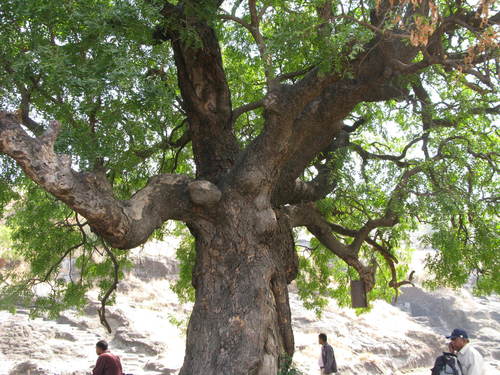
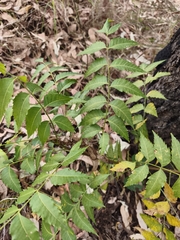
Neem (Azadirachta indica A.Juss.) is an evergreen tree in the Meliaceae, native to northeastern India and Indochina according to POWO. Cultivated across almost the entire tropical belt for shade, timber and insecticidal seed oil, it poses little risk in ordinary contact, while swallowing concentrated seed oil is documented as dangerous.
Read moreNeem, Neem tree, Margosa and Indian lilac
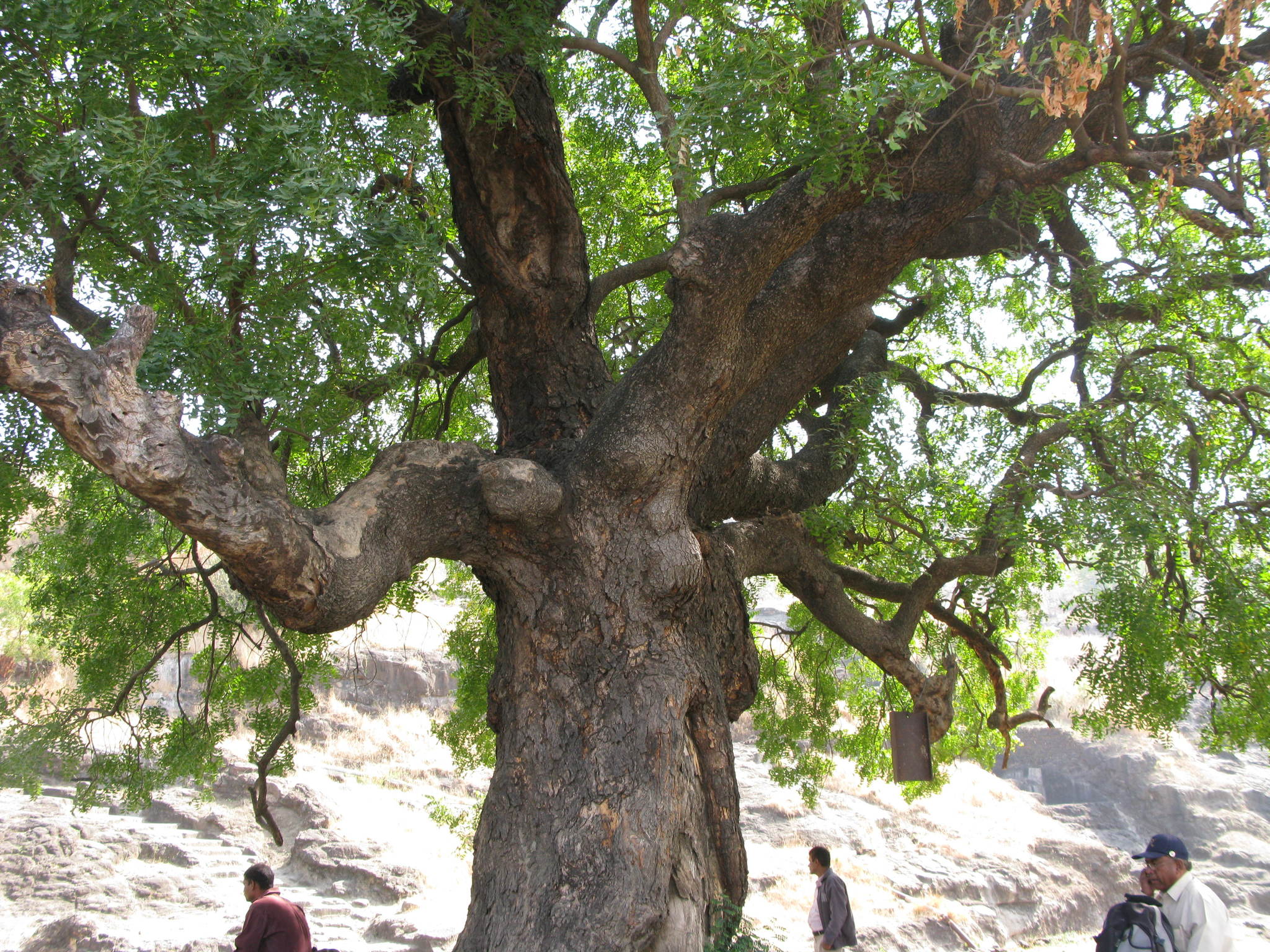
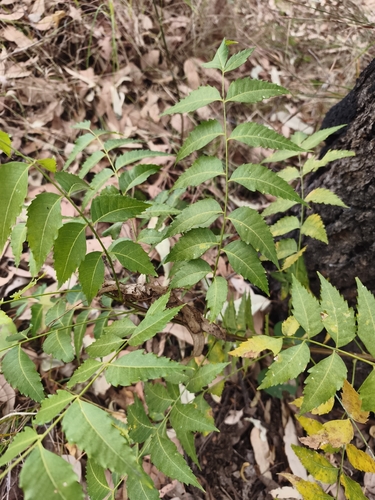


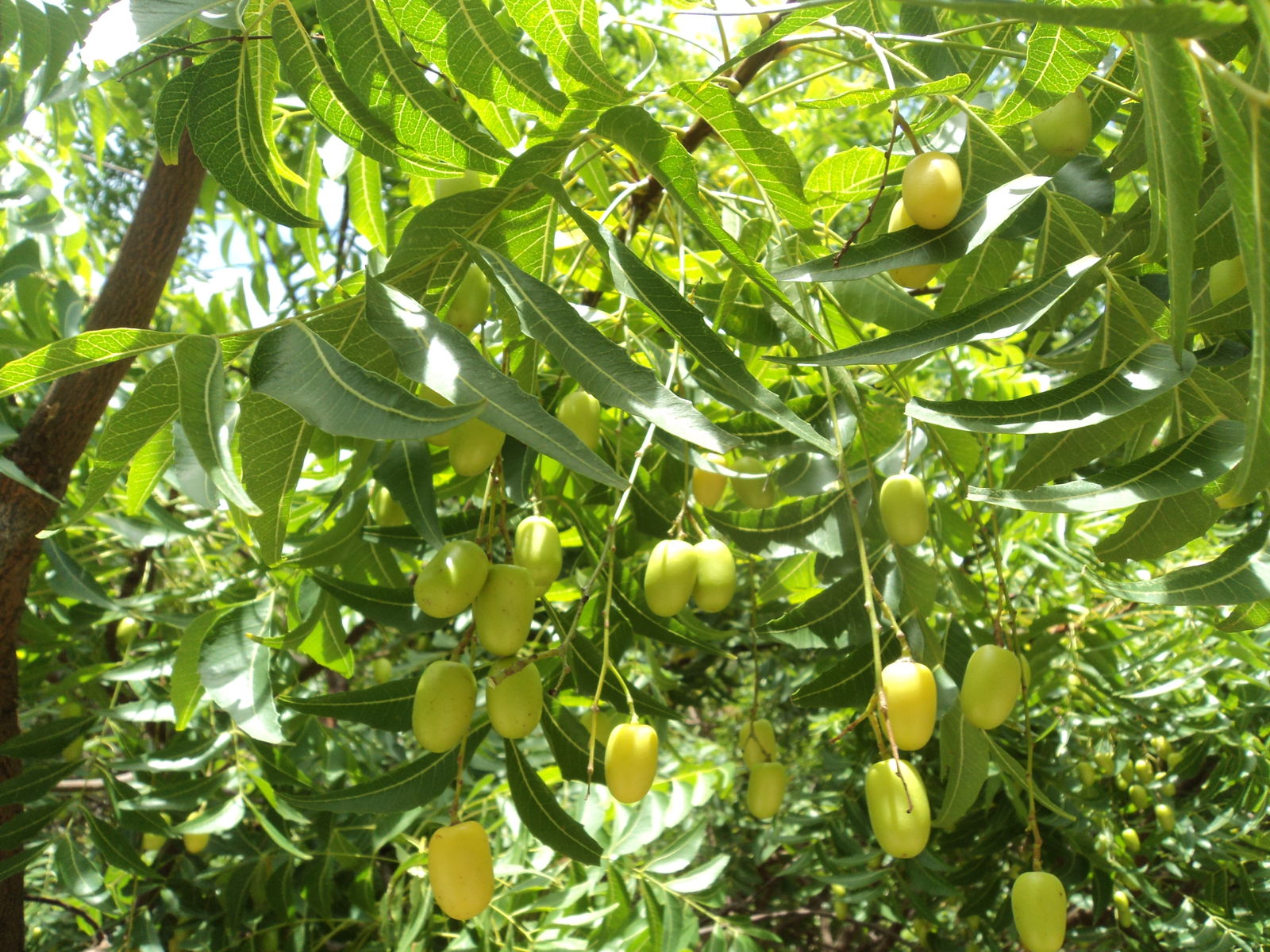
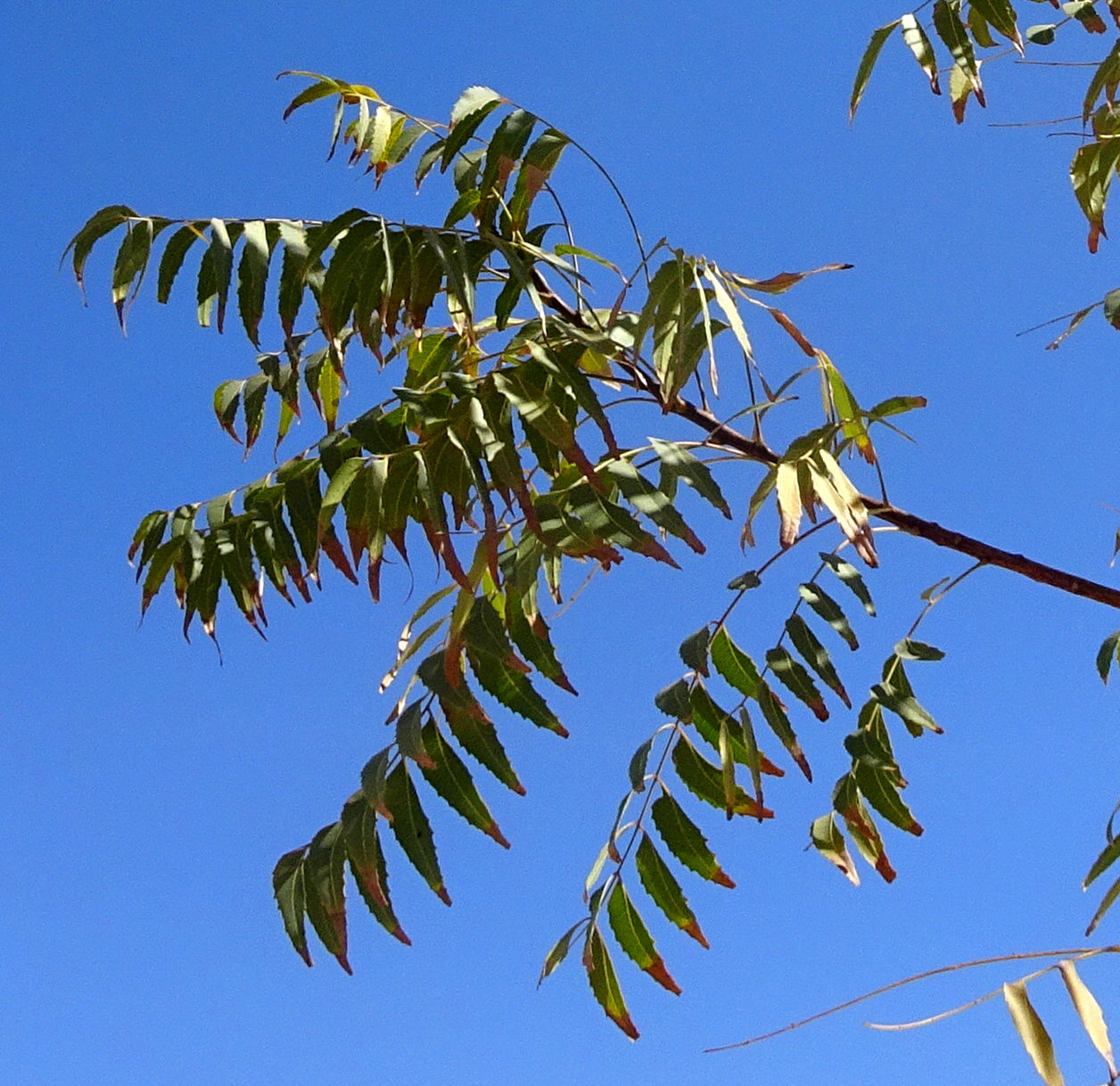
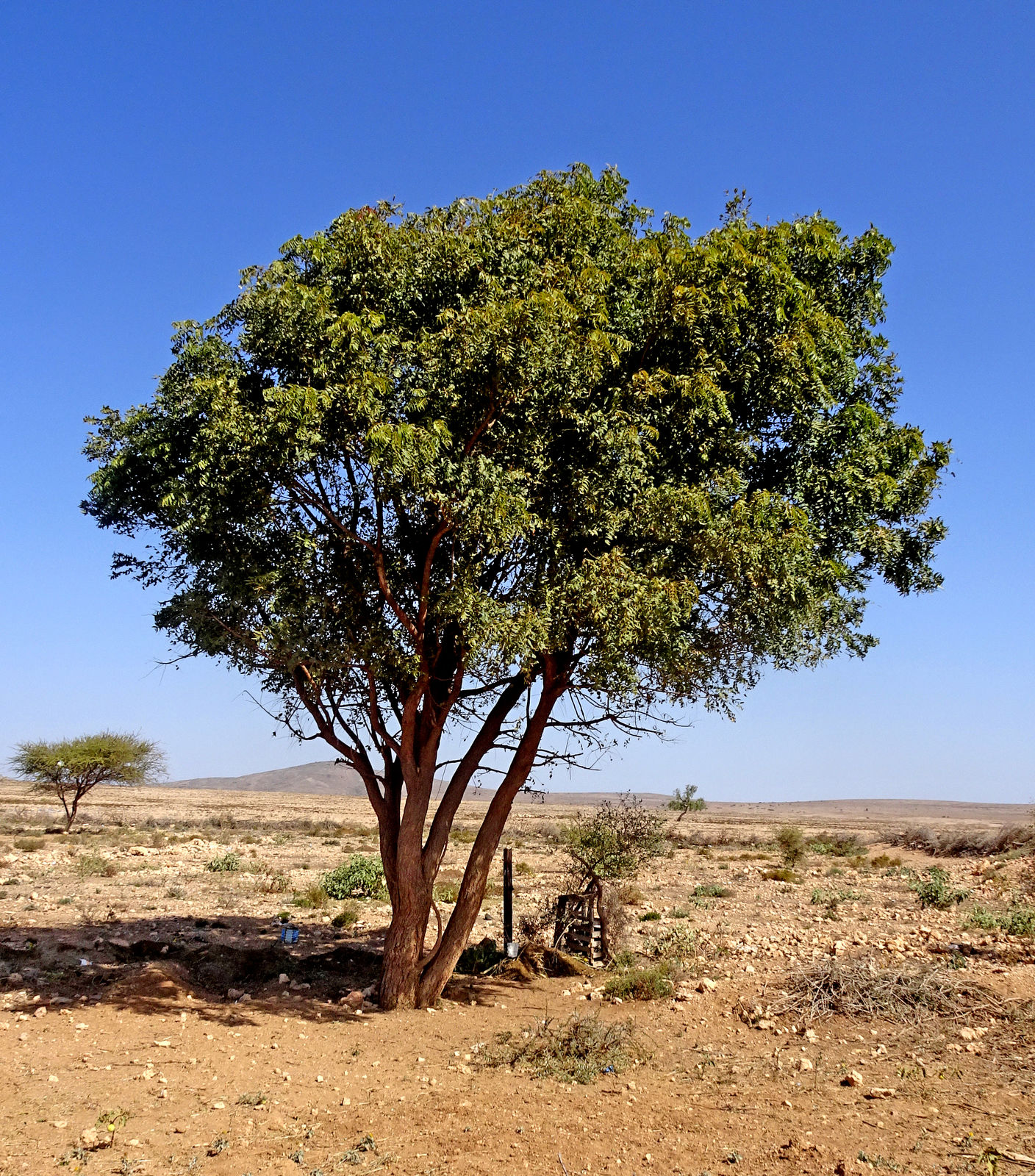
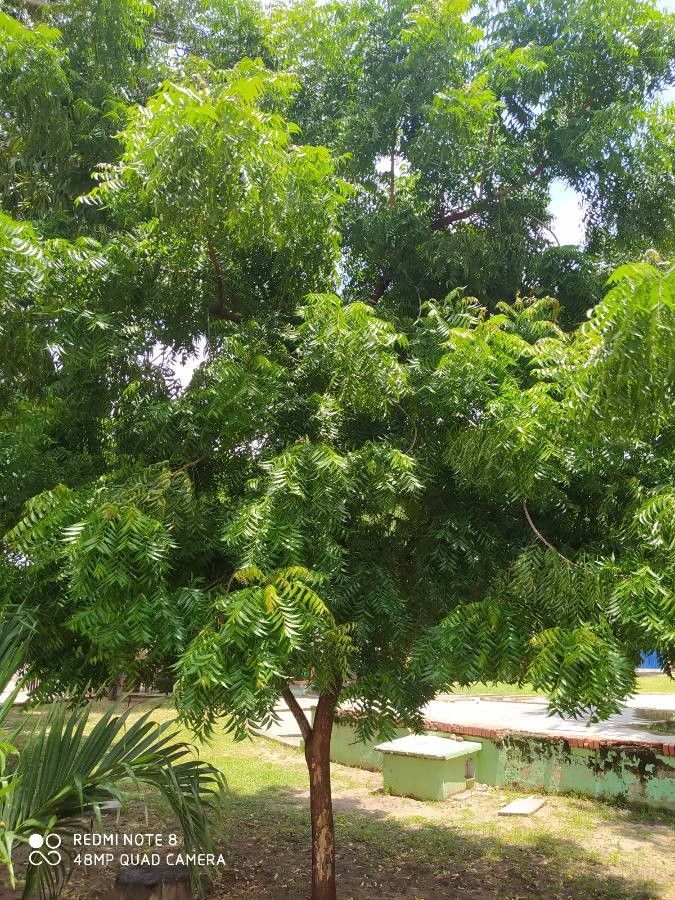
© photo
Yoav Daniel Bar-Ness · cc-by
Mark McVeigh · cc0
Taken Jun 7, 2018 by Nelson Zamora Villalobos (cc-by-nc)
Taken Jun 10, 2021 by A.M. Moon (cc-by-sa)
Taken May 21, 2022 by María Alberdi (cc-by-sa)
© copyright of the Board of Trustees of the Royal Botanic Gardens, Kew.




Global distribution
POWO places the strictly native range of Azadirachta indica from Assam to southern Indochina. Other sources include the entire Indian subcontinent and mainland Southeast Asia, where long cultivation makes the precise native boundary disputed. Naturalized through much of the tropics, it is locally invasive, particularly in northern Australia.
- Native5
- Introduced2
- Invasive1
- Northeastern India (Assam)
- Myanmar
- Bangladesh
- Sri Lanka
- Pakistan
- Sub-Saharan Africa
- Caribbean
- Australia (Northern Territory)
Hexagons: regions where the plant occurs. Green dots: native range.1
Identity
Neem (Azadirachta indica A.Juss., 1830), called margousier in French, is an evergreen tree in the mahogany family, Meliaceae. Its genus contains only two recognized species, Azadirachta indica and Azadirachta excelsa. The latter is restricted to island Southeast Asia and rarely cultivated beyond its range. 1 2
The genus name comes from Persian azad darakht, “free tree” or “noble tree,” while indica refers to India. Neem derives from Sanskrit nimba through Hindi nim. French margousier may come from Portuguese amargoso, “bitter,” aptly describing its leaves, bark and seeds. 4
Recognition
Neem reaches 15–30 m (49–98 ft), with a broad, rounded crown sometimes 20 m (66 ft) across on an old, isolated tree. The trunk is short and often straight, with thick, deeply fissured gray-brown bark. 4 3
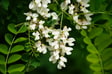
The compound, odd-pinnate leaves are 20–40 cm (8–16 in) long, with saw-toothed leaflets asymmetric at the base; the terminal leaflet is often absent. Small, strongly scented white to cream flowers form axillary panicles. The smooth, oval drupe is about 2 cm (0.8 in) long, green then yellow when ripe, enclosing a seed with a shell and oily kernel. 4 3
Leaves, bark and seeds share a distinctly bitter taste. Alongside habit and ripe fruit, this characteristic has often helped distinguish neem beyond leaf shape alone. 4
Useful taxonomy
POWO accepts Azadirachta indica A.Juss., published in 1830. Several historical synonyms have complicated botanical accounts of the species. 1 2
- Melia indica (A.Juss.) Brandis, a homotypic synonym based on the same type
- Melia azadirachta L., an earlier Linnaean name now associated with the same species
- Antelaea azadirachta (L.) Adelb., a combination considered invalid
- Azadirachta indica var. siamensis Valeton, the Siamese variety
- Azadirachta indica subsp. vartakii Kothari, Londhe & N.P.Singh, a restricted Indian subspecies
Melia azadirachta, published by Linnaeus in 1753, recalls neem’s former placement in Melia before its separation into Azadirachta. Historical confusion persists with Melia azedarach, a distinct species with a similar name. 4 1
Habitat and distribution
POWO places the strictly native range from Assam to southern Indochina. Other sources include the entire Indian subcontinent and mainland Southeast Asia. Centuries of cultivation make the exact native boundary difficult to establish. 1 4
Introduced into Africa in the 20th century, neem has established in more than thirty countries, notably along the southern edge of the Sahara, supplying fuelwood and timber. It is now planted through almost the entire tropical and subtropical belt, from the Caribbean to the Pacific. 4
It tolerates poor, stony or shallow soils and grows in both semi-arid and humid tropical climates, provided drainage is good: waterlogged soil quickly kills it. Tolerance of both drought and poor soil has helped it spread beyond its native range, establishing where more demanding trees fail. 3 4
Life cycle and cultivation
Fresh seed usually germinates within a week without pretreatment, but loses viability quickly, often after two to six months in storage. A seedling develops a deep taproot and can reach 4–7 m (13–23 ft) by its third year in favorable conditions. 4
Flowering begins at about four to five years, but useful seed production starts only after ten to twelve years. A mature tree can produce up to 50 kg (110 lb) of fruit annually and live for more than two centuries. Air layering and root cuttings provide vegetative propagation when a particular tree needs to be retained rather than raising seedling offspring. 4
Neem tolerates pollarding and coppicing, rapidly regrowing from its established root system. This is useful in agroforestry, where trees are regularly cut for wood and shade rather than left to develop freely. 4
Uses and risks
Seed oil contains azadirachtin, a compound that inhibits the growth and reproduction of many insects without killing them directly. It forms the basis of natural insecticides effective against nearly 100 pest species. Leaves, bark and oil also have a central place in traditional Indian medicine. 3 4
Cooked young leaves and flowers are traditionally eaten in small quantities in parts of India, and ripe fruit is sometimes eaten raw. These limited food uses never extend to seed oil, reserved for external or insecticidal use. 3 4
Ingesting concentrated seed oil is documented as dangerous, particularly in infants. Case series report vomiting, severe metabolic acidosis and toxic encephalopathy after a single ingestion, sometimes with a fatal outcome. This risk concerns swallowing undiluted oil rather than ordinary contact with the tree or its leaves. 7
Invasiveness and similar plants
Neem has no recognized invasive status in metropolitan France, where climate limits naturalization outdoors. In Australia’s Northern Territory, its position is very different: it has been a Class B weed since 2014 after invading river systems, including the Katherine River catchment. One mature tree can produce up to 50,000 seeds annually, dispersed by birds and bats. 5
The IUCN Red List assesses Azadirachta indica as Least Concern, consistent with a broad native range and extensive cultivation protecting it against global decline, even where it is locally invasive. 6
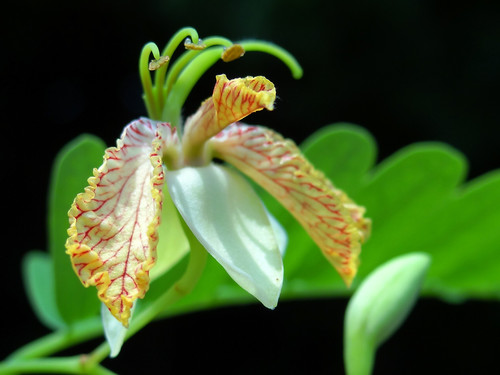
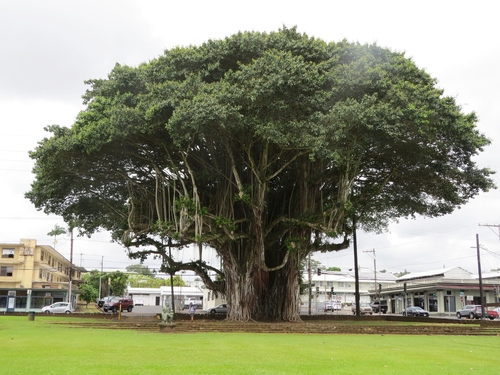
The main lookalike is Melia azedarach, chinaberry or Persian lilac. Its more divided, bipinnate leaves and fruit toxic to many animals contrast with neem’s simply pinnate foliage and fruit considered low-risk on ordinary contact. The complete scientific name is more reliable than overlapping vernacular names and needs checking before any food, medicinal or crop-treatment use. 4 7
Main sources
- Plants of the World Online / Kew, Azadirachta indica A.Juss.
- International Plant Names Index, Azadirachta indica A.Juss.
- Plants For A Future, Azadirachta indica - Neem
- National Research Council (US), Neem - A Tree for Solving Global Problems, NCBI Bookshelf
- Northern Territory Government (Australia), Neem weed profile
- IUCN Red List of Threatened Species, Azadirachta indica assessment
- PubMed Central, Neem oil poisoning - case report of toxic encephalopathy
- Global Biodiversity Information Facility, Azadirachta indica species page
Frequently asked questions
Is neem toxic to cats or dogs?
The tree and its leaves are generally considered non-toxic on contact or after limited accidental ingestion. The documented risk concerns concentrated seed oil swallowed undiluted; keep it away from animals and children.
Can neem grow in metropolitan France?
Only in a large container in a very bright, heated greenhouse. This tropical tree does not tolerate prolonged frost and cannot overwinter outdoors in the ground beyond tropical or very mild climates.
Is neem invasive?
No invasive status is recognized in metropolitan France, where the climate is unsuitable. In Australia’s Northern Territory, it has been a Class B weed since 2014 after invading several river systems.
How do neem and Persian lilac differ?
Melia azedarach has more divided, bipinnate leaves and fruit toxic to many animals. Neem has simply pinnate leaves and fruit considered low-risk on ordinary contact. The scientific name remains the most reliable distinction.
What is neem oil used for?
Extracted from seeds, it contains azadirachtin, which disrupts growth and reproduction in many insects. Used in agriculture as a natural insecticide, it is not intended for human or animal ingestion.
Is neem edible?
Cooked young leaves and flowers are eaten in small quantities in parts of India, and ripe fruit is sometimes eaten raw. These traditional uses never extend to concentrated seed oil.
Where does the name neem come from?
It derives from Sanskrit nimba through Hindi nim, adopted in many languages. French margousier may come from Portuguese amargoso, meaning bitter.
Similar plants
If you are unsure about a plant’s toxicity, ask a botanist or veterinarian for advice.