
Lawson's cypress (Chamaecyparis lawsoniana, )
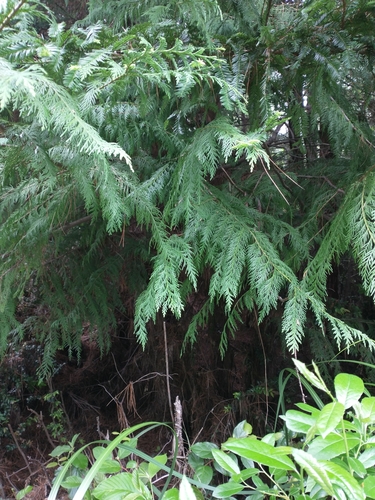
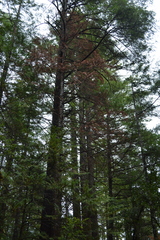
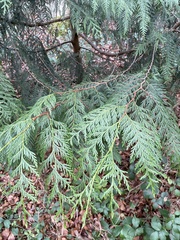
Lawson's cypress (Chamaecyparis lawsoniana), also called Port Orford cedar, is a large evergreen conifer in the Cupressaceae, native to southwestern Oregon and northwestern California. Introduced to Europe in 1854, it has yielded hundreds of ornamental cultivars, while its wild populations remain threatened by a root pathogen.
Read moreLawson's cypress, Port Orford cedar and Port Orford cypress
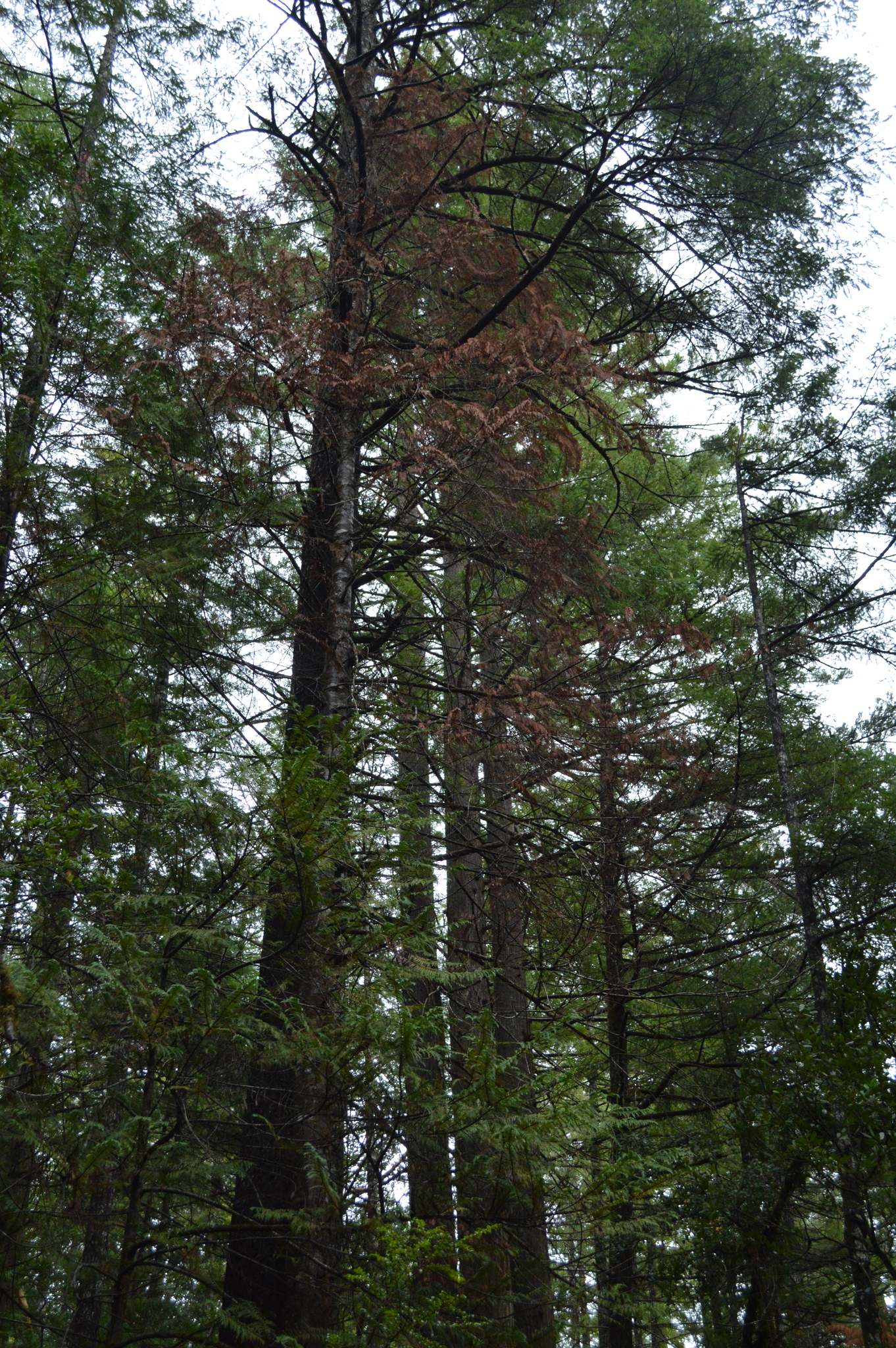
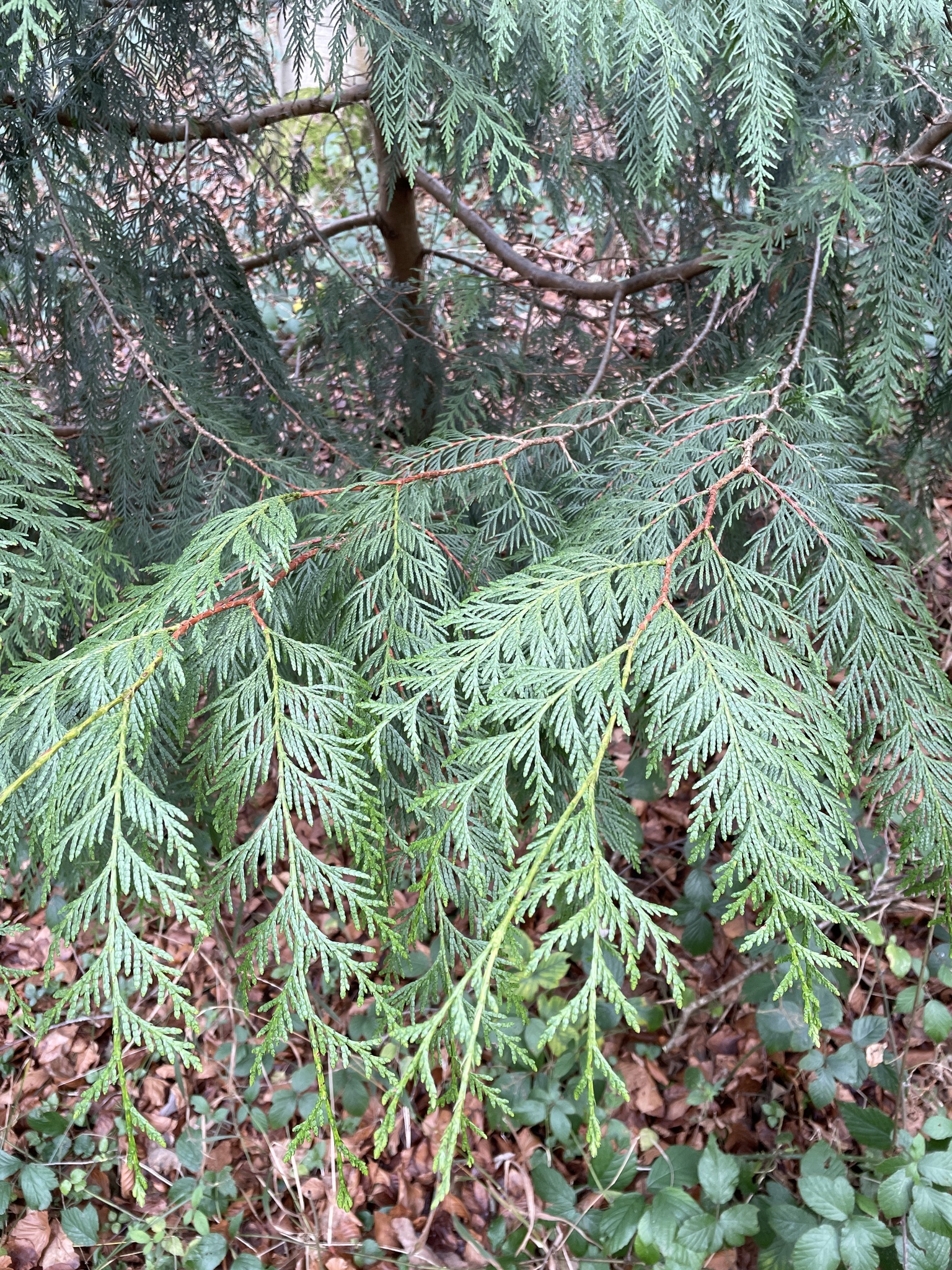


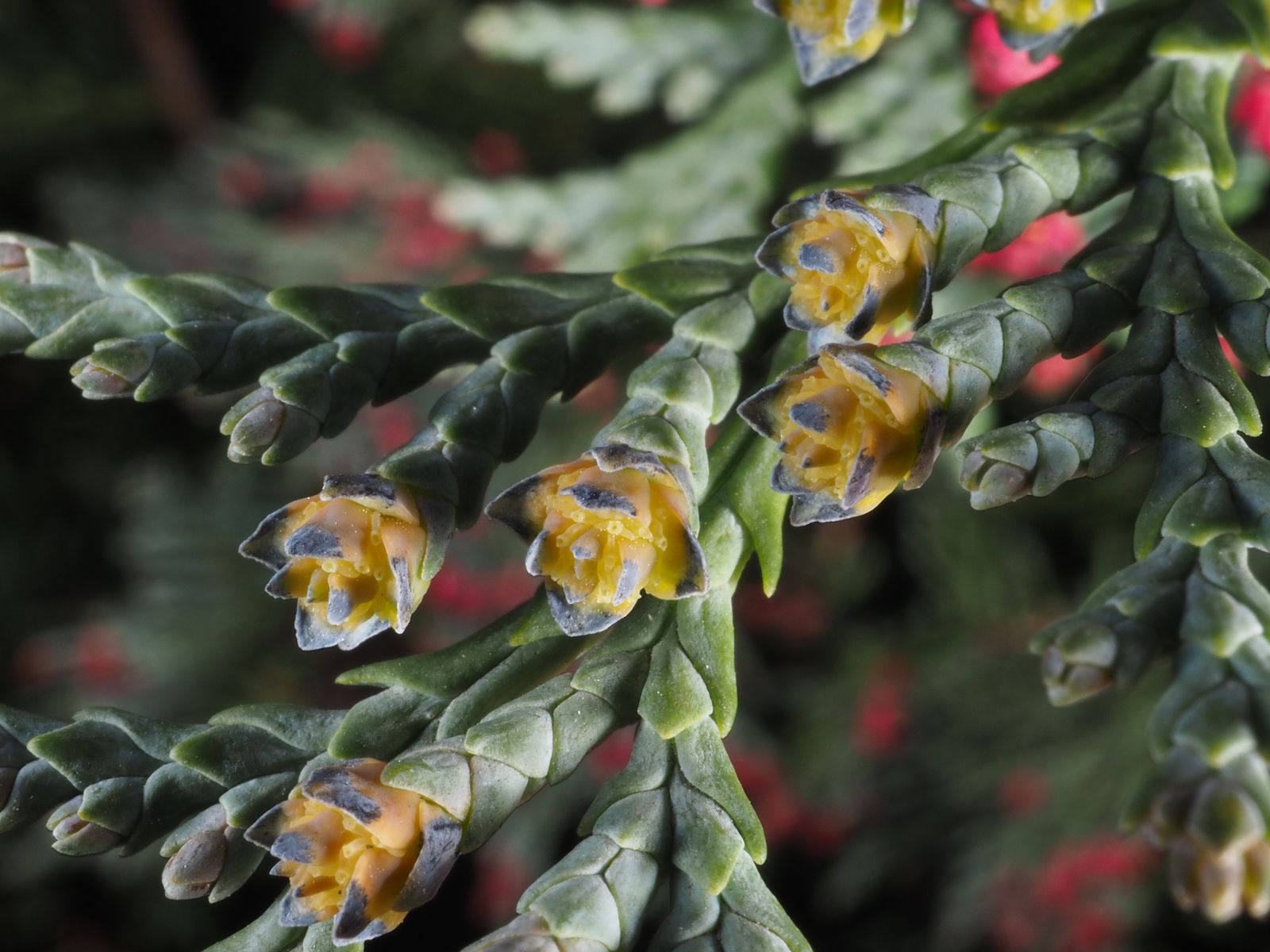
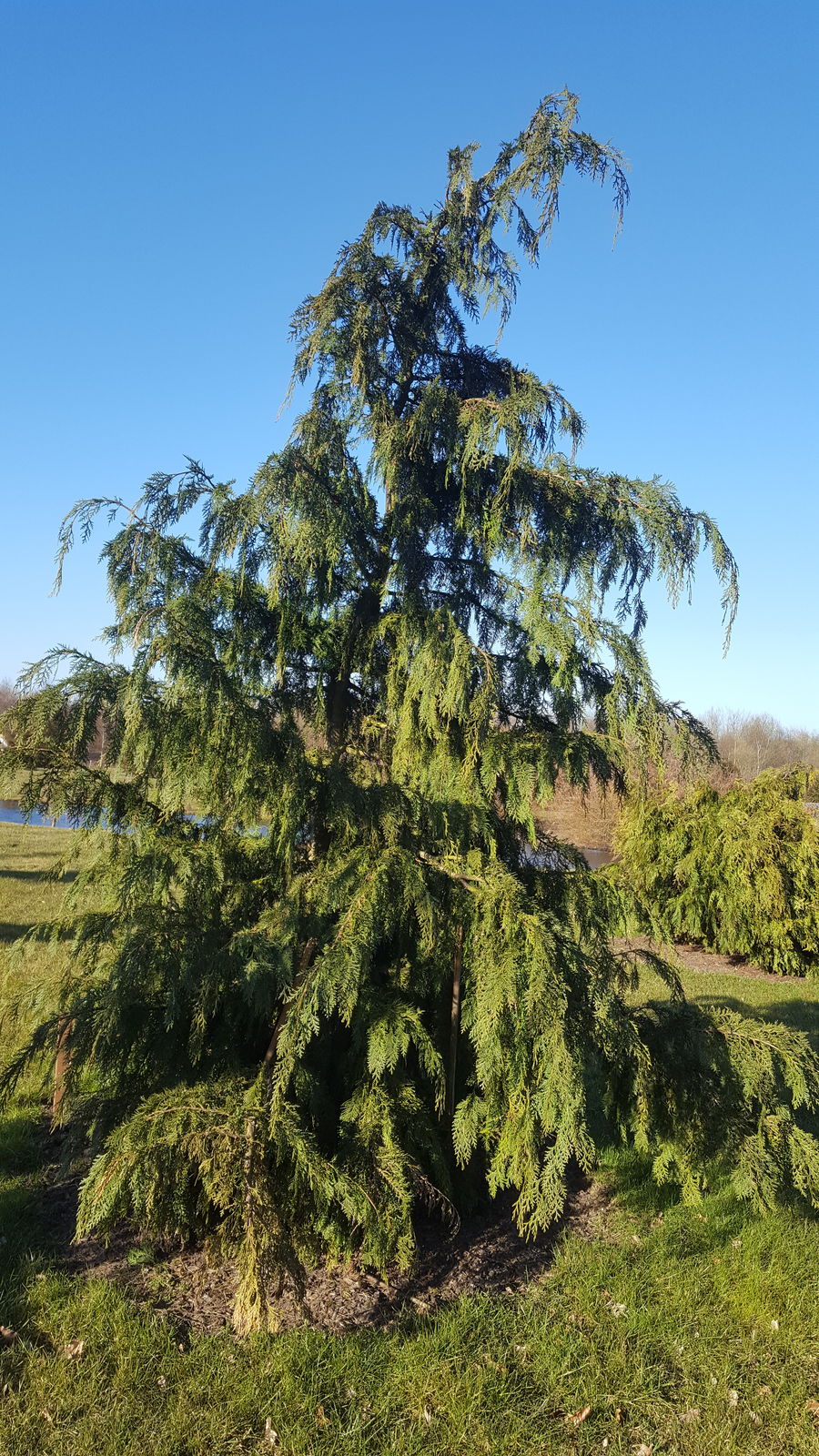
© photo
Drew Meyer · cc0
David Anderson · cc-by
Henry Miller · cc-by
Taken Jun 8, 2022 by B K (cc-by-sa)
Taken Sep 24, 2019 by zebbiddii (cc-by-sa)
Taken Jul 9, 2020 by Zoran Gjoreski (cc-by-sa)
Taken May 2, 2020 by Jean-Pierre Bartkowiak (cc-by-sa)
Taken May 21, 2022 by Franz Biegler (cc-by-sa)
© copyright of the Board of Trustees of the Royal Botanic Gardens, Kew.




Global distribution
The native range is restricted to southwestern Oregon and northwestern California, in moist Klamath Mountain valleys. Introduced to Europe in 1854 by Lawson & Son in Edinburgh, it became one of the temperate world’s most widely planted hedge and park conifers, distinct from its restricted wild populations.
Identity
Lawson's cypress (Chamaecyparis lawsoniana (A.Murray bis) Oerst., 1864), also known as Port Orford cedar, is a large evergreen conifer in the Cupressaceae. Andrew Murray first described it as Cupressus lawsoniana in 1855. Its transfer to Chamaecyparis followed in 1864, producing the authority attached to the accepted scientific name. 1 2
The species honors Lawson & Son, the Edinburgh nursery that financed seed collecting in Oregon and introduced the tree into cultivation in 1854. Port Orford cedar, favored in the United States, and Lawson's cypress, familiar in European horticulture, are regional names for exactly the same tree. 3
Recognition
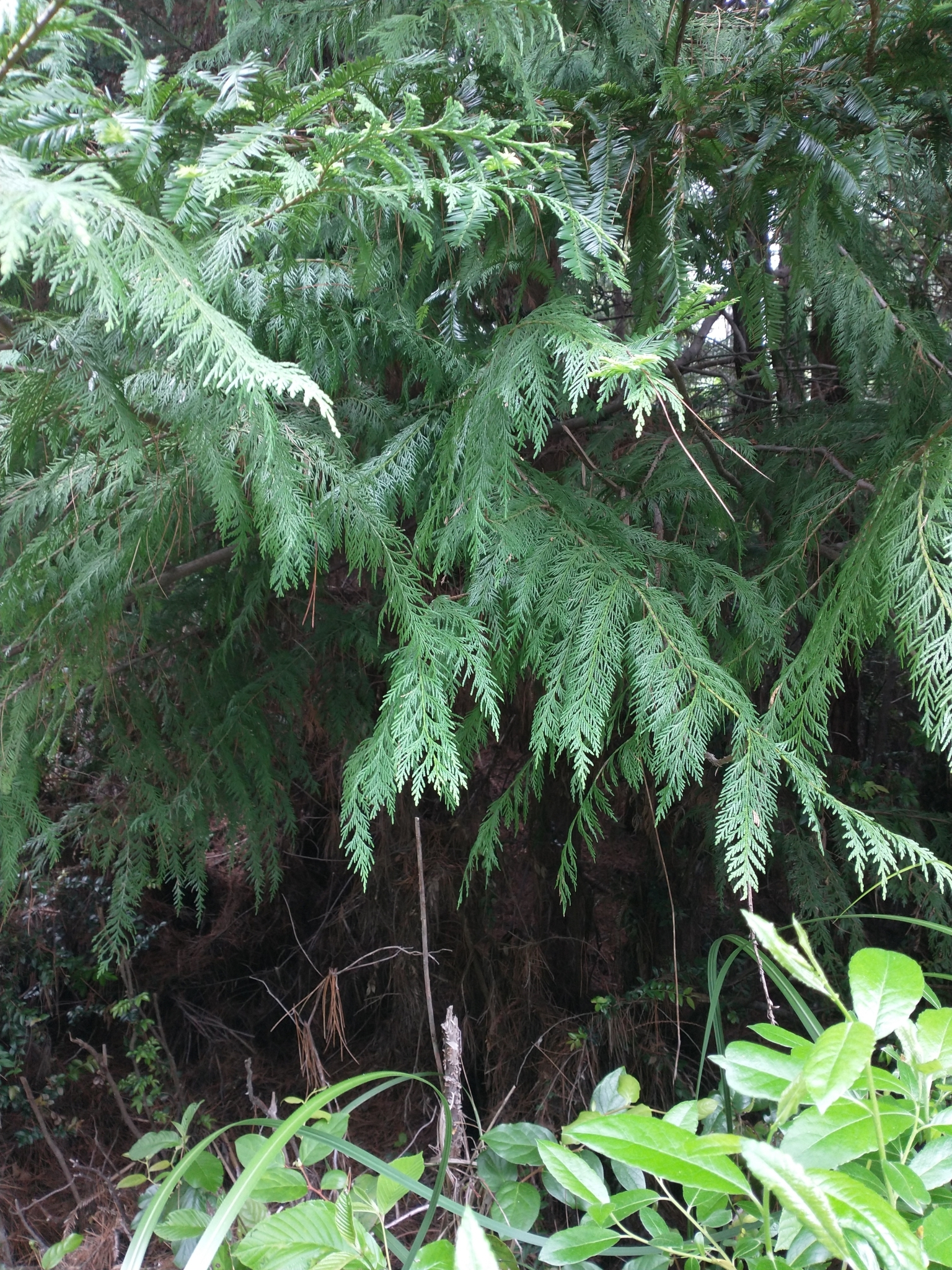
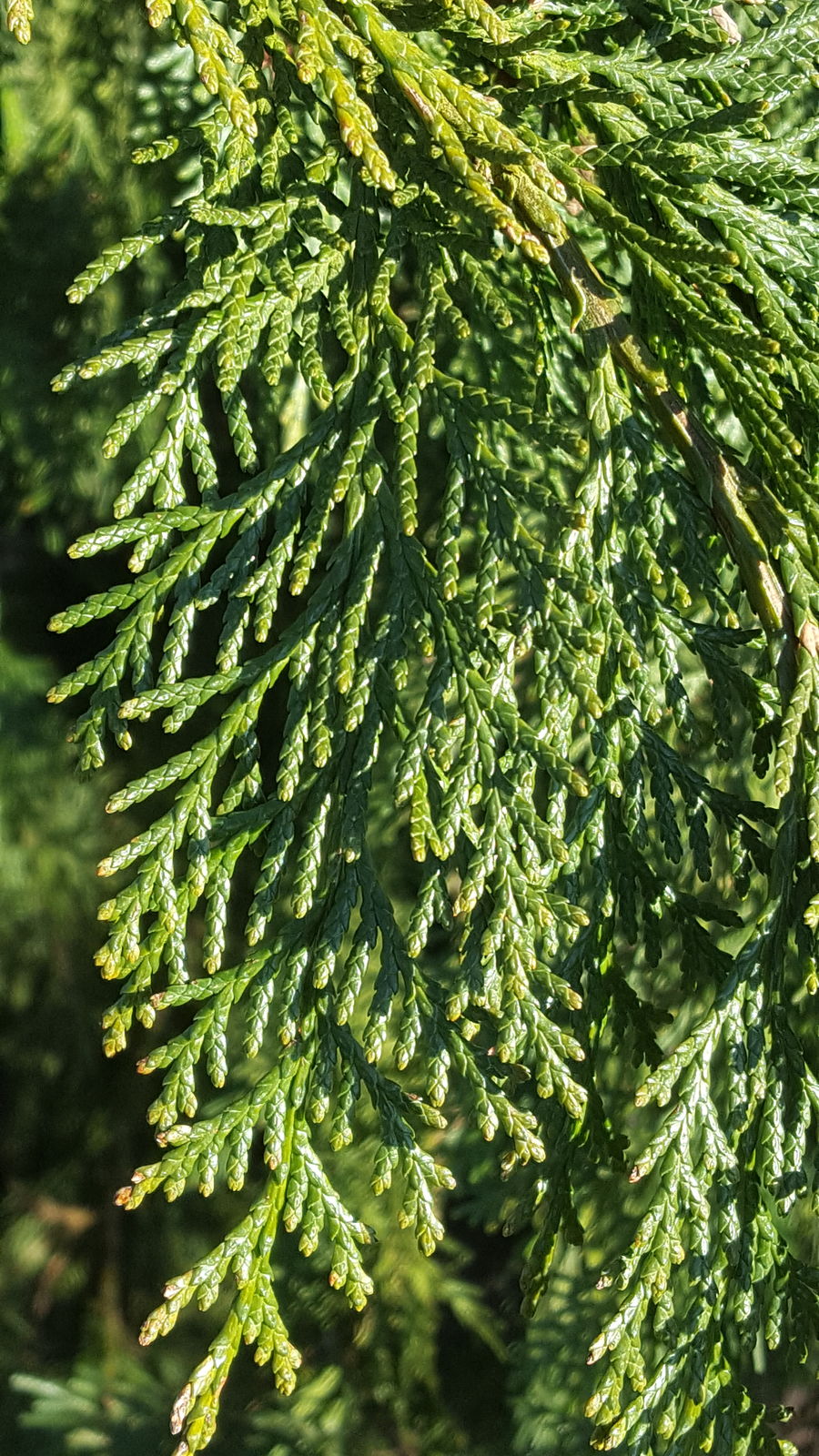
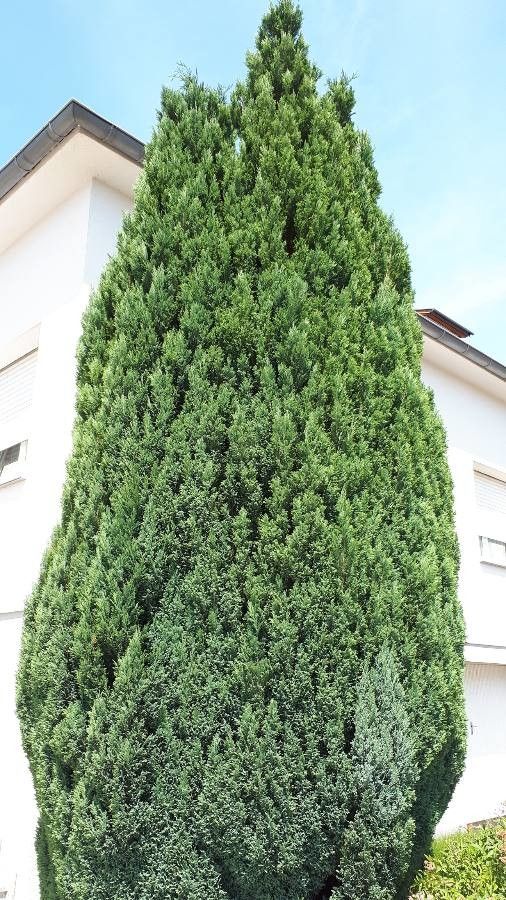
Foliage is more useful for identification than the outline shared by many hedge conifers. Flat, flexible sprays carry scale leaves 3–5 mm (0.12–0.2 in) long in feathery fans, often glaucous blue-green. Crushed foliage has a sharp, parsley-like scent rather than the milder smell of Thuja plicata. Growth offers another comparison: reaching mature form takes 20–50 years, rather than the few years needed by a Leyland cypress planted for the same hedge. 5 2
Wild trees commonly reach 50 m (164 ft), with a measured record of 81 m (266 ft) in California. A park specimen rarely exceeds 25 m (82 ft) after several decades. Silvery-gray bark becomes reddish brown and fibrous with age. At the base of very old trees it can be 15–25 cm (6–10 in) thick, compared with 1–2 cm (0.4–0.8 in) on a tree younger than a century. 5
Dark-red pollen cones appear in spring and turn brown after pollen release. Round green seed cones measure 7–14 mm (0.28–0.55 in) and become brown in autumn, six to seven months after pollination. 5
Useful taxonomy
First published in 1855 as Cupressus lawsoniana A.Murray bis, the species acquired its accepted combination, Chamaecyparis lawsoniana (A.Murray bis) Oerst., in 1864. Older literature also uses:
- Chamaecyparis lawsonii Parl., an alternative spelling of the epithet;
- Retinispora lawsoniana (A.Murray bis) A.V.Bobrov & Melikyan, an earlier generic placement.
The last name recalls nineteenth-century horticultural practice that grouped certain cypresses in the now-abandoned genus Retinispora. POWO recognizes only five accepted species in Chamaecyparis, unlike the more numerous neighboring genus Cupressus. Confusion with another member of its own genus is therefore uncommon. 1 6
Habitat and range
Native populations are confined to southwestern Oregon and northwestern California, in moist Klamath Mountain valleys, often beside streams. They extend to around 1,500 m (4,900 ft), locally 1,700 m (5,600 ft) in the Siskiyou Mountains. 2 5
Thick bark protects against recurring fires and the tree regenerates well on disturbed soil, but steady soil moisture is important. Prolonged drought weakens root defenses against Phytophthora lateralis. An old-growth population near Coos Bay, Oregon, was destroyed by logging and fire in 1867–1868, and again by fire and root disease in 1936. 3
The International Union for Conservation of Nature lists the species as Near Threatened, reflecting the continued decline of wild populations under an introduced pathogen. Beyond its native range, it is chiefly an ornamental in Europe, North America and eastern Asia. 7
Life cycle and reproduction
Each monoecious tree carries separate pollen and seed cones on the same branches. Wind pollination occurs in spring. Seed cones take six to seven months to ripen from green to purplish brown, then release two to four winged seeds per scale. 5
Nurseries raise the typical species from seed, with light cold stratification improving germination. Cultivars selected for foliage color or habit are reproduced only by cuttings or grafting, the methods that preserve the clone faithfully. 2
Lifespans in the native range can span centuries: one felled Oregon tree had 418 annual rings. Such ages contrast strongly with clipped European hedges, usually replaced long before biological maturity. 5
Uses and risks
Light but strong wood, resistant to decay even after long exposure to seawater, supported Oregon’s timber industry until the 1950s. Its fine grain is valued for guitar soundboards. Ginger-scented, insect-repellent oil and durable timber also made it a sought-after export to Japan for coffins, shrines and temples. 5
Garden use chiefly involves hedges and park specimens in full sun on moist, well-drained soil, rather than the dry, poor ground suited to lavender. Its main risk is described as disease rather than toxicity, which is not documented for animals or people: the oomycete Phytophthora lateralis, accidentally introduced in the 1950s, causes often-fatal root rot. Water and contaminated soil carried on tires or footwear spread the disease. 3 5
Varieties, look-alikes and related plants
Hundreds of cultivars vary in habit, growth and foliage color. Ellwoodii and Ellwood's Gold form narrow gray or golden columns. Pembury Blue has strong blue-gray foliage and a broad cone-shaped crown. Columnar Golden Wonder can exceed 20 m (66 ft), while rounded dwarf Green Globe stays below 1 m (3.3 ft) and suits small gardens. 2
Other scale-leaved conifers cause frequent confusion:
- Thuja plicata, with thin, fibrous bark and broader foliage with a less pungent crushed scent;
- Calocedrus decurrens, with thick orange-brown bark and foliage arranged in heavier planes;
- Cupressus nootkatensis, long confused in the timber trade because of similar wood properties.
Crushed foliage offers a firmer clue than bark or habit alone. The sharp, parsley-like odor of Lawson's cypress is not reproduced exactly by these three related trees. 5
Main sources
- Plants of the World Online / Kew, Chamaecyparis lawsoniana (A.Murray bis) Oerst.
- Royal Horticultural Society, Chamaecyparis lawsoniana
- NC State Extension, Chamaecyparis lawsoniana (Port Orford Cedar)
- Missouri Botanical Garden, Chamaecyparis lawsoniana
- The Gymnosperm Database, Chamaecyparis lawsoniana description
- INPN / MNHN, Chamaecyparis lawsoniana (A.Murray) Parl., 1866 (cd_nom 90411)
- IUCN Red List of Threatened Species, Chamaecyparis lawsoniana assessment
Frequently asked questions
Is Lawson's cypress poisonous to cats or dogs?
No toxicity is documented for this species in cats, dogs or people. Horse status remains uncertain because published species-specific data are lacking.
Why is a Lawson's cypress hedge turning brown in patches?
The most frequent cause is Phytophthora lateralis, an oomycete causing often-fatal root rot. Water and soil carried on tools, boots or tires spread the disease.
How can Lawson's cypress be distinguished from Thuja?
Crushed foliage provides the clearest clue: sharp and parsley-like in Chamaecyparis lawsoniana, milder in Thuja plicata. Thuja bark is also thinner and less fibrous than the bark of an old Lawson's cypress.
Why is it called Port Orford cedar in America and Lawson's cypress in Europe?
These are regional names for the same species. The American name recalls the Oregon port where it was documented; the European name honors Lawson & Son, the nursery that introduced it into cultivation in 1854.
Is Lawson's cypress threatened in the wild?
The IUCN lists it as Near Threatened. Wild populations, naturally confined to southwestern Oregon and northwestern California, are declining under Phytophthora lateralis, accidentally introduced in the 1950s.
How tall can a mature Lawson's cypress grow?
Wild trees commonly exceed 50 m (164 ft), with a measured California record of 81 m (266 ft). Park specimens and clipped hedges usually remain much smaller, around 12–25 m (39–82 ft) after several decades.
Can Lawson's cypress grow in a small garden?
Yes, if the cultivar is chosen carefully. Green Globe stays below 1 m (3.3 ft), while Ellwoodii and Fletcheri have compact columnar habits much smaller than the typical species.
Similar plants
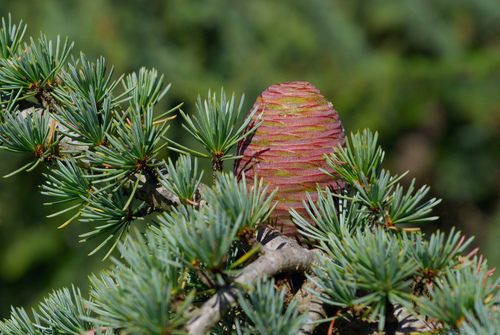
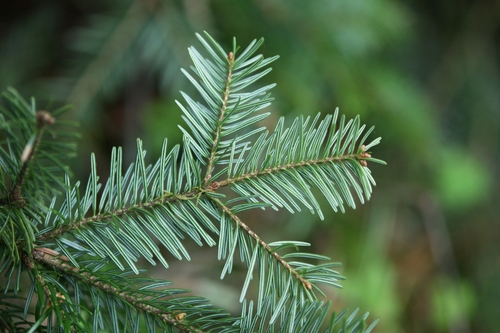
If you are unsure about a plant’s toxicity, ask a botanist or veterinarian for advice.