
Gympie gympie (Dendrocnide moroides, )
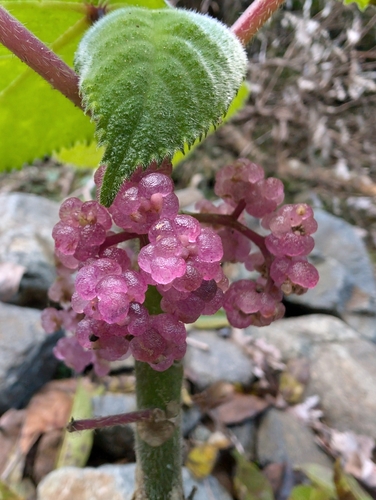
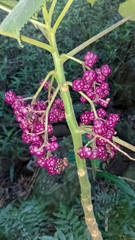
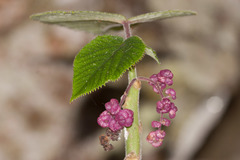
Gympie gympie (Dendrocnide moroides) is a pioneer shrub or small tree in the Urticaceae, native to northeastern Australian rainforests, the Moluccas, Lesser Sunda Islands and Vanuatu. Stems, leaves and fruits carry stinging hairs containing neurotoxins that cause one of the most painful and persistent plant stings known. For rainforest hikers, recognizing it and avoiding contact matters far more than growing advice.
Read moreGympie gympie, Stinging tree and Stinging bush
© photo
JF · cc0
O.Neate · cc-by-sa
Rolf Lawrenz · cc-by
(c) Evert Materman, some rights reserved (CC BY-SA) · cc-by-sa
(c) Rolf Lawrenz, some rights reserved (CC BY) · cc-by
Global distribution
Dendrocnide moroides is native to northeastern Australia, from Cape York to far northern New South Wales, and to the Moluccas, Lesser Sunda Islands and Vanuatu. It remains common in Queensland but becomes rare near the southern limit of its range.
- Native3
- Australia (Queensland, northern New South Wales)
- Indonesia (Moluccas, Lesser Sunda Islands)
- Vanuatu
Hexagons: regions where the plant occurs. Green dots: native range.1
Identity
Gympie gympie (Dendrocnide moroides (Wedd.) Chew, 1965) is a shrub or small tree in the genus Dendrocnide, family Urticaceae. Stems, leaves and fruits carry stinging hairs that inject gympietides, a family of neurotoxic peptides identified in 2020 and responsible for one of the most painful plant stings known. 1 3
The name Gympie gympie comes from the language of the Indigenous Gubbi Gubbi people of southeastern Queensland. Its French name, reine des orties, links it to the nettle family while emphasizing a sting far more severe than that of the European stinging nettle, Urtica dioica. 7
For travelers in Australia, Indonesia or Vanuatu, the practical priority is recognizing the plant and avoiding contact. 4
Recognition
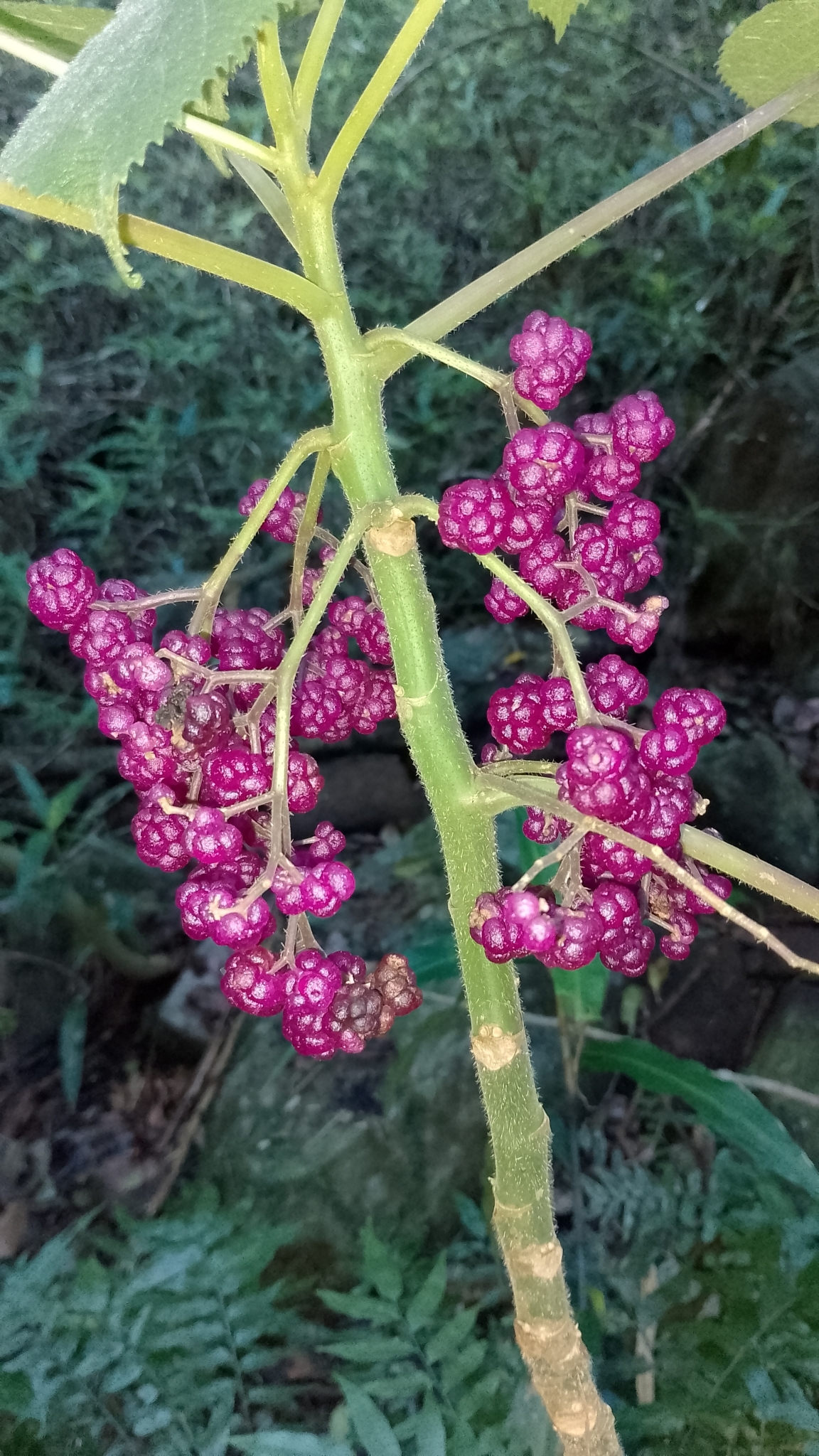
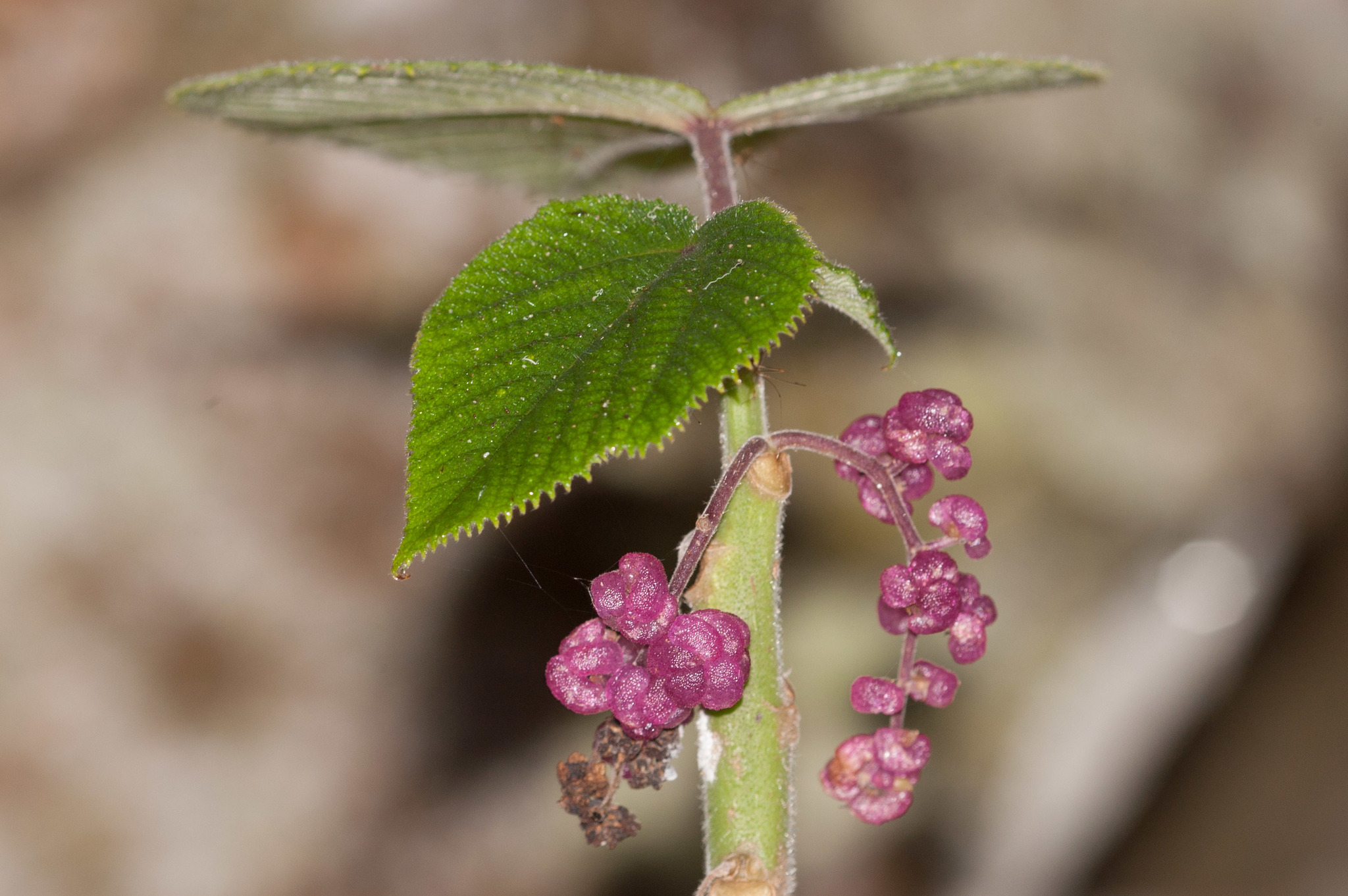
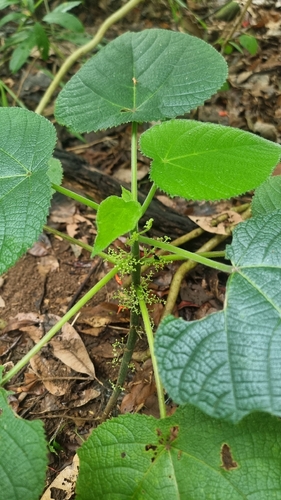
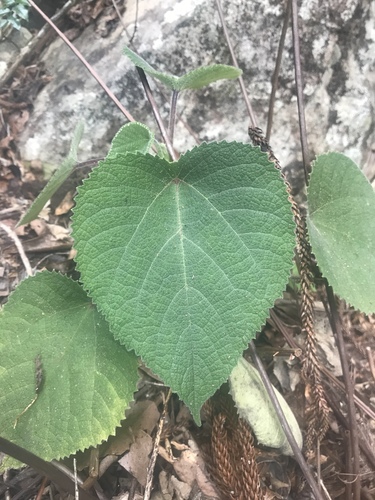
This bushy shrub often flowers below 3 m (9.8 ft) tall, although it can reach 10 m (33 ft) in a well-lit rainforest gap. Large, alternate, toothed, heart-shaped leaves commonly measure 12–22 cm (4.7–8.7 in) long and 11–18 cm (4.3–7.1 in) wide. 1
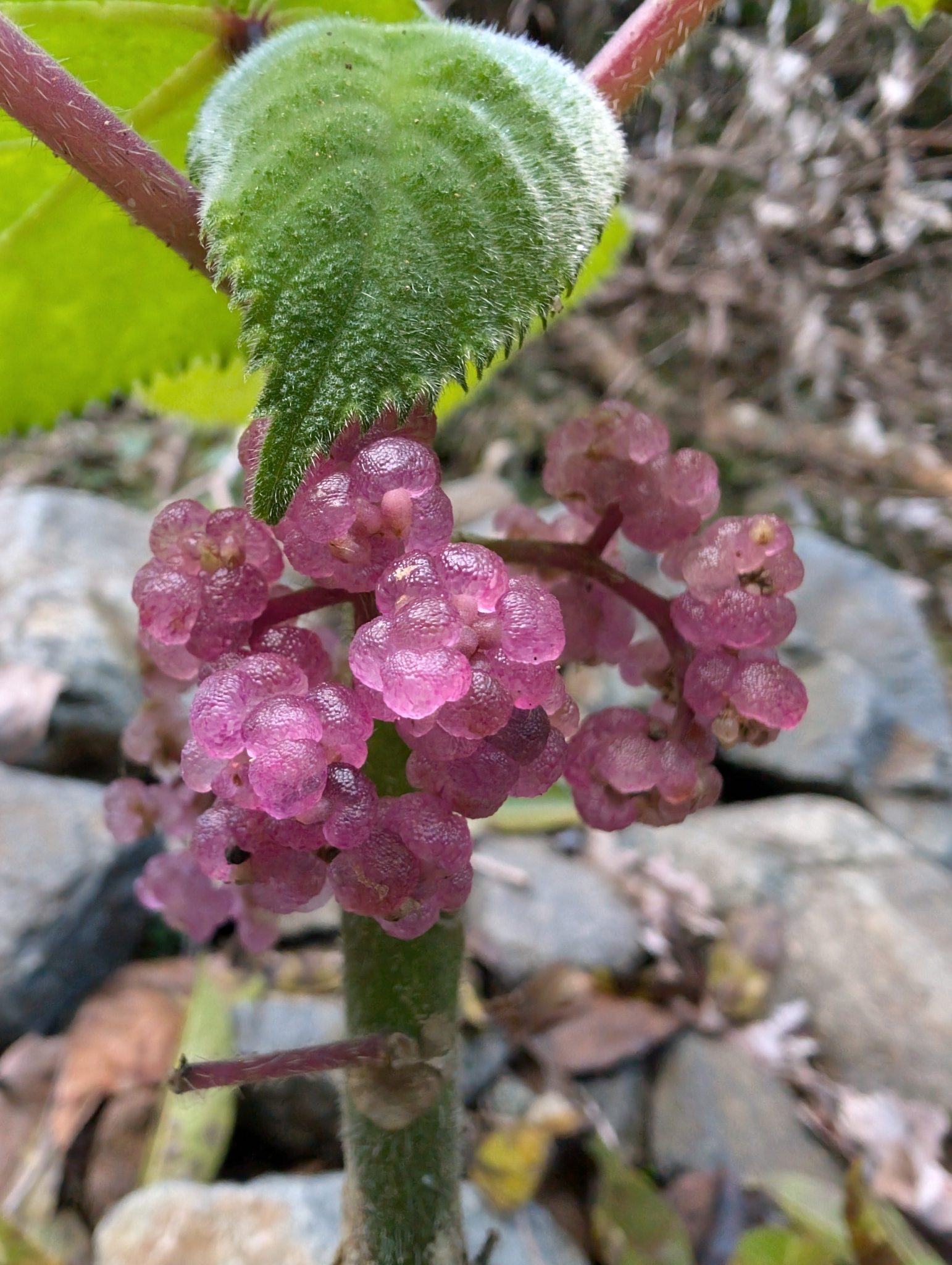
The covering of hairs is more useful than leaf shape alone, which resembles that of other Urticaceae. Fine, whitish to silvery, dense and shining hairs cover the stems, both leaf surfaces and even the fruits. A plant with no visible hairs is almost never Dendrocnide moroides, a useful exclusion clue in the field. 3
Round fruits ripen pink to pale violet and resemble a mulberry, explaining the epithet moroides. They too are covered in stinging hairs. Unlike superficially similar wild fruits, they must never be picked with bare hands. 1
Taxonomy and names
POWO/WCVP accepts Dendrocnide moroides (Wedd.) Chew, a combination established in 1965 from an older basionym. Earlier names for the same plant include:
- Laportea moroides Wedd., 1856, the basionym;
- Urtica moroides A.Cunn. ex Wedd.;
- Urticastrum moroides (Wedd.) Kuntze.
Dendrocnide combines Greek déndron, tree, and knídos, stinging needle. Stinging tree and stinging bush are English names for Gympie gympie, but stinging tree is shared by several species, including Dendrocnide excelsa and Dendrocnide cordata. The complete scientific name matters when discussing the danger posed by a particular plant. 1 2
Habitat and range
From Cape York to far northern New South Wales, Gympie gympie occupies northeastern Australia; its native range also includes the Moluccas and Lesser Sunda Islands in Indonesia, and Vanuatu. The plant colonizes rainforest gaps, especially after tree falls, as well as forest edges, paths and stream banks. 1 8
Seeds germinate in full light on disturbed soil. Germination is uncommon beneath a closed canopy, concentrating plants along walking tracks, forest roads and recent clearings. Some Queensland hiking routes, notably in Lamington National Park, are known for dense stands. 7
Common in Queensland, the species becomes rare near its southern limit in New South Wales, where it is monitored locally despite a national Australian Least Concern status. 8
Life cycle and ecology
Once a rainforest gap opens, Dendrocnide moroides grows rapidly in full light and may flower before reaching 3 m (9.8 ft). Some plants eventually exceed 10 m (33 ft), but it remains a short-lived pioneer that declines as the canopy closes and light levels fall. 1
Despite its stinging hairs, it supports specialized wildlife. It hosts the caterpillars of a nymphalid butterfly, while several insects feed without apparent harm. The red-legged pademelon is among the few mammals able to browse the leaves, an unusual tolerance among the region’s herbivores. 7
Birds eat the ripe fruits, sweet and rich beneath their stinging covering, and disperse the seeds to new gaps. This bird-mediated dispersal helps the plant quickly colonize newly opened clearings. 1
Stings and first aid
Each hair is a hollow, rigid, brittle needle with a predetermined breaking point near its tip. Contact breaks the hair and injects its toxic contents into the skin. Gympietides, identified in 2020, have a cystine-knot structure resembling toxins in cone snails and spiders, and delay sodium-channel inactivation in sensory neurons. 3
The prolonged effect on sodium channels explains intense pain that develops over twenty to thirty minutes and may last several days. Clinical reports describe stings severe enough to require intensive care, with symptoms sometimes recurring for months after hot water, cold or simple friction. 5 6
After contact, depilatory wax or adhesive tape can remove some embedded hairs. Never rub or scratch the area, which would break more hairs and worsen exposure. Seek medical advice; call emergency services for signs of anaphylaxis, including throat swelling or difficulty breathing. 4
Horses and dogs are also affected. Documented accounts describe animals so severely distressed after forest contact that euthanasia was sometimes necessary. Hikers traveling with animals need particular care in areas known to contain the plant. 7
Look-alikes and related plants
Several stinging Dendrocnide species are regularly confused, including Dendrocnide excelsa (Wedd.) Chew, a much taller tree called giant stinging tree, and Dendrocnide cordata, associated with the only certainly documented human death from this group, in New Guinea in 1922. 1
Other Urticaceae with toothed, heart-shaped leaves are the most likely field look-alikes, including ordinary-looking young plants before flowering. Never use touch as a test. Observe the density and sheen of hairs on stems, leaves and fruits from a distance, rather than relying on leaf shape alone. 3
No safe food or medicinal use is documented for this species. If unfamiliar foliage looks suspicious in an Australian, Indonesian or Vanuatuan rainforest, avoid contact until its identity is certain. 4
Main sources
- Plants of the World Online / Kew, Dendrocnide moroides (Wedd.) Chew
- International Plant Names Index, Dendrocnide moroides (Wedd.) Chew
- Gilding et al., 2020, Science Advances, neurotoxic peptides from the venom of the giant Australian stinging tree
- Healthdirect Australia, Stinging plants first aid guidance
- Maor & Little, 2017, Contact Dermatitis, skin contact with a stinging tree requiring intensive care unit admission
- Schmitt et al., 2013, Wilderness & Environmental Medicine, painful sting after exposure to Dendrocnide species
- State Library of Queensland, Queensland's gympie-gympie, the world's most painful plant
- GBIF, Dendrocnide moroides (Wedd.) Chew occurrence data
Frequently asked questions
Is Gympie gympie native to France?
No. Its native range is confined to northeastern Australia, the Moluccas, Lesser Sunda Islands and Vanuatu. The main risk concerns travelers and hikers in the rainforests of those regions.
Why is the sting so painful?
The hairs inject gympietides, a family of neurotoxic peptides discovered in 2020 that delay sodium-channel inactivation in sensory neurons. Their structure resembles toxins found in spiders and marine cone snails.
How long does the pain last?
Case studies describe intense pain lasting several days, sometimes with symptoms recurring for months or even years while hairs remain embedded in the skin.
What should I do immediately after a sting?
Remove hairs with depilatory wax or adhesive tape, without rubbing or scratching. Seek medical advice, and call emergency services for signs of anaphylaxis such as throat swelling.
Is Gympie gympie dangerous to horses and dogs?
Yes. Documented accounts describe horses so badly affected that they had to be euthanized, and dogs in distress after accidental contact in the forest.
How can I distinguish it from another Urticaceae without touching it?
From a distance, look at the density and sheen of hairs on stems, leaves and fruits, together with the toothed, heart-shaped leaves. If in doubt, avoid all contact.
Is Gympie gympie threatened?
It is classified as Least Concern across Australia, but remains rare and locally monitored in New South Wales, near the southern edge of its range.
Similar plants
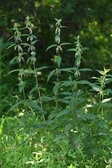
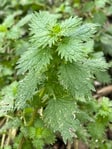
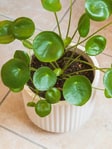
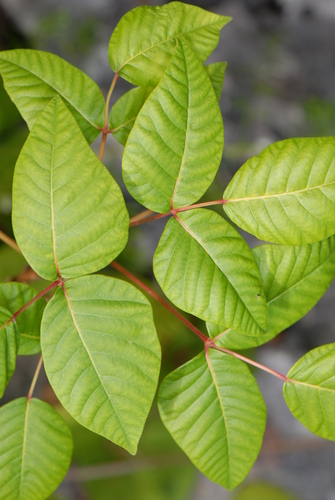
If you are unsure about a plant’s toxicity, ask a botanist or veterinarian for advice.