
Sweet-william (Dianthus barbatus, )
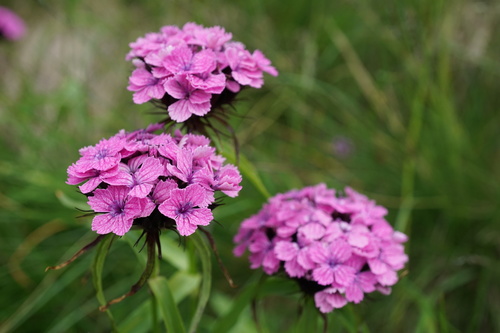
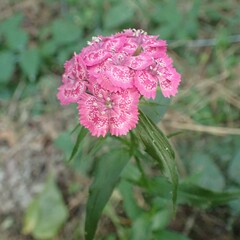
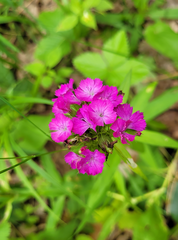
Sweet-william (Dianthus barbatus L., 1753), also called bearded pink, is a garden plant in the Caryophyllaceae with dense clusters of small, fragrant flowers. Botanically a short-lived perennial or subshrub, depending on the reference, it is usually grown as a bedding biennial: sown one year, it often flowers the following spring or early summer.
Read moreSweet-william and Bearded pink



© photo
(c) xulescu_g, some rights reserved (CC BY-SA) · cc-by-sa
iNaturalist User · cc-by
Bobo-X · cc-by
Taken Jun 8, 2022 by Radu Nicolau (cc-by-sa)
Taken Oct 12, 2022 by Jim Knopf (cc-by-sa)
Taken Dec 29, 2013 by Tela Botanica − Pierre CROUZET (cc-by-sa)
Taken May 15, 2022 by Tristan Jaton-Maria (cc-by-sa)
Taken Jun 23, 2019 by Catherine Heald (cc-by-sa)
© copyright of the Board of Trustees of the Royal Botanic Gardens, Kew.




Global distribution
POWO/WCVP gives a native range from European mountains to the Russian Far East and northern Korea, including France. Long cultivation and garden seed account for many introductions in northern Europe, North America, New Zealand and Central Asia.
- Native8
- Introduced3
- Metropolitan France
- Austria
- Northwestern Balkans
- Italy
- Spain
- Poland
- Primorye
- Northern Korea
- Great Britain
- North America
- New Zealand
Hexagons: regions where the plant occurs. Green dots: native range.1
Identity
Sweet-william (Dianthus barbatus L.) is an accepted species in Dianthus, family Caryophyllaceae. POWO/WCVP dates the name to Species Plantarum in 1753 and gives a native range from European mountains to the Russian Far East and northern Korea. 1 2
Bearded pink is another English name; Trefle also records the joined spelling sweetwilliam. French names include œillet de poète, œillet barbu, œillet des poètes and œillet de Girardin. Checking the botanical name connects these different names to the same species. 3 11
Its life cycle matters most to gardeners. Botanical references may describe a subshrub or short-lived perennial, but it is often grown as a bedding biennial: a rosette establishes first, followed by flower stems the next year. 1 4 6
Recognition
Sweet-william forms a dense, upright clump, usually 30–60 cm (12–24 in) tall in gardens. NC State gives roughly that height and 15–30 cm (6–12 in) width. RHS often places compact cultivars in its 0.1–0.5 m (4–20 in) size class, although some hybrids and series grow taller. 6 4 5
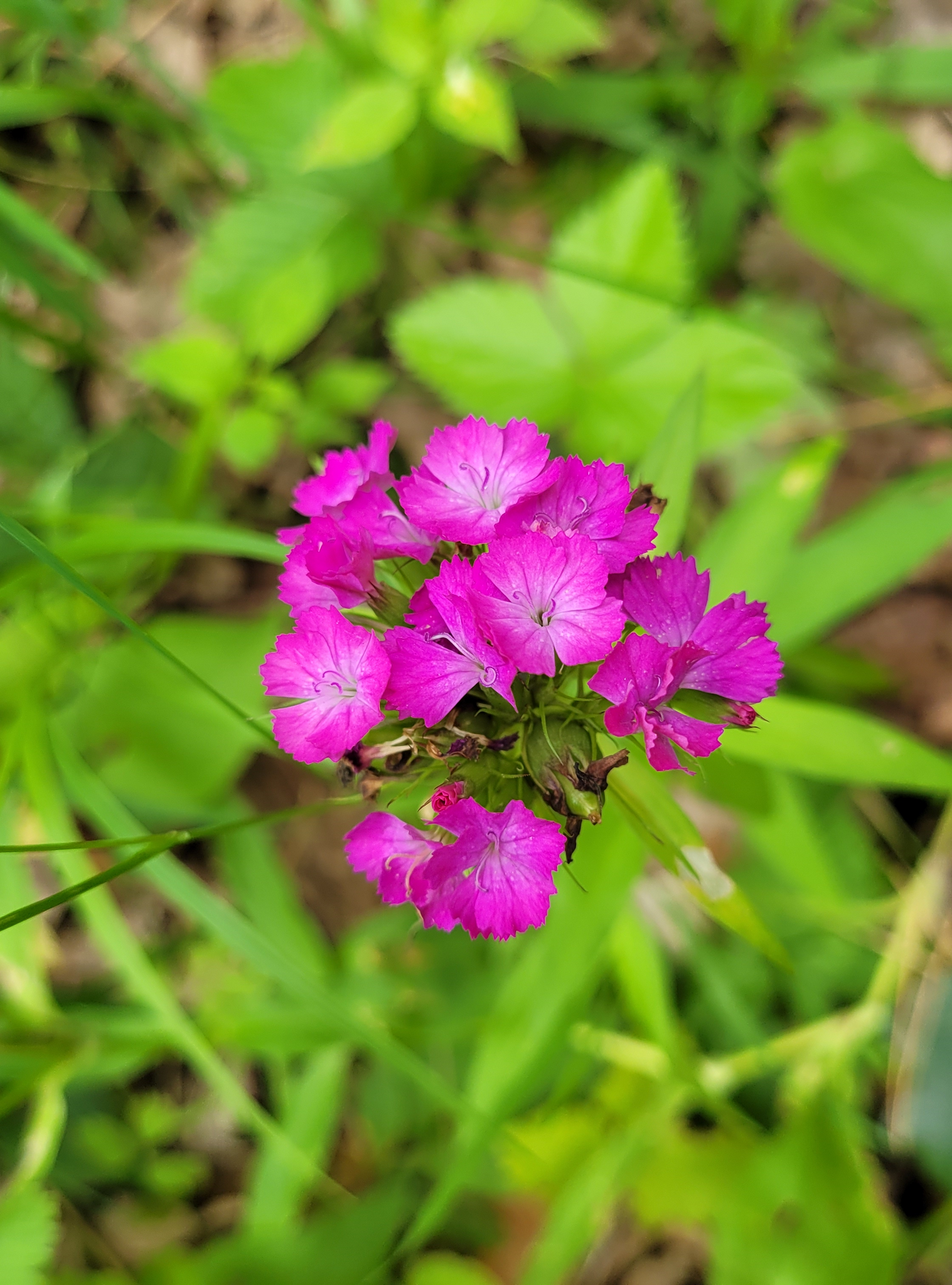
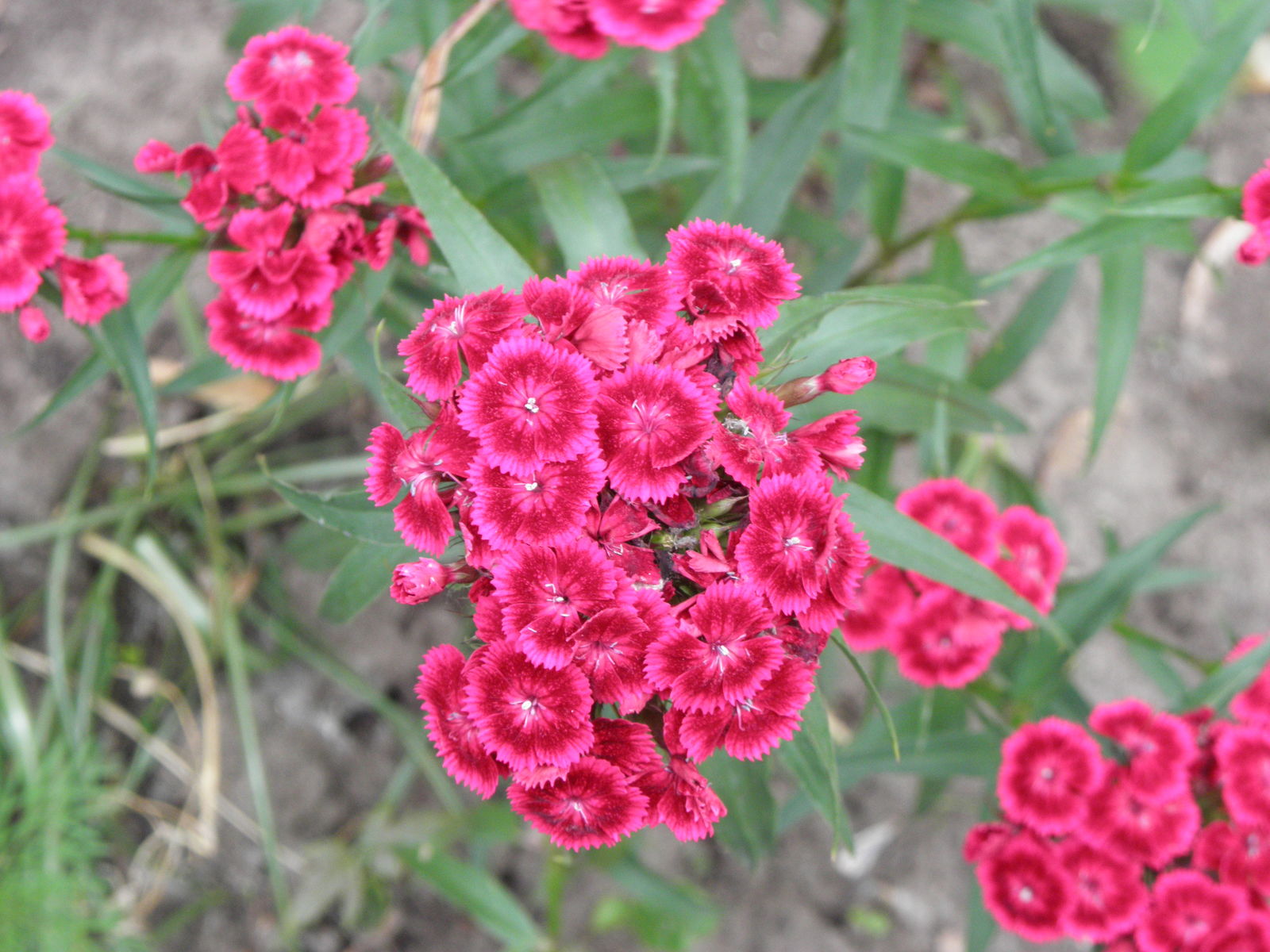
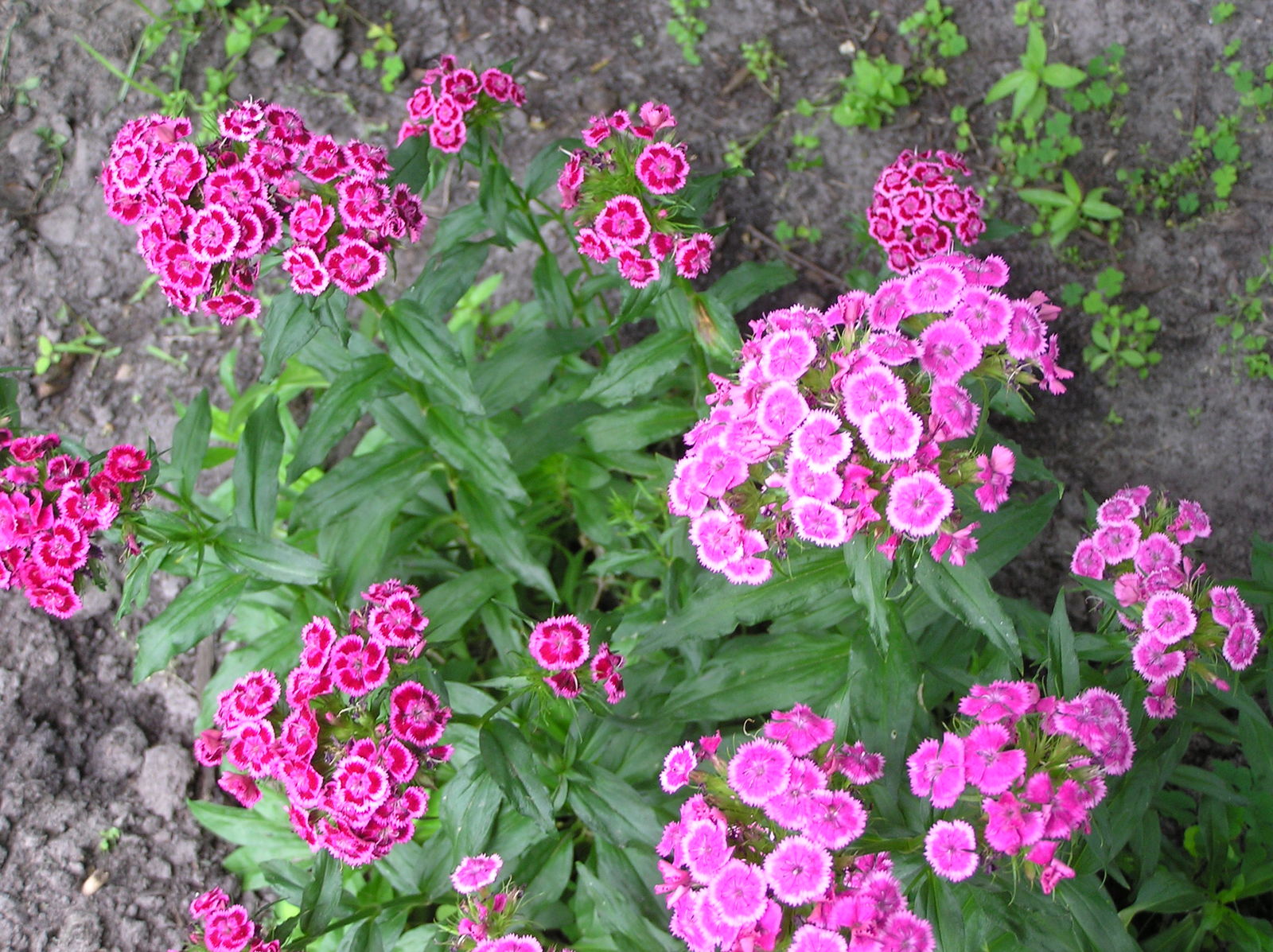
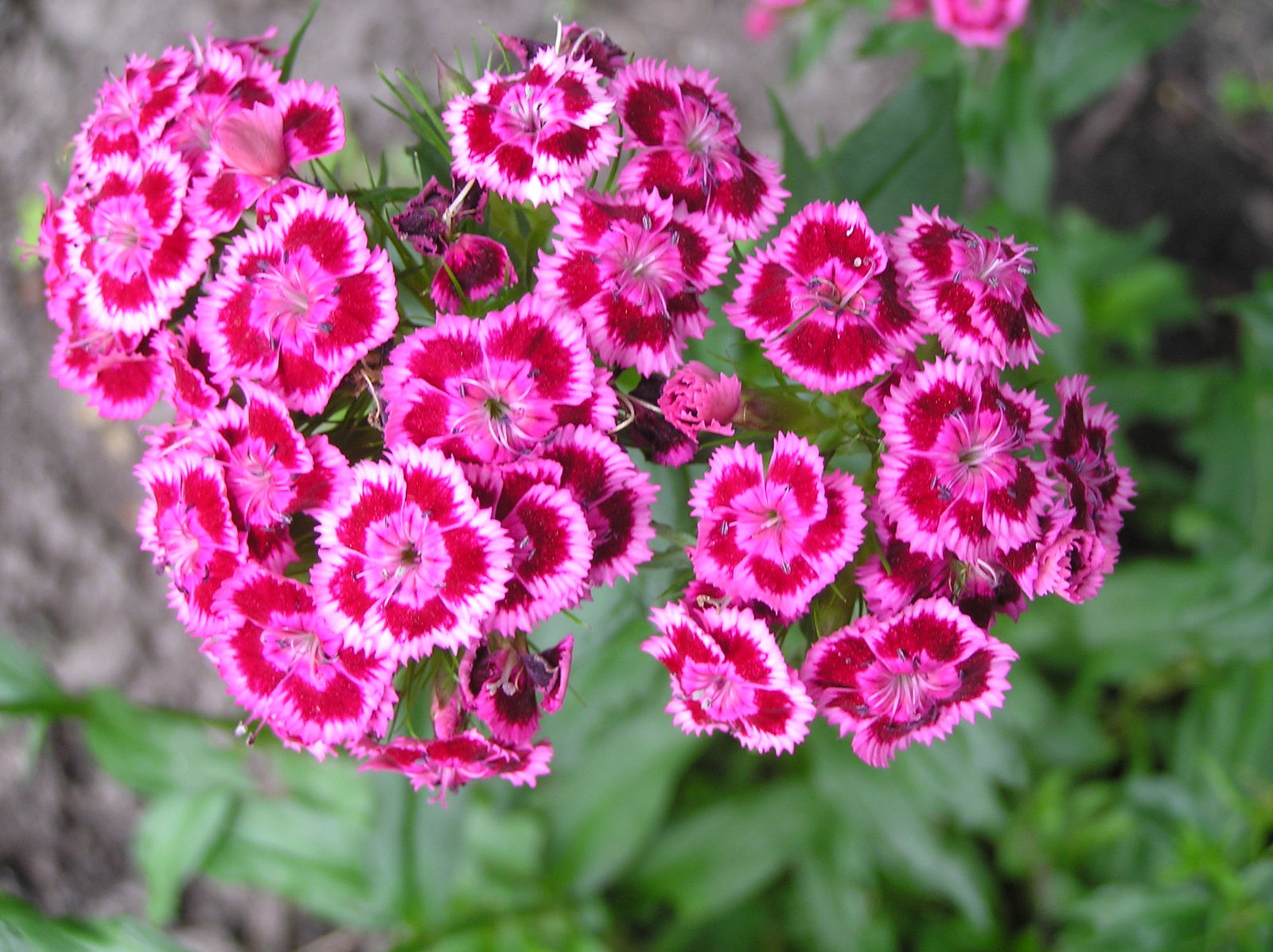
Leaves are opposite, simple, smooth, lance-shaped to oblong, and green, gray-green or blue-green. Rounded, tightly packed flower clusters top the stems, unlike the large individual flowers of florist carnations. 6
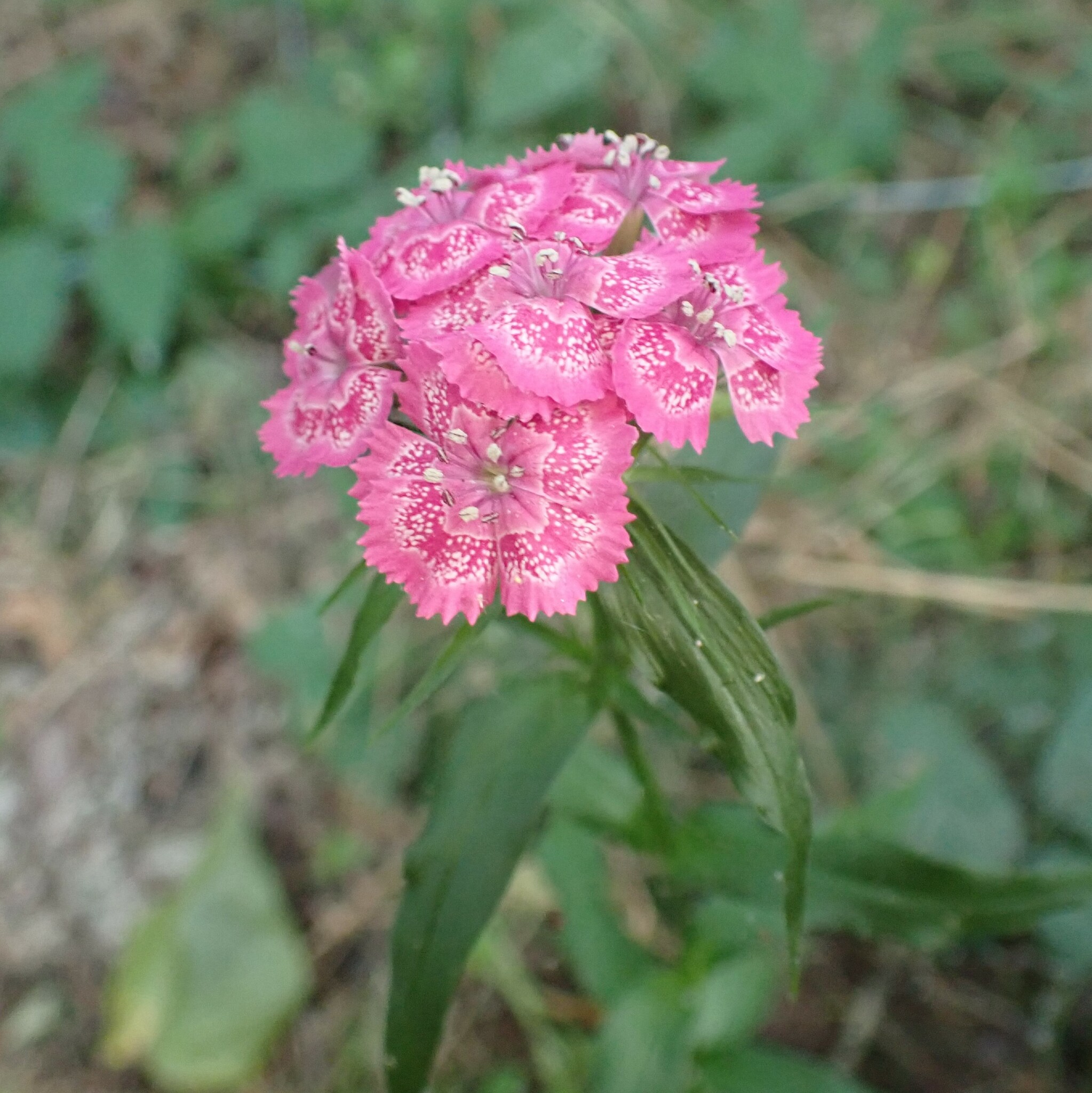
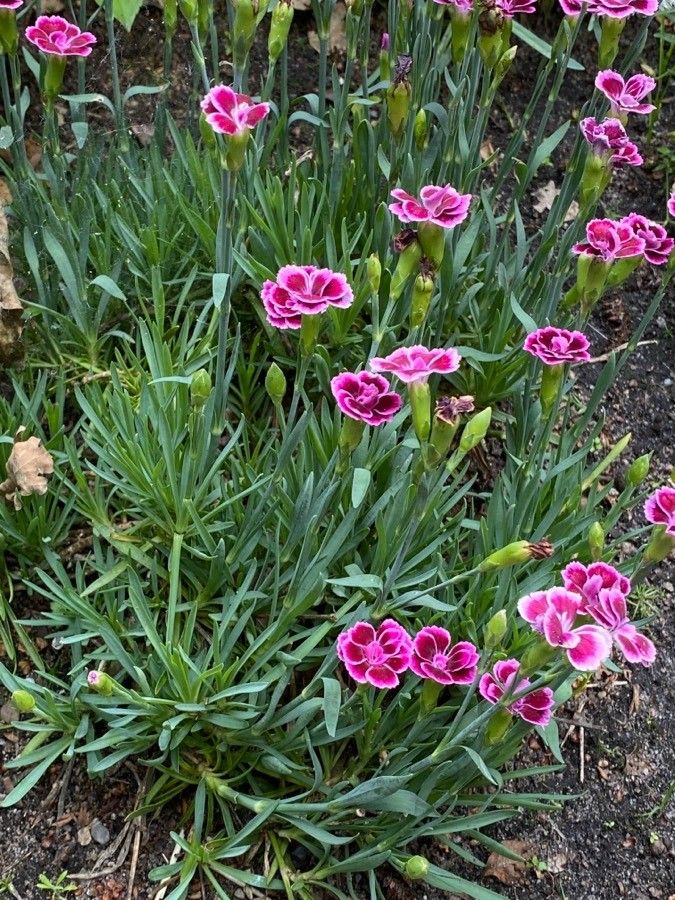
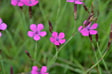
The five-petaled flowers are often fringed and fragrant, in white, pink, red, purple or two colors. Densely packed cymes create the impression of a small bouquet on each stem, giving garden plantings much of their impact. 6 4
Taxonomy and names
Dianthus barbatus L. is the botanical reference. POWO lists homotypic synonyms including Caryophyllus barbatus, Tunica barbata, Silene barbata, Cylichnanthus barbatus and Dianthus fimbriatus subsp. barbatus. These names may occur in older floras or herbarium records. 1
POWO also recognizes three accepted infraspecific taxa: Dianthus barbatus var. asiaticus, var. barbatus and var. compactus. They help explain the broad native range from European mountains to temperate eastern Asia. 1 3
Common names can mislead. Sweet William normally refers to D. barbatus, but toxicity databases and catalogs may use it alongside carnation and pinks. Check the binomial whenever growing or safety information might otherwise be confused with Dianthus caryophyllus. 7 3
Habitat and range
European mountains, the Russian Far East and northern Korea form the native range given by POWO/WCVP, within the temperate biome. Its detailed distribution includes France, Austria, Bulgaria, Hungary, Italy, Spain, Poland, Ukraine, Primorye and Korea. 1 2
Trefle gives a similar account and lists introductions in Great Britain, Germany, Scandinavia, North America, New Zealand and Central Asia. Long garden cultivation and occasional escapes account for this much wider presence. 3 10
French national records include Dianthus barbatus L., 1753, under several French names. Presence, native occurrence and invasive behavior are different matters; the species has no published invasive alien status in France. 11 1
Life cycle and bedding culture
For bedding, sweet-william is usually grown on a biennial cycle. Sow in late spring or summer, transplant the rosettes in fall, and expect flowers the following spring or early summer. RHS describes this pattern for 'Newport Pink' and other sweet-william selections. 4 5
Choose a bright position with good drainage and enough moisture while plants establish. NC State allows full sun to partial shade and loamy, sandy or organically rich soil with neutral pH. RHS likewise emphasizes sunlight and well-drained ground. 6 4
Deadheading extends flowering and keeps beds tidy. Saved seed may produce variable offspring, especially from cultivars. To preserve a dark color, compact habit or cut-flower selection, use cuttings of nonflowering shoots instead. 5 12
Common problems include slugs and snails on young plants, aphids, powdery mildew, rust, viruses, Fusarium wilt and crown rot, particularly where beds remain wet and poorly ventilated. 4 6
Uses, edibility and toxicity
Ornamental uses include cottage beds, borders, moist but drained containers and cut flowers. Dense, scented clusters are valuable in cutting gardens; compact cultivars suit edging and containers. 4 6
Food use is limited. PFAF lists sweet-william flowers as edible. For Dianthus caryophyllus, the University of Minnesota advises removing the bitter white petal base and using untreated flowers. These food-growing precautions matter when using edible Dianthus petals. Do not eat florist bouquets, treated garden-center plants or flowers whose identity is uncertain. 10 9
Risks to animals and sensitive people are described as low, but remain relevant. NC State lists low poisoning severity, mild skin irritation, leaves as the affected part, triterpenoid saponins and problems for cats, dogs and horses. RHS also warns of skin-allergen effects in people and animals for D. barbatus cultivars. 6 4
ASPCA’s “Sweet William” entry lists toxicity to dogs and cats, an unspecified irritant, mild digestive signs and mild dermatitis, but names Dianthus caryophyllus. It therefore warns about a shared common name rather than providing an exact taxonomic assessment of D. barbatus. 7 8
For people, edible petals require the strict food-growing conditions described above. Keep leaves and bedding plants out of pets’ reach, use gloves if sensitive, and consult a veterinarian if a cat or dog eats a significant amount and then vomits. 6 9
Cultivars and look-alikes
Cultivars shape much of the garden display. NC State mentions 'Green Ball', with dense green bracts for flower arrangements, and 'Heart Attack', dark red and more tolerant of heat and humidity. Perenual also lists 'Pinocchio' and 'Sooty' among sweet-william forms. 6 12
RHS describes 'Newport Pink', the Nigrescens Group and related modern series. A short-lived plant may be grown as an annual or biennial and make a good cut flower while still belonging to a selected group or cultivar rather than representing a wild form. 4 5
Sweet William is most often confused with carnation, Dianthus caryophyllus. The former has dense clusters of small flowers; the latter is best known for large florist blooms on cutting stems. French marigold is different again: despite its French name œillet d’Inde, it belongs to Tagetes, not Dianthus. 1 13
Main sources
- Plants of the World Online / Kew, Dianthus barbatus L.
- WCVP / Plants of the World Online, Dianthus barbatus
- Trefle, species data, Dianthus barbatus
- Royal Horticultural Society, Dianthus barbatus 'Newport Pink'
- Royal Horticultural Society, Dianthus barbatus Nigrescens Group
- NC State Extension Gardener Plant Toolbox, Dianthus barbatus
- ASPCA, Sweet William toxicity entry
- ASPCA animal toxicity data
- University of Minnesota Extension, Edible flowers
- Plants For A Future, Dianthus barbatus
- INPN / MNHN, Dianthus barbatus L., 1753
- Perenual, horticultural traits, Dianthus barbatus
- Plants of the World Online / Kew, Tagetes patula L.
Frequently asked questions
Is sweet-william a biennial or a perennial?
Both descriptions are used. Botanical references treat it as a short-lived perennial or subshrub, while gardeners often grow it as a biennial for a strong display in the second year.
Where should I plant sweet-william?
Choose a sunny bed, border, well-drained container or cutting garden. It favors moist but well-drained soil, preferably neutral to slightly alkaline.
Are sweet-william flowers edible?
Some sources describe Dianthus flowers or petals as edible. Use only correctly identified, untreated flowers grown for food, remove the bitter white petal bases, and use small quantities.
Is sweet-william poisonous to cats and dogs?
Yes, precautions are appropriate. NC State reports problems for cats, dogs and horses. ASPCA lists its Sweet William entry as toxic to dogs and cats, although that page names D. caryophyllus. The reported risk is low but real.
Can I save seeds from a cultivar?
Yes, but seedlings may differ from the parent. Nonflowering shoot cuttings are more reliable for preserving a particular color or habit.
Is sweet-william invasive in France?
No invasive alien status is published for France. POWO and Trefle include France in the native range, while INPN records its national presence.
Similar plants
If you are unsure about a plant’s toxicity, ask a botanist or veterinarian for advice.