
Blue gum (Eucalyptus globulus, )
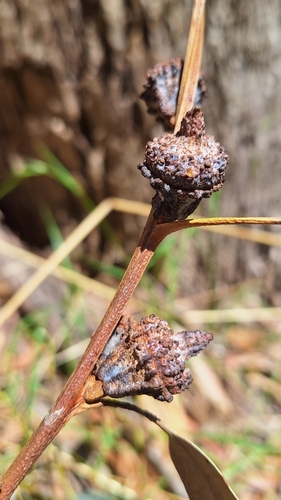
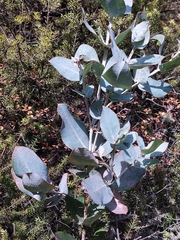
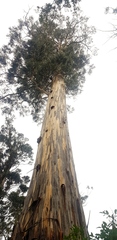
Blue gum (Eucalyptus globulus) is an evergreen tree in the Myrtaceae, native to southeastern Australia and Tasmania. Its waxy blue-gray juvenile leaves give way to green, sickle-shaped adult foliage. Long ribbons of bark peel from a trunk that can exceed 50 m (164 ft).
Read moreBlue gum, Southern blue gum and Tasmanian blue gum
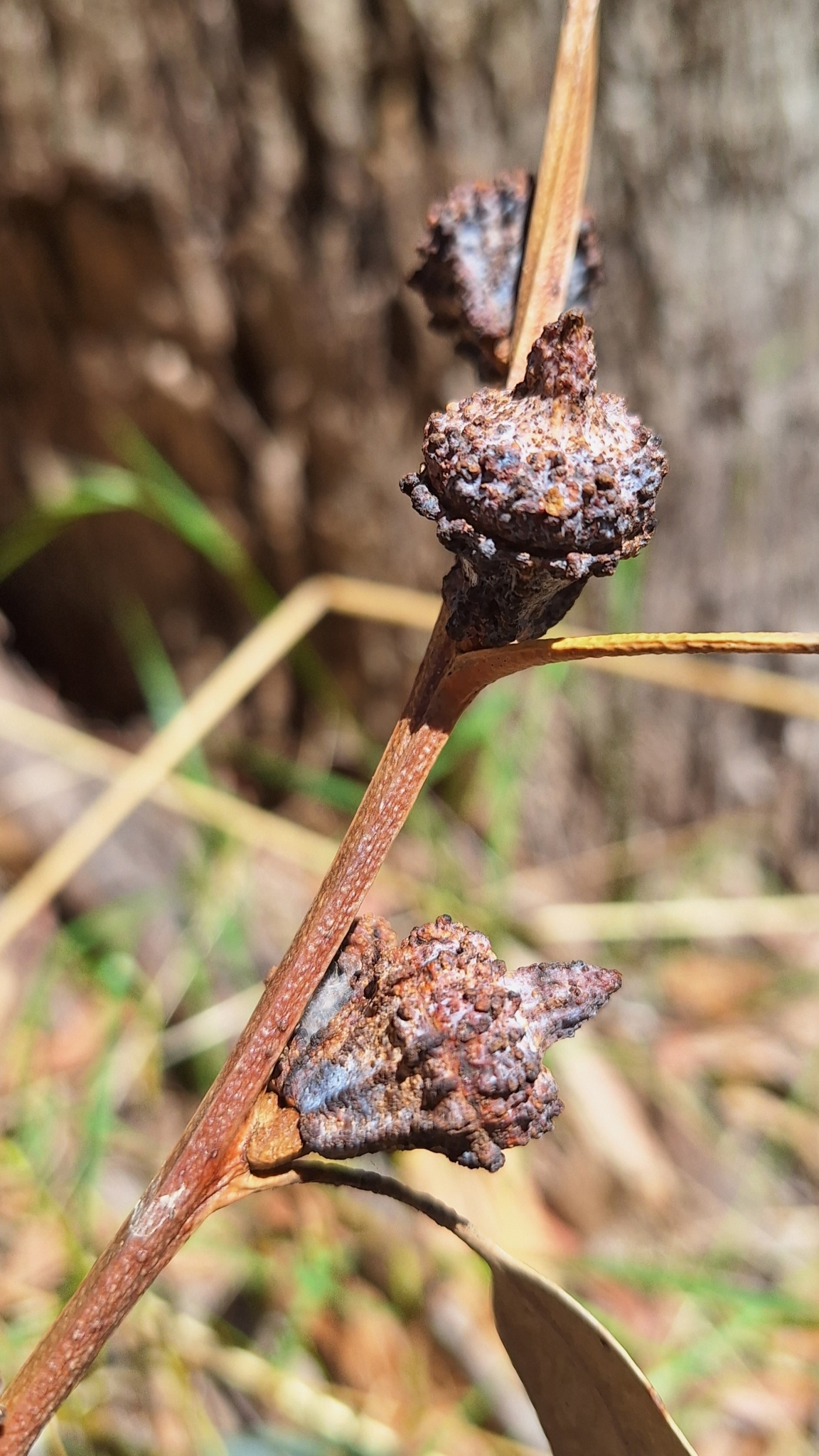


© photo
iNaturalist User · cc0
Tommy Forrest · cc0
Yoav Daniel Bar-Ness · cc-by
Taken Feb 27, 2011 by Tela Botanica − Yoan MARTIN (cc-by-sa)
Taken Dec 21, 2011 by Tela Botanica − Yoan MARTIN (cc-by-sa)
Taken Nov 10, 2021 by Jeff B (cc-by-sa)
Taken May 18, 2022 by huy HO (cc-by-sa)
© copyright of the Board of Trustees of the Royal Botanic Gardens, Kew.




Global distribution
Eucalyptus globulus is native to eastern Tasmania and southern Victoria, with isolated populations on King Island and Flinders Island. One of the world's most widely planted temperate eucalyptus for pulpwood and essential oil, it has naturalized in several Mediterranean-climate and coastal regions, sometimes becoming locally invasive.
- Native1
- Introduced1
- Invasive2
- Australia
- Spain
- Portugal
- California (United States)
Hexagons: regions where the plant occurs. Green dots: native range.1
Identity
Blue gum (Eucalyptus globulus Labill., 1800), also known as southern blue gum or Tasmanian blue gum, belongs to the Myrtaceae. The trunk commonly exceeds 30 m (98 ft) and sometimes reaches 60 m (197 ft) in Tasmania, with smooth bark peeling annually in long ribbons. French naturalist Jacques-Julien Houtou de Labillardière collected it on the island's southeastern coast in 1792–93, during Bruny d'Entrecasteaux's expedition in search of La Pérouse, before describing it. 1 2
The name blue gum refers to the blue-gray, waxy bloom on juvenile leaves and some young growth. The epithet globulus instead describes the rounded flower bud and subsequent woody capsule. The species is also Tasmania's official floral emblem, proclaimed in 1962. 2 7
Recognition
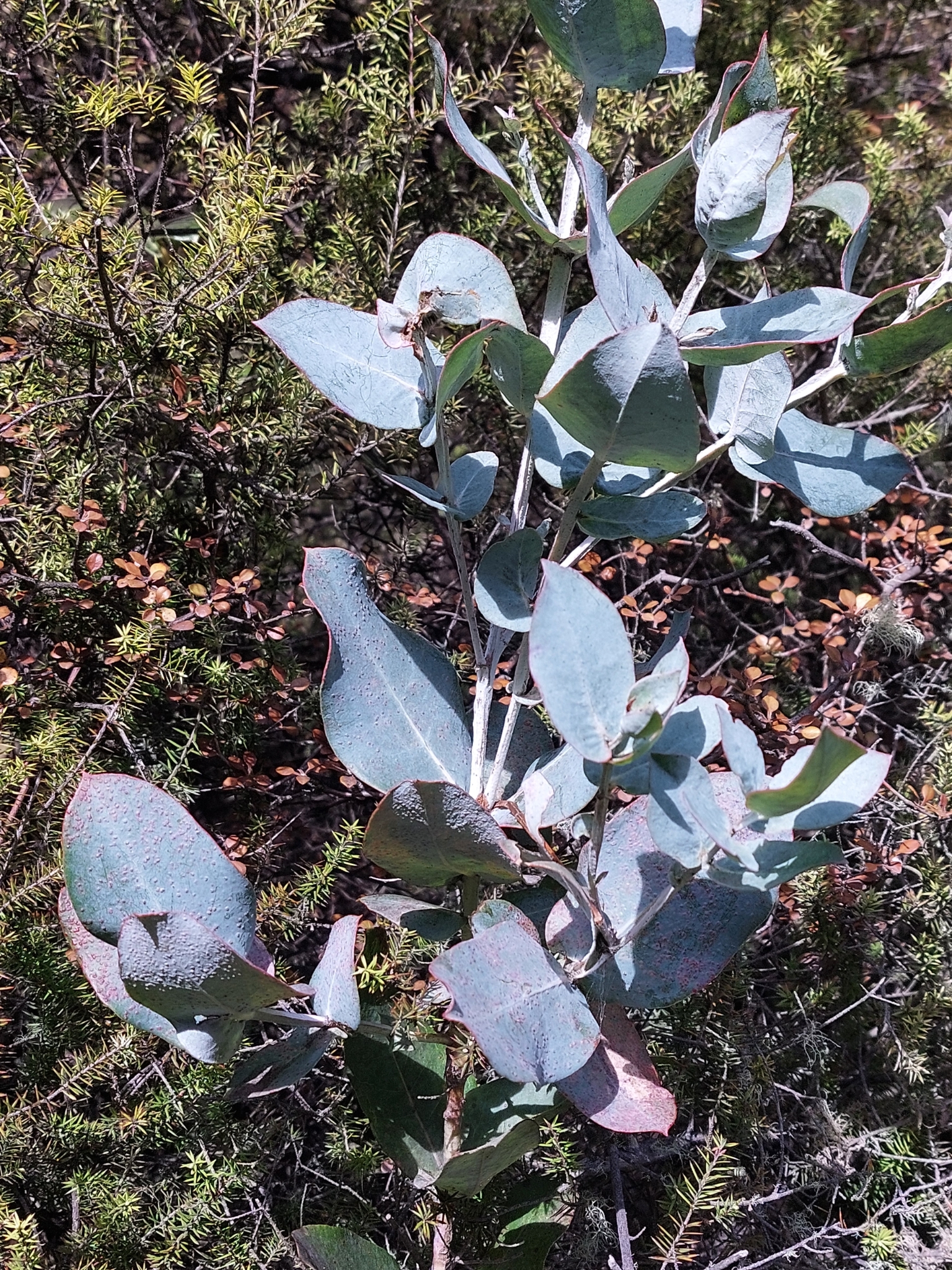
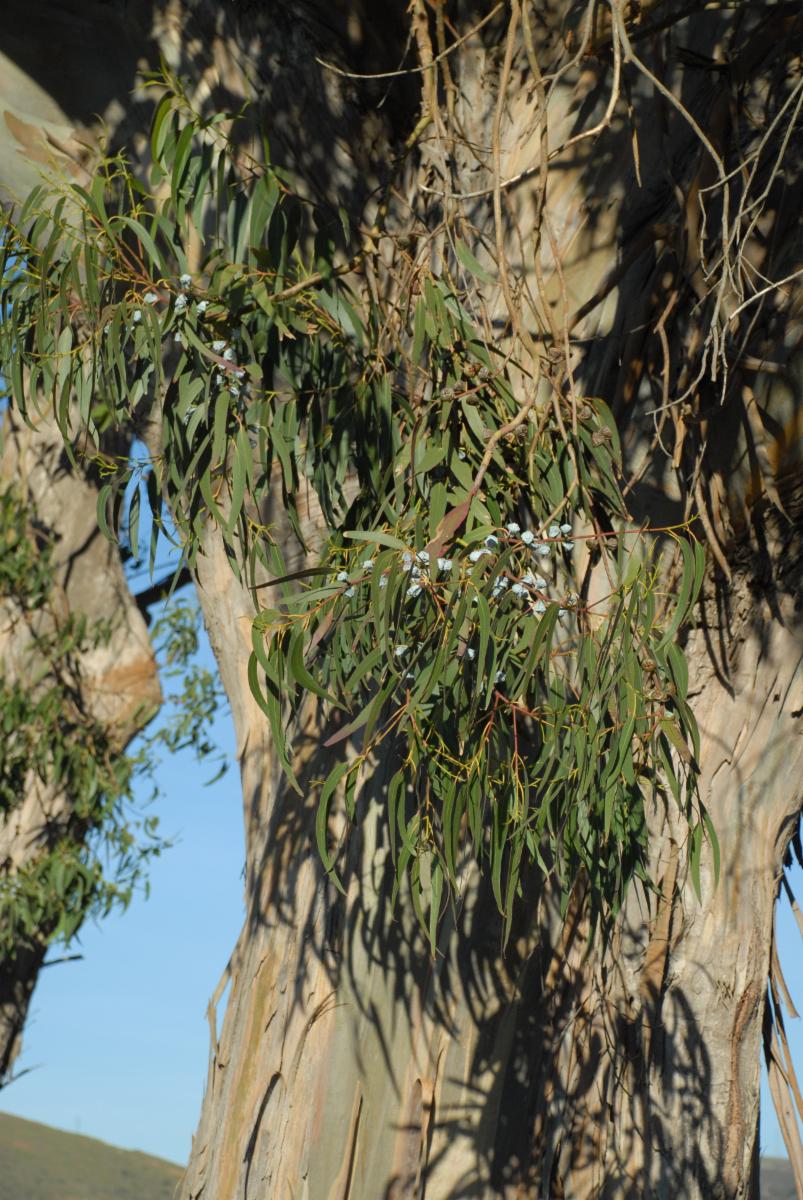
Eucalyptus globulus changes markedly between juvenile and adult growth. Young leaves are opposite, oval, 6–15 cm (2.4–6 in) long, blue-gray and waxy, on square stems. Adult leaves become alternate, green, glossy and falcate, or sickle-shaped, 15–35 cm (6–14 in) long, with a strong balsamic scent when crushed. Repeated coppicing prevents a dominant leader from developing and keeps the foliage indefinitely juvenile and blue-gray. 2 3
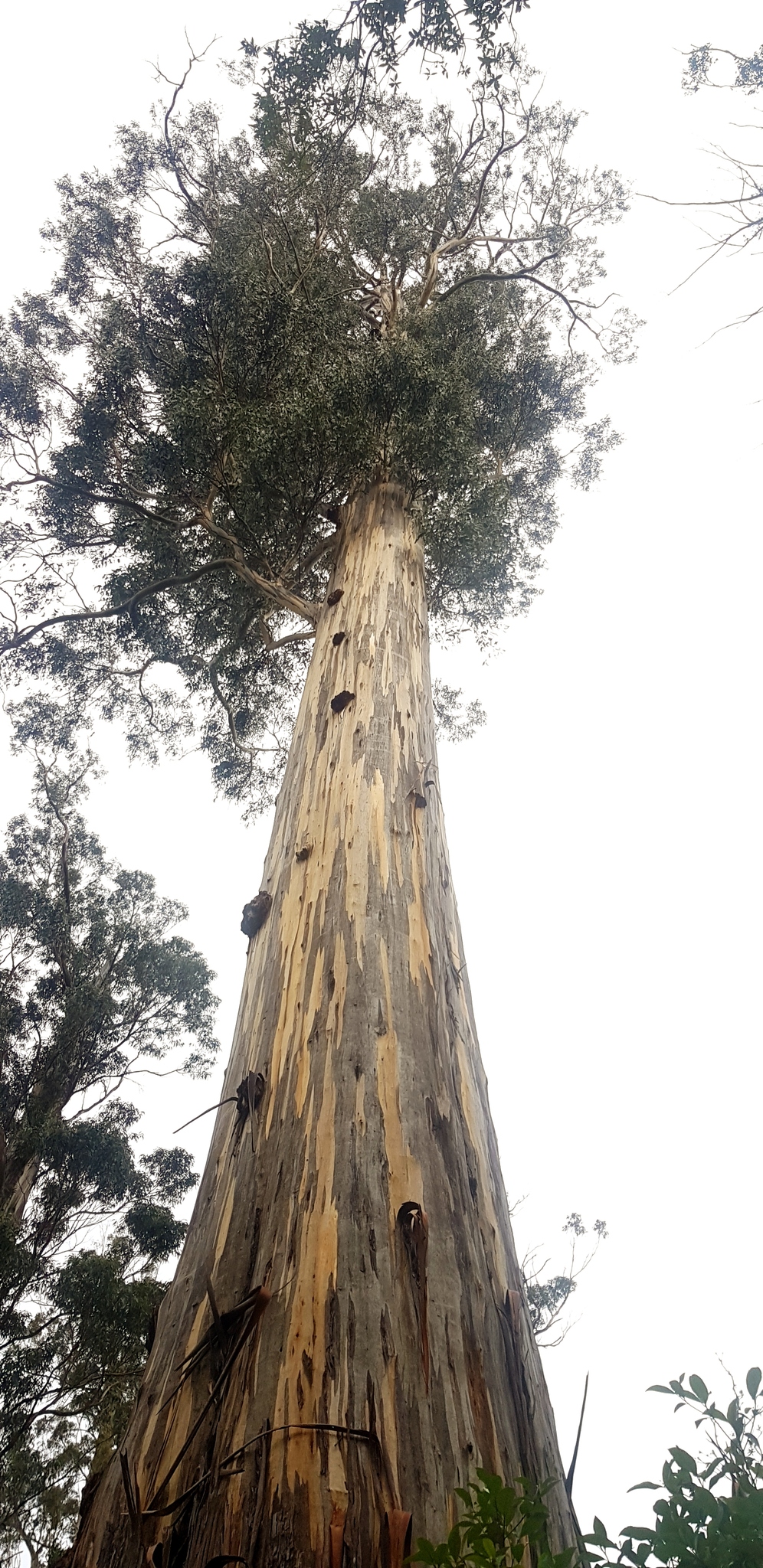
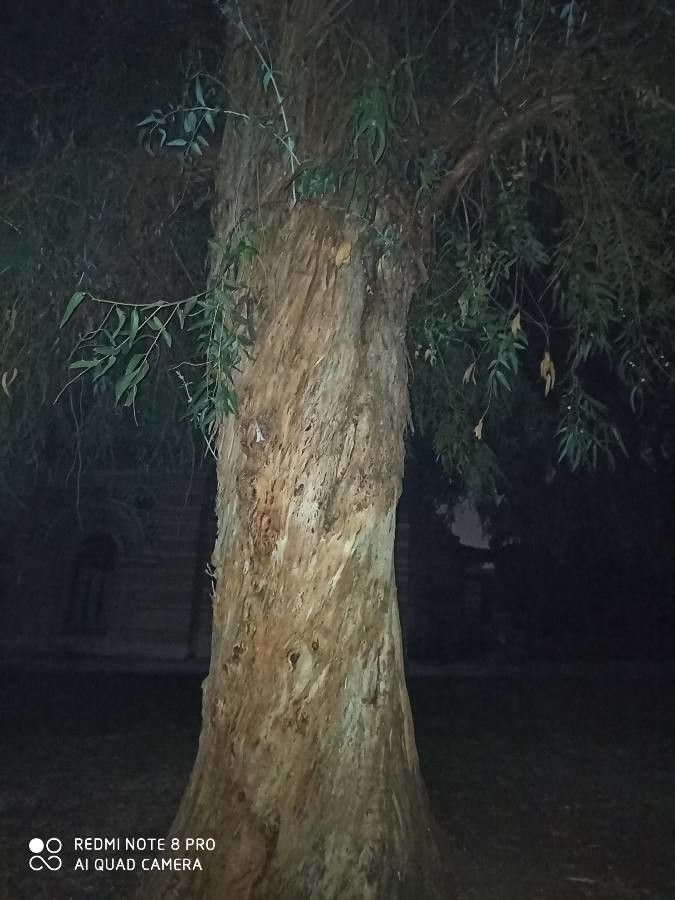
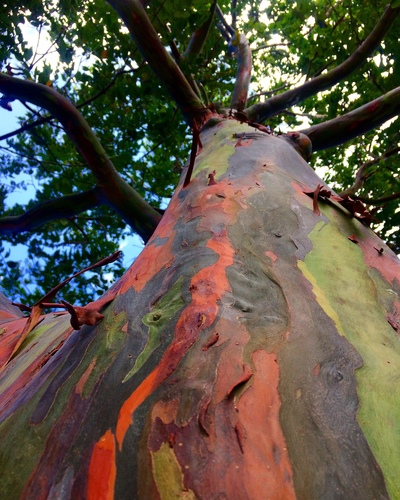
The main trunk has smooth, gray-white bark that peels annually in long, often reddish ribbons, exposing a pale surface beneath. At the base, rough bark persists. This contrast helps distinguish the species from eucalyptus with entirely persistent bark. 2 5
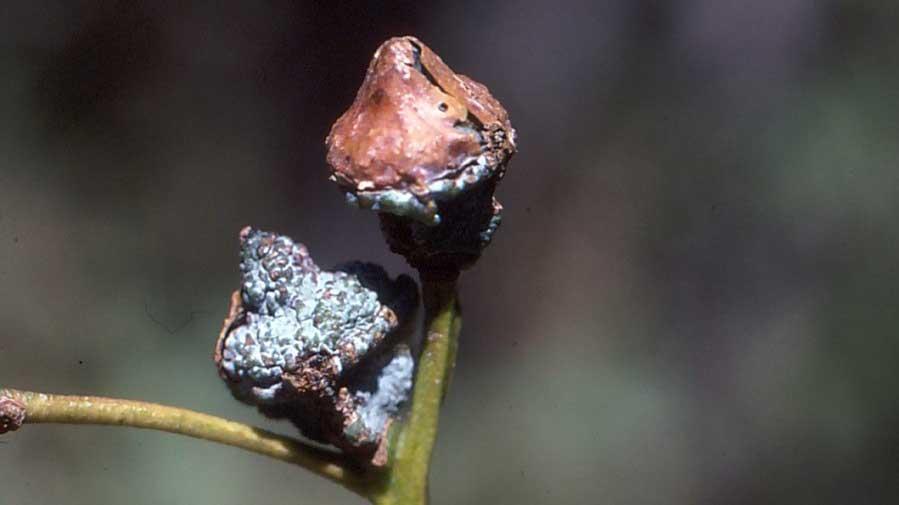
Solitary buds in the leaf axils are glaucous, ribbed and covered by a warty operculum about 2.5 cm (1 in) across. Flowering is followed by a top-shaped woody capsule, also glaucous and ribbed, about 1.5–2 cm (0.6–0.8 in) across. Four or five valves open to release tiny seeds. Wild trees commonly reach 30–55 m (98–180 ft), with official records of about 60 m (197 ft) for particularly large Tasmanian trees. 2 5
Useful taxonomy
Kew accepts Eucalyptus globulus. Three populations formerly treated as subspecies are now recognized by Plants of the World Online as separate species:
- Eucalyptus bicostata Maiden, Blakely & Simmonds, formerly subsp. bicostata
- Eucalyptus maidenii F.Muell., formerly subsp. maidenii
- Eucalyptus pseudoglobulus Naudin ex Maiden, formerly subsp. pseudoglobulus
These three taxa share glaucous juvenile foliage and a similar habit. Differences chiefly concern fruit and bark, which are difficult to assess without direct comparison. Complete scientific names are particularly useful because blue gum is also used commercially for several of these species. 1
Habitat and range
Eastern Tasmania and southern Victoria form its native range, with isolated populations on King Island and Flinders Island in Bass Strait. It grows in moist temperate forest, cool valleys and deep, fertile soils, often beside watercourses. 1 2
Beyond Australia, Eucalyptus globulus is among the most widely planted temperate eucalyptus for pulpwood, with major plantations in Chile, Portugal, Spain and South Africa. Introduced to California in 1856, it now covers about 16,000 hectares (39,500 acres) there. Natural regeneration occurs around plantation edges; the California Invasive Plant Council rates its invasive impact as Limited, although it is locally problematic. 5 8
In Portugal, spontaneous establishment, particularly after fire, is more extensive. The species has established across the country, including the Azores and Madeira, with documented impacts on riparian forests and protected oak woodland. In metropolitan France it is chiefly cultivated along the Mediterranean coast and on Corsica, where older plantings were used to drain marshy ground. 9 7
Life cycle and reproduction
Flowering occurs in spring and summer, depending on the region. White to cream flowers lack visible petals and are larger than those of most other Tasmanian eucalyptus. They attract numerous insects and nectar-feeding birds. 2 5
The seeds are relatively large for the genus, at about 460 seeds per gram (13,000 per oz), but travel only short distances. From a 40 m (131 ft) canopy, a 10 km/h (6 mph) wind carries them only about 20 m (66 ft). The tree has no pronounced taproot, instead rooting throughout the soil profile where conditions allow. This helps explain both drought tolerance once established and vulnerability to branch fall in strong winds. 5 4
Nurseries propagate it almost exclusively by seed; cuttings from most adult eucalyptus remain unreliable. After fire, the tree seldom survives direct burning of its tissues, but sprouts vigorously from dormant buds on the trunk and at its base, a response shared by many eucalyptus. 5
Uses and risks
Heavy, durable wood chiefly supplies the pulp industry. Steam distillation of the leaves yields essential oil amounting to about 0.9% of their weight, used in perfumery, cleaning products and traditionally for respiratory antiseptic purposes. 4
ASPCA classifies eucalyptol in eucalyptus oil as toxic to cats, dogs and horses. Eating leaves or oil causes salivation, vomiting, diarrhea and depression. In people, high oral doses of the oil are also toxic, contact can cause dermatitis, and use near an infant's face is discouraged. 6 4
Ribbon-shedding bark and oil-rich foliage make the tree highly flammable. In Portugal and California, its presence is associated with increased fire risk and allelopathic effects that inhibit regeneration of local tree species. 9 8
Varieties, look-alikes and related plants
No horticultural cultivars are widely distributed. Differences between trees, including intensity of the waxy bloom and growth rate, mainly reflect age and growing conditions rather than deliberate cultivar selection. 4
Confusion chiefly involves the former subspecies now recognized as species, Eucalyptus bicostata Maiden, Blakely & Simmonds and Eucalyptus maidenii F.Muell., with similar glaucous foliage and habit. Other blue-leaved ornamentals, such as Eucalyptus gunnii, are sometimes sold simply as blue gum, although they remain much smaller in temperate cultivation. 1 3
When flowers or fruit are unavailable, bark provides a useful clue. The strong contrast between a smooth, ribbon-shedding trunk and a persistent rough base is more marked in Eucalyptus globulus than in most close relatives grown in temperate climates.
Main sources
- Plants of the World Online / Kew, Eucalyptus globulus Labill.
- Australian National Botanic Gardens, Eucalyptus globulus, floral emblem of Tasmania
- Royal Horticultural Society, Eucalyptus globulus
- Plants For A Future, Eucalyptus globulus
- USDA Forest Service, Silvics of North America, Bluegum eucalyptus
- ASPCA, Eucalyptus toxicity entry
- INPN / MNHN, Eucalyptus globulus Labill., 1800 (cd_nom 97401)
- California Invasive Plant Council, Eucalyptus globulus profile
- Invasoras.pt, Eucalyptus globulus invasive plant profile (Portugal)
Frequently asked questions
Why is Eucalyptus globulus called blue gum?
A blue-gray wax coats the juvenile leaves and some young bark. The green, sickle-shaped adult leaves largely lose this bluish color.
Is southern blue gum poisonous to animals?
Yes. ASPCA classifies eucalyptus foliage rich in the essential oil eucalyptol as toxic to cats, dogs and horses. Ingestion can cause salivation, vomiting and diarrhea.
Why does southern blue gum shed its bark?
The main trunk renews its bark annually in long ribbons, revealing a smooth gray-white surface. The base often retains rough, persistent bark.
How do Eucalyptus globulus and Eucalyptus bicostata differ?
Long grouped under the same name, they are now accepted as separate species by Plants of the World Online, distinguished chiefly by details of the fruit and bark.
Can southern blue gum grow in metropolitan France?
It is cultivated and sometimes naturalized on the Mediterranean coast and Corsica. Its intolerance of prolonged frost limits lasting outdoor cultivation to the mildest regions.
Why is southern blue gum invasive in some countries?
In Portugal and California, rapid growth, abundant seed and allelopathic compounds inhibit regeneration of local tree species, contributing to its localized invasive classification.
Is southern blue gum essential oil dangerous?
Ingested at high doses, it is toxic to people as well as animals and can cause contact dermatitis. Its use needs appropriate supervision, particularly near an infant's face.
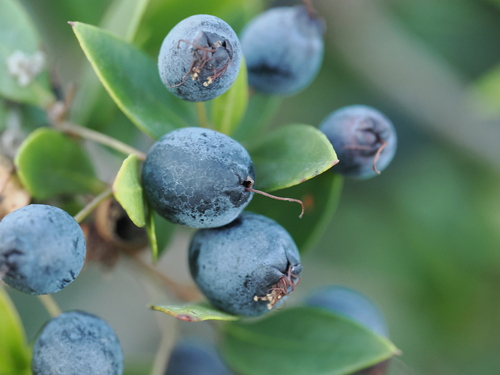
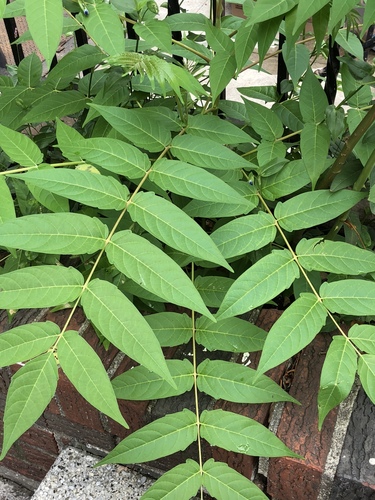
Similar plants
If you are unsure about a plant’s toxicity, ask a botanist or veterinarian for advice.