
Petty spurge (Euphorbia peplus, )
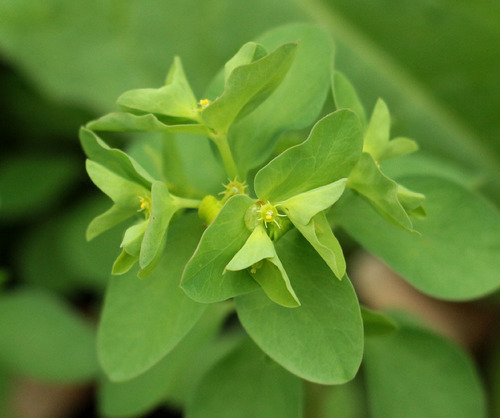
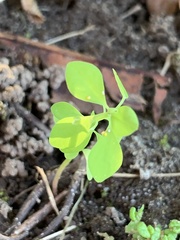
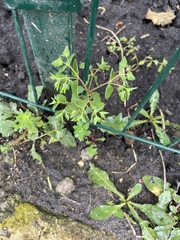
Petty spurge (Euphorbia peplus L.) is a small annual in the Euphorbiaceae family, native to the Mediterranean basin, Europe and North Africa and now a cosmopolitan weed. Its caustic white sap and crescent-shaped floral glands with two horns distinguish it in disturbed garden and vegetable-bed soils. It supplied the compound behind Picato, a medicine since withdrawn from the market.
Read morePetty spurge and radium weed
Place in indirect light or in a shaded room.
Partial to light shade; tolerates sun in moist soil
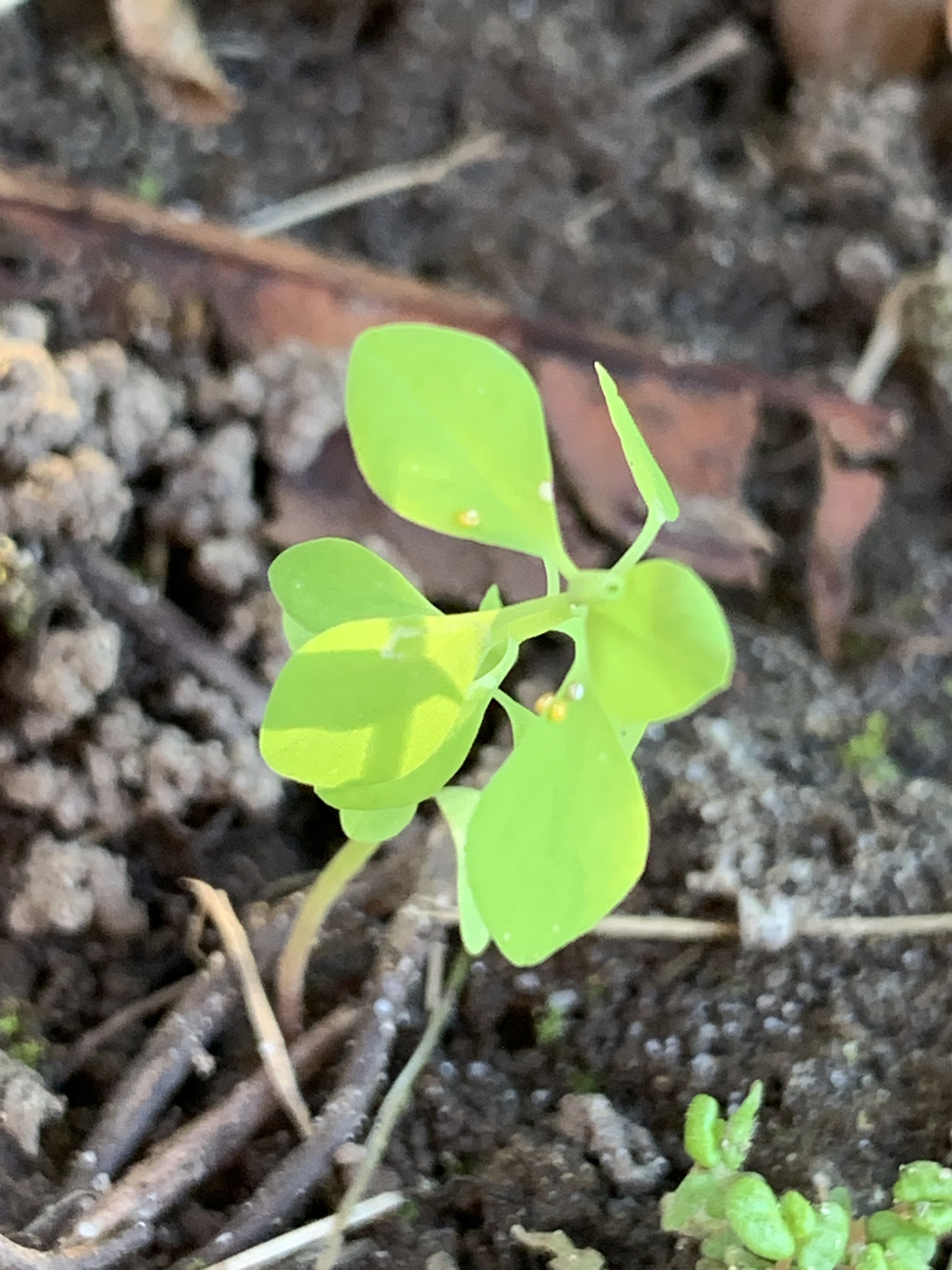
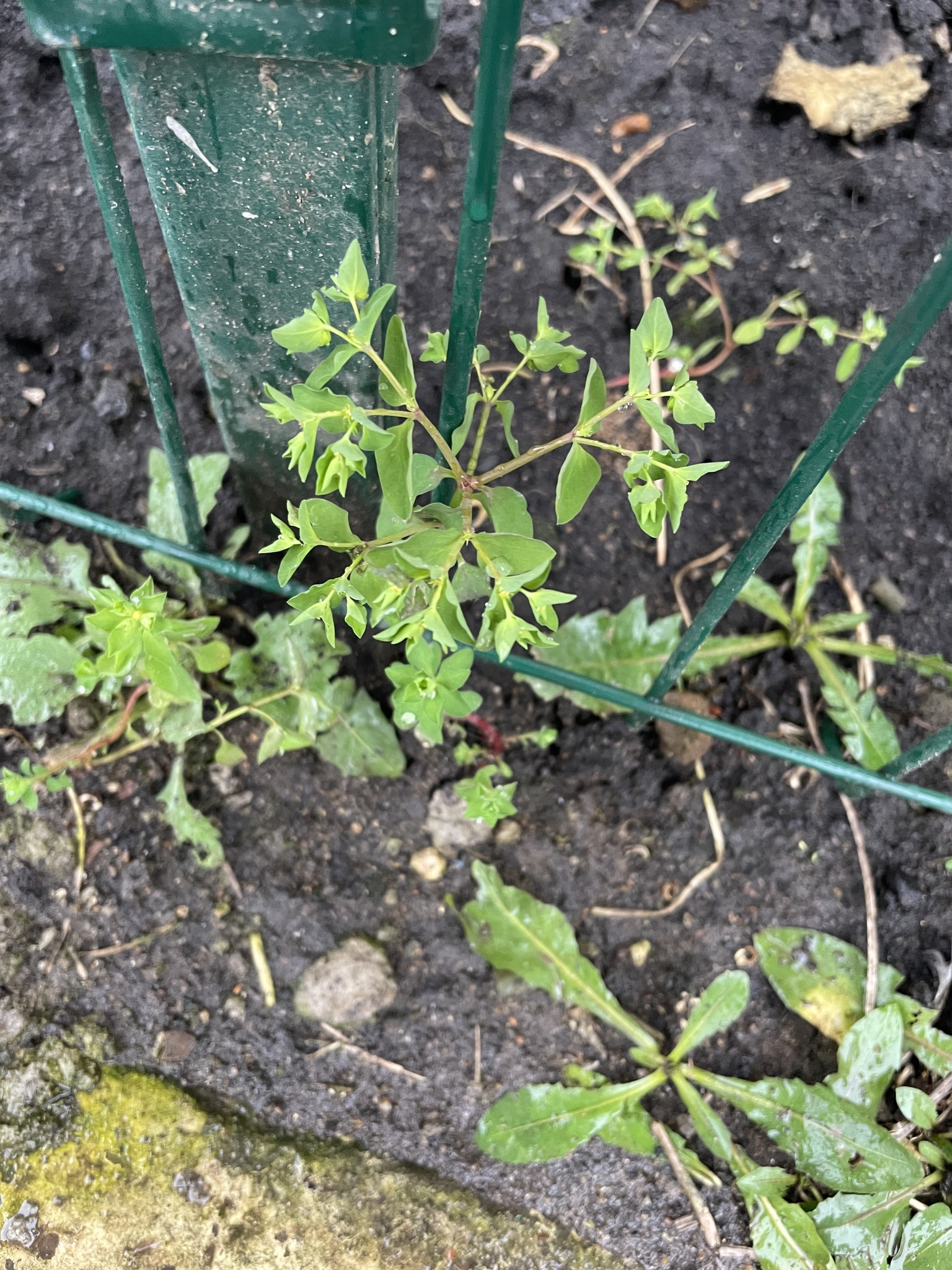


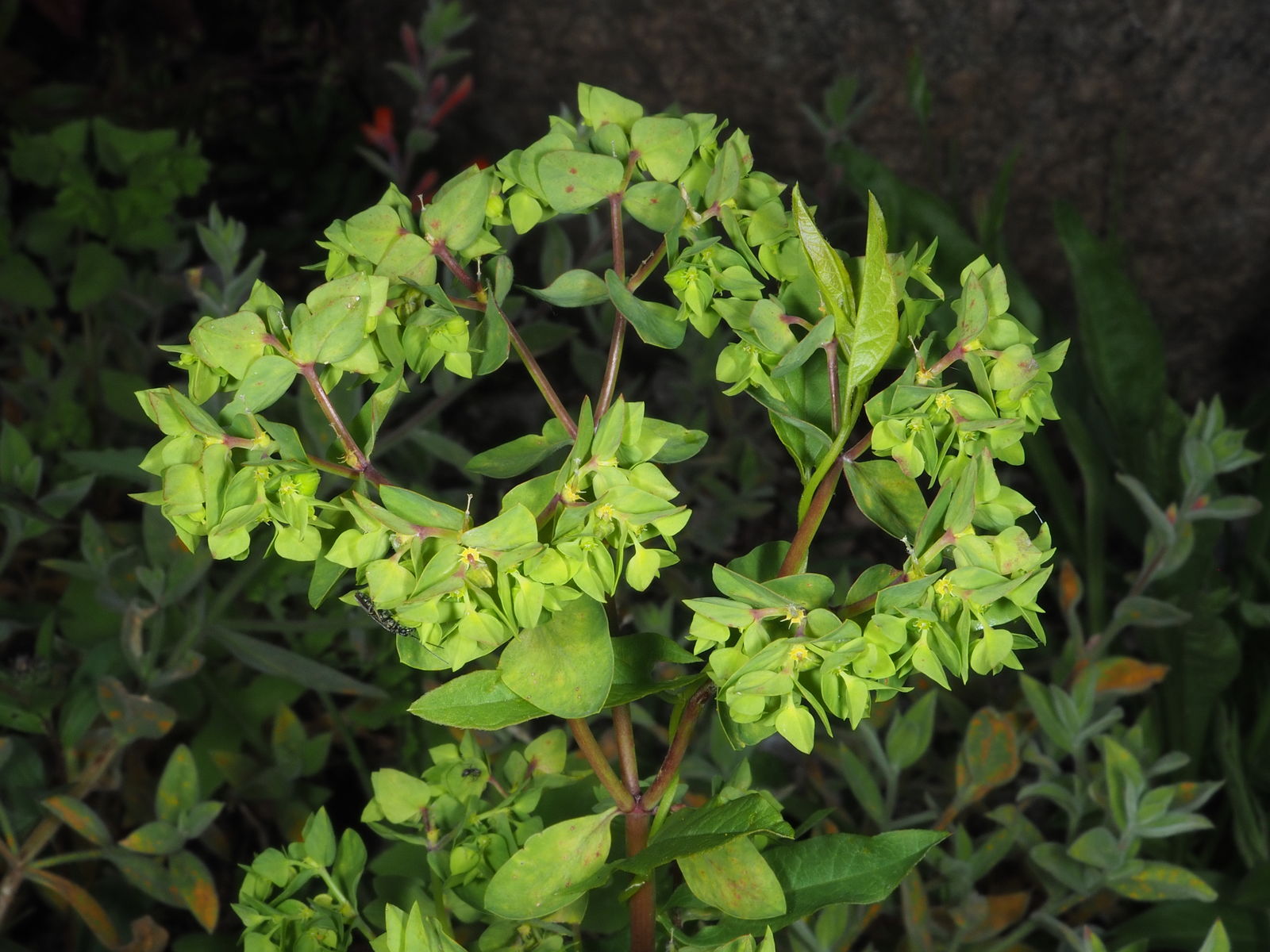
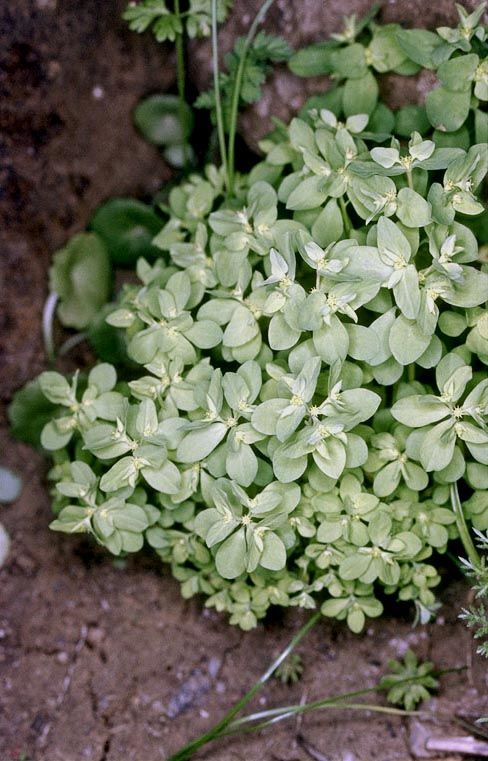
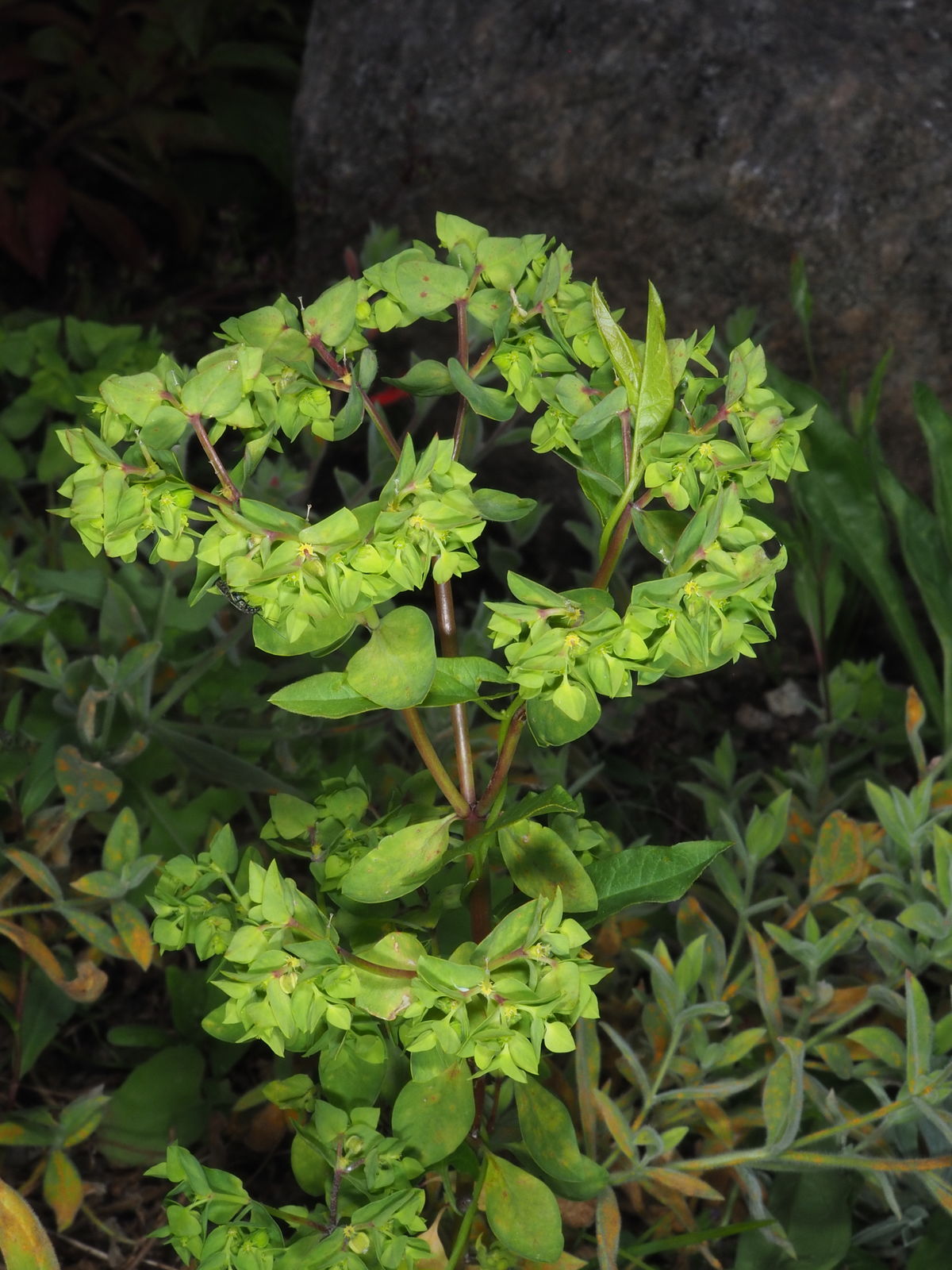
© photo
(c) Sergey Mayorov, some rights reserved (CC BY-NC), uploaded by Sergey Mayorov · cc-by-nc
iNaturalist User · cc0
Силаева Татьяна Борисовна · cc0
Taken Apr 15, 2016 by Tela Botanica − Jade Boches (cc-by-sa)
Taken Feb 15, 2016 by Tela Botanica − jean-marie PAGNIER (cc-by-sa)
Taken Aug 22, 2021 by Angela Lanspeary (cc-by-sa)
Taken Nov 19, 2022 by KP Laer (cc-by-sa)
Taken Mar 8, 2020 by Florent Portalez (cc-by-sa)
© copyright of the Board of Trustees of the Royal Botanic Gardens, Kew.




Global distribution
Euphorbia peplus is native to the Mediterranean basin, Europe and North Africa south to Somalia and east to the western Himalaya. Agricultural and horticultural trade has introduced this cosmopolitan weed to most continents; it is not listed among regulated species in Europe. In mainland France, including Corsica, it is widespread and common.
- Native5
- Introduced5
- Metropolitan France
- Spain
- Italy
- Morocco
- Pakistan
- United States
- Australia
- New Zealand
- South Africa
- Japan
Hexagons: regions where the plant occurs. Green dots: native range.1
Identity
Petty spurge (Euphorbia peplus L.) was described by Carl Linnaeus in 1753. The Latin binomial is a stable identifier for this small annual in the genus Euphorbia, family Euphorbiaceae, amid numerous French and English common names. 1 2
The French ésule comes from Latin esula, an old collective name for herbaceous spurges; ronde refers to this annual's compact outline and rounded leaves. English names include petty spurge, cancer weed and radium weed. The latter two recall traditional applications of the sap to skin lesions. 4 3
The whole plant releases caustic white latex when injured, as do most Euphorbiaceae. This feature points toward Euphorbia even before the flowers are examined. 5
Recognition
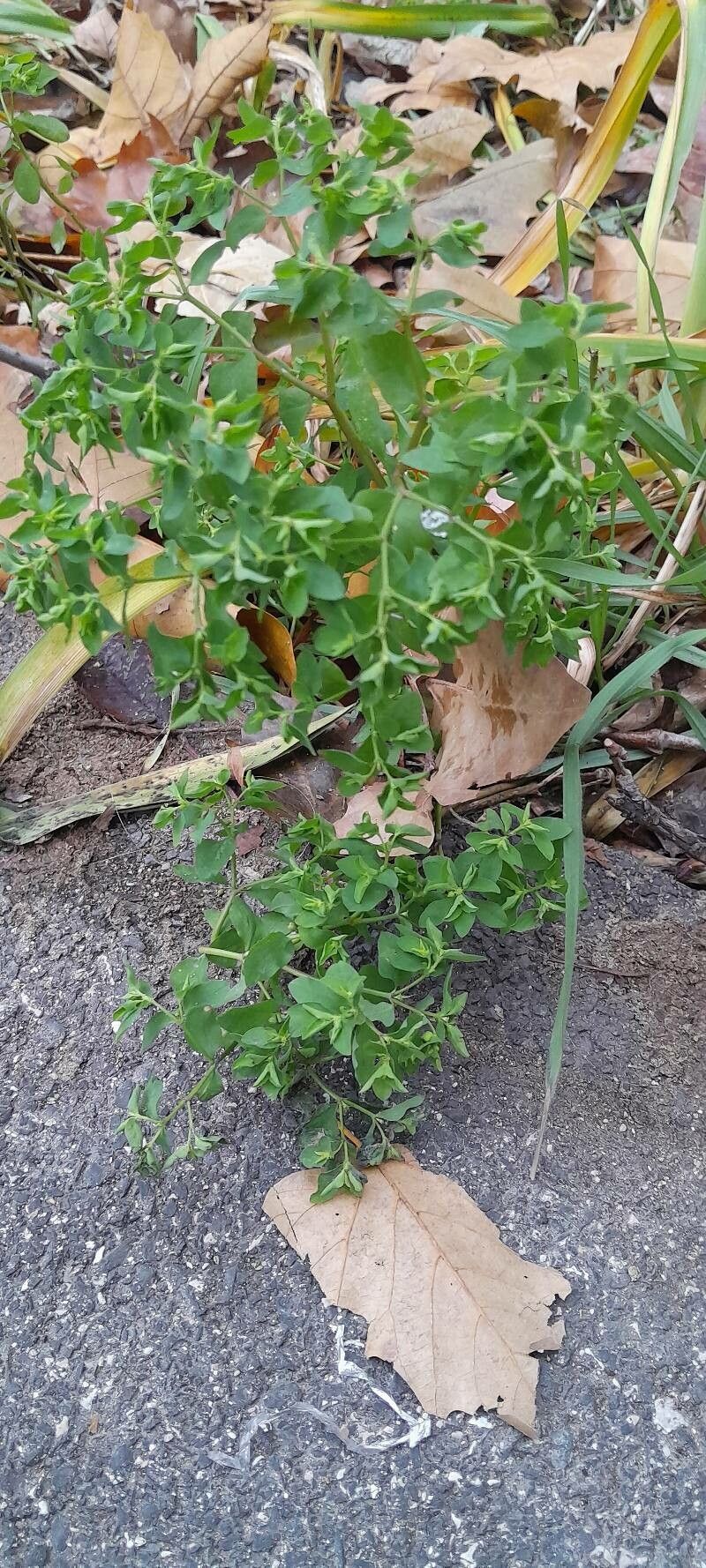
Euphorbia peplus is a small, hairless annual, with upright green stems sometimes tinged red. It grows 5–40 cm (2–16 in) tall depending on soil and moisture. The alternate, obovate, untoothed leaves measure 1–3 cm (0.4–1.2 in) long and narrow into a short stalk. 4 6
The most reliable feature is the cyathium, the characteristic flowerlike structure of Euphorbiaceae. This tiny cup, about 2 mm (0.08 in) across, carries four crescent-shaped glands, each with two slender, spreading horns. The gland shape should be assessed together with the hairless stems and untoothed, obovate leaves when distinguishing it from neighboring species. 6
After fertilization, the cyathium produces a smooth, hairless capsule, slightly three-lobed and projecting beyond the floral cup. Grayish seeds are pitted and carry a white caruncle at the tip. The ripe capsule bursts, throwing seeds several tens of centimeters (several inches) from the parent. Without this mechanism, the plant would remain at its germination point rather than colonizing a whole patch of bare ground in one season. 6
Useful taxonomy
POWO and WCVP accept Euphorbia peplus L. with two recognized infraspecific taxa: the widespread typical variety, Euphorbia peplus var. peplus, and the smaller Mediterranean Euphorbia peplus var. minima DC. 1
Older floras also use synonyms such as Euphorbia peplus subsp. peploides (Gouan) Ball, Euphorbia peplus var. maritima Boiss. and Euphorbia peplus var. minor Willd. For ordinary identification, these historical names add little beyond the accepted name. 1
The genus Euphorbia contains more than 2,000 species, ranging from cactus-like succulents to garden annuals. Among species of similar outline, petty spurge's hairless stem, untoothed leaves and especially its two-horned glands resolve most field confusions without a hand lens or herbarium specimen. 2
Habitat and range
The native range covers the Mediterranean basin, Europe and North Africa south to Somalia, extending east to the western Himalaya. In France the species is native and common throughout the mainland, including Corsica. Disturbed garden soil is enough for it to establish, without requiring a particular local climate. 1 3
Now a cosmopolitan weed, it has spread to most continents through agricultural and horticultural trade, without appearing among regulated species in Europe. Go Botany describes it as widespread in North America, where it is treated as a naturalized Eurasian introduction rather than a native species. 6 7
The University of California's integrated pest management program particularly records it in moist, shaded gardens and vegetable beds in coastal and southern areas. Rubble, cultivated soils, borders and infrequently weeded beds also suit it, just as in its native range. 5
Life cycle and reproduction
Euphorbia peplus has an annual cycle, sometimes completed in only six to eight weeks under favorable conditions. Germination begins when moist, disturbed soil provides light, often after digging or weeding. 5
Flowering extends from spring into autumn: April–September in France, and from February in mild climates such as coastal California. Several generations can follow in one year, producing an almost continuous presence in regularly cultivated gardens. 4 5
Each ripe capsule releases seeds by explosive dehiscence. The three chambers open abruptly, projecting seeds away from the parent and colonizing bare ground much more effectively than simply dropping them beneath it. 6
Uses and risks
The sap is caustic and irritating, as in most Euphorbiaceae. The ASPCA lists Euphorbia among plants toxic to cats and dogs. Contact irritates the mouth, eyes and skin, while ingestion can cause salivation and vomiting. 8
Petty spurge sap also has an unusual pharmaceutical history. An Australian team studied the sap against superficial nonmelanoma skin cancers in clinical research published in 2011. Its compound ingenol mebutate was subsequently marketed as Picato, approved from 2012 for actinic keratosis. 9
Picato's commercial success was later challenged. In 2020, after reassessing the benefit-risk balance, the European Medicines Agency concluded that treated patients developed more skin cancers, notably squamous cell carcinomas, than patients receiving comparator treatments. Its marketing authorization was withdrawn that year. 10
Three garden precautions limit exposure: never apply raw sap to a wound or skin lesion, wear gloves when pulling plants, and rinse eyes thoroughly after accidental contact. 5 8
Varieties, look-alikes and related plants
No horticultural cultivar exists for Euphorbia peplus. Its two recognized taxa, var. peplus and var. minima, remain botanical forms without ornamental or commercial value. 1
The most frequent look-alikes are other annual spurges of European gardens:
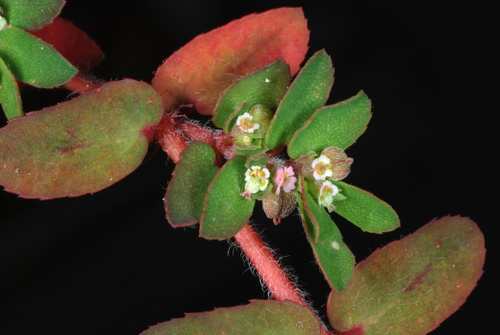
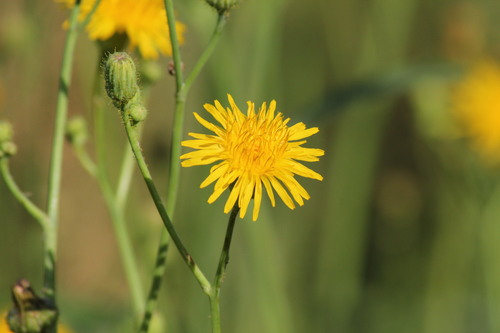
- Euphorbia helioscopia has finely toothed oval leaves and brown, hornless disk-shaped glands;
- Euphorbia exigua has very narrow linear leaves, much finer than those of Euphorbia peplus;
- Euphorbia lathyris is a much taller biennial with opposite, cross-arranged leaves;
- Euphorbia maculata, another introduced weed, creeps along the ground and often has red leaf spots.
The crescent-shaped floral glands with two horns, considered together with the leaves and stem, help identify Euphorbia peplus when its overall outline is ambiguous. 6
Main sources
- Plants of the World Online / Kew, Euphorbia peplus L.
- ITIS, Euphorbia peplus L., TSN 28117
- INPN / MNHN, Euphorbia peplus L., 1753, CD_nom 97609
- Tela Botanica / eFlore BDTFX, Euphorbia peplus
- UC Statewide IPM Program, Petty Spurge (Euphorbia peplus)
- Go Botany / Native Plant Trust, Euphorbia peplus
- USDA PLANTS Database, Euphorbia peplus plant profile (EUPE6)
- ASPCA, Euphorbia toxic plant entry
- Ramsay et al., 2011, sap from Euphorbia peplus is effective against human nonmelanoma skin cancers, British Journal of Dermatology
- European Medicines Agency, review of Picato concludes the medicine's risks outweigh its benefits
Frequently asked questions
Is petty spurge toxic to cats and dogs?
Yes. Its caustic sap irritates the mouth, eyes and skin and can cause vomiting if ingested. The ASPCA lists Euphorbia among plants toxic to cats and dogs.
How can I identify petty spurge in the garden?
Look for a hairless annual 5–40 cm (2–16 in) tall, with untoothed, obovate leaves and white sap released immediately by a broken stem. Crescent-shaped floral glands with two slender horns are the most reliable feature.
Was petty spurge used to make a skin cancer medicine?
Its sap supplied ingenol mebutate, marketed as Picato from 2012 to treat precancerous skin lesions. The European Medicines Agency withdrew its authorization in 2020 after finding an increased risk of skin cancer in treated patients.
Should I try petty spurge sap on a skin lesion?
No. Despite its longstanding folk use and the pharmaceutical history of Picato, the sap is caustic and burns healthy skin. Withdrawal of the derived medicine confirms an unfavorable benefit-risk balance for unsupervised use.
Which other spurges resemble petty spurge?
The most frequent look-alikes are Euphorbia helioscopia, with toothed leaves and hornless disk-shaped glands, and Euphorbia exigua, with narrow linear leaves. Assess the gland shape together with the leaf shape and margins to distinguish these plants.
Is petty spurge invasive in France?
No. It is native throughout mainland France and is not on lists of invasive alien species there. It remains a common weed of gardens and vegetable beds.
Similar plants


If you are unsure about a plant’s toxicity, ask a botanist or veterinarian for advice.