
Japanese knotweed (Reynoutria japonica, )
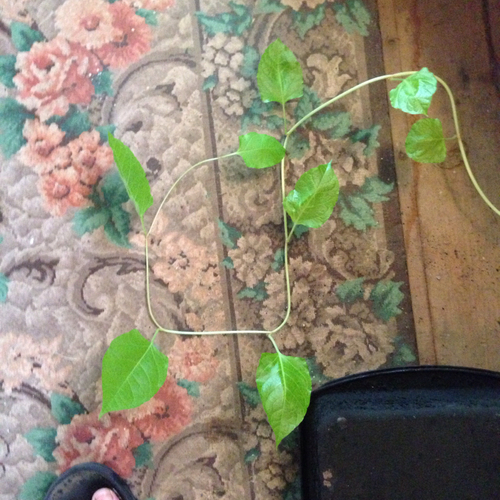
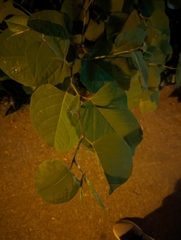
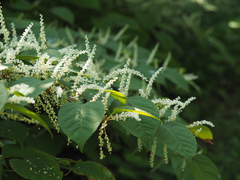
Japanese knotweed (Reynoutria japonica) spreads through rhizomes and forms dense stands. Learn its identification, synonyms, invasive status and risks.
Read moreJapanese knotweed, Asian knotweed, Fallopia japonica and Polygonum cuspidatum
Allow a few hours of direct sun per day, preferably morning or evening.
Sun to partial shade; tolerates disturbed sites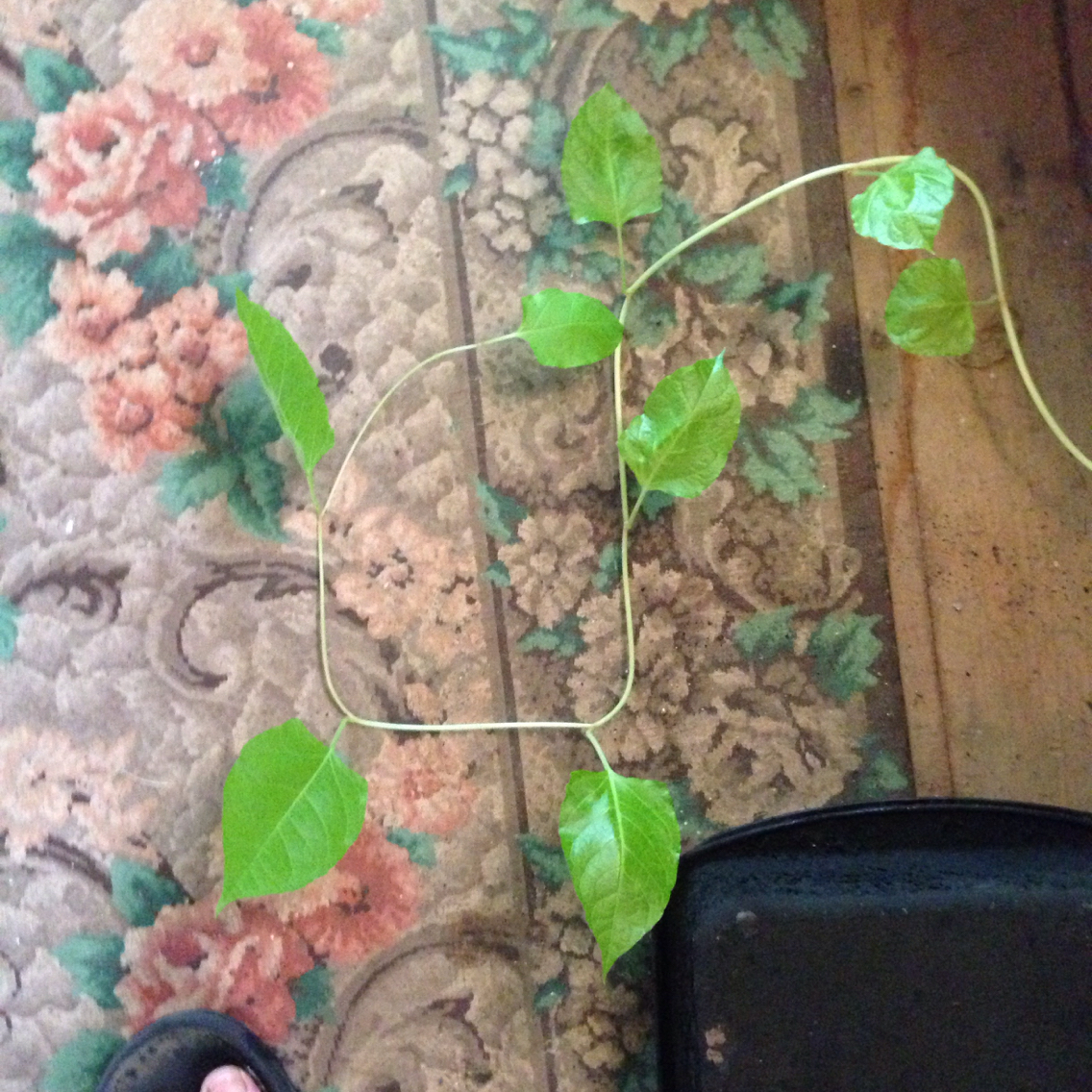
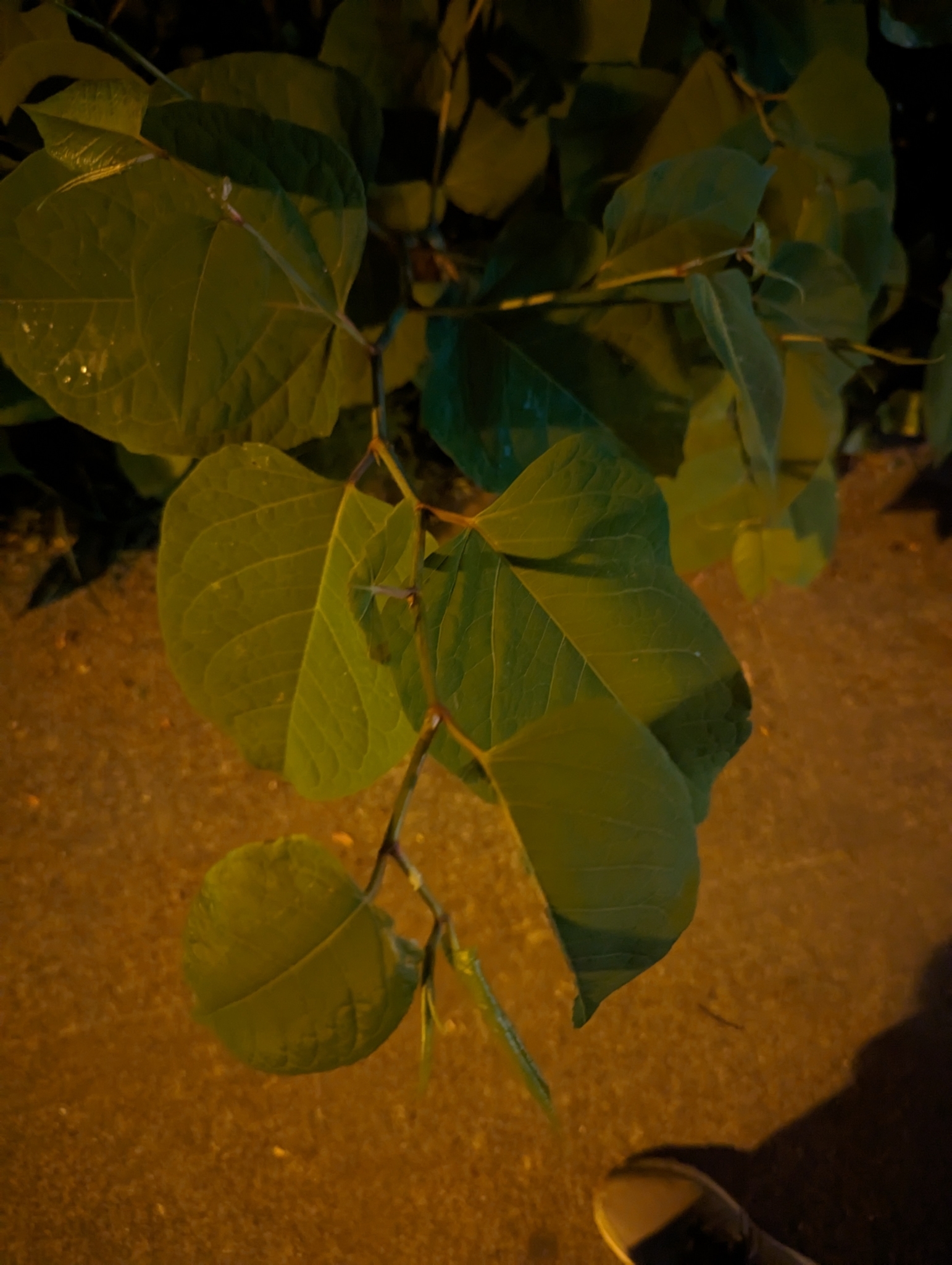
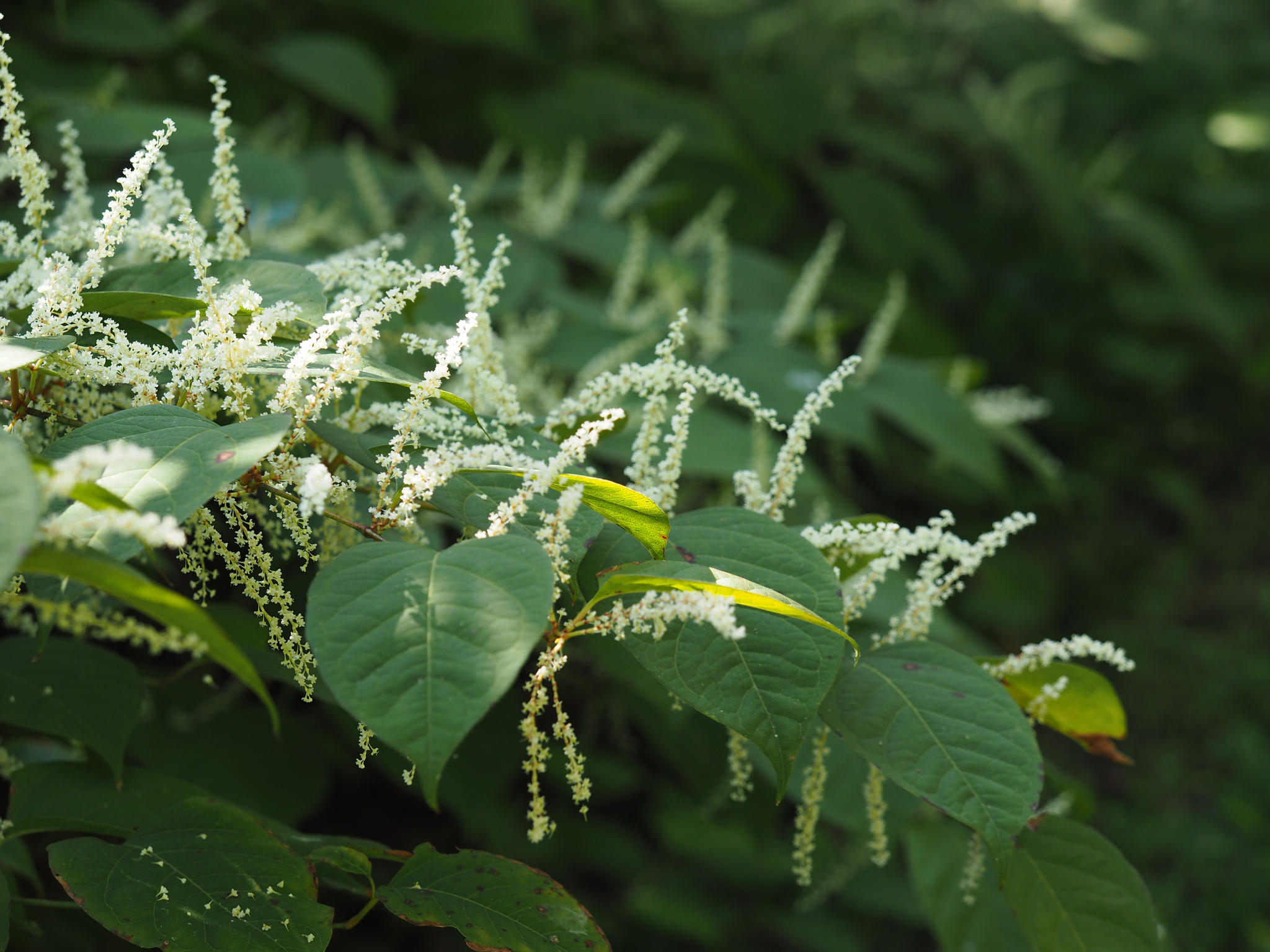


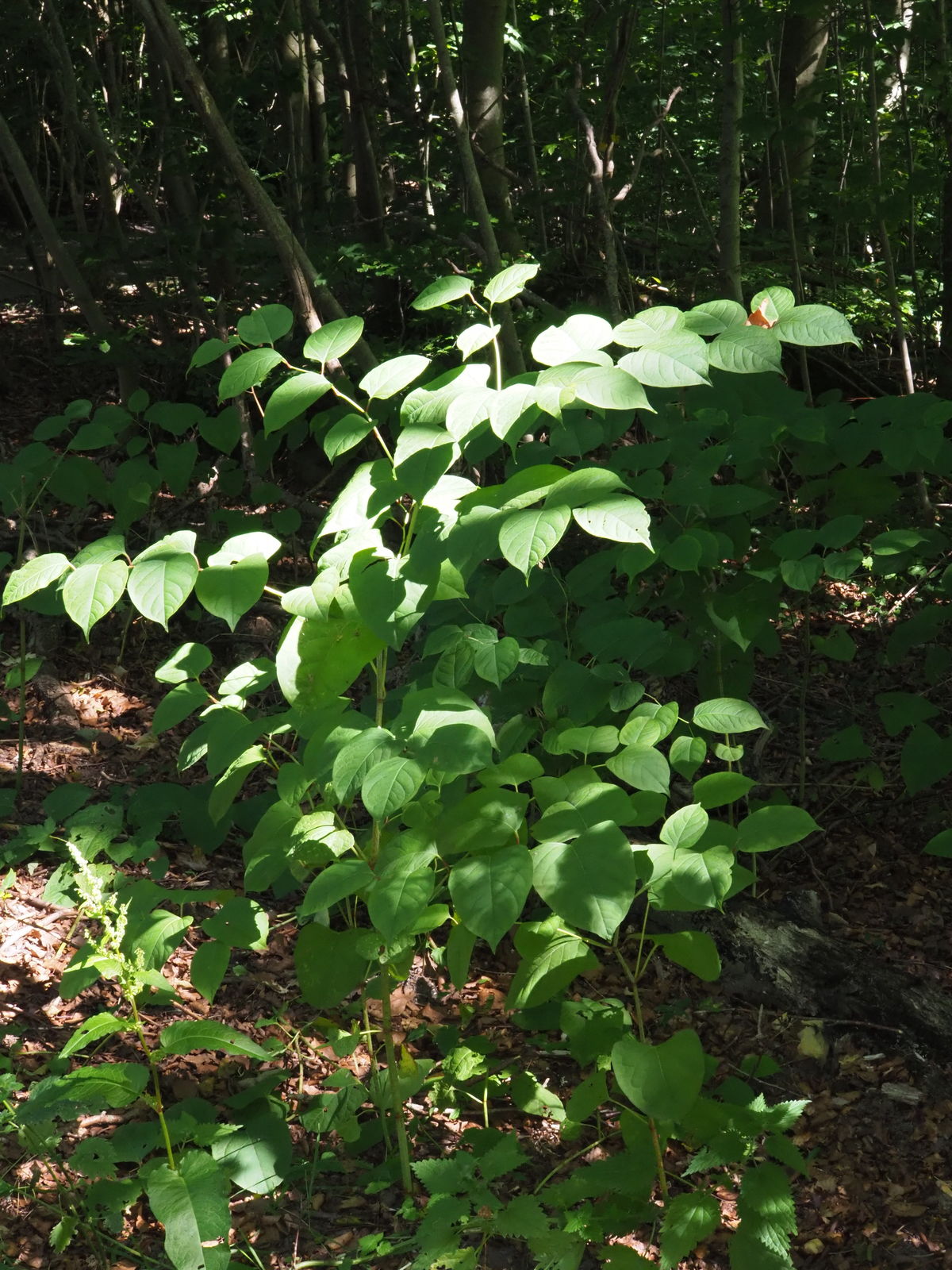
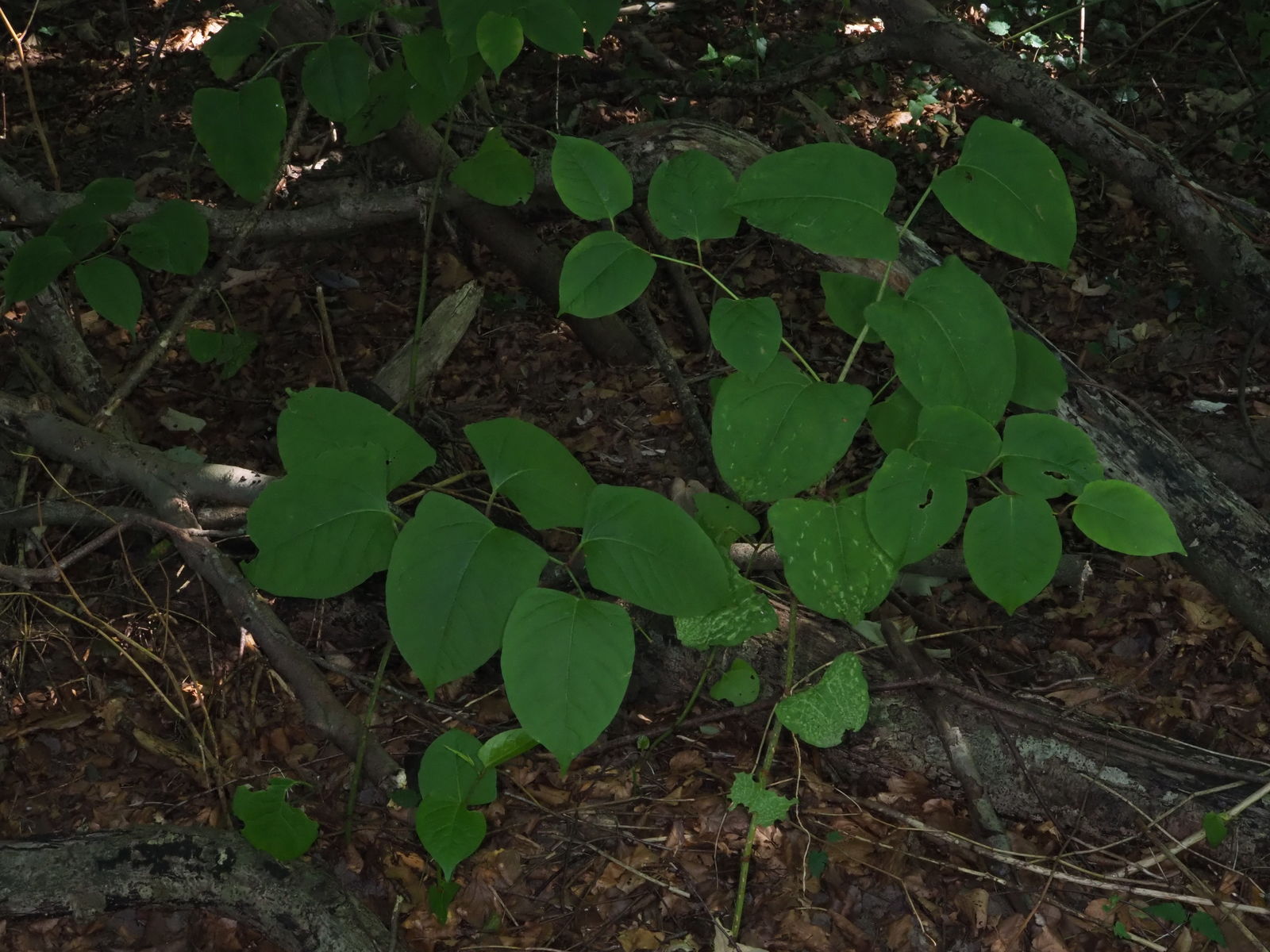
© photo
naturalist charlie · cc0
iNaturalist User · cc0
Taken Aug 14, 2019 by Gary Southern (cc-by-sa)
Taken Jun 18, 2019 by beast_of_troja (cc-by-sa)
Taken Sep 7, 2020 by Sylvain Piry (cc-by-sa)
Taken Aug 16, 2021 by cscoq (cc-by-sa)
Taken Sep 2, 2020 by Giode Tonpino (cc-by-sa)
© copyright of the Board of Trustees of the Royal Botanic Gardens, Kew.




Global distribution
Native to temperate East Asia, widely introduced in Europe and recorded as an invasive alien plant in France.
- Native3
- Invasive3
- Japan
- Korea
- Temperate China
- Mainland France
- United Kingdom
- United States
Hexagons: regions where the plant occurs. Green dots: native range.1
Identity
Japanese knotweed (Reynoutria japonica Houtt.) is a rhizomatous perennial in Polygonaceae. POWO/Kew accepts this name and places its native range in temperate East Asia, from the Russian Far East to China and Japan. ↗ ↗
Outside its native range, Japanese knotweed is chiefly known as an invasive alien plant. In France, identification and management take priority: planting, propagation, exchanging fragments and moving contaminated soil all risk spreading it. ↗ ↗
The same taxon often appears as Fallopia japonica or Polygonum cuspidatum. These names account for some differences between floras, databases, construction guidance and management literature; different names alone do not establish that different plants are involved. ↗ ↗
Recognition
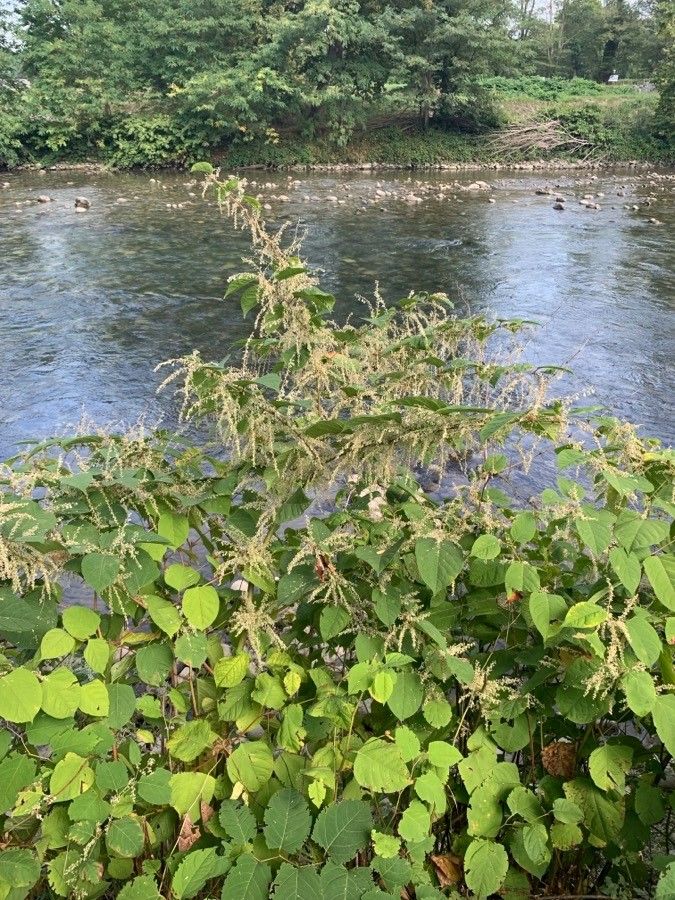
Dense stands develop from clumps of upright, hollow, often greenish to reddish stems that can resemble bamboo. Leaves are alternate, broad, oval to triangular, with a fairly straight or truncated base. ↗ ↗
Pale flower clusters appear in the leaf axils in late summer. Without flowers, identification depends more on stem architecture, leaves and setting: riverbanks, slopes, fill sites, roadsides or moist waste ground. ↗ ↗
Dry winter stems do not mean an infestation has disappeared. Aboveground parts die back or turn brown, but rhizomes can survive and send up new shoots the following spring. ↗
Taxonomy and names
The botanical references consulted accept Reynoutria japonica Houtt. POWO/WCVP places it in Polygonaceae and describes it as a perennial or rhizomatous geophyte. ↗
Fallopia japonica (Houtt.) Ronse Decr. and Polygonum cuspidatum Siebold & Zucc. are major synonyms. Many management documents, especially in English, pair Japanese knotweed with one of these older names. They remain useful search terms, while the accepted binomial identifies the species. ↗ ↗
Asian knotweeds include closely related taxa and hybrids. Before intervention, a quick identification should not become a legal certainty: photographs, location, growth stage and local botanical advice remain useful. ↗
Habitat and range
Temperate East Asia is the native home of Reynoutria japonica. The Trefle and POWO information consulted includes Japan, Korea, China, Taiwan and eastern Russian regions within or near its native range. ↗ ↗
Introductions extend widely beyond that range, including Europe and France. Vulnerable habitats combine water, disturbance and soil movement: riverbanks, ditches, slopes, construction sites, fill, roadsides and urban or suburban waste ground. ↗ ↗ ↗
Ordinary garden-growing advice would misrepresent this ecology. Preventing dispersal and accurately recording the stand before work begins matter more than finding an ideal planting position. ↗
Invasive status in France
French invasive-species and Asian-knotweed resources treat it as an invasive alien plant requiring management. They describe colonization of disturbed ground, competition with local vegetation and a high dispersal risk from rhizomes and moved soil. ↗ ↗
Legal conclusions require more care. A search for the exact name Reynoutria japonica in the consulted Légifrance order of February 14, 2018 on invasive alien plants found no match. That finding does not establish a nationwide legal position; further checks are needed. ↗
The practical management message is to avoid planting, giving away, moving or home-composting Japanese knotweed, and to use a protocol whenever soil, rhizomes or residues may be moved. ↗
Management and worksite safety
Fragmentation creates the greatest mechanical risk. Construction, cutting, incomplete excavation and soil transport can break rhizomes and start new colonies. Management guides therefore stress advance identification, marking affected areas, restricting material movements and cleaning tools and machinery. ↗
Repeated cutting may reduce aboveground biomass, but it is not a simple, permanent solution. Rhizomes store reserves; effective intervention often requires several years of follow-up tailored to the site, with rigorous handling of residues. ↗ ↗
Homeowners should leave the plant in place and contact the local authority, site manager, botanical conservation organization or a contractor experienced with invasive alien plants. Improvised digging can worsen the infestation. ↗
Uses, edibility and toxicity
Secondary sources describe historical food or medicinal uses, particularly of young shoots or plants named Polygonum cuspidatum. These accounts do not justify a consumption recommendation: sites may be polluted or treated, identification may be uncertain, and invasive status makes encouraging spread inappropriate. ↗ ↗
Veterinary safety remains uncertain. Some Perenual entries describe the plant as non-toxic to people and animals, but these entries are insufficient veterinary evidence to declare it safe. No usable species-specific ASPCA page was retained among the sources. ↗
Risks to cats, dogs and horses therefore remain undocumented, while caution is appropriate for adults and children. Neither unsupported alarm nor reassurance justifies unnecessary ingestion of a plant whose spread should be prevented. ↗
Main sources
- Plants of the World Online / Kew, Reynoutria japonica Houtt.
- GBIF Backbone Taxonomy, Reynoutria japonica
- INPN / MNHN–OFB, Reynoutria japonica Houtt., CD_NOM 117503 — original notice, Internet Archive 2023-02-14
- Trefle, species data, Reynoutria japonica
- MNHN / FNTP / GRDF / ENGIE, Guide to invasive alien plants on public works sites, fiche 11: Asian knotweeds and their hybrids, pp. 30–31
- Légifrance, order of February 14, 2018 on invasive alien plant species
- US Forest Service FEIS, invasive knotweeds
- USDA National Invasive Species Information Center, Japanese knotweed
- Perenual data consulted, Fallopia japonica / Reynoutria
Frequently asked questions
Should I plant Japanese knotweed?
No. In France the priority is identification and management, rather than spreading it. Avoid planting, moving rhizomes or transporting contaminated soil.
Is Japanese knotweed banned in France?
French resources treat it as an invasive alien species requiring management. The exact name was not found in the verified extract of the national order on Légifrance, so the applicable local framework needs checking before any intervention.
How does Japanese knotweed spread?
Rhizomes, fragments and contaminated soil are the main risks. Cutting, pulling and construction work can spread it if not carefully managed.
Can Japanese knotweed go in home compost?
No. Knotweed residues require handling as potentially spreading plant waste under local rules.
Is Japanese knotweed edible?
Some sources describe food uses of young shoots, but identification, site pollution, treatments and invasive status make recommending consumption inappropriate.
Is Japanese knotweed toxic to animals?
Its precise veterinary status for cats, dogs and horses remains undocumented. Ingestion is discouraged as a precaution.
Similar plants
If you are unsure about a plant’s toxicity, ask a botanist or veterinarian for advice.