
Tansy (Tanacetum vulgare, )
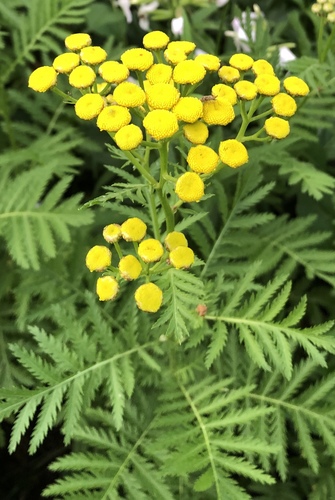
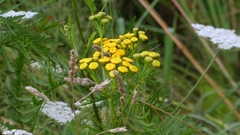
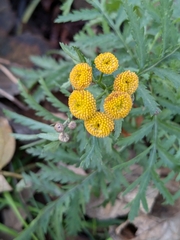
Tansy (Tanacetum vulgare L.) is a rhizomatous perennial in the Asteraceae family, native to temperate Eurasia, including France. Its finely divided, strongly scented leaves and yellow button-like flower heads without visible ray florets distinguish it, while rhizomes and seeds allow it to form colonies.
Read moreTansy, Common tansy, Garden tansy and Golden buttons

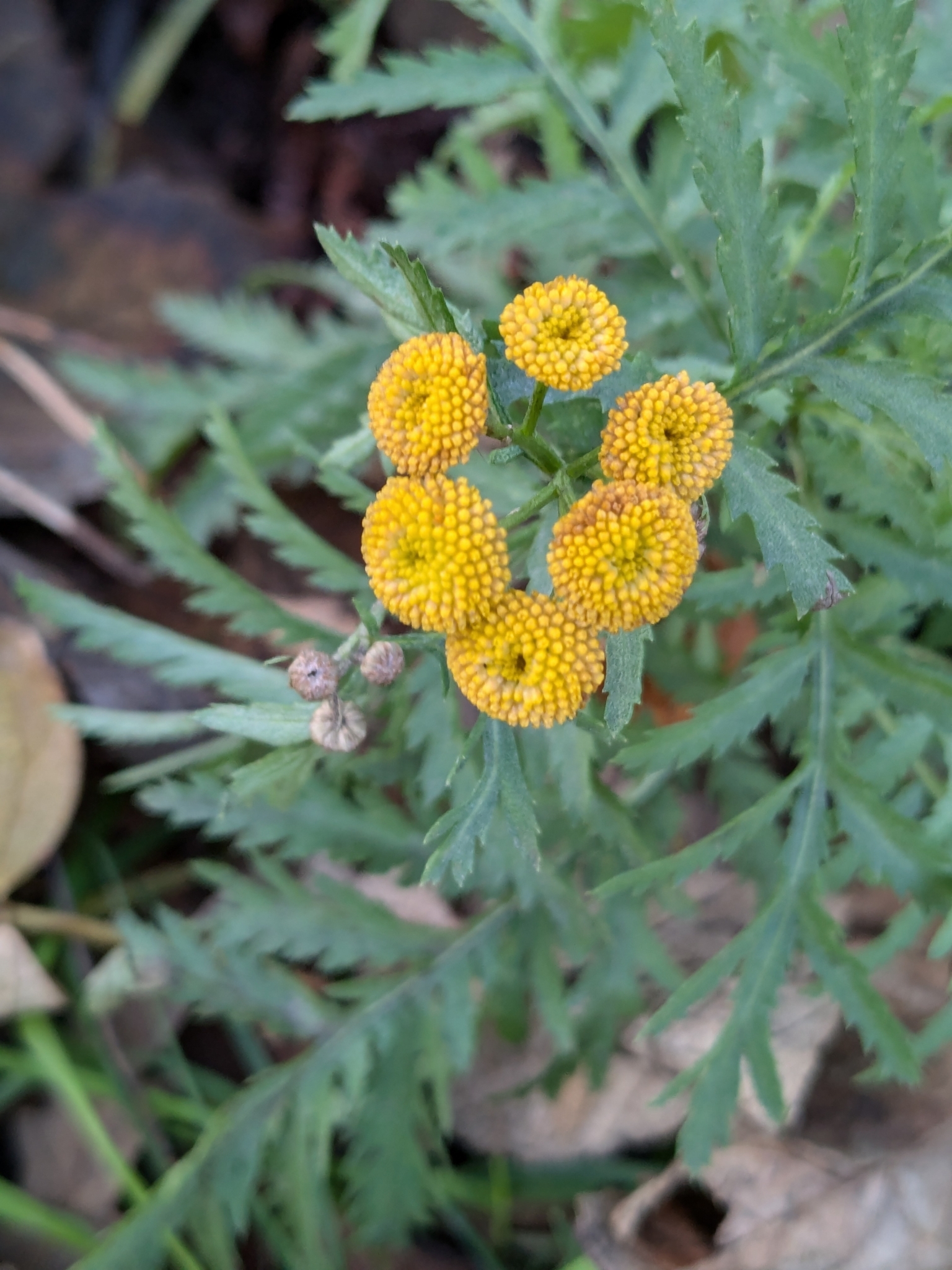


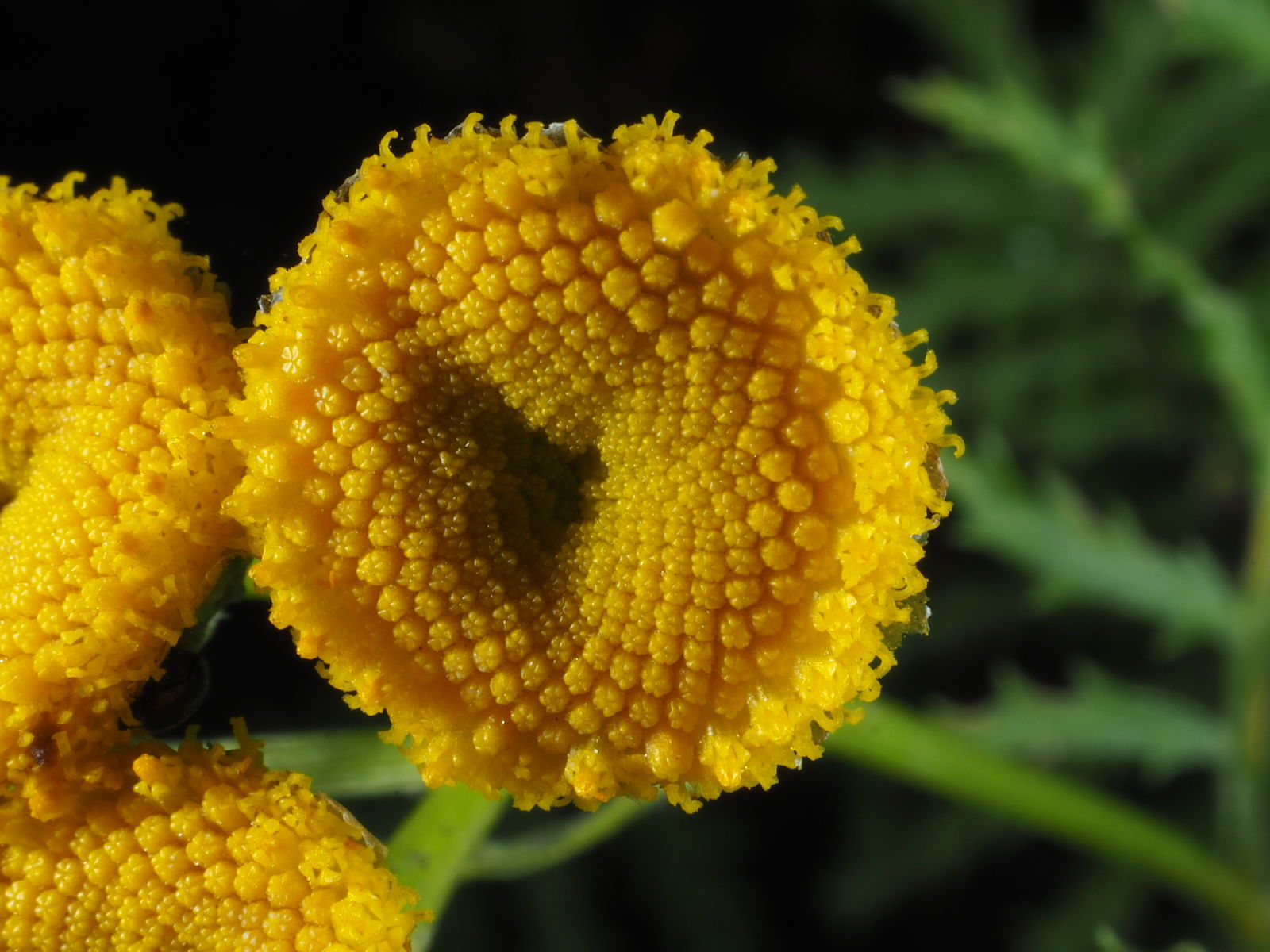
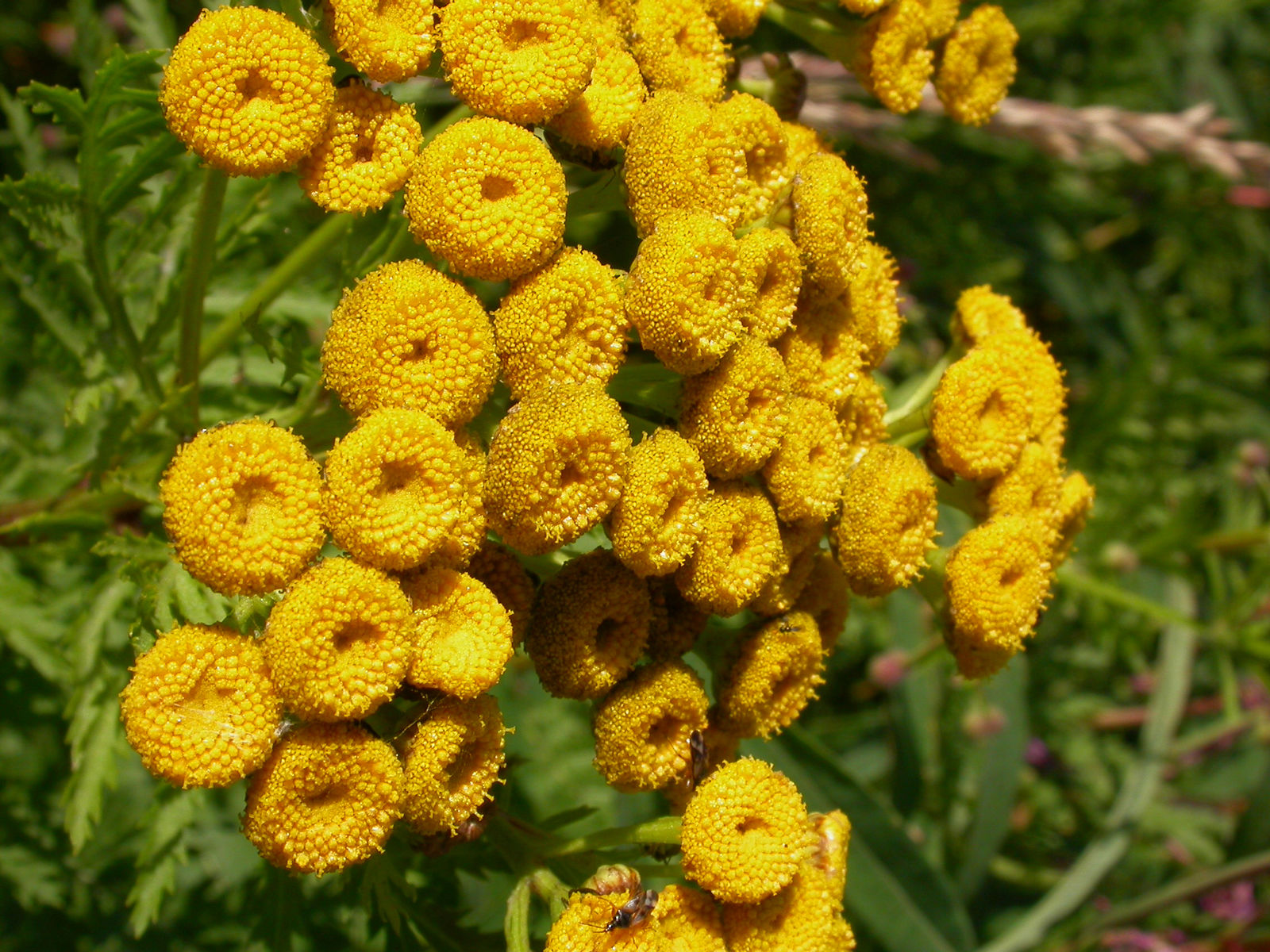

© photo
(c) Robert D Stevenson, some rights reserved (CC BY-NC), uploaded by Robert D Stevenson · cc-by-nc
Patrick Le Mao · cc0
P Holroyd · cc0
Taken Oct 17, 2019 by Pietro Brignoli (cc-by-sa)
Taken Jul 26, 2021 by Boumlik Messaïli (cc-by-sa)
Taken Jul 27, 2021 by Annika K (cc-by-sa)
Taken Sep 24, 2020 by kheira guendouz (cc-by-sa)
Taken Oct 18, 2018 by Philippe Hery (cc-by-sa)
© copyright of the Board of Trustees of the Royal Botanic Gardens, Kew.


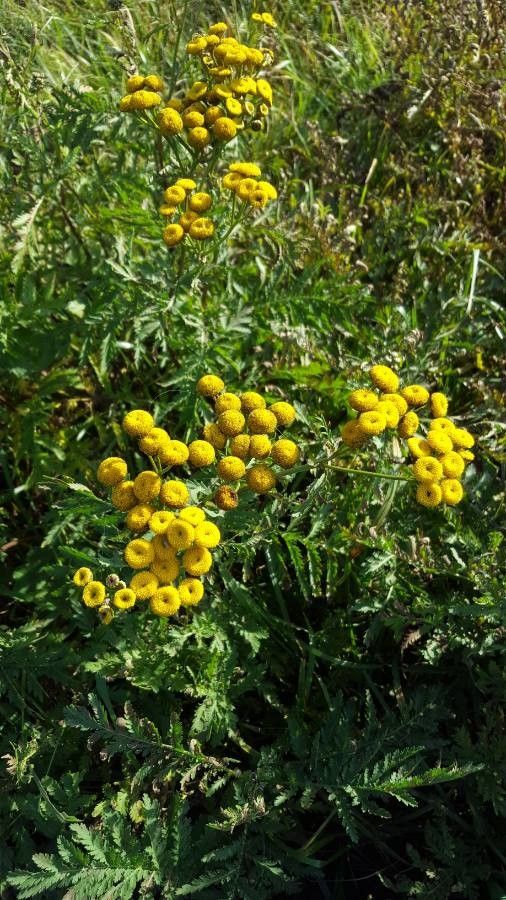


Global distribution
Tansy is native to temperate Eurasia, including France. It has been introduced widely beyond Eurasia and can become invasive or locally regulated, particularly in North America.
- Native4
- Introduced3
- Invasive1
- Metropolitan France
- Temperate Europe
- Siberia
- Temperate Asia
- Canada
- Australia
- Réunion
- United States
Hexagons: regions where the plant occurs. Green dots: native range.1
Identity
Tansy (Tanacetum vulgare L., 1753) is a perennial in the Asteraceae family. POWO/Kew accepts Tanacetum vulgare L., published by Linnaeus in Species Plantarum in 1753, and places the species in the temperate biome. 1 2
English horticultural sources call this species common tansy, garden tansy and golden buttons. Tela Botanica records several French names for the same plant, including names referring to common tansy and its historical uses. 2 4
Names alone can blur the botanical boundaries: “tansy” may also appear in names for other Tanacetum species or similar plants. Here, the reliable reference is the binomial Tanacetum vulgare. 1
Recognition
Several stems rise from a rhizomatous crown to form an upright, often spreading colony. Stems are straight, branched toward the top, hairless or slightly hairy, and sometimes reddish brown. 4 5
Finely divided leaves provide the first clue before flowering. They are alternate, deeply lobed and toothed, giving a fern-like appearance. When crushed, they release the strong, camphor-like or aromatic scent described by NC State and Minnesota MDA. 4 5
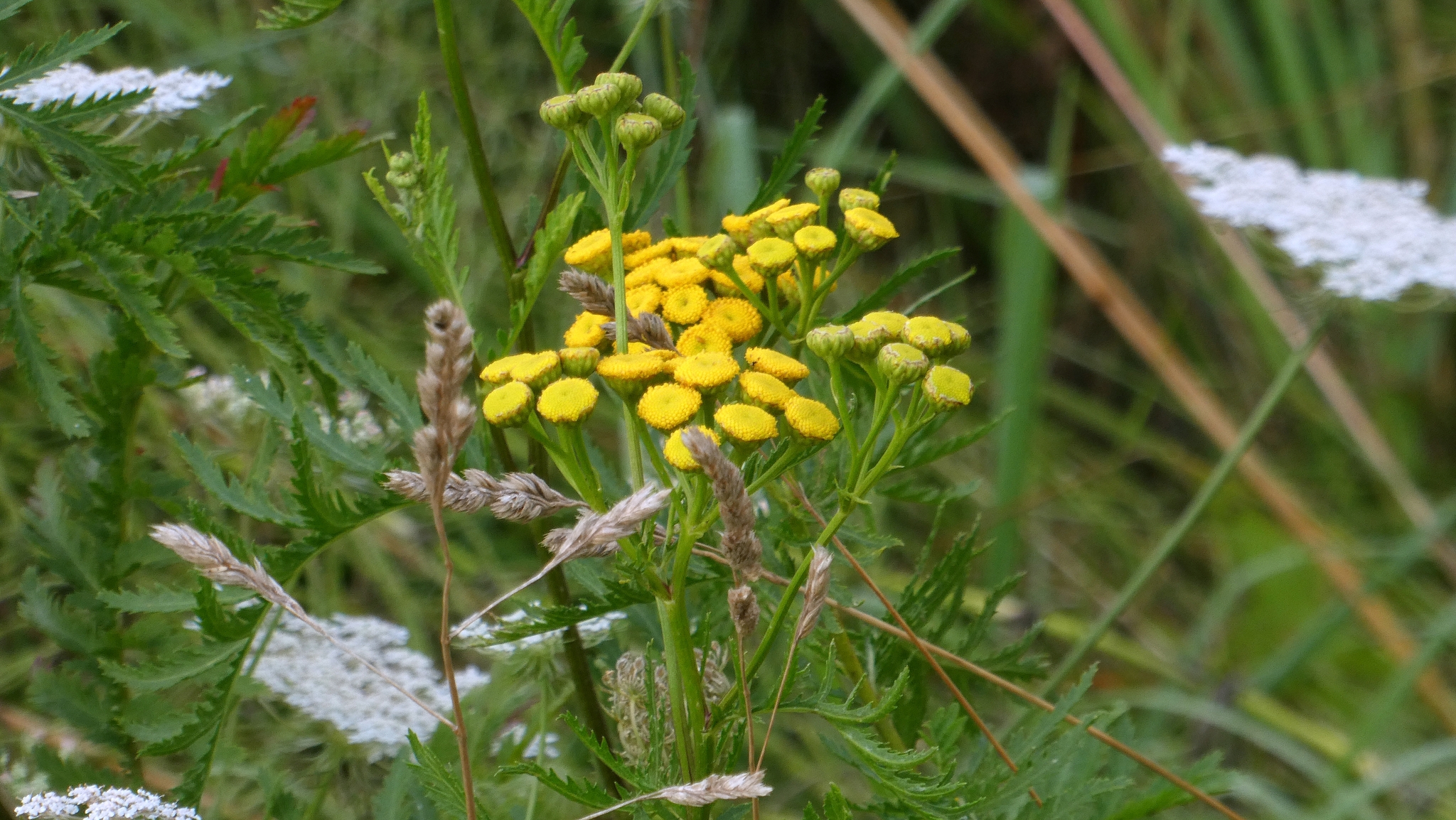
Golden-yellow button heads form flat-topped clusters at the stem tips. They lack the ring of white rays seen on a daisy: these compact yellow “buttons” appear from summer into early fall, with timing depending on local conditions. 3 4
Taxonomy and names
Three principal homotypic synonyms accompany POWO’s accepted Tanacetum vulgare: Chrysanthemum vulgare, Pyrethrum vulgare and Tanacetum elatum. Tela Botanica also accepts Tanacetum vulgare L. and places it in Asterales, Asteraceae and Tanacetum. 1 2
Older garden names partly reflect this synonymy, but common tansy is not thereby a modern florist’s chrysanthemum. For identification and cultivation, Tanacetum vulgare L. remains the accepted name to use. 1
Historical treatment for intestinal worms explains the French name meaning “worm herb.” This belongs to the history of medicine, rather than advice: the same sources warn of thujone, a toxic constituent, and the dangers of ingestion. 4
Habitat and range
Temperate Eurasia is the native range given by POWO, which includes France among native regions. Tela Botanica describes the plant on waste ground, roadsides and riverbanks, and Coste’s account records it throughout France. 1 2
Beyond Eurasia, introductions are widespread. POWO lists regions in North and South America, Australia and islands elsewhere. This spread does not establish that tansy is invasive everywhere; native range, naturalization and local regulatory status must remain distinct. 1
North American sources variously describe it as invasive or a noxious weed. Minnesota MDA assigns “Prohibited Control” status and requires prevention of seed maturation and dispersal. The Invasive Plant Atlas describes it as nonnative in the United States and able to invade ditches, riverbanks and disturbed ground. These descriptions apply to their stated jurisdictions. 5 6
Cultivation, life cycle and control
As an outdoor perennial, tansy is notably hardy. The RHS describes an upright, deciduous, vigorous plant about 60–90 cm (24–35 in) tall in its horticultural profile, very hardy in the United Kingdom, growing in full sun and varied well-drained to moist soils. 3
Seeds, rhizomes and root fragments all contribute to its spread, as NC State and Minnesota MDA emphasize. Established plants can rebuild colonies after cutting or incomplete removal. At minimum, remove heads before seed formation in gardens; sensitive areas require rhizome removal and follow-up checks for regrowth. 4 5
Ornamental appeal and pollinator value come with a need to manage spread. The RHS includes tansy among plants useful to pollinators, while North American sources discourage or regulate it where it competes with local vegetation and pasture plants. 3 5
Toxicity, essential oil and uses
Thujone makes caution central to tansy’s use. NC State assigns high-severity poison characteristics and names thujone as a toxic principle. It links excessive ingestion with seizures or death and also reports possible contact dermatitis. 4
Food and medicinal uses belong here as historical facts. POWO records uses as poison, medicine, food and for environmental purposes, but the cited account provides no preparation method, dose or safety context. Recipes, teas, ingestion of essential oil and home treatments are therefore not recommended. 1 4
Livestock risks have the clearest support in the animal references used here. NC State names horses and cattle; Minnesota MDA warns that ingestion can poison livestock. Without a usable ASPCA page specific to Tanacetum vulgare, risks to cats and dogs remain cautiously stated. 4 5
Cultivars and look-alikes
Golden foliage distinguishes 'Isla Gold', listed by NC State. This is a garden cultivar name, not a botanical taxon. Escape from cultivation remains the main management concern: even decorative cultivars require attention to local rules and spread by seed or rhizome. 4
Yarrow is one possible look-alike identified by NC State. Both plants have finely divided foliage, but tansy’s yellow button heads without a ring of rays, together with its strong scent when crushed, point to Tanacetum vulgare. 2 4
Main sources
- Plants of the World Online / Kew, Tanacetum vulgare L.
- Tela Botanica eFlore, Tanacetum vulgare L.
- Royal Horticultural Society, Tanacetum vulgare
- NC State Extension Gardener Plant Toolbox, Tanacetum vulgare
- Minnesota Department of Agriculture, Common Tansy
- Invasive Plant Atlas of the United States, common tansy
Frequently asked questions
Is tansy native to France?
Yes. POWO and Tela Botanica include France in the native range or describe the species as part of its common flora.
Is tansy invasive?
That is not a general description for France, where it is native. Several North American sources, however, list it as invasive, noxious or regulated outside its Eurasian range.
Can I eat tansy?
No food use is recommended. Despite historical uses, thujone and toxicity warnings mean it should not be used for tea, essential oil ingestion or home remedies.
Is tansy dangerous to horses?
NC State and Minnesota MDA warn of risks to livestock; NC State explicitly names horses and cattle. Pasture and hay therefore need careful management.
How do I tell tansy from a daisy?
Its flower heads are small yellow buttons without a ring of white rays. The alternate leaves are deeply divided and strongly scented.
Why should I wear gloves when handling tansy?
NC State reports thujone-containing oil and a risk of contact dermatitis; gloves reduce exposure during pulling or pruning.
Similar plants
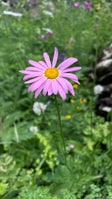

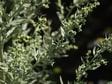
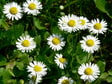
If you are unsure about a plant’s toxicity, ask a botanist or veterinarian for advice.