
Adam's needle yucca (Yucca filamentosa, )
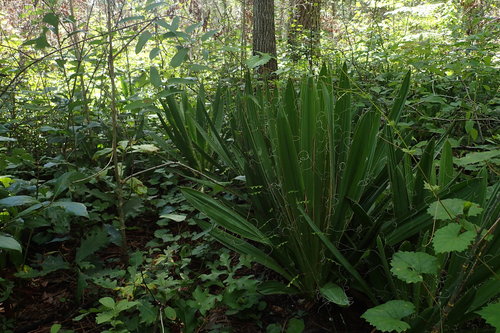

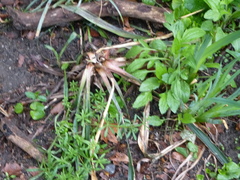
Adam's needle yucca (Yucca filamentosa) is a rosette-forming plant in the Asparagaceae family, native to the southeastern United States. Long white threads peel from the edges of its stiff, blade-shaped leaves and curl with age, giving the species its name and distinguishing it from most other yuccas.
Read moreAdam's needle yucca, Adam's needle, Filament yucca and Common yucca
Place in full sun, with intense direct light all day long.
Direct full sun needed for regular flowering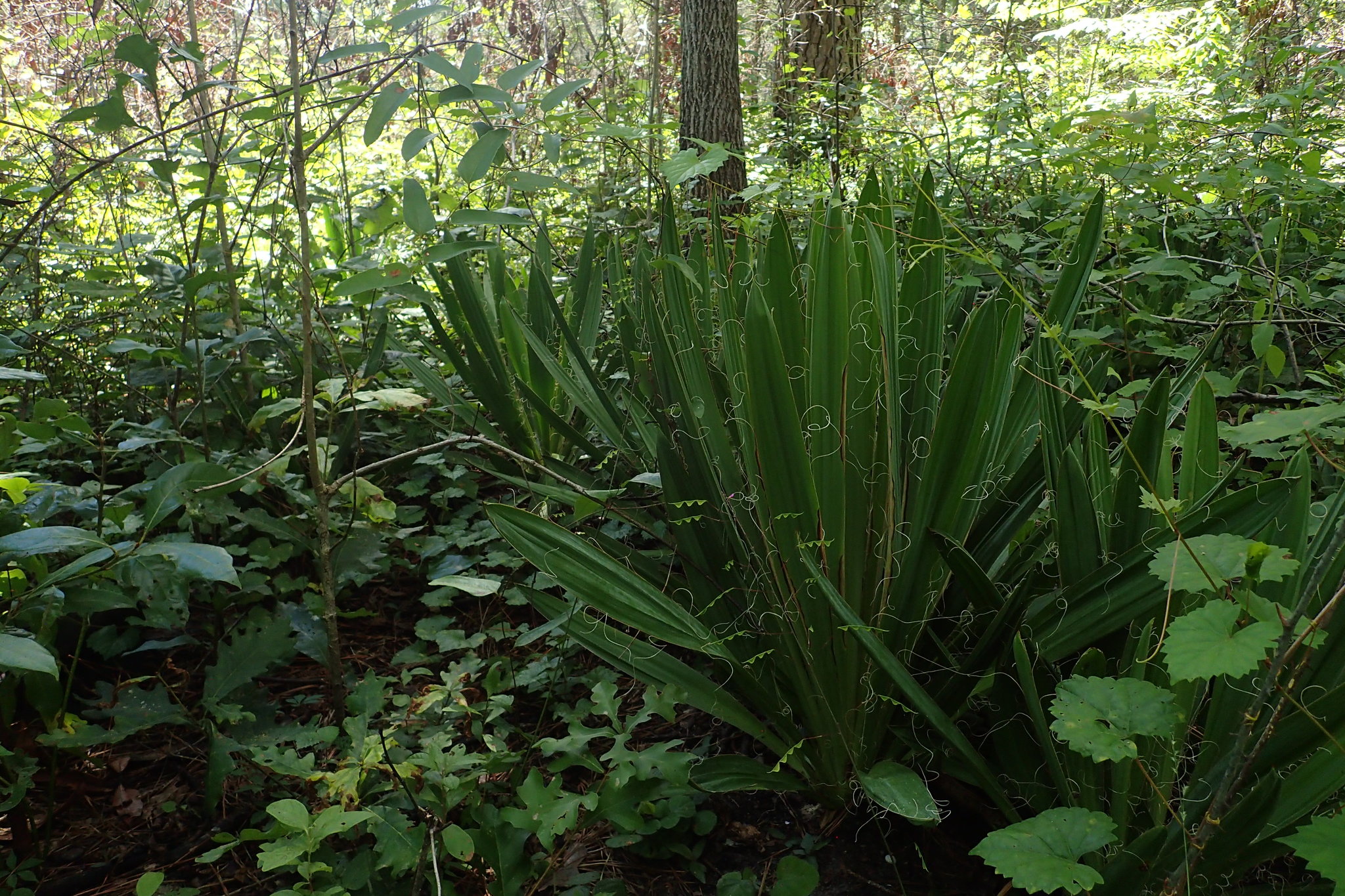
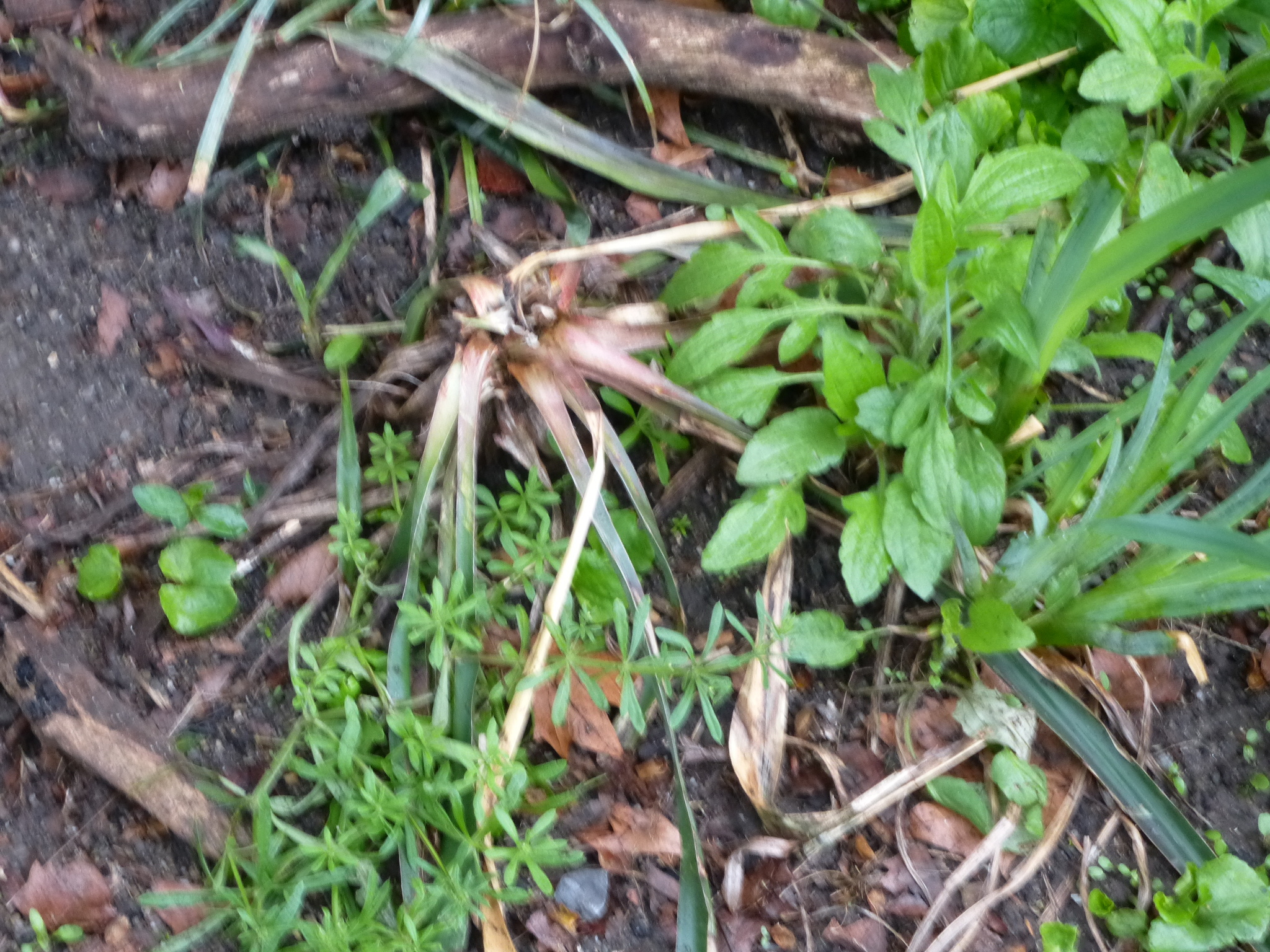
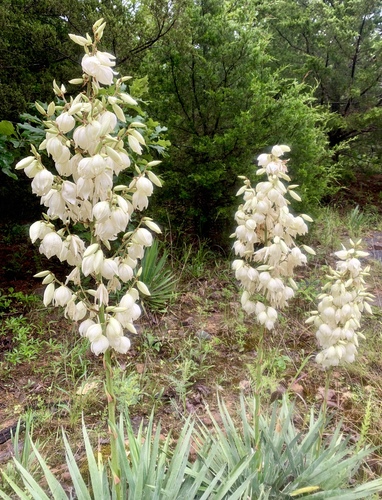
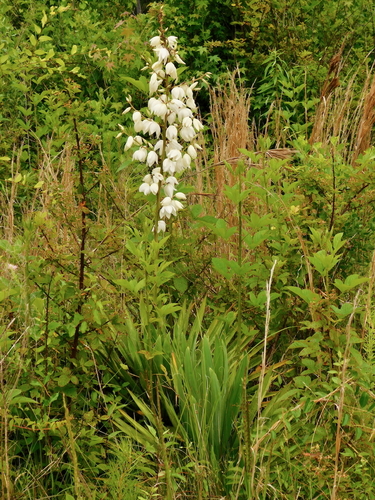
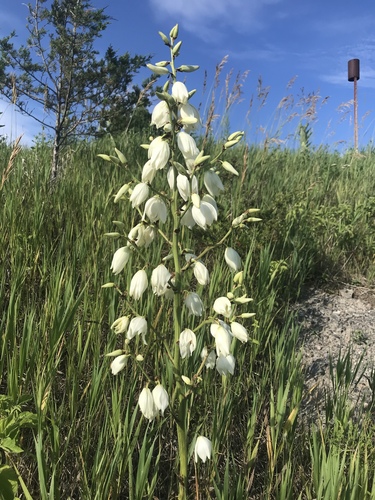
© photo
Austin Pursley · cc0
Michael W Belitz · cc0
Ira Gershenhorn · cc0
(c) Conway Hawn, some rights reserved (CC BY) · cc-by
(c) Michael J. Papay, some rights reserved (CC BY) · cc-by
Global distribution
Yucca filamentosa is native to the coast and sandy inland areas of the southeastern United States, from West Virginia and New Jersey to Florida and Louisiana. It has naturalized farther north, including Massachusetts and New York, and is widely grown as an ornamental in temperate Europe.
- Native5
- Introduced2
- South Carolina
- Florida
- Virginia
- New Jersey
- Louisiana
- New York
- Massachusetts
Hexagons: regions where the plant occurs. Green dots: native range.1
Identity
Adam's needle yucca (Yucca filamentosa L., 1753), also known as Adam's needle, belongs to the genus Yucca in the Asparagaceae family. Carl Linnaeus described it in 1753, making it one of the first yuccas named under modern binomial nomenclature. Filament yucca and common yucca are other established names. 1 7
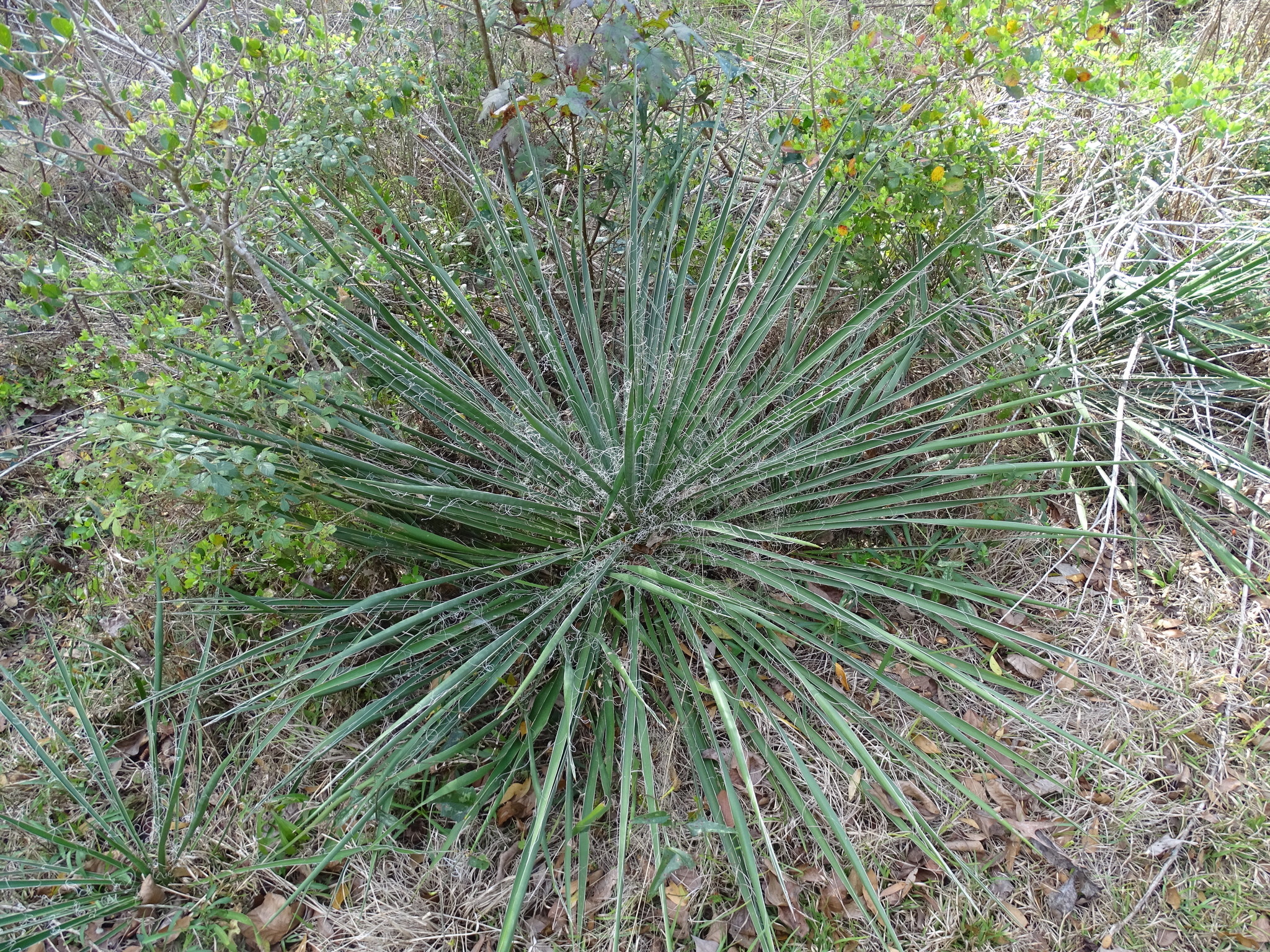
The epithet filamentosa describes its conspicuous white threads, which peel from the leaf margins and curl with age. Among commonly grown trunkless yuccas, neither Yucca flaccida nor Yucca smalliana shows these threads as clearly. They provide a visible identification clue without waiting for flowers. 2
Recognition
A compact basal rosette grows without a visible trunk, unlike tree-forming yuccas. The stiff, blue-green leaves measure 30–75 cm (12–30 in) long and 2–4 cm (0.8–1.6 in) wide. Each ends in a sharp point, although it is less acute than that of Yucca aloifolia. 2 4
Early summer brings an upright flower stalk 1.5–2.5 m (5–8 ft) tall, sometimes taller, carrying drooping, cream-white bells in a terminal panicle. In its northern growing season, this usually means June and July. Once fruiting ends, the flowering rosette naturally dies and is replaced by basal offsets around the mother plant. 2 8
A deep, fleshy white taproot penetrates sandy soil. This root structure helps explain the strong drought resistance of Yucca filamentosa, but it also makes transplanting difficult after the plant has become established. 3
Useful taxonomy
Species of Yucca are often confused outside the flowering season. For Yucca filamentosa, POWO records five synonyms or infraspecific names, including:
- Yucca filamentosa var. ramosa Carrière (a varietal name)
- Yucca filamentosa f. concava (Haw.) Voss (a form name)
- Yucca filamentosa var. flaccida (Haw.) Engelm. (a varietal combination)
- Yucca smalliana Fernald (a historical synonym)
- Yucca angustifolia Engelm., nom. illeg. (an illegitimate name)
The name flaccida illustrates the problem. POWO treats Yucca flaccida Haw. as a separate species while placing some of its historical synonyms under Yucca filamentosa. A nursery name may therefore refer to either plant. The full name with its author, Yucca flaccida Haw. versus Yucca filamentosa L., helps avoid a catalog error. 1
Habitat and range
Coastal and inland sandy areas of the southeastern United States form the native range, from West Virginia and New Jersey south to Florida and Louisiana, with inland populations in Tennessee. Yucca filamentosa grows on coastal dunes, sandy grasslands and pine woodland edges where soils are poor and very well drained. 7 8
Pollination depends, as in most yuccas, on a yucca moth (Tegeticula yuccasella). The moth actively deposits pollen in a flower while laying its eggs there. Described since the 19th century, this obligate mutualism remains one of the best documented examples of coevolution between an insect and a plant. 3
Beyond its native range, Yucca filamentosa has naturalized farther north, as far as Massachusetts and New York. It is widely planted in temperate Europe, where no invasive behavior is documented in the cited account. The IUCN lists the species as Least Concern, following its 2020 assessment. 6
Life cycle and reproduction
An individual rosette is monocarpic: it flowers only once, then dies after fruiting. The whole plant survives through basal offsets around its edges. These take over from the old rosette and gradually produce a spreading clump of rosettes of different ages. 2
First flowering generally occurs at 3–5 years, depending on rosette vigor and sunlight. Plants growing in partial shade flower less often because the rosette has accumulated insufficient reserves. 2
For cultivated plants, the quickest propagation method is division of rooted basal offsets in spring. Seed can also be sown after a 24-hour soak. Germination takes 1–12 months at 20 °C (68 °F), and seed-grown plants take considerably longer to flower than divisions. 3
Uses and risks
Ornamental uses include borders, dry rock gardens, banks and coastal gardens. The species is valued for salt tolerance, drought resistance and hardiness down to -20 °C (-4 °F). Indigenous peoples of the southeastern United States traditionally used its leaf fibers for rope, weaving and basketry, and its saponin-rich roots as a soap substitute. 3 4
The ASPCA lists Yucca as toxic to cats, dogs and horses because the tissues contain steroidal saponins. In cats and dogs, ingestion causes vomiting; liver problems and dermatitis have been reported in horses following repeated ingestion. Pointed leaves create a separate mechanical risk to eyes and skin when the plant is handled without gloves. 5
Cooked fruits and flowers are eaten in some culinary traditions of the southern United States. Raw roots, by contrast, require prolonged cooking to destroy saponins before consumption, according to the cited account. 3
Varieties, look-alikes and related plants
Variegated cultivars dominate nursery offerings. Bright Edge and Golden Sword have bright yellow margins or centers, while Color Guard develops a broad cream band that turns pink in winter. These are stable selections of the normally green foliage, rather than separate species. 4
Frequently confused plants include:
- Yucca flaccida, with softer leaves that clearly droop toward the tips, sometimes sold under the same common name;
- Yucca smalliana, a historical synonym often retained in nursery catalogs as though it were a separate species;
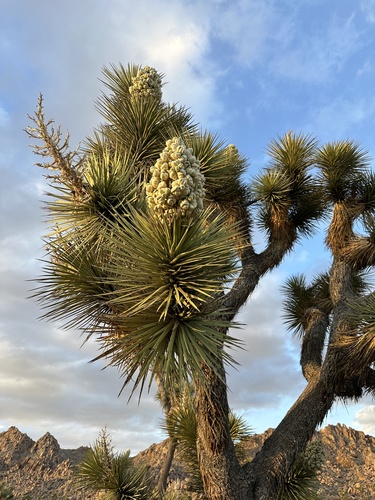
- Yucca aloifolia, with a shrubby habit, a visible trunk and much sharper leaf tips.
A trunkless habit combined with distinct marginal threads rules out Yucca aloifolia, Yucca brevifolia and most agaves grown in temperate climates: none combines both features. 2
Main sources
- Plants of the World Online / Kew, Yucca filamentosa L.
- Missouri Botanical Garden Plant Finder, Yucca filamentosa
- Plants For A Future, Yucca filamentosa
- Royal Horticultural Society, Yucca filamentosa var. smalliana
- ASPCA, Yucca toxicity entry
- IUCN Red List, Yucca filamentosa assessment (2020)
- USDA PLANTS Database, Yucca filamentosa plant profile
- Atlas of Florida Plants, Yucca filamentosa
Frequently asked questions
Is Adam's needle yucca toxic to cats and dogs?
Yes. The ASPCA lists the genus Yucca as toxic to cats, dogs and horses because it contains steroidal saponins. Vomiting is the most common sign in pets.
Why does Adam's needle yucca have white threads on its leaves?
These natural plant fibers peel from the leaf margins and curl, giving the species its name. They have historically supplied material for rope and weaving.
Why won't my Adam's needle yucca flower?
A rosette younger than 3 years or growing in partial shade rarely flowers. Direct full sun and several years to establish are usually enough to encourage flowering.
What plants look like Adam's needle yucca?
The most frequent look-alikes are Yucca flaccida, with softer, drooping leaves, and Yucca smalliana, often treated as a closely related synonym rather than a separate species.
Should I prune Adam's needle yucca after flowering?
The rosette that flowered naturally dies after fruiting; cut the dry flower stalk at ground level. Basal offsets take over without special intervention.
How cold-hardy is Adam's needle yucca?
Established plants tolerate frost down to -20 °C (-4 °F) and correspond to USDA zones 5–10. In well-drained soil this covers almost all of metropolitan France; elsewhere, use local winter conditions as the guide.
Similar plants

If you are unsure about a plant’s toxicity, ask a botanist or veterinarian for advice.