
Southern maidenhair fern (Adiantum capillus-veneris, )
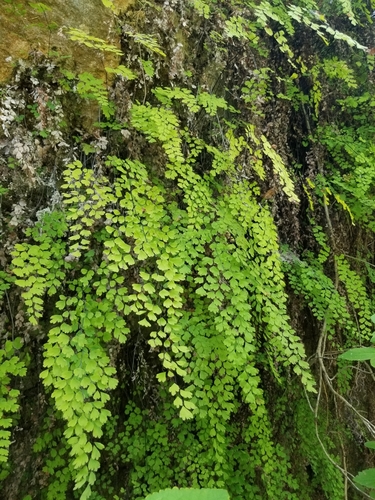

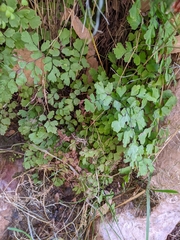
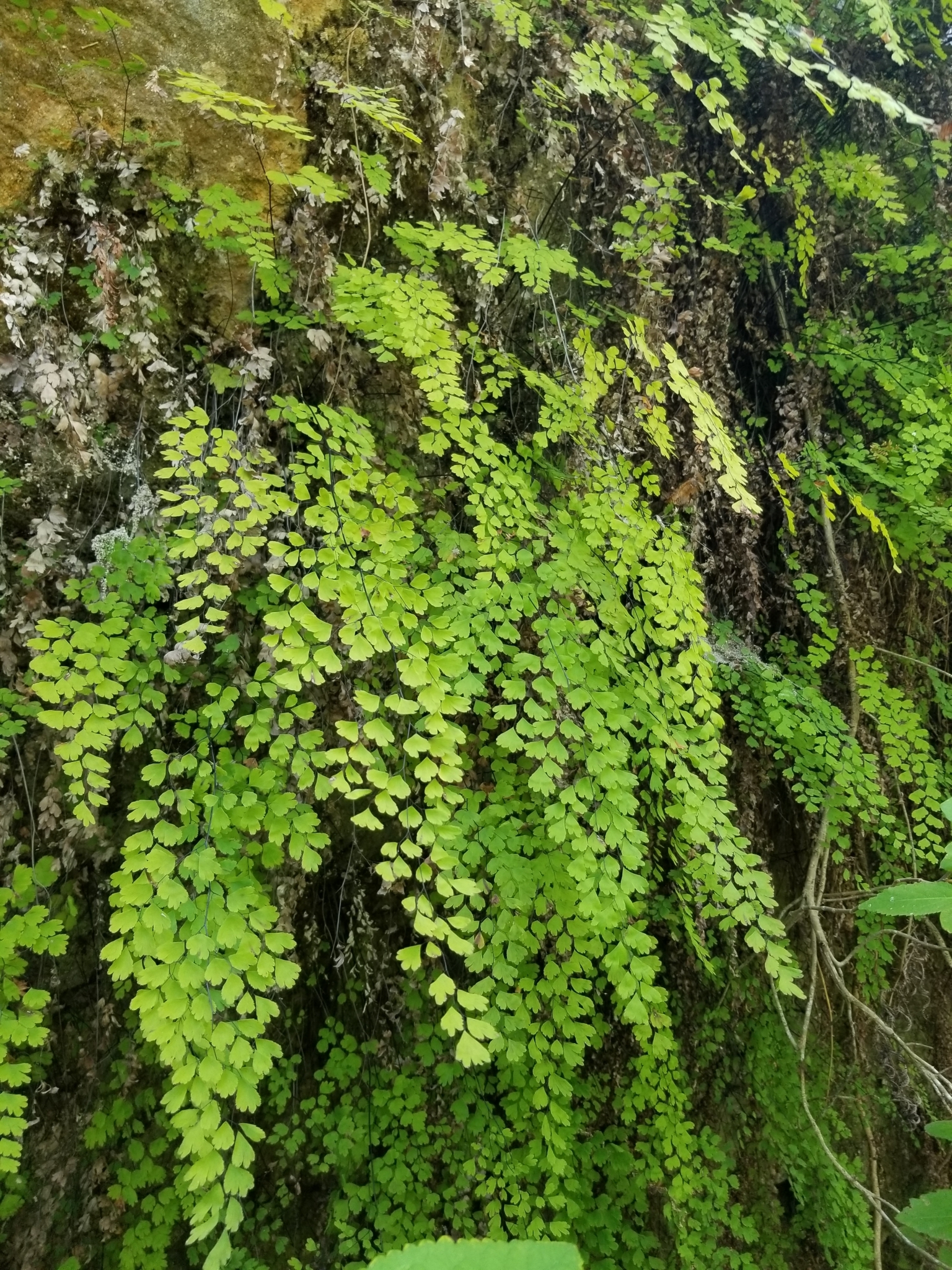
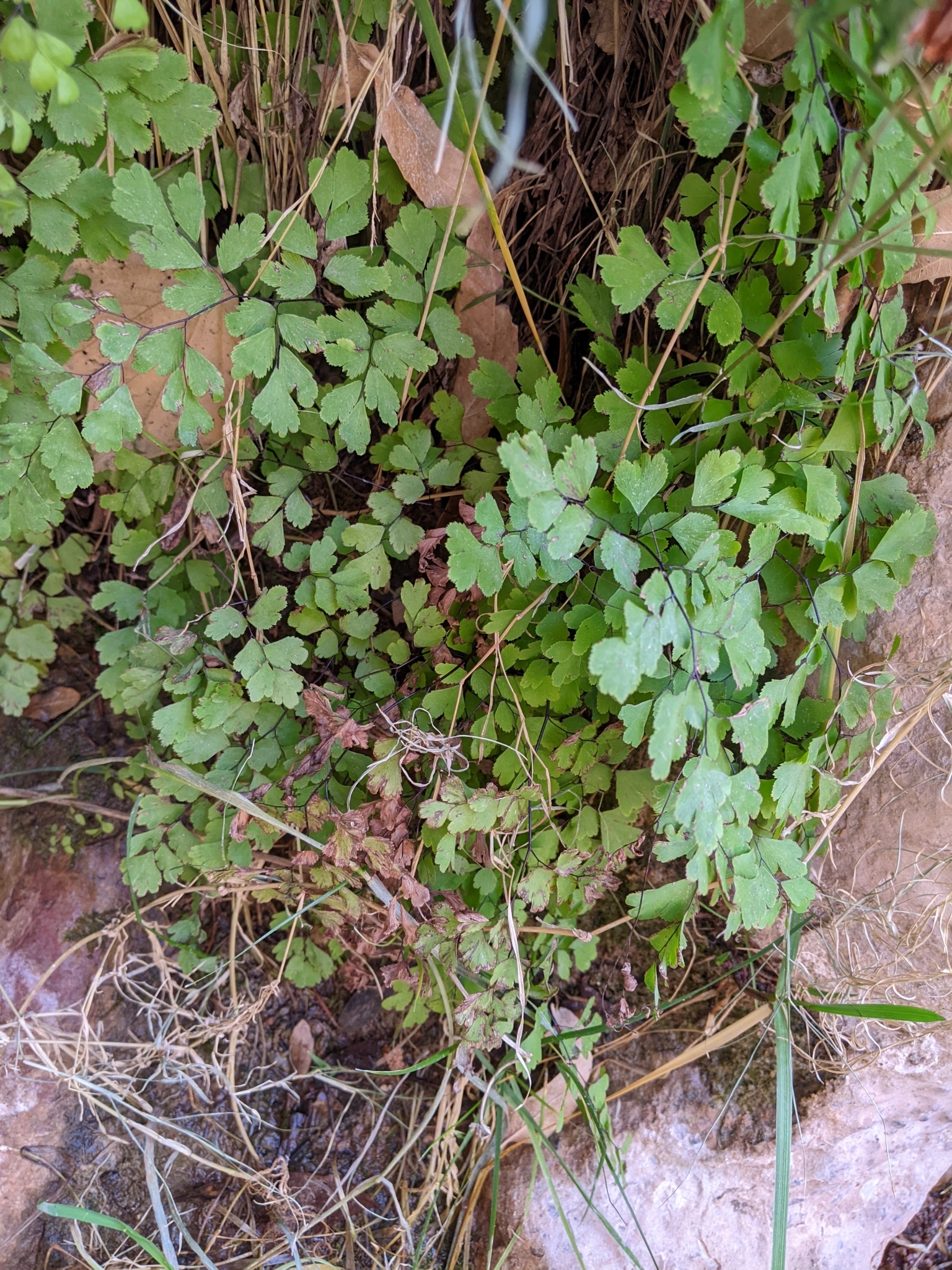
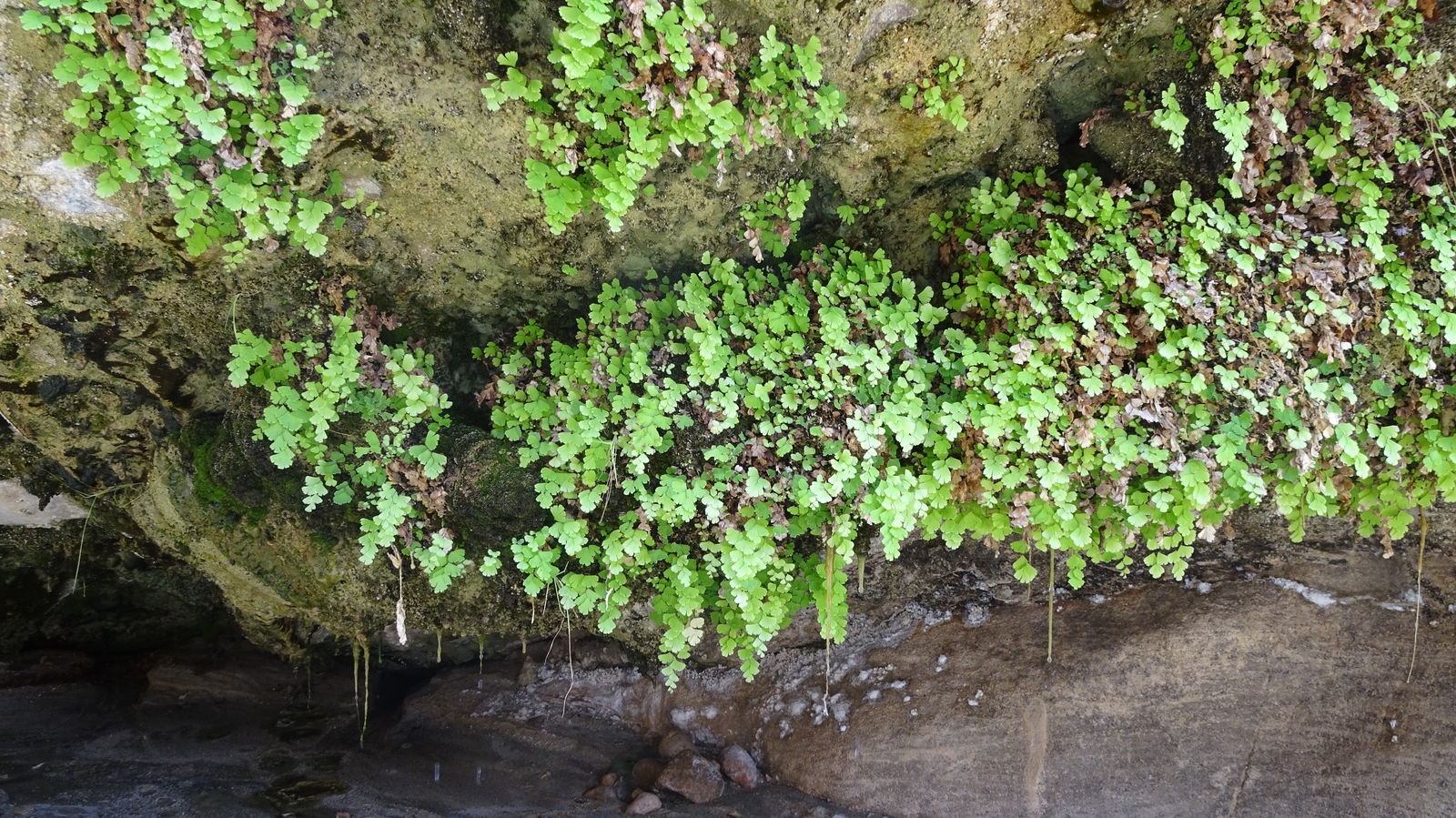
Southern maidenhair fern (Adiantum capillus-veneris L.) is a perennial fern in the Pteridaceae with a nearly worldwide distribution, including southern France. It grows on damp limestone faces, old walls and near waterfalls. Fan-shaped leaflets carried on black, threadlike stalks give it a distinctive appearance.
Read moreSouthern maidenhair fern and Venus hair fern




© photo
(c) Jorge Leandro, some rights reserved (CC BY-NC), uploaded by Jorge Leandro · cc-by-nc
Kate Harper · cc0
Rachel Stringham · cc-by
Taken Jan 1, 1800 by Tela Botanica − Thierry Pernot (cc-by-sa)
Taken May 4, 2017 by Antoine AFFOUARD (cc-by-sa)
Taken Sep 25, 2022 by gimemez iranzo (cc-by-sa)
© copyright of the Board of Trustees of the Royal Botanic Gardens, Kew.


Global distribution
Adiantum capillus-veneris has a nearly worldwide distribution across southern and western Europe, the Mediterranean, Africa, temperate Asia as far as Japan, and much of the Americas. It is native to southern mainland France and its mild Atlantic coast, rather than introduced.
- Native8
- Introduced1
- France
- Spain
- Italy
- Greece
- United Kingdom
- United States
- Mexico
- Japan
- Australia
Hexagons: regions where the plant occurs. Green dots: native range.1
Identity
Southern maidenhair fern (Adiantum capillus-veneris L., 1753), also called Venus hair fern and known in French as capillaire de Montpellier, is a perennial fern in the genus Adiantum, family Pteridaceae. Linnaeus described it in 1753, more than a century before the Victorian fern craze produced its first horticultural varieties. 1 5
The epithet comes from Latin capillus veneris, “Venus’s hair,” referring to the black, threadlike stalk. Dark and glossy, it contrasts with the pale green or brown stalks of other maidenhairs sold under the generic name “maidenhair fern.” When choosing a plant, the stalk is easier to spot than differences in leaf shape, which varies little between species. 3 6
Recognition
An airy clump of arching fronds 15–40 cm (6–16 in) long is carried on black, glossy, wiry stalks and rachises. The fronds are divided two or three times. Their light green, fan-shaped leaflets have rounded, lobed upper edges and look almost translucent against the light. 4 2
Like all ferns, it produces neither flowers nor fruit, unlike flowering plants sometimes confused with it in pots. Sori lie beneath the folded edges of fertile leaflets, without a separate indusium. This helps distinguish it from plants with merely divided leaves sold under the wrong name. 2 5
The short creeping rhizome gradually thickens the clump rather than producing one dominant stem. A solitary, compact plant is therefore often young. A colony spreading over several tens of centimeters (several inches to a few feet) indicates a long-established plant. 4
Taxonomy and names
The stable botanical name is Adiantum capillus-veneris L. POWO/WCVP associates it with a long list of synonymous forms and varieties, several published in the nineteenth century during the Victorian enthusiasm for ornamental ferns. 1 8
Daphnites, Magnificum and Polyhymnia, published by nurserymen W. Bull and Lowe between 1871 and 1875, and Grande and Imbricatum, described by Pynaert around 1890, belong to that period. All five names denote variations in leaf division or density, rather than separate species. 1 8
The French name cheveu de Vénus is also commonly applied to Adiantum raddianum. Growing medium provides a practical distinction: A. capillus-veneris tolerates limestone and alkaline conditions, whereas A. raddianum needs neutral to slightly acidic potting mix and year-round indoor cultivation where the outdoor climate is unsuitable. 2 6
Habitat and distribution
The species has a nearly worldwide distribution, extending from southern and western Europe, including southern France, to Africa, temperate Asia and much of the Americas. It is native, rather than introduced, in the Mediterranean and Atlantic parts of its European range. 2 3
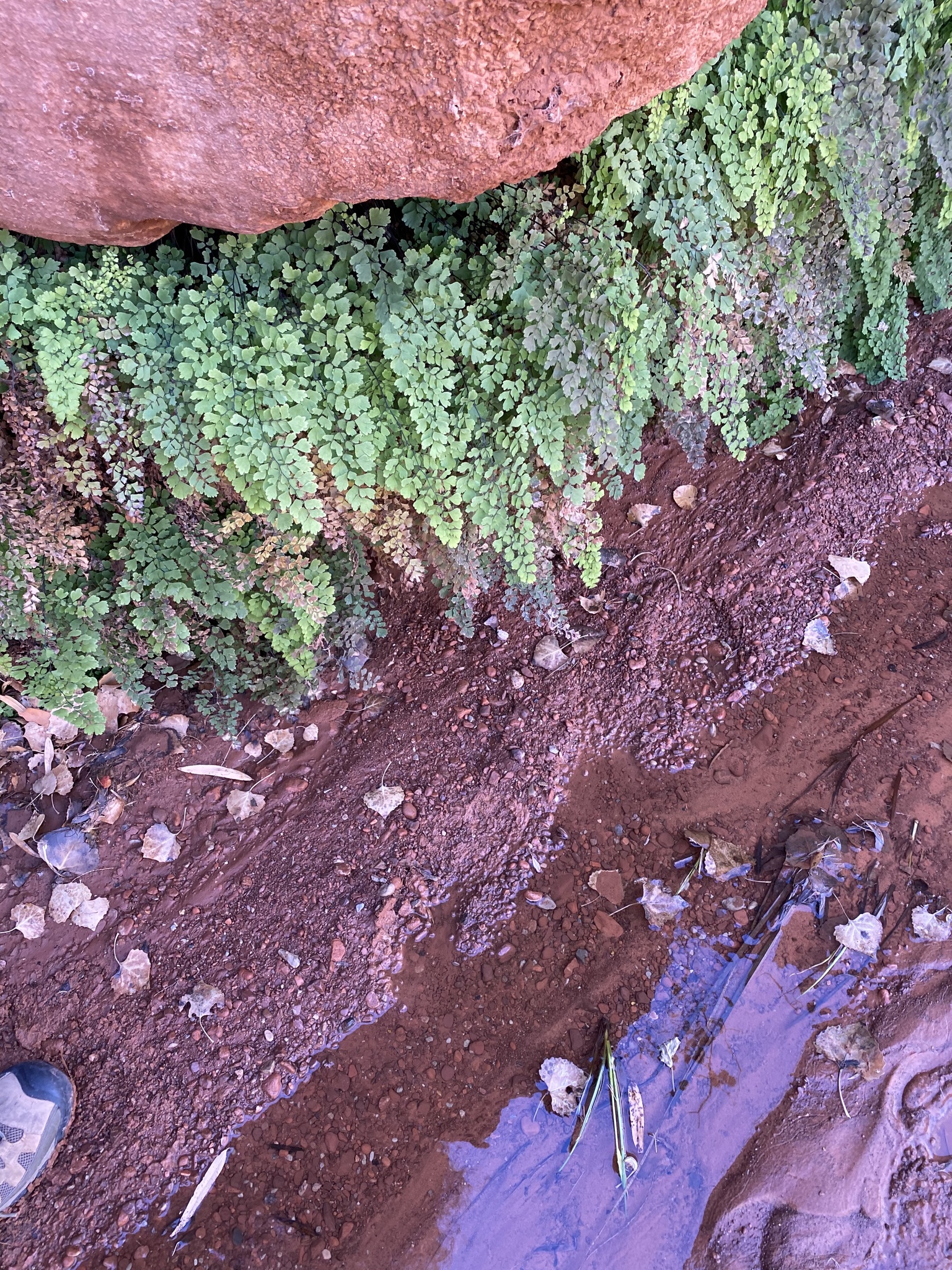
Its typical setting is a shaded, seeping limestone face, damp old wall, fountain rim or waterfall edge. Two isolated populations far north of the main North American range grow near hot springs, where geothermal warmth compensates for an otherwise unsuitable cold climate. 2 4
The IUCN classifies Adiantum capillus-veneris as Least Concern globally. Its wide range and ability to colonize isolated moist microhabitats explain this relatively secure conservation status. 1
Growing indoors and outdoors
Limestone tolerance distinguishes this fern from other indoor maidenhairs. Neutral to alkaline potting mix suits it better than an acidic substrate, unlike most ornamental ferns, which require acidic conditions. The RHS rates it H3, tolerating light frost to about −5 °C (23 °F) in a sheltered position. 2 4
Indoors, it needs filtered light, high humidity and a minimum temperature around 12 °C (54 °F). Direct sun quickly scorches the delicate leaflets. Dry air browns them within days, well before the growing medium feels dry. 3 4
Outdoors, a shaded wall, moist rock garden or waterside planting best reproduces its natural habitat. Missouri Botanical Garden reports no serious pest or disease problems for this species. Failures almost always result from drying out or excessive sun, rather than parasites. 4
Life cycle and propagation
Without flowers or fruit, reproduction depends entirely on spores beneath the folded edges of fertile leaflets. Sow ripe spores on sterilized, humus-rich medium in gentle warmth. They generally germinate within six weeks, though the resulting clump takes two to five years to reach adult size. 3
Dividing the rhizome in local spring or autumn shortens that wait considerably: a visible clump develops within weeks rather than the years needed from a spore. Establishment is riskier, however. Each division needs active roots and a viable rhizome section; small pieces dry quickly in low humidity. 3 2
A clump that has lost its fronds is not necessarily dead. If the rhizome remains firm, removing dry growth and watering regularly often allow new shoots to emerge from the base. A brittle or blackened rhizome, by contrast, indicates irreversible loss. 4
Uses and toxicity
Ornamental use predominates today, but the plant once had an important medicinal role. In Europe, infused fronds went into maidenhair syrup, a folk remedy for coughs and throat ailments common until the nineteenth century. It later became mainly a flavored syrup for drinks. 3
North American and Iranian medicinal traditions also record uses for insect stings and digestive problems. These are historical accounts, rather than present-day treatment advice. 3
No toxic constituent is documented for cats, dogs or humans, including after accidental ingestion of a few leaflets. Its status in horses remains unresolved, calling for caution when in doubt rather than a categorical safety claim. 7
Varieties, lookalikes and related plants
Old horticultural names such as Daphnites, Magnificum and Polyhymnia do not represent separate species. Selected for leaf forms in the nineteenth century, they remain within Adiantum capillus-veneris in current botanical synonymy. 1
Three related species cause most confusion: Adiantum raddianum, more tropical and less tolerant of limestone; Adiantum pedatum, with palmate fronds and greater cold hardiness; and Himalayan Adiantum venustum, lower-growing and more persistent in winter. 2 6
When buying a plant, check for black stalks, a healthy rhizome with active roots and no mealybugs at the frond bases. The full scientific name is the only reliable guide when generic “maidenhair fern” labels cover several Adiantum species. 2
Main sources
- Plants of the World Online / Kew, Adiantum capillus-veneris L.
- Royal Horticultural Society, Adiantum capillus-veneris
- Plants For A Future, Adiantum capillus-veneris
- Missouri Botanical Garden Plant Finder, Adiantum capillus-veneris
- Integrated Taxonomic Information System, Adiantum capillus-veneris L.
- NC State Extension Gardener Plant Toolbox, Adiantum
- Plant Compendium, Maidenhair Fern pet safety
- GBIF Backbone Taxonomy, Adiantum capillus-veneris L.
Frequently asked questions
Does southern maidenhair fern grow wild in France?
Yes. It is native to southern France and some mild coastal areas, colonizing damp limestone faces, old walls and the edges of waterfalls or fountains.
Is it toxic to cats and dogs?
No toxic constituent is documented for cats, dogs or humans. Its status in horses remains unresolved, so caution is appropriate when in doubt.
How does it differ from Adiantum raddianum?
Adiantum capillus-veneris tolerates neutral to alkaline soil and readily grows on limestone or old walls. The more tropical Adiantum raddianum prefers humus-rich, neutral to slightly acidic potting mix and year-round indoor cultivation where the outdoor climate is unsuitable.
Why is it called Venus hair fern?
The scientific name capillus-veneris literally means Venus’s hair. It describes the black, threadlike stalk, likened in early botanical tradition to the goddess’s fine hair.
Can it stay outdoors all year?
In mild-winter regions, it tolerates brief light frosts on a sheltered wall. Elsewhere, growing it in a pot brought indoors for winter, or providing winter protection, is more prudent.
What was maidenhair syrup used for?
Historically, infused fronds were a European folk remedy for coughs and throat ailments through the nineteenth century, before the preparation became mainly a flavored syrup for drinks.
Similar plants

If you are unsure about a plant’s toxicity, ask a botanist or veterinarian for advice.