
Cast-iron plant (Aspidistra elatior, )
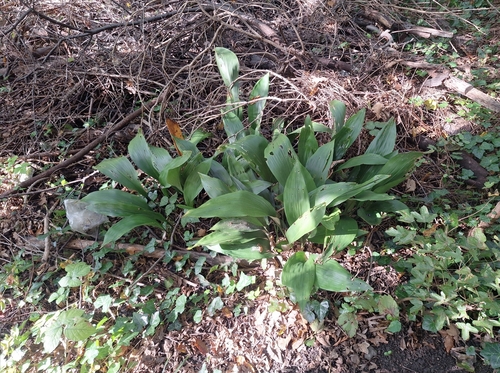

Cast-iron plant (Aspidistra elatior) is a rhizomatous perennial in the Asparagaceae family, native to southern Japan and Taiwan. Known for tolerating deep shade and neglect, it forms a clump of broad evergreen leaves rising from the rhizome, with discreet flowers at ground level.
Read moreCast-iron plant, Aspidistra and Bar-room plant
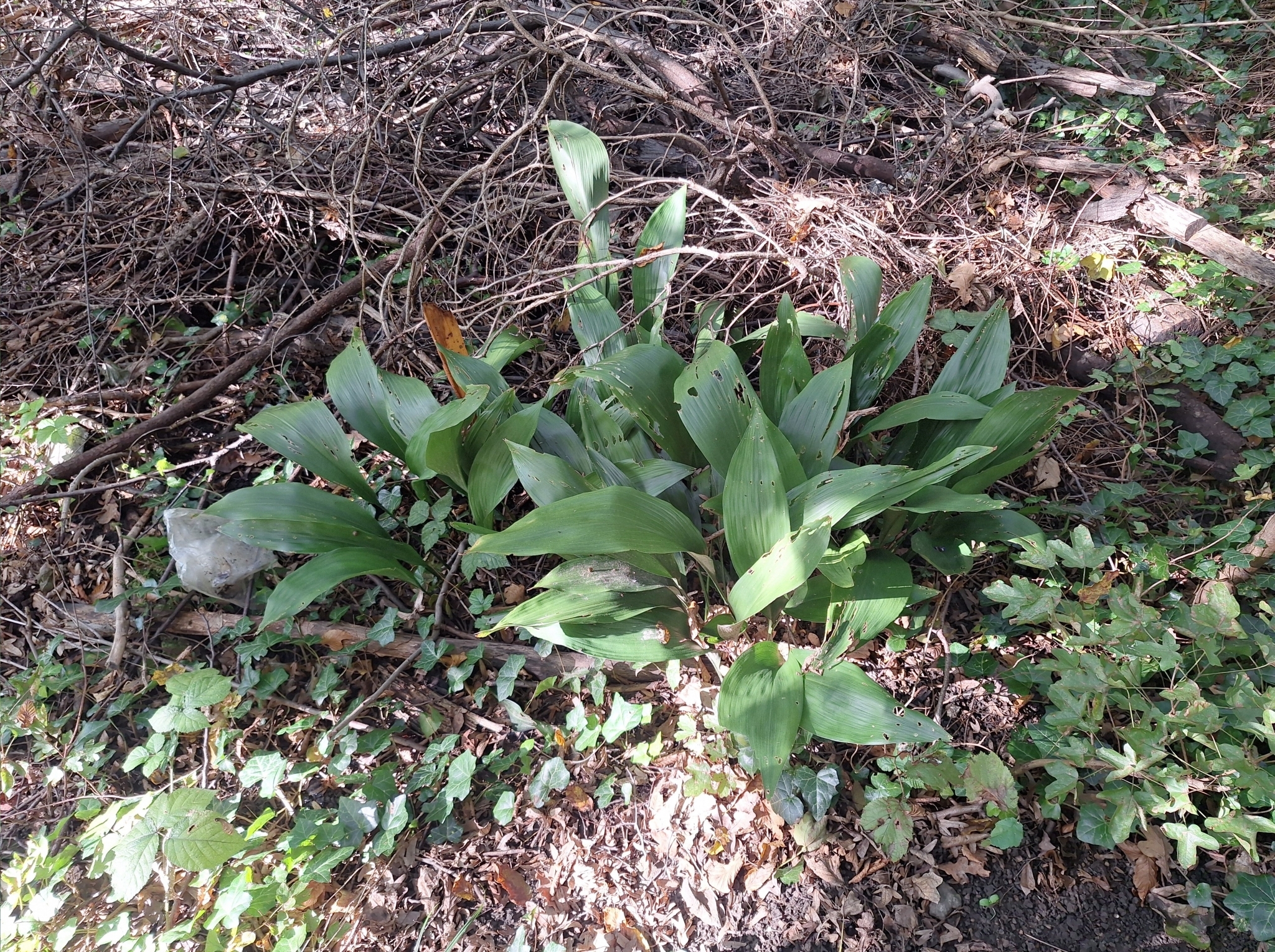


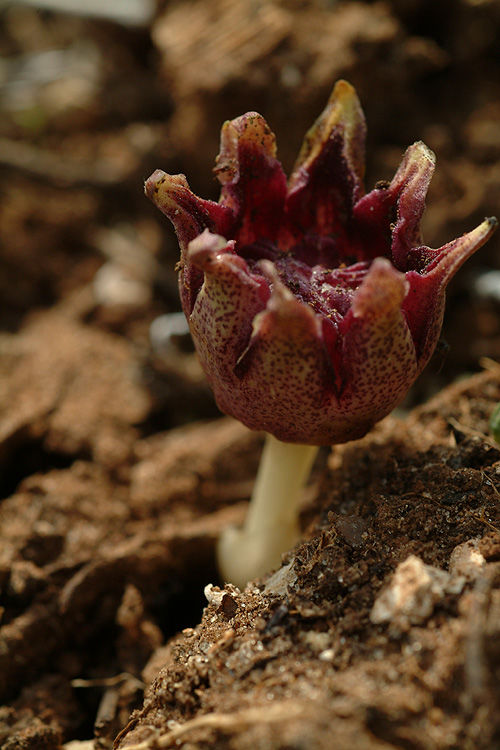

© photo
Miha Jurić · cc-by
Wikimedia Commons · CC BY-SA or Public Domain
Taken May 3, 2022 by Alboss (cc-by-sa)
Taken Nov 8, 2022 by Marie-Claude Darnajou (cc-by-sa)
Taken Oct 24, 2022 by Busquet Jaume (cc-by-sa)
Taken Aug 10, 2018 by Tela Botanica − La Spada Arturo (cc-by-sa)
© copyright of the Board of Trustees of the Royal Botanic Gardens, Kew.




Global distribution
The native range of Aspidistra elatior is concentrated in southern Japan and Taiwan, in shaded subtropical woodland. Long cultivated, the species is also recorded in southern China and widely grown as a houseplant; these cultivated regions should be distinguished from its native range.
Identity
Cast-iron plant (Aspidistra elatior Blume, 1834), also called Aspidistra or Bar-room plant, is a rhizomatous perennial in the Asparagaceae family and the genus Aspidistra. Its common name captures its almost metallic toughness: this houseplant withstands dust, drafts and very low light. 1 4
Victorian homes helped establish its popularity as a large, easygoing foliage houseplant in Europe. Broad, leathery, evergreen leaves rise in a clump from the rhizome, creating a lasting ornamental display even in dim rooms. 2 3
Recognition
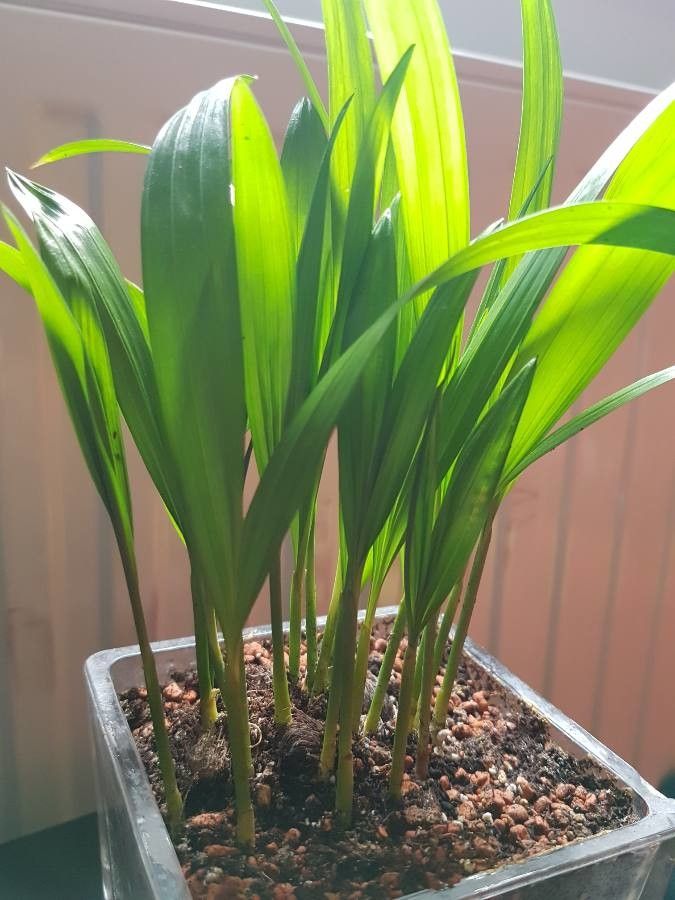
Broad, glossy, dark green lance-shaped leaves identify Aspidistra elatior. They are leathery and about 60 cm (24 in) long by 10 cm (4 in) wide. Each leaf grows directly from the rhizome on a long petiole, with no visible aboveground stem. 3 2
A shallow, creeping rhizome feeds the dense clump, which slowly widens from year to year. Cut leaves release neither latex nor irritating sap, a useful distinction from many other large houseplants. 5 4
Look at soil level for its unusual flowers. Fleshy, solitary and purple-brown to cream, they can hide beneath the leaves. This discreet flowering is uncommon in pots and easily overlooked. 4 3
Useful taxonomy
Blume described Aspidistra elatior in 1834. The genus name comes from Greek aspidion, meaning a small shield, referring to the stigma; elatior means “taller.” Older names and combinations still encountered include:
- Aspidistra lurida auct., misapplied name
- Aspidistra elatior var. variegata hort.
- Aspidistra elatior subsp. elatior
- Aspidistra elatior subsp. cephalostigma N.Tanaka
- Plectogyne variegata Link
Use Aspidistra elatior as the accepted botanical reference. Cultivar names such as Variegata and Asahi refer to horticultural selections rather than distinct species. Its family placement has changed: formerly in Liliaceae and then Ruscaceae, it is now placed in Asparagaceae. 1 6
Habitat and range
Southern Japan and Taiwan hold the native shaded subtropical woodland habitat of Aspidistra elatior, including the Uji, Ōsumi and Tokara island groups. It grows in moist, humus-rich soil beneath dense tree cover, in a low herbaceous layer receiving very little light. 1 3
Woodland conditions explain its exceptional shade tolerance. Adapted to low light, the plant thrives where many species become leggy. Its ground-level pollination is likewise associated with this sheltered, shaded environment. 4 5
Centuries of cultivation have carried the species well beyond its original range. It is recorded in cultivation in southern China and grown as a houseplant worldwide; where the climate is mild, it also provides ground cover in shaded beds. These cultivated areas remain distinct from its Asian native range. 3 2
Life cycle and reproduction
Evergreen growth continues without a pronounced dormant period. Cast-iron plant grows slowly, mainly in spring and summer, building its clump through gradual rhizome extension rather than a dramatic seasonal flush. 2 5
Solitary purple-brown to cream flowers emerge and are pollinated at ground level, later producing small berries containing seeds. Potted plants flower infrequently and fruit exceptionally rarely, so seed propagation plays only a minor role in cultivation. 4 3
For propagation, divide the rhizome in spring. Lift the clump and separate pieces bearing two or three leaves and a rhizome section, then replant immediately in a free-draining mix. Divisions settle slowly, taking four to eight weeks to root before making new leaves. A single leaf without rhizome tissue never develops into a complete plant. 2 5
Uses and risks
Growing Aspidistra elatior is primarily about ornament: it serves as a large foliage houseplant or, in mild climates, ground cover for shaded garden corners. Its reputation for surviving neglect makes it a classic choice for dim rooms, low-light halls and beginners. In Japan, its leaves are also used in the seika form of ikebana. 2 4
Pet safety adds to its appeal: the ASPCA classifies cast-iron plant as non-toxic to cats, dogs and horses. No notable toxin is associated with it, and it releases neither latex nor irritating sap. It is therefore among the safer large foliage plants for homes with animals or young children. 7 5
Varieties, look-alikes and related plants
Cultivar labels describe foliage selections, rather than separate species. Variegata has cream-white stripes; Asahi develops white coloring in the upper third of each leaf; Okame has strong lengthwise variegation; Milky Way has pale speckles. Variegation holds better in shade and less fertile soil, since excess nitrogen encourages greener growth. Before buying, check the cultivar name, rhizome condition and leaf firmness. 2
Plants most easily mistaken for cast-iron plant include:
- Aspidistra lurida and other aspidistras with very similar leaves ;
- Rohdea japonica, with similar evergreen leaves but flowers in an upright spike ;
- young, broad-leaved Dracaena, sometimes confused in garden centers.
Thick, lance-shaped leaves rising directly from the soil, no latex and ground-level flowers provide the most reliable combination for identifying Aspidistra elatior sold as cast-iron plant. 3 1
Main sources
- Plants of the World Online / Kew, Aspidistra elatior Blume
- Royal Horticultural Society, Aspidistra elatior - cast-iron plant
- Missouri Botanical Garden, Aspidistra elatior
- Encyclopaedia Britannica, cast-iron plant
- Plants For A Future, Aspidistra elatior
- International Plant Names Index, Aspidistra elatior Blume
- ASPCA, cast-iron plant (Aspidistra elatior) non-toxic entry
Frequently asked questions
Is cast-iron plant toxic?
No. The ASPCA lists cast-iron plant as non-toxic to cats, dogs and horses. It is one of the safer large foliage plants for homes with pets.
Why is my cast-iron plant growing so slowly?
Slow growth is normal for Aspidistra elatior, especially in shade. It produces only a few leaves a year. An oversized pot or excess water slows the clump further rather than helping it.
Can cast-iron plant grow in a dark room?
Yes. It is among the most shade-tolerant houseplants. It thrives in partial shade and survives in dim light where most foliage plants become leggy; keep it out of direct sun.
Does cast-iron plant flower?
Yes, discreetly. Purple-brown to cream flowers appear at ground level, often hidden beneath the leaves. Flowering is uncommon in pots and is not the main reason for growing it.
Can cast-iron plant survive frost?
In well-drained soil and shade, a clump tolerates temperatures down to about -15 °C (5 °F). Shelter potted plants below 0 °C (32 °F); indoors, keep temperatures above 10 °C (50 °F).
How do you propagate cast-iron plant?
Divide the rhizome in spring. Separate pieces with two or three leaves and a section of rhizome, then replant immediately in a free-draining mix. Leaf cuttings do not work.
Are variegated forms different species?
No. Variegata, Asahi and Okame are cultivars selected for variegation rather than separate species. Variegation holds better in shade and in less fertile soil.
Similar plants
If you are unsure about a plant’s toxicity, ask a botanist or veterinarian for advice.