
Night jessamine (Cestrum nocturnum, )
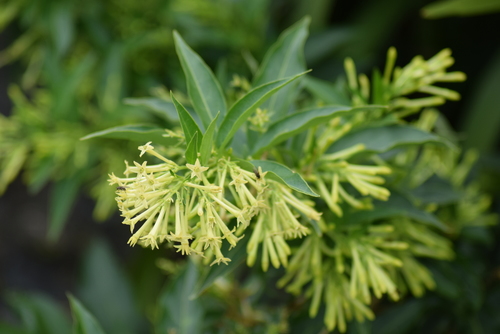
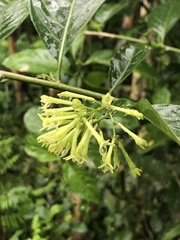

Night jessamine (Cestrum nocturnum) is an evergreen Solanaceae shrub native to Mexico and Central America. Clusters of greenish-white tubular flowers release a sweet, musky scent at nightfall. Small white berries follow, dispersed by birds that have helped it become invasive in several tropical regions.
Read moreNight jessamine, Lady of the night, Night-blooming jasmine and Queen of the night
Allow a few hours of direct sun per day, preferably morning or evening.
Full sun to light partial shade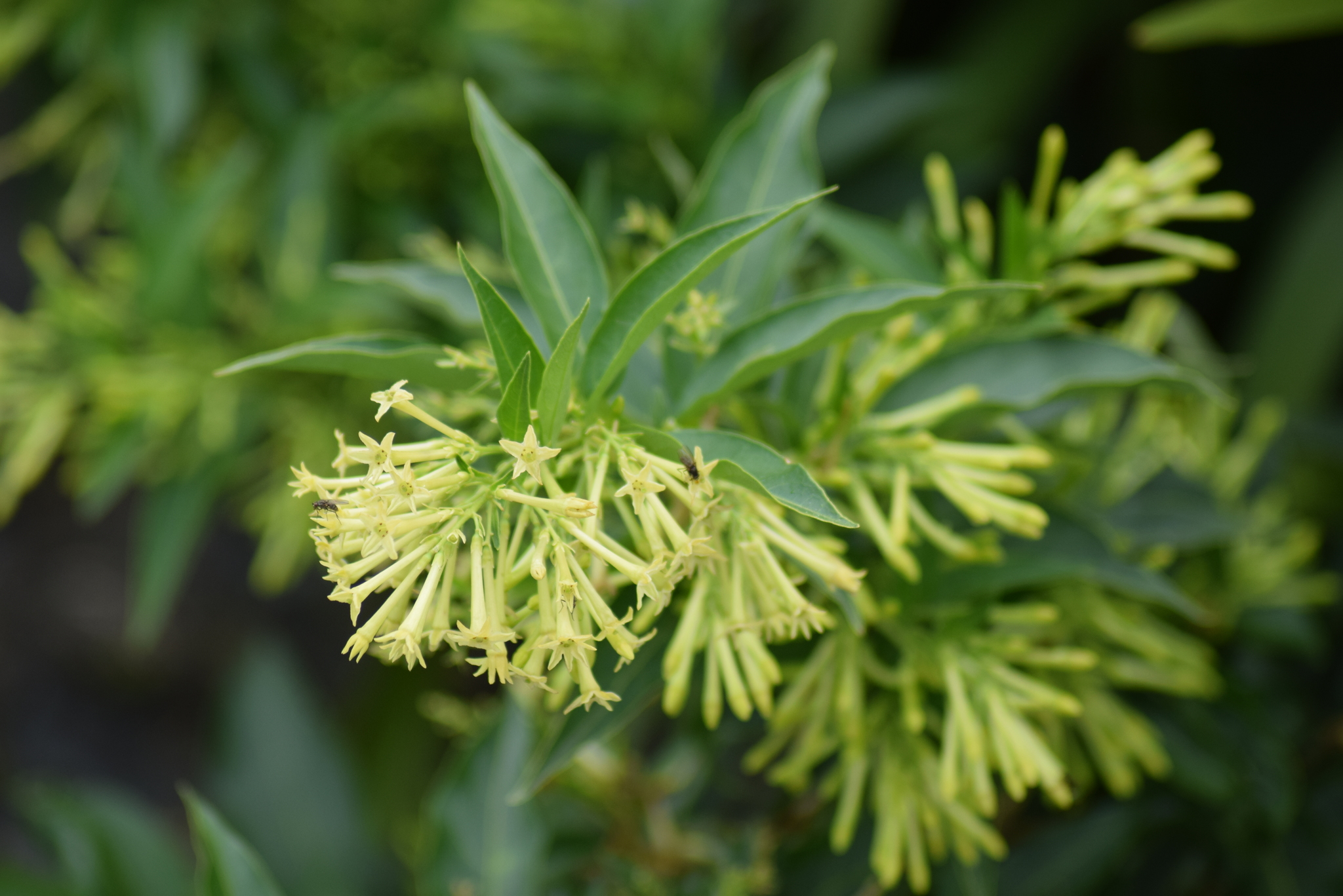


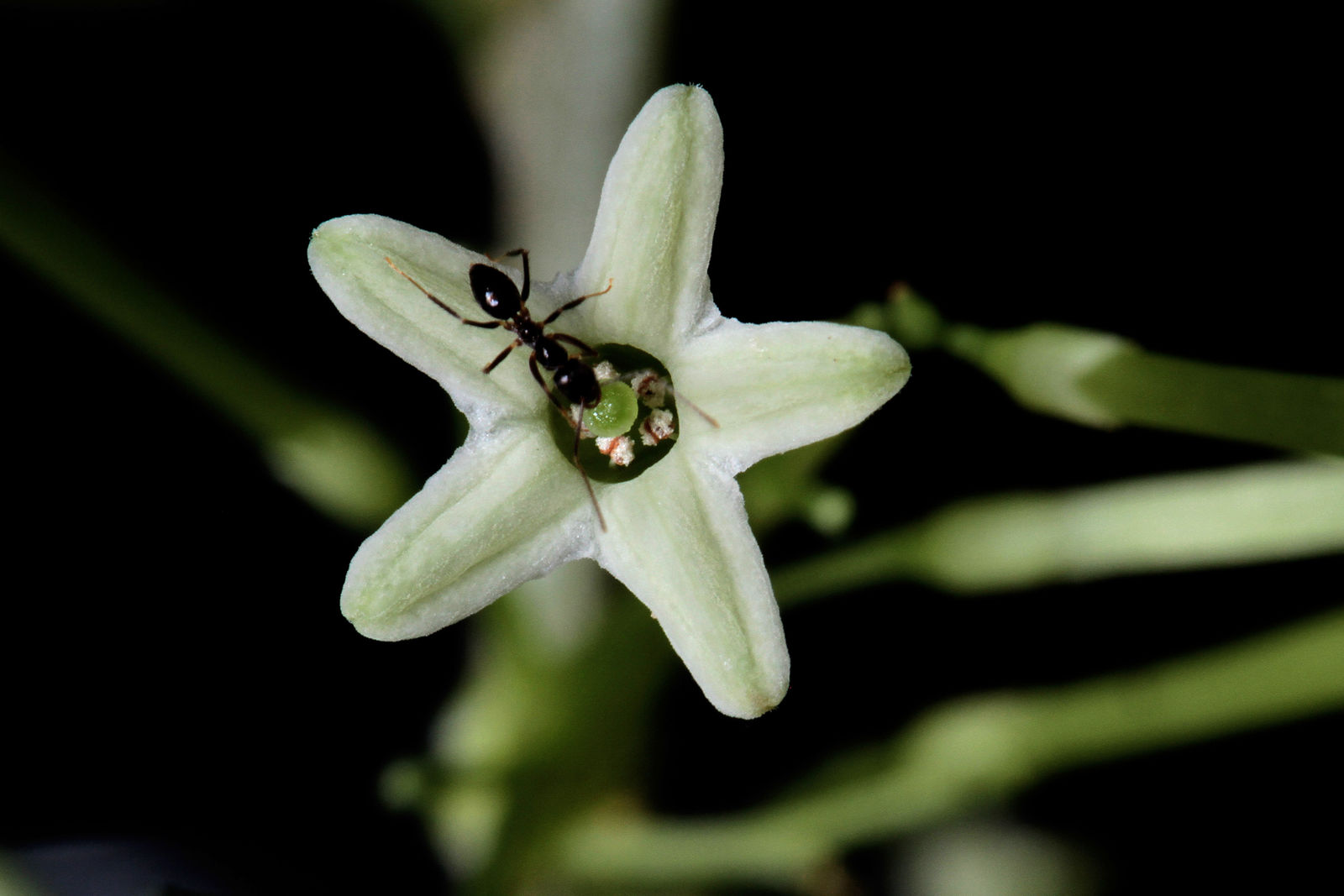
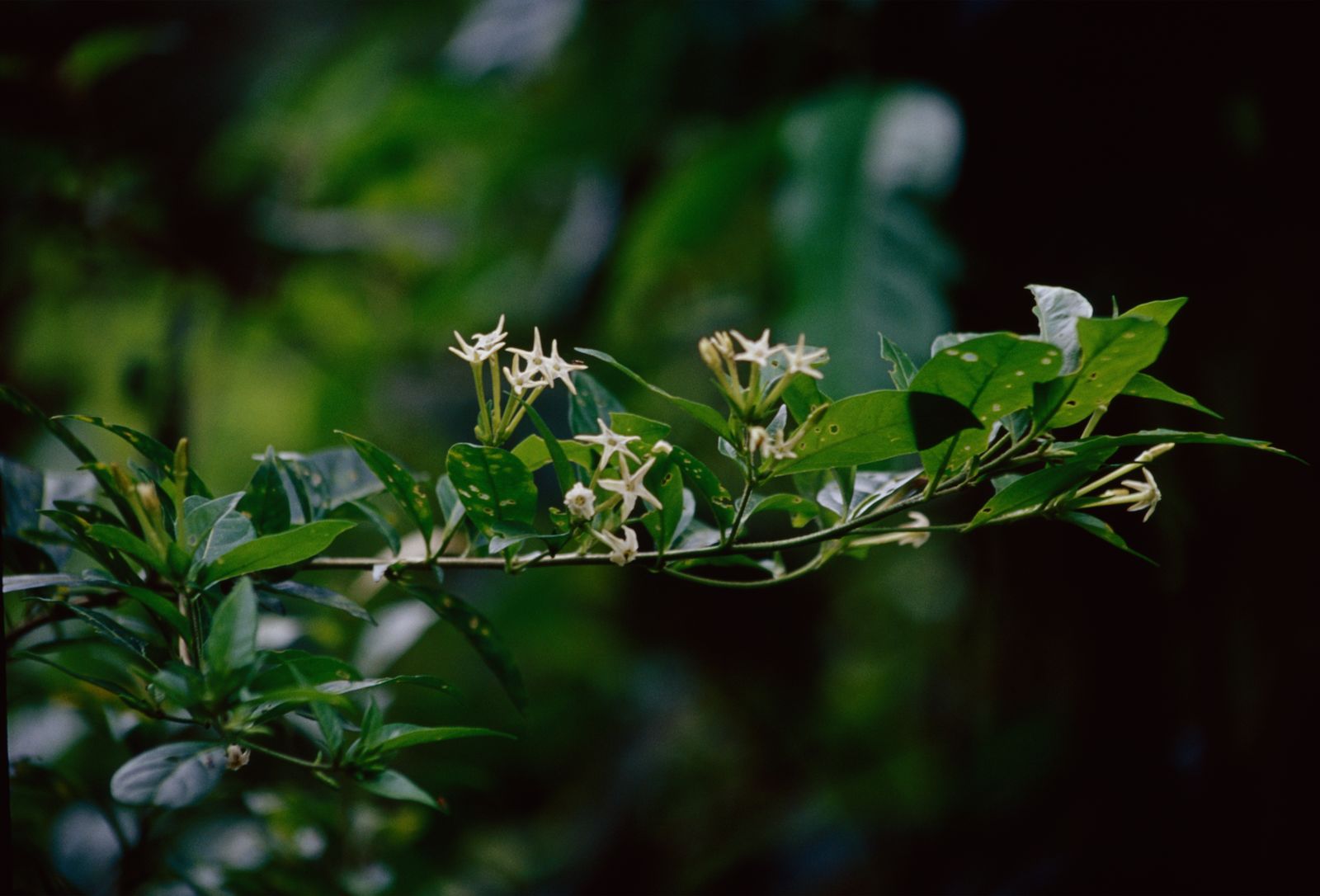
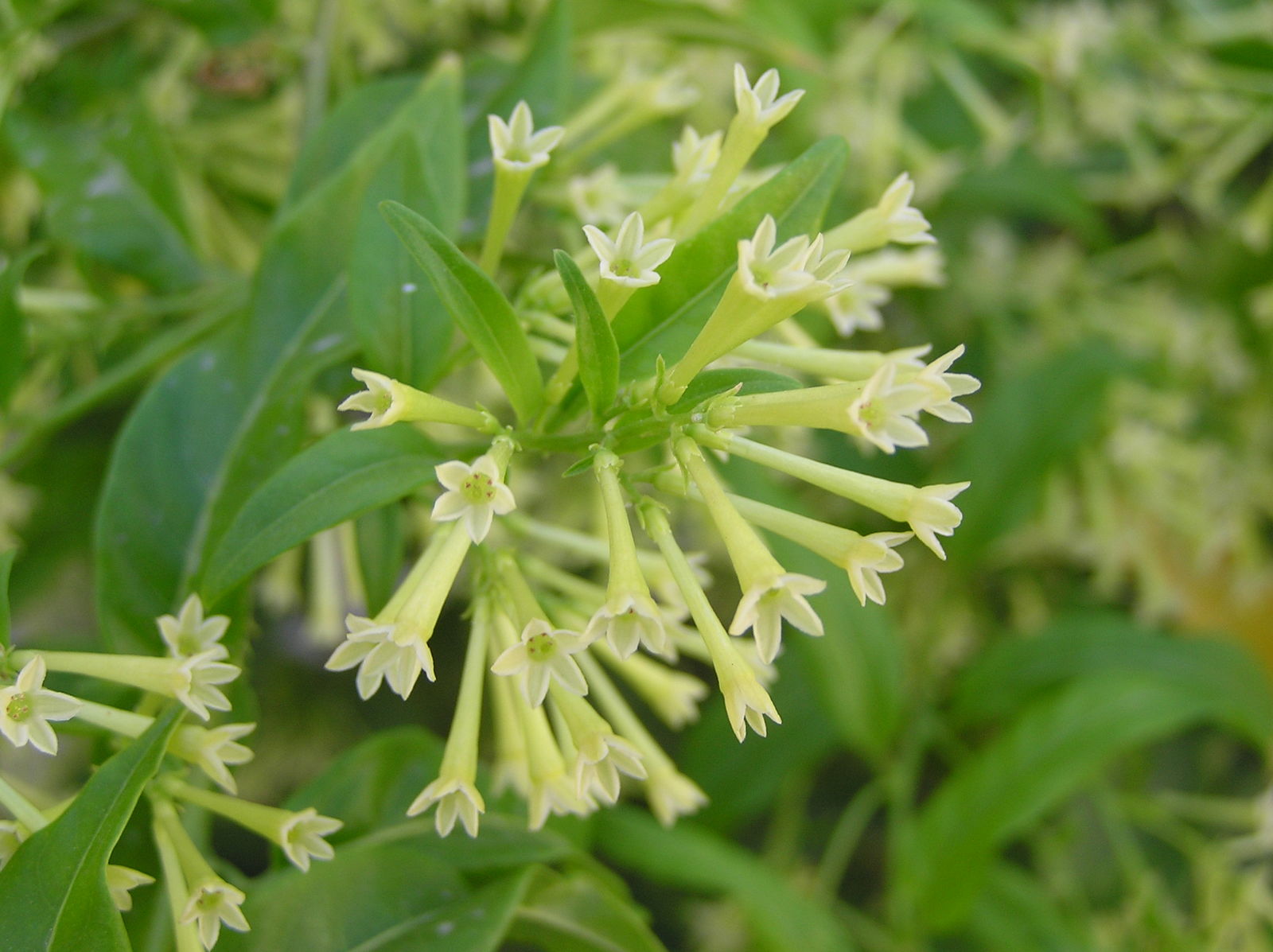
© photo
(c) David W K Foster, some rights reserved (CC BY-NC-ND), uploaded by David W K Foster · cc-by-nc-nd
Skjold Søndergaard · cc-by
Wikimedia Commons · CC BY-SA or Public Domain
Taken Jun 1, 2009 by OTS - Oviedo-Brenes, Federico (cc-by-nc-sa)
Taken Oct 21, 2014 by OTS - Oviedo-Brenes, Federico (cc-by-nc-sa)
Taken Apr 25, 2021 by Correia Junior Humberto Serafim (cc-by-sa)
Taken Jul 11, 2018 by Kamaria Hassane (cc-by-sa)
Taken Apr 16, 2021 by Fabiola Pinzón (cc-by-sa)
© copyright of the Board of Trustees of the Royal Botanic Gardens, Kew.


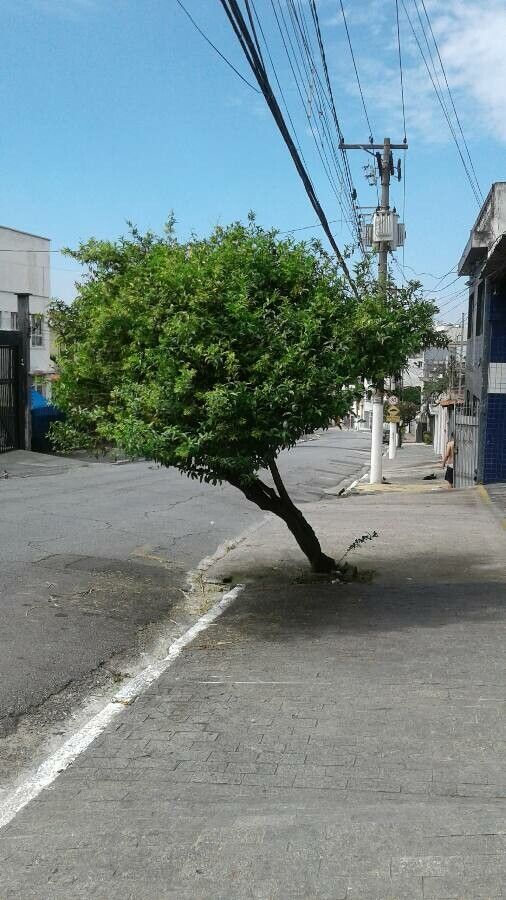


Global distribution
The native range extends from Mexico through Central America and the West Indies to Venezuela. Widely grown for its nighttime scent, it has also been introduced far beyond this range and has become locally invasive in several tropical and subtropical regions.
- Native4
- Introduced3
- Invasive2
- Mexico
- Panama
- Cuba
- Venezuela
- United States
- South Africa
- China
- Australia
- New Zealand
Hexagons: regions where the plant occurs. Green dots: native range.1
Identity
Night jessamine (Cestrum nocturnum L., 1753), also sold as night-blooming jasmine, is an evergreen shrub in the Solanaceae genus Cestrum. Plants of the World Online accepts the name published by Linnaeus, with a native range extending from Mexico to Venezuela. 1 7
Despite its nursery name, this plant is not a true jasmine. Jasminum belongs to a different family, the Oleaceae; the evening fragrance alone explains their popular association. 2
The shrub briefly tolerates 1–5 °C (34–41 °F) but does not survive prolonged frost. In-ground growing is therefore limited to USDA zones 9–11, using a container moved to bright winter shelter elsewhere. Outdoor advice depends on local winter conditions. 2 3
Recognition
Flexible, arching stems form a shrub commonly 1–4 m (3–13 ft) tall and 1.5–2.5 m (5–8 ft) wide, often broader than tall at maturity. 2 3
Simple, alternate leaves are elliptical to lance-shaped, glossy and 6–20 cm (2.4–8 in) long. They have neither spines nor tendrils, separating this shrub from several climbing Solanaceae in the same genus. 4
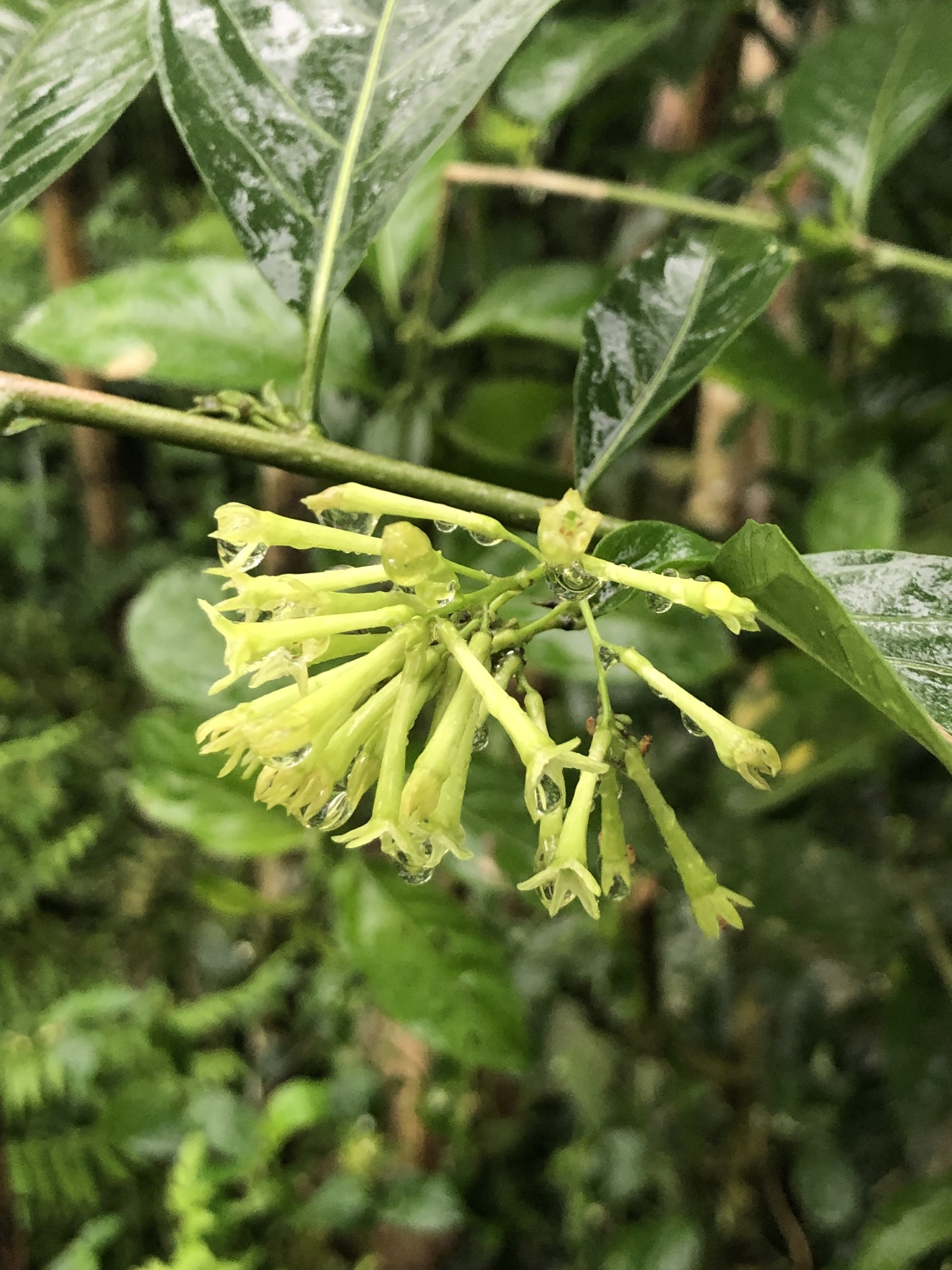
Tubular flowers with five pointed lobes are greenish white to cream and 2–2.5 cm (0.8–1 in) long. Clusters arise in the leaf axils. Sweet, musky scent develops at dusk and falls almost to nothing under midday sun, so a daytime sniff alone cannot settle identification. 2 4
Flowering is followed by small, rounded white berries, 8–12 mm (0.3–0.5 in) across, eagerly eaten by birds. 4
Useful taxonomy
Linnaeus published Cestrum nocturnum in 1753. The genus is chiefly tropical and subtropical American shrubs, related to Solanum and Brugmansia within Solanaceae. This species remains its most widely cultivated member for evening scent. 1 7
ITIS records vernacular names associated with the same taxon in different regions, including night jessamine, dama-de-noche and queen of the night, alongside French galant de nuit, cestreau nocturne and dame de nuit. Numerous popular names contrast with the stability of the accepted scientific name. 7
Another member of the genus, Cestrum diurnum L., opens and scents its white flowers during the day instead. Fragrance at sunset points to C. nocturnum; fragrance at noon points to C. diurnum. Floral behavior can distinguish the pair more quickly than a detailed description. 1
Habitat and range
Mexico, Central America, the West Indies and northern South America as far as Venezuela form its native range. It inhabits humid lowland woodland edges and scrub. 1
Widespread cultivation for fragrance has introduced the plant to at least six countries beyond its native range. Florida lists it as exotic and monitors it through invasive-species networks. ITIS also records introductions in Hawaii and the continental Caribbean region. 6 7
Naturalization is more extensive in Australia. In New South Wales, the weed-management service places Cestrum nocturnum under a general biosecurity duty because it can colonize coastal woodland edges, streambanks and scrub. This is an attributed Australian regulatory context, not a universal planting rule. 4
Life cycle and reproduction
Flowering begins in spring and continues through summer, with each cluster scenting several successive nights. Under consistently tropical conditions, repeated flowering flushes can occur almost throughout the year. 2 3
Pollinated flowers develop into white berries that birds actively eat. Seeds survive passage through the digestive tract, allowing effective dispersal, including beneath perches far from the parent shrub. 4
For garden propagation, semi-ripe cuttings are taken in summer. Bottom heat encourages rooting within three to six weeks. Seed extracted from ripe berries also works, but postpones the first flowers by several growing seasons. 2
Uses and risks
Ornamental planting near a terrace or conservatory makes use of its evening perfume. Phytochemical research isolated steroidal saponins from flower extracts that were cytotoxic to several cancer-cell lines. This remains an experimental line of inquiry, without a validated medical use. 2 5
Risk concerns the entire plant. Berries and leaves, containing steroidal glycosides, are toxic to humans and domestic animals. The RHS specifically warns of harm to dogs if eaten. The Australian weed-management service reports toxicity to livestock and people across all plant parts. 2 4
The powerful evening fragrance travels several tens of meters, leading some Australian municipalities to restrict planting near homes. Respiratory irritation and headaches are reported in sensitive people, including those with asthma, making bedroom windows an unsuitable position. 4
Varieties, look-alikes and related plants
No horticultural cultivar of Cestrum nocturnum is widely distributed. Selection chiefly concerns vigor of flowering rather than differences in color or variegation. 3
The principal look-alikes include:
- Cestrum diurnum L., with daytime rather than nighttime floral activity;
- Jasminum officinale and Jasminum sambac, true jasmines in a different family, confused through the nursery name;
- Brugmansia and Datura, other strongly scented Solanaceae with much larger trumpet-shaped flowers.
Small tubular, five-lobed flowers gathered in clusters separate it from these plants. In this comparison, fragrance is nearly absent by day and intense at night. This pattern, combined with the white berries and shrub habit, provides the final distinction. 2 4
Main sources
- Plants of the World Online / Kew, Cestrum nocturnum L.
- Royal Horticultural Society, Cestrum nocturnum details
- Missouri Botanical Garden, Cestrum nocturnum plant finder
- NSW WeedWise / DPI, Lady-of-the-night (Cestrum nocturnum)
- PMC, Cestrum nocturnum flower extracts, steroidal saponins and cytotoxicity study
- Atlas of Florida Plants, Cestrum nocturnum
- Integrated Taxonomic Information System, Cestrum nocturnum L. (TSN 30498)
Frequently asked questions
Why does night jessamine have no scent during the day?
This is normal. Cestrum nocturnum releases its sweet, musky fragrance in the evening and at night. The flowers are almost scentless during daylight.
Is night jessamine poisonous to animals?
Yes. Berries and foliage contain steroidal glycosides toxic to dogs, cats, horses and humans, with a documented risk to young children who eat the berries.
Can night jessamine be mistaken for true jasmine?
The nursery name night-blooming jasmine is confusing, but Cestrum nocturnum belongs to Solanaceae, whereas Jasminum belongs to Oleaceae. They are not close botanical relatives.
Why is night jessamine considered invasive?
Birds readily eat its white berries and disperse seeds effectively. In Australia and New Zealand this has allowed the plant to colonize woodland edges and streambanks at the expense of local vegetation.
What minimum temperature does night jessamine tolerate?
It briefly tolerates temperatures around 1–5 °C (34–41 °F), but does not survive prolonged frost. Where winters are cold, a container moved under cover is the safest approach.
How is night jessamine propagated?
Semi-ripe summer cuttings give the best results, rooting in three to six weeks with bottom heat. Seed is also possible but delays the first flowers.
Should it be planted away from bedroom windows?
This is a commonly recommended precaution. Its powerful nighttime fragrance is reported to cause respiratory discomfort or headaches in some sensitive people, particularly those with asthma.
Similar plants
If you are unsure about a plant’s toxicity, ask a botanist or veterinarian for advice.