
Azarole (Crataegus azarolus, )
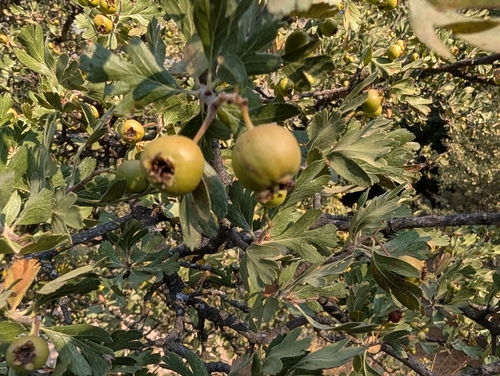
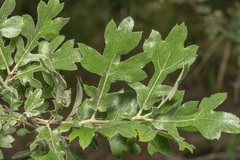
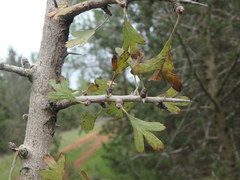
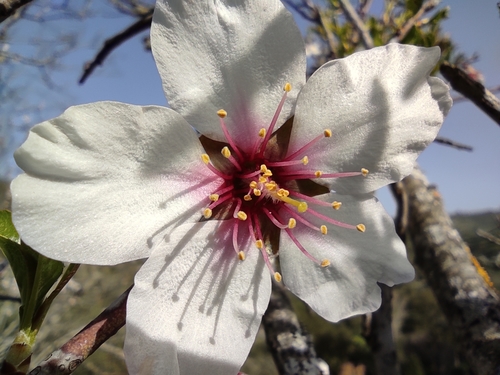
Azarole (Crataegus azarolus L., 1753) is a thorny shrub or small tree in Rosaceae, native from the Mediterranean Basin to Iran. Grown in southern European orchards for its edible fruit, it differs from common hawthorn in its larger, often red or yellow fruits and much less conspicuous thorns. Its white, unpleasantly scented flowers chiefly attract flies rather than bees.
Read moreAzarole and Mediterranean medlar


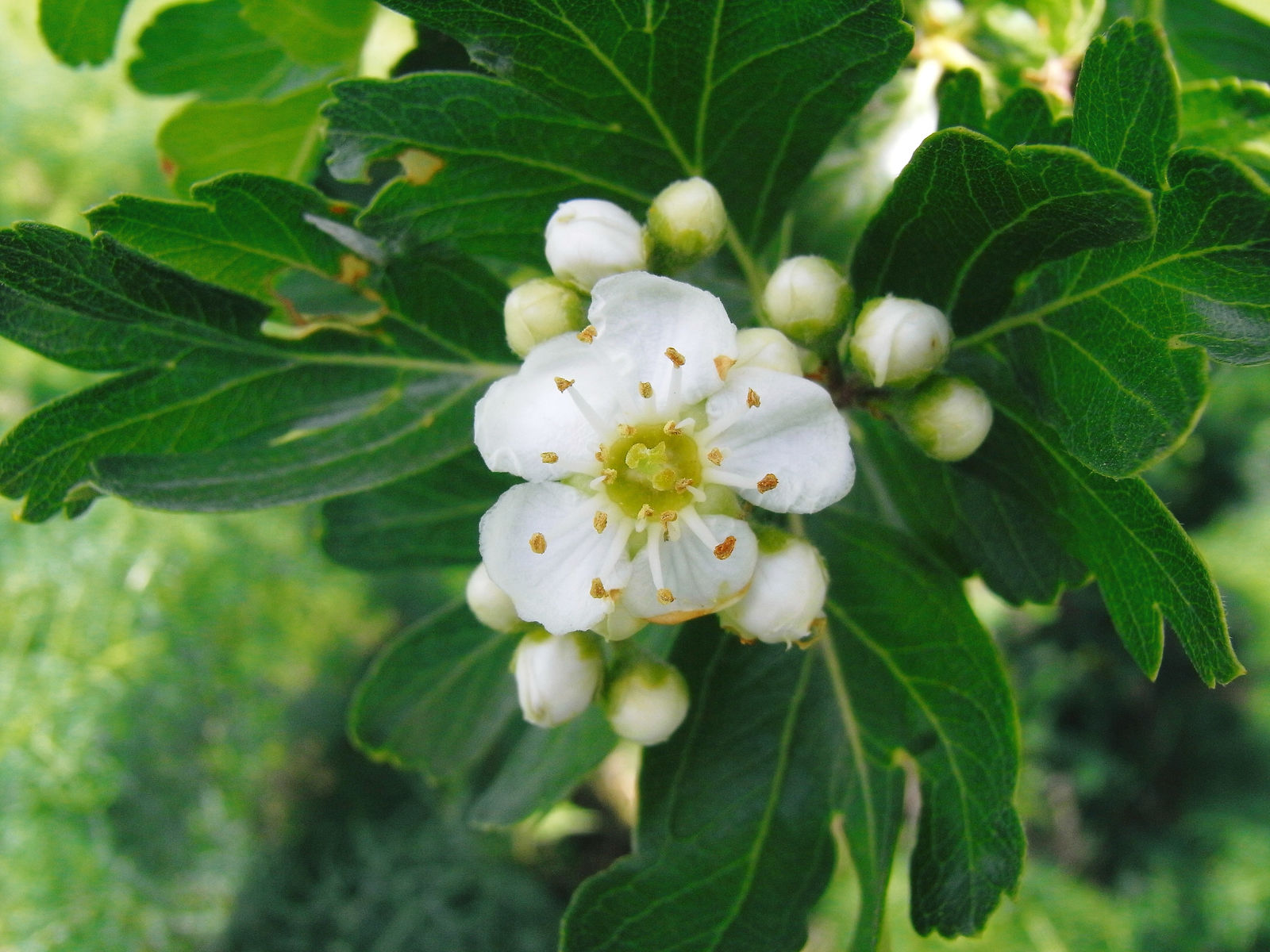
© photo
Marios Thoma · cc-by
Eleftherios Katsillis · cc-by
Daniel Cahen · cc-by
Taken Jul 7, 2010 by Tela Botanica − Pierre Bonnet (cc-by-sa)
Taken Nov 21, 2022 by Noah Fleury (cc-by-sa)
© copyright of the Board of Trustees of the Royal Botanic Gardens, Kew.




Global distribution
POWO places the native range of Crataegus azarolus across the Mediterranean Basin to Iran: Spain, Italy, Greece, Cyprus, Turkey, the Levant, Iraq and Iran, with North African populations. It is also widely cultivated as a fruit tree in southern France, where its fruit is informally called pommette. This cultivated range is distinct from the native range.
- Native11
- Spain
- Italy
- Greece
- Cyprus
- Turkey
- Lebanon
- Syria
- Iraq
- Iran
- Tunisia
- Egypt
Hexagons: regions where the plant occurs. Green dots: native range.1
Identity
Azarole (Crataegus azarolus L., 1753), also known as Mediterranean medlar, is a thorny shrub or small tree in the Rosaceae family. Carl Linnaeus described it in 1753, and POWO continues to accept that name. While common hawthorn is planted as a defensive hedge, azarole is grown in orchards for its fruit, also called azarole. In southern France, the fruit is informally known as pommette. 1 3
The French names for the fruit and tree derive from Arabic za'rur, through Italian azzeruolo, which became azarole for the fruit and azarolier for the tree. The genus name Crataegus comes from Greek kratos, meaning strength, a reference to the famously hard wood of these thorny trees. 4 5
Recognition
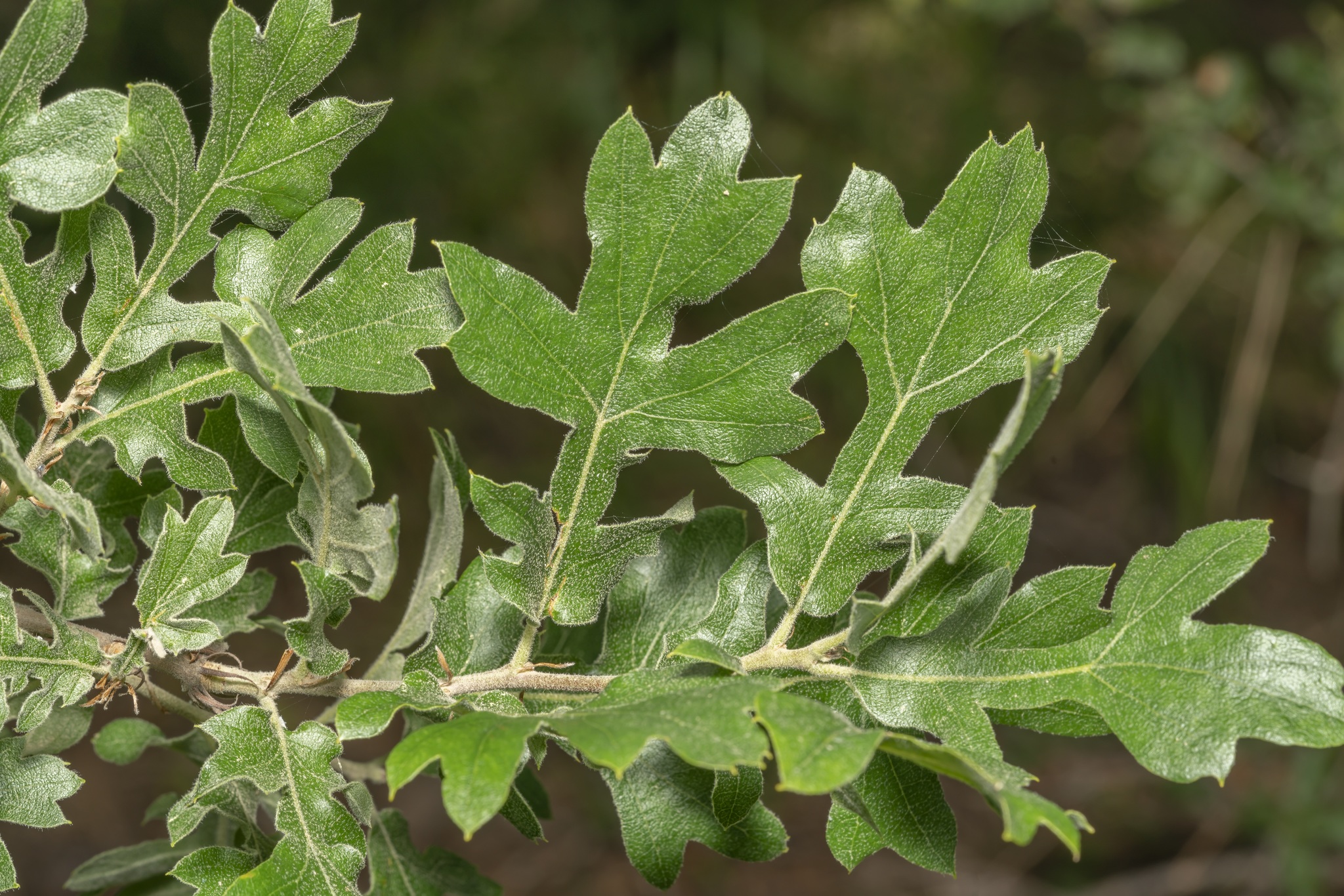
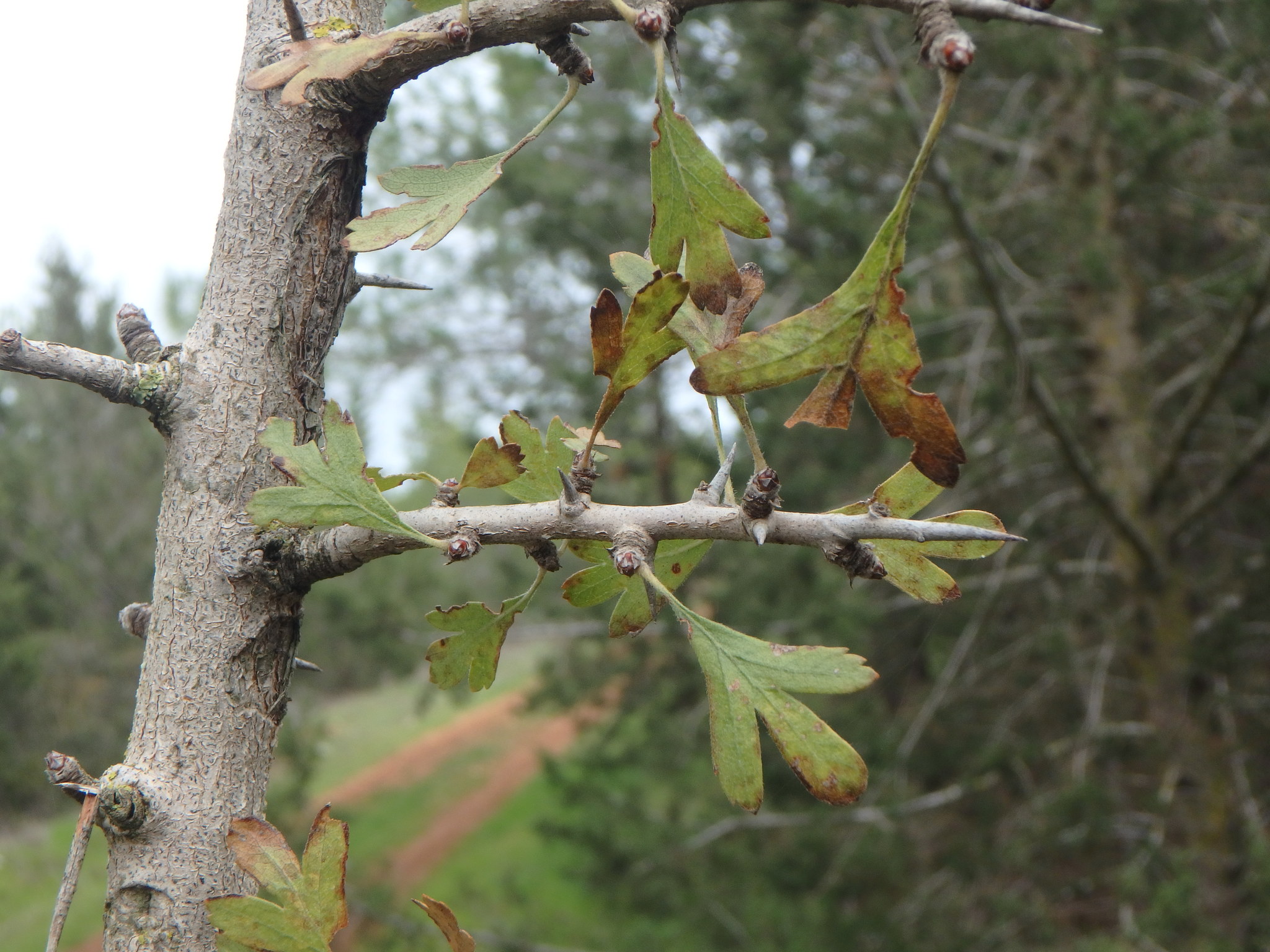
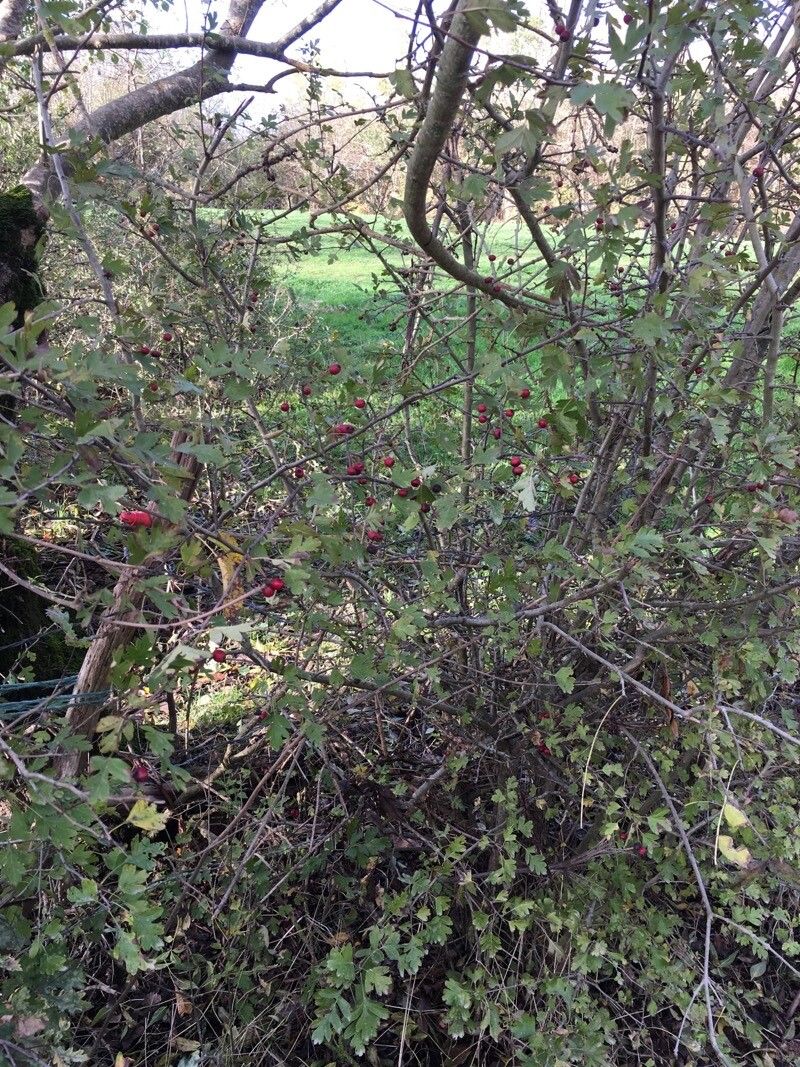
Crataegus azarolus grows as a shrub or small tree reaching 10 m (33 ft). Growth is slow, and it has relatively few thorns compared with other hawthorns. Its alternate, triangular leaves measure 3–7 cm (1.2–2.8 in) and have 3–5 lobes. They are bright green above and grayish and downy beneath. 2
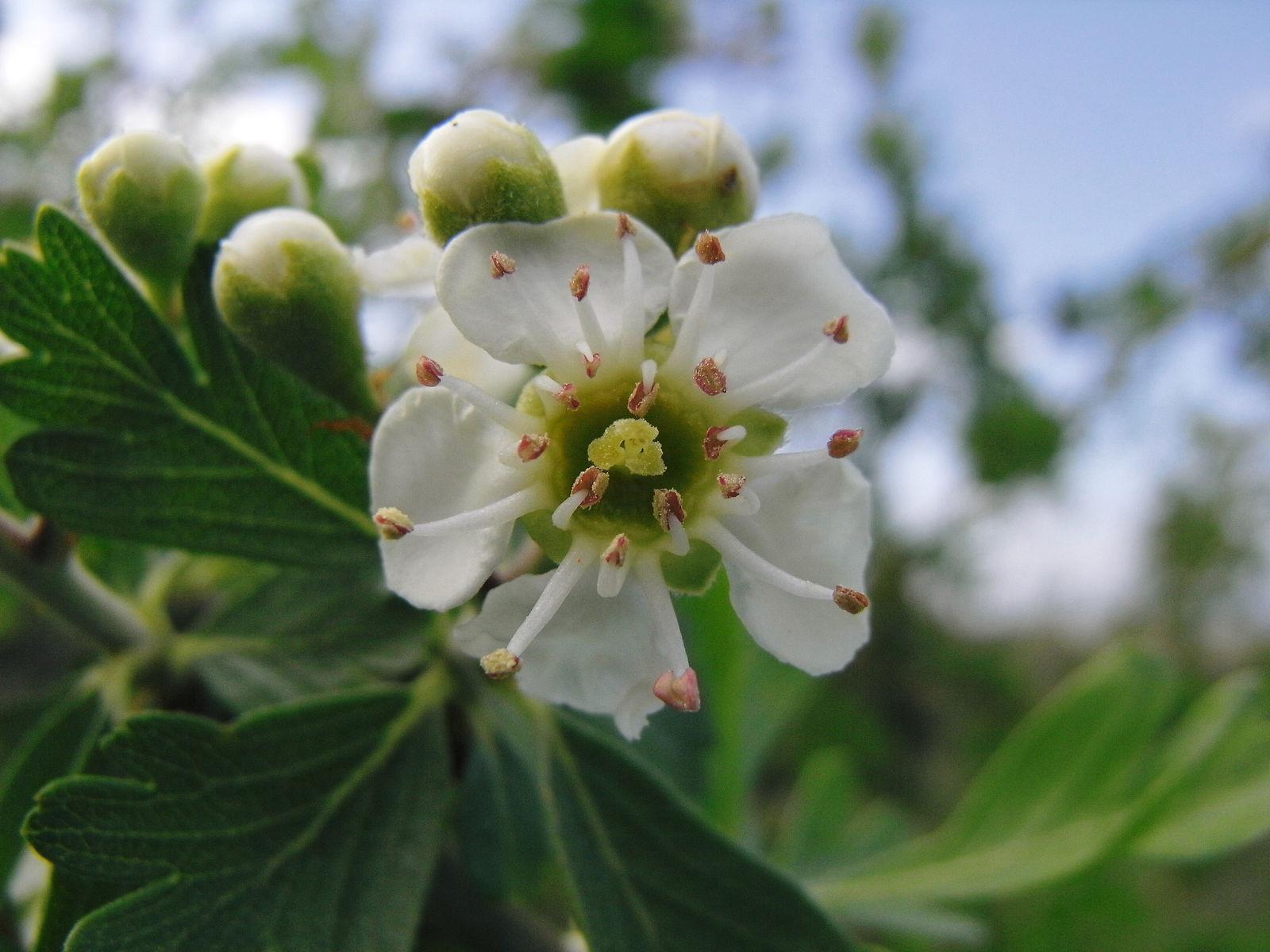
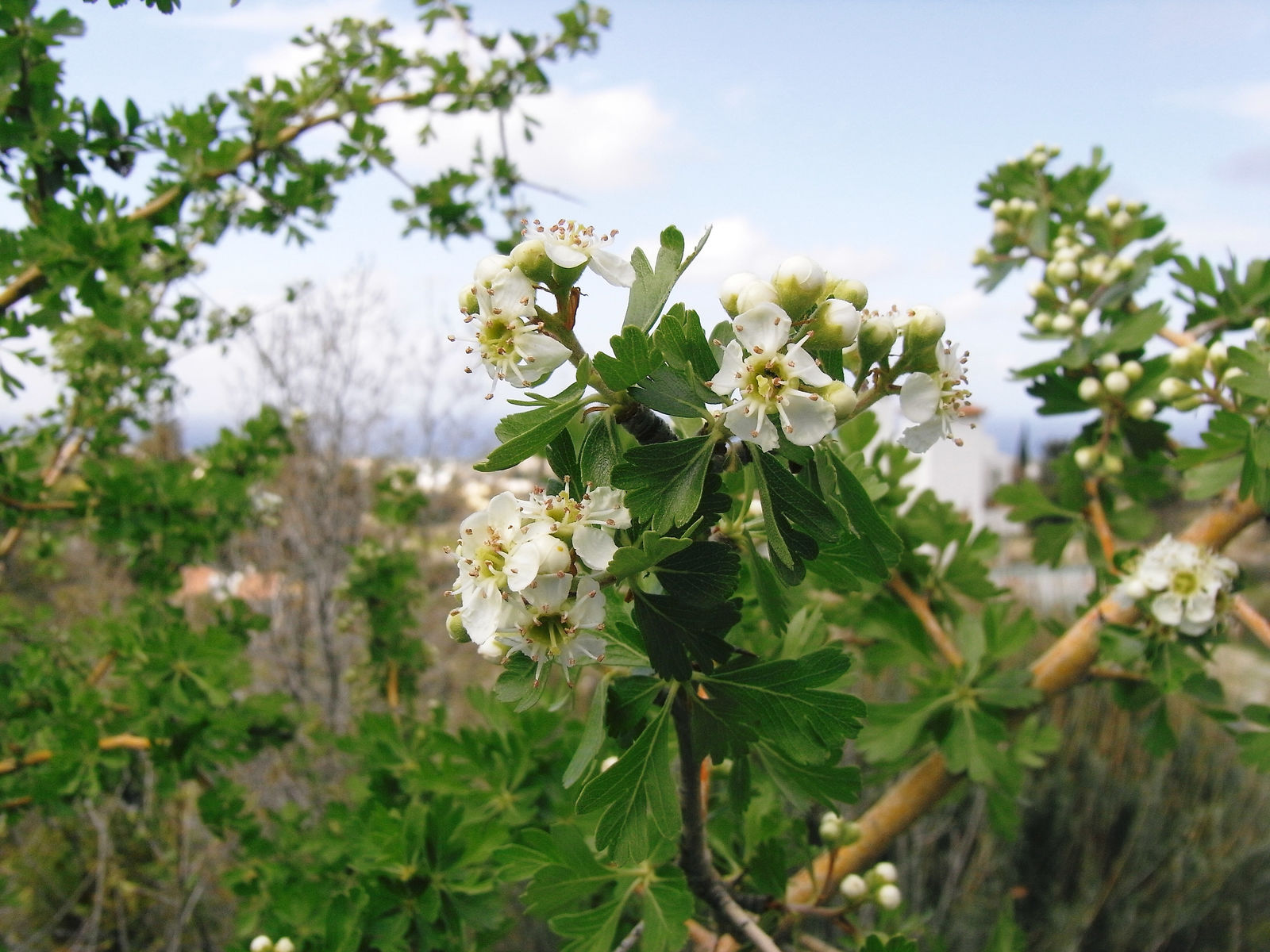
White flowers open in corymbs in late spring, around June at northern latitudes. The hermaphroditic flowers have an unpleasant smell, often likened to fish, which chiefly attracts flies rather than bees for pollination. 2
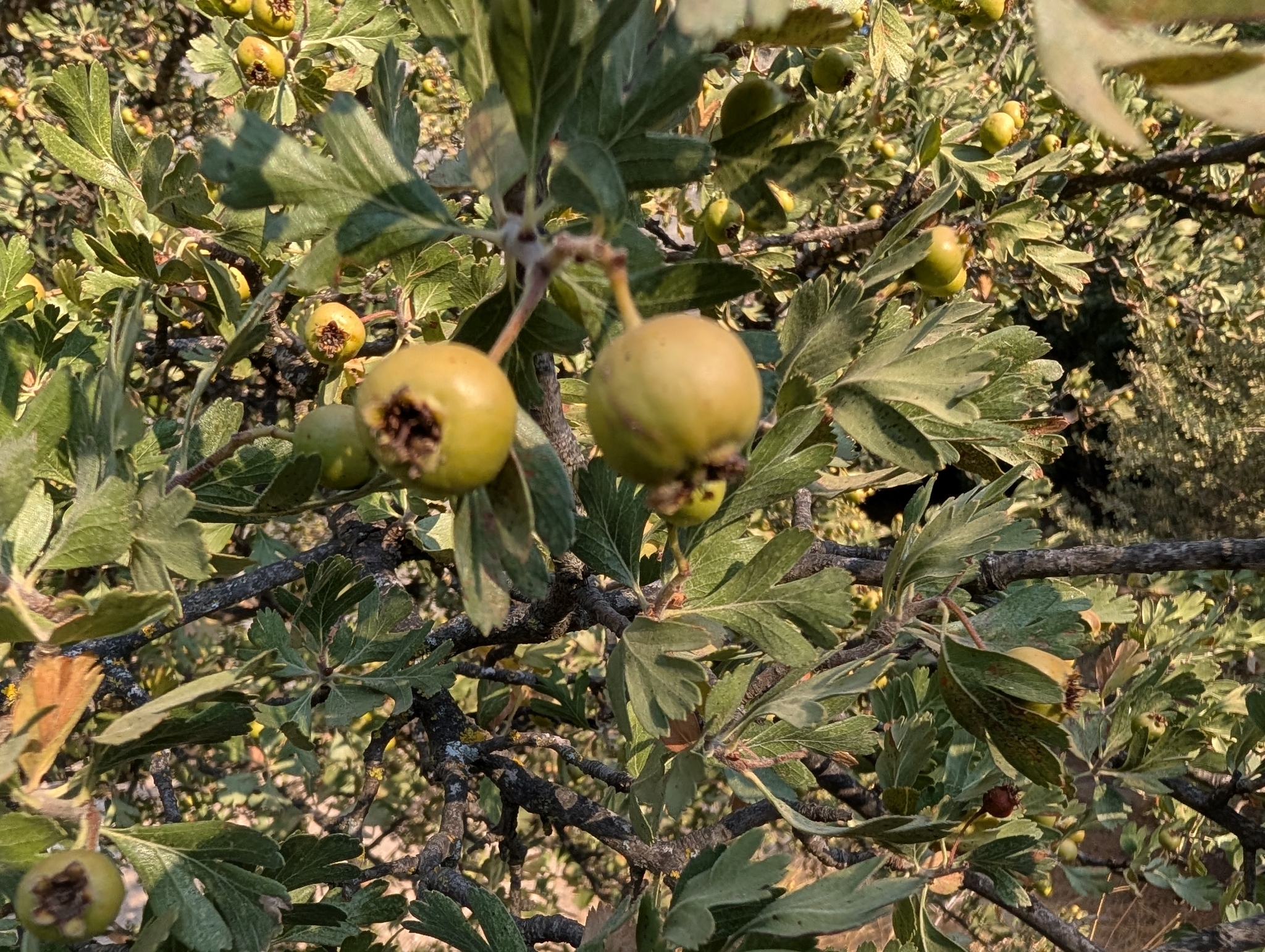
The azarole fruit measures 2–4 cm (0.8–1.6 in) across and is red or yellow, depending on the cultivar. It contains several seeds, most often three according to French accounts. A well-established mature tree can yield up to 25 kg (55 lb) of fruit in a season. 3 2
Useful taxonomy
POWO accepts Crataegus azarolus L. in Rosaceae, with a native range extending from the Mediterranean Basin to Iran. As with many hawthorns, local forms have long been treated at varietal rank. Three remain accepted at this infraspecific rank: Crataegus azarolus var. azarolus, Crataegus azarolus var. chlorocarpa (Moris) K.I.Chr., and Crataegus azarolus var. senobaaensis Dönmez, described from Turkey. 1 7
The name Crataegus oxyacantha var. azarolus (L.) Lam., now treated as a synonym, long contributed to confusion with the white-fruited hawthorn complex. The accepted scientific name, corroborated by the species' GBIF record, provides a consistent reference through these changes in rank. 8 7
Habitat and range
The native range of Crataegus azarolus spans the Mediterranean Basin to Iran, from Spain and Italy through Greece, Cyprus, Turkey, the Levant and Iraq, with populations in North Africa. It grows on arid hillsides and mountains, in open woodland and hedges under Mediterranean-type climatic conditions. 1 2
Beyond this strictly native range, azarole is chiefly cultivated as a fruit tree, notably in southern France. It tolerates both calcareous and sandy soils provided drainage is good. This tolerance has helped cultivation spread well beyond its original range without the species being regarded as invasive. 2 3
Climate has a greater influence on successful fruiting than soil type. Hot, dry summers favor the crop; cool or wet summers hinder it, even on a well-established tree. In cooler regions, azarole grows readily but flowers and fruits less regularly than under strong Mediterranean sunshine. 2
Life cycle and reproduction
Flowering takes place in late spring, around June at northern latitudes. The flowers' scent favors pollination by flies rather than bees. Fruits ripen in late summer and are harvested when firm and fully colored. 2
Seed germination is difficult without two-stage stratification: about three months warm at 15 °C (59 °F), followed by about three months cold at 4 °C (39 °F). Even then, emergence may take up to 18 months. Seed-raised trees do not begin bearing until 5–8 years old; grafting onto a rootstock considerably shortens this wait and preserves the chosen cultivar's traits. 2
Slow germination helps explain why traditional orchards rely almost entirely on grafted trees rather than direct sowing. The most common rootstock is seed-raised azarole itself: grafting within the species limits incompatibility and helps trees establish after planting. 2
Uses and risks
The firm, mildly tart fruit is eaten raw or cooked into jam, jelly or fruit brandy. It is rich in flavonoids and vitamins A and C. During shortages, the seeds were sometimes roasted as a coffee substitute. Dried flowers were also traditionally infused for use against high blood pressure and sleep disturbances. 3 2
No hazard is listed for ordinary use of the fruit, and the ASPCA classifies Crataegus, the genus containing azarole, as non-toxic to cats, dogs and horses. As with many pome-bearing Rosaceae, it remains prudent not to chew the stones inside the fruit. 2 6
Varieties, look-alikes and related plants
Several fruiting cultivars differ from the wild form. 'Blanche d'Italie' and 'Rouge d'Italie' are among the most widespread in Mediterranean orchards, selected for fruit color. 'Monstruoso' was selected for particularly large fruits suited to preserving, while 'Orihuela' denotes a Spanish form associated with the eastern Iberian region. 3 4
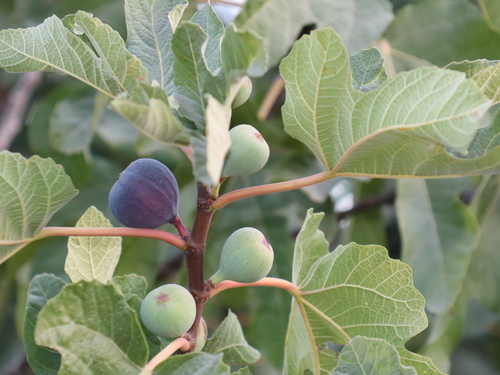
Azarole is most often confused with one-seeded hawthorn (Crataegus monogyna), whose fruit is only 6–11 mm (0.24–0.43 in) across and contains a single stone. Azarole has a much larger fruit with several seeds. Common medlar (Mespilus germanica) differs in having a brown fruit with a broad, persistent calyx, unlike the red or yellow azarole. 3
Main sources
- Plants of the World Online / Kew, Crataegus azarolus L.
- Plants For A Future, Crataegus azarolus database entry
- Wikipédia (FR), Crataegus azarolus
- Wikipedia (DE), Azaroldorn
- Wikipedia (IT), Crataegus azarolus (azzeruolo)
- ASPCA, Hawthorn (Crataegus) toxicity entry
- Integrated Taxonomic Information System, Crataegus azarolus
- GBIF, Crataegus azarolus species page
Frequently asked questions
Is azarole toxic?
No. The ASPCA classifies Crataegus, the genus containing azarole, as non-toxic to cats, dogs and horses. The stones should nevertheless not be chewed, as with many pome-bearing Rosaceae.
Can azarole fruit be eaten raw?
Yes. Its firm, tart flesh is eaten raw or cooked into jam, jelly or fruit brandy. The seeds have sometimes been roasted as a coffee substitute during shortages.
How does azarole differ from common hawthorn?
Azarole has much larger fruits, 2–4 cm (0.8–1.6 in) across compared with 6–11 mm (0.24–0.43 in) in Crataegus monogyna, and much less conspicuous thorns. Azarole fruits also contain several seeds, whereas common hawthorn has only one.
Why does an azarole flower but bear little fruit?
A lack of cross-pollination between cultivars often explains poor fruiting despite abundant flowers. Growing several compatible cultivars together improves fruit set.
Where does azarole grow wild?
Its native range covers the Mediterranean Basin to Iran, from the arid hillsides of Spain and Italy to the Levant and Iraq. It is also widely cultivated as a fruit tree in southern France.
What was azarole day in the French Revolutionary calendar?
The French Republican calendar dedicated the 22nd day of Brumaire, November 12 in the Gregorian calendar, to the azarole fruit, alongside other seasonal plants and fruits.
Which azarole cultivars are grown?
Blanche d’Italie and Rouge d’Italie are among the most widespread in Mediterranean orchards, alongside Monstruoso, selected for large fruits, and regional forms such as Orihuela in Spain.
Similar plants

If you are unsure about a plant’s toxicity, ask a botanist or veterinarian for advice.