
Moreton bay fig (Ficus macrophylla, )
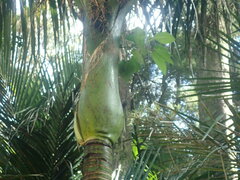

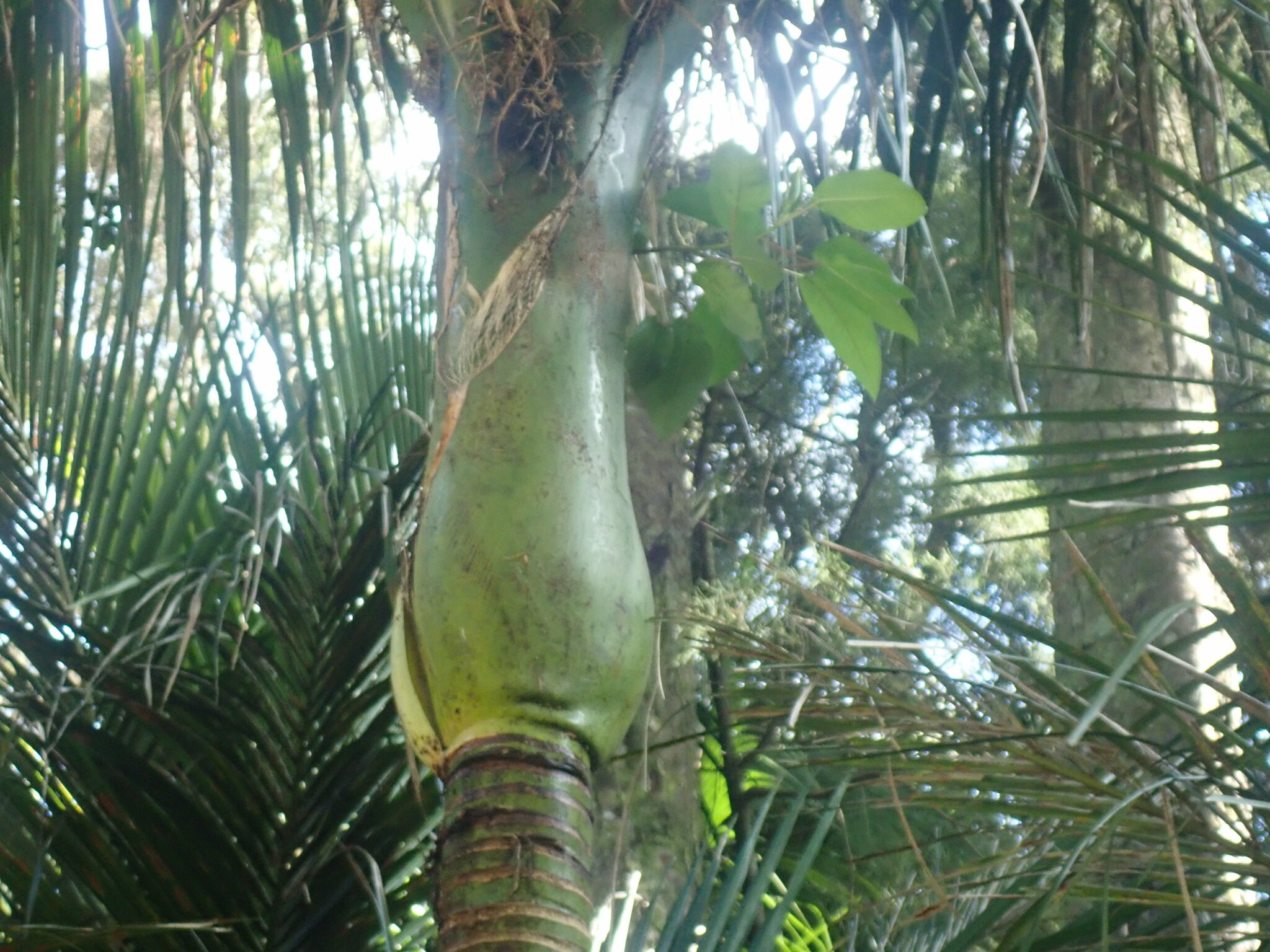
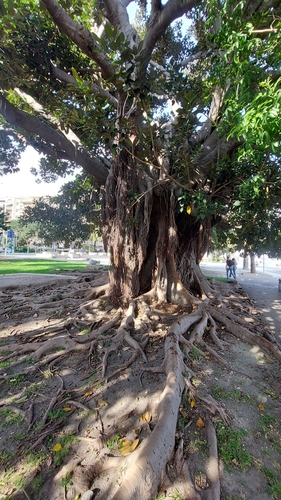
Moreton Bay fig (Ficus macrophylla Pers., 1807), or Australian banyan, is a large Moraceae tree native to eastern coastal Australia and Lord Howe Island. It usually germinates as an epiphyte in a host tree's crown, then sends aerial roots to the ground. These thicken into buttresses and eventually replace the host after it dies.
Read moreMoreton bay fig and Australian banyan
Allow a few hours of direct sun per day, preferably morning or evening.
Full sun to light partial shade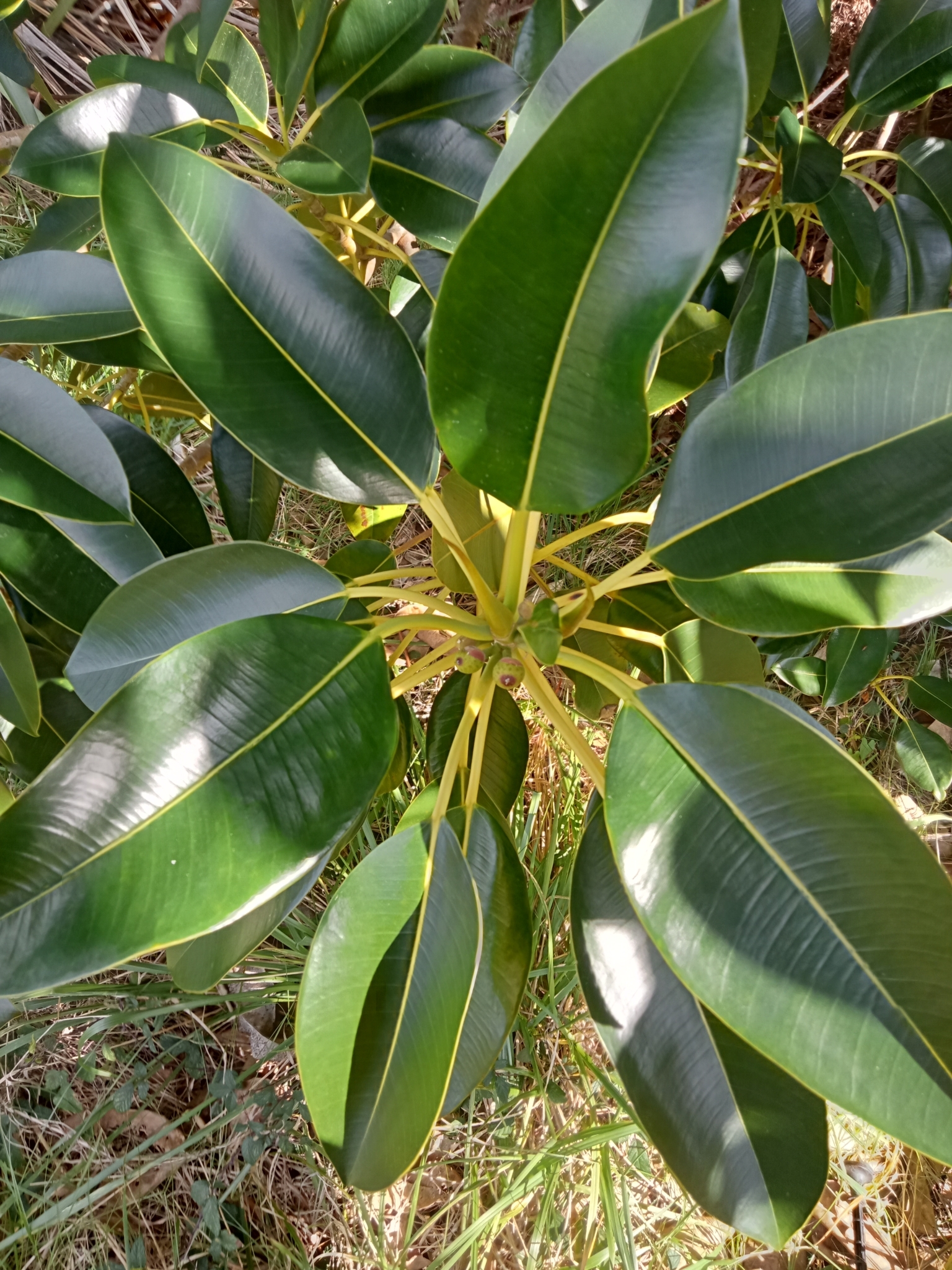

© photo
(c) Kasey Joe-McIndoe, some rights reserved (CC BY-NC), uploaded by Kasey Joe-McIndoe · cc-by-nc
Jenny Christianson · cc-by
Wikimedia Commons · CC BY-SA or Public Domain
no rights reserved · cc0
(c) Sylvain Montagner, some rights reserved (CC BY) · cc-by
Global distribution
Ficus macrophylla is native only to eastern coastal Australia, from central Queensland to southern New South Wales, with form columnaris restricted to Lord Howe Island. It is widely cultivated in warm climates worldwide. Naturalization and invasive behavior concern particular regions, especially northern New Zealand and Hawaii.
- Native2
- Introduced2
- Invasive1
- Australia (Queensland, New South Wales)
- Lord Howe Island
- Hawaii
- Turkey
- Northern New Zealand
Hexagons: regions where the plant occurs. Green dots: native range.1
Identity
Moreton Bay fig (Ficus macrophylla Pers., 1807), also called Australian banyan, is an accepted Ficus species in the Moraceae family. The epithet macrophylla comes from Ancient Greek and means large-leaved: its leathery leaves measure 10–25 cm (4–10 in) long. 1
The common name refers to Moreton Bay in southern Queensland, although the native range extends well beyond that bay. Strangler fig describes its initial growth: a seed germinates as an epiphyte in a host tree's canopy, and aerial roots descending to the ground eventually replace the supporting tree. 3
Recognition
Ficus macrophylla is evergreen and reaches 15–60 m (50–200 ft) at maturity. Massive trunk buttresses are its visual signature. Form columnaris, restricted to Lord Howe Island, adds aerial roots that thicken into secondary trunks, supporting part of the crown's considerable weight. 4 7
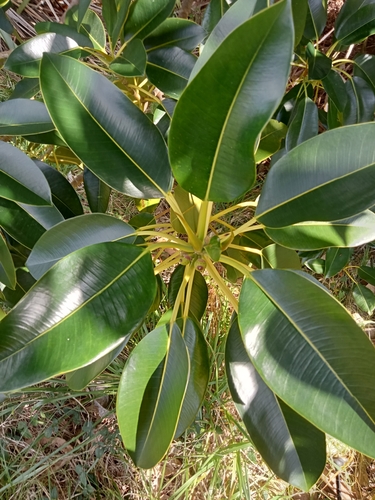
Leaves are oval to elliptical and leathery, 10–25 cm (4–10 in) long and 7–10 cm (2.8–4 in) wide. Glossy green upper surfaces contrast with fine rusty scales beneath. A damaged leaf or twig releases milky sap, characteristic of the genus. 3
The almost spherical figs measure 20–25 mm (0.8–1 in) across and grow singly or in pairs. They change from green through orange to purplish when ripe. Fruiting recurs almost all year rather than being restricted to one season. 3
Useful taxonomy
The accepted name is Ficus macrophylla Pers., published in 1807. POWO places it within Ficus, a genus containing more than 750 species. 1
Two infraspecific forms structure identification. Mainland form macrophylla produces a free-standing tree with one trunk; form columnaris, endemic to Lord Howe Island, remains hemiepiphytic and produces multiple secondary trunks without a clear main trunk. A taxonomic revision showed that Ficus magnolioides, long used in Europe for botanical-garden banyans, actually corresponds to form columnaris. 7
Molecular evidence supports placement of Moreton Bay fig in section Malvanthera of Ficus. It also confirms the specificity of its partnership with a single species of pollinating wasp. 8
Habitat and range
The native range is limited to eastern coastal Australia, from central Queensland to southern New South Wales, with an estimated extent of occurrence of 219,126 km² (84,605 sq mi), plus Lord Howe Island for form columnaris. It grows in tropical, subtropical and dry forest, often as an emergent above the canopy along streams. 2
No specific threat is identified within this native range. IUCN assesses the species as Least Concern, notably because it also remains widely cultivated worldwide. 2
Beyond the native range, Ficus macrophylla has naturalized in northern New Zealand since the accidental arrival of its pollinating wasp in 1993. The tree can now produce viable seeds there and locally colonize uncultivated habitats. 2
Life cycle and reproduction
The life cycle almost always begins above ground. A fruit-eating bird deposits a tiny seed in a crevice in a host tree's bark, where it germinates as an epiphyte. Aerial roots descend, anchor in the soil and thicken into pillars around the host trunk. They often eventually deprive the host of light until it disappears. 7
As in all figs, the flowers are invisible from outside: they line the inner wall of an enclosed, inverted inflorescence, the syconium. Pollination depends on an obligate mutualism with one wasp species, which itself can reproduce only in the flowers of this particular fig. 8
Uses and risks
The dominant use is ornamental and landscape planting: a large park, botanical-garden or avenue tree for climates where temperatures remain above 0 °C (32 °F). Its mature size and surface root system make it unsuitable for a modest garden, where roots soon conflict with paving. 4
Ripe figs are edible, but their importance as human food is minor compared with their role in feeding wildlife. Fruit pigeons, honeyeaters and flying foxes eat them for much of the year, benefiting from the repeated crops. 6
ASPCA’s weeping-fig entry concerns Ficus sp. and lists ficin, a proteolytic enzyme, and psoralen as toxic principles. It associates exposure with skin or oral irritation, excessive salivation and digestive upset in cats, dogs and horses. This supports caution with Moreton Bay fig’s milky sap, without providing a separate assessment of this species. 5
Varieties, look-alikes and related plants
The two recognized forms, macrophylla and columnaris, are not horticultural cultivars. They are infraspecific taxa distinguished by growth habit: one main trunk versus multiple secondary trunks developed from aerial roots. 7
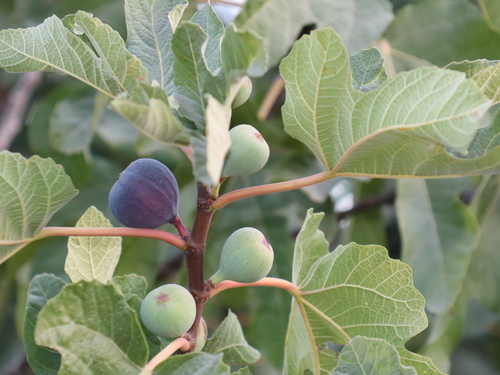
Common look-alikes include other large Australian figs, notably Ficus rubiginosa and Ficus watkinsiana, as well as the Indian banyan, Ficus benghalensis. The latter shares a strategy of numerous aerial roots but is a different species. Massive trunk buttresses and milky sap released by injury, together with the scientific name, remain the most reliable distinctions from these relatives. 3
Main sources
- Plants of the World Online / Kew, Ficus macrophylla Pers.
- IUCN Red List, Ficus macrophylla assessment
- PlantNET / Royal Botanic Gardens Sydney, Ficus macrophylla
- Royal Horticultural Society, Ficus macrophylla - Australian banyan
- ASPCA, toxic and non-toxic plants, Ficus sp. (weeping fig entry)
- Plants For A Future, Ficus macrophylla
- Dixon, 2001, figs wasps and species concepts, infraspecific taxa of Ficus macrophylla
- Rønsted et al., 2008, molecular phylogeny of Malvanthera Ficus
Frequently asked questions
Is Moreton Bay fig really a strangler fig?
Yes, most of the time. Seeds usually germinate in a host tree's canopy. Aerial roots then reach the soil, thicken and eventually replace the gradually declining host.
Is Moreton Bay fig toxic to animals?
Treat its milky sap with caution. ASPCA’s Ficus sp. entry lists ficin and psoralen and warns of skin or oral irritation, salivation and digestive upset in cats, dogs and horses; it is not a separate assessment of Ficus macrophylla.
Can I plant a Moreton Bay fig in an ordinary garden?
It is not recommended. Mature trees reach many tens of meters (well over 100 ft), with surface roots capable of lifting paving and disturbing pipes. The species is suited to large parks and botanical gardens.
How do forms macrophylla and columnaris differ?
Mainland form macrophylla becomes a free-standing tree with a single trunk. Form columnaris, endemic to Lord Howe Island, remains a hemiepiphyte and develops several secondary trunks without a clear main trunk.
Are Moreton Bay figs edible?
They are edible when fully ripe, but of limited food interest to people. Their main value is as an important food source for fruit-eating birds and flying foxes.
Why is Moreton Bay fig considered invasive in New Zealand?
It has naturalized since its pollinating wasp arrived accidentally in 1993. This allows viable seed production and local colonization of uncultivated habitats.
Similar plants
If you are unsure about a plant’s toxicity, ask a botanist or veterinarian for advice.