
Cluster fig (Ficus racemosa, )
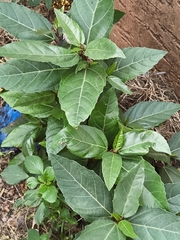
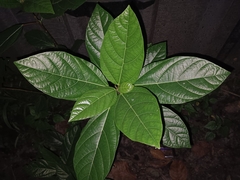
Cluster fig (Ficus racemosa) is a large Moraceae tree native from Pakistan through the Indian subcontinent and Southeast Asia to northern Australia. Sacred in Hinduism and Buddhism, it bears dense clusters of figs directly on its trunk and large branches.
Read moreCluster fig, Country fig and Red river fig
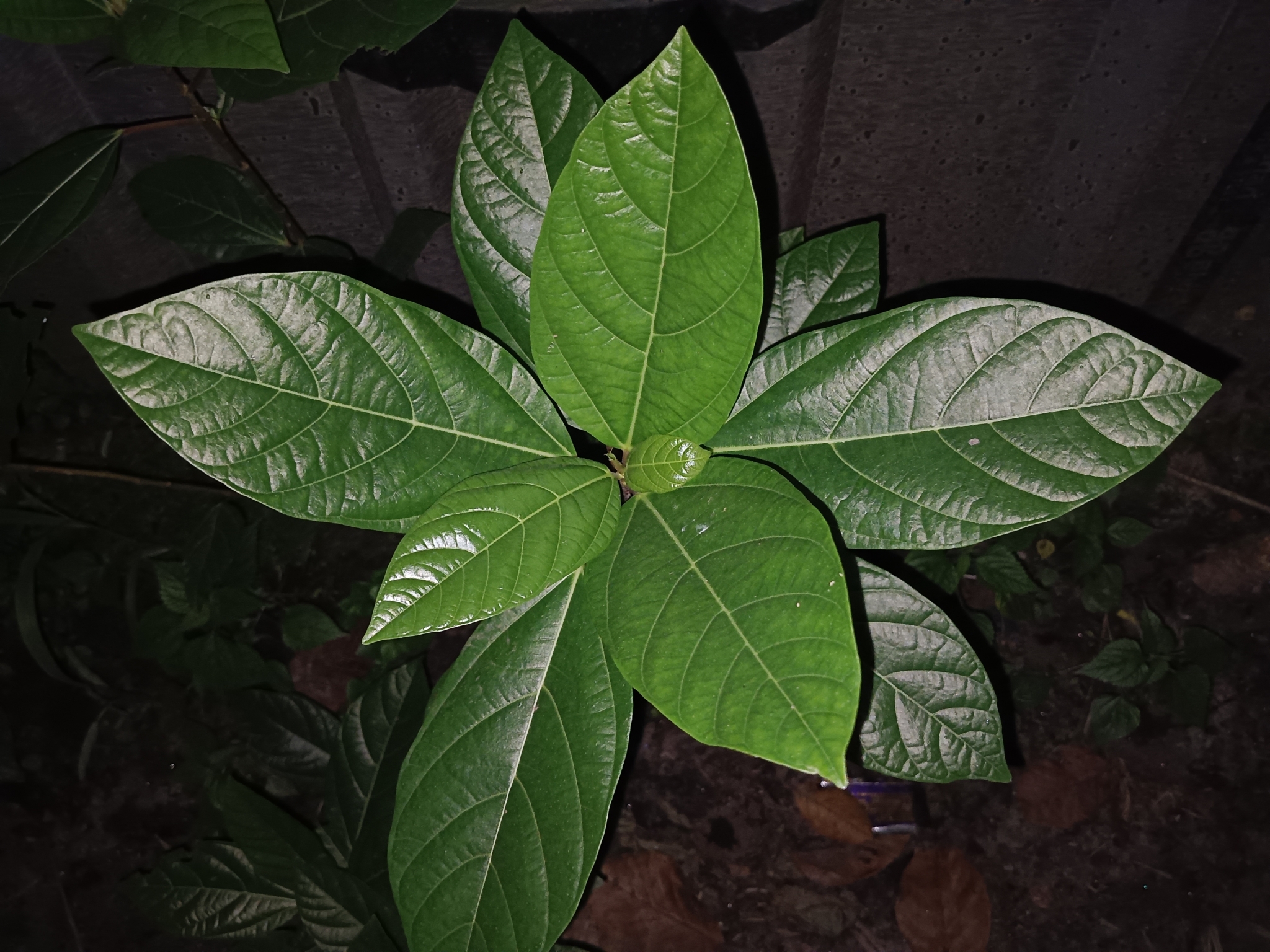
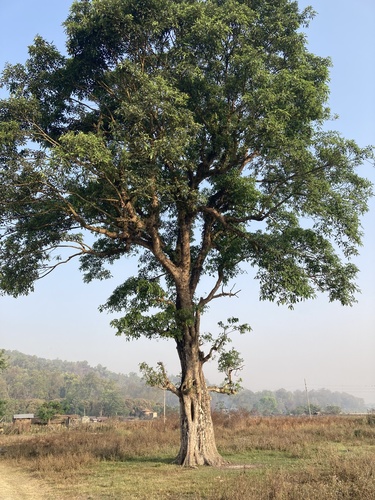
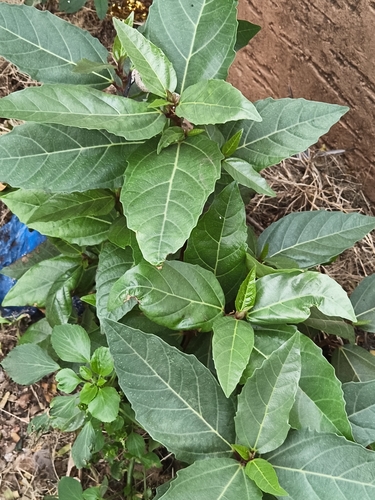
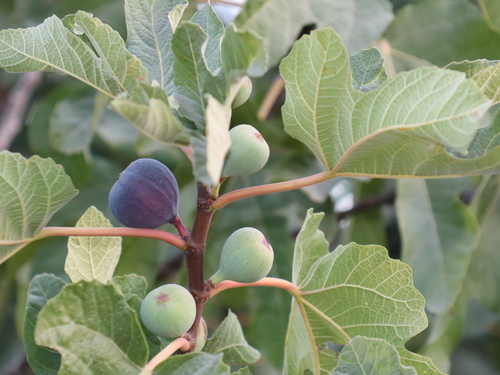
© photo
John Kenrick Gibson · cc0
Raja Sekhar Chimirala · cc-by
renjus box · cc-by
no rights reserved · cc0
(c) Raja Sekhar Chimirala, some rights reserved (CC BY) · cc-by

Global distribution
Ficus racemosa is native from Pakistan through the Indian subcontinent and mainland and island Southeast Asia to northern Australia, extending into southern China. It is also cultivated as a shade tree and sacred tree well beyond this native range.
- Native7
- Introduced1
- India
- Sri Lanka
- Thailand
- Vietnam
- Indonesia
- Southern China
- Australia (Northern Territory)
- Hong Kong
Hexagons: regions where the plant occurs. Green dots: native range.1
Identity
Cluster fig (Ficus racemosa L., 1753) is a Moraceae tree in the genus Ficus. Its dense clusters of figs grow directly on the trunk and large branches, a pattern called cauliflory. Linnaeus published the accepted name in 1753; Ficus glomerata Roxb. remains a familiar synonym. 1 2
The Sanskrit udumbara refers both to the tree and its fruit in ancient Vedic texts. In Hindi it is called gular, while country fig is another English name. Its cultural importance accompanies a long history of cultivation. 11
Recognition
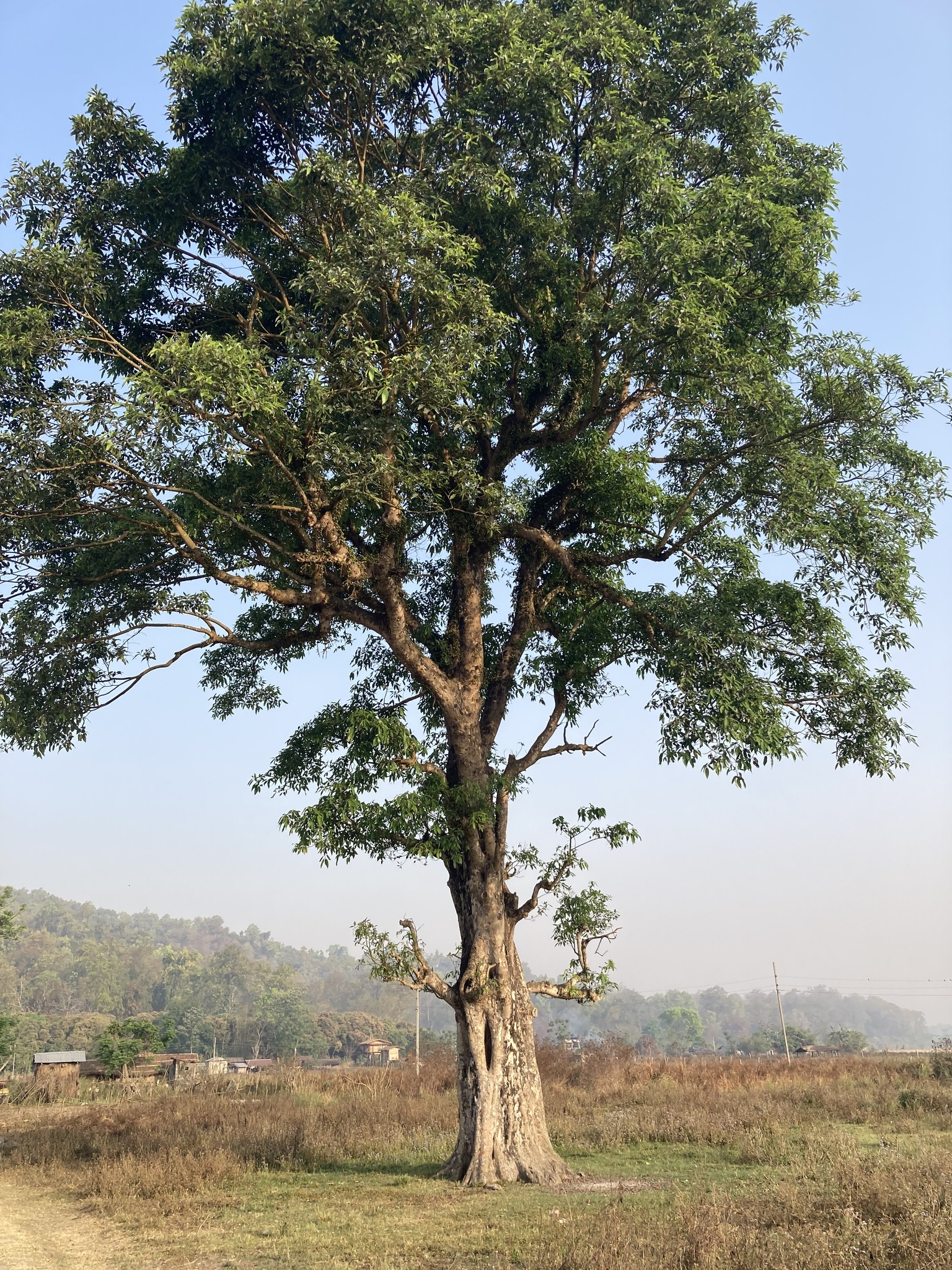
Ficus racemosa develops a broad, irregular crown and commonly reaches 10–30 m (33–98 ft) tall. Older trunks can exceed 1 m (3.3 ft) in diameter and sometimes develop buttresses at the base. 7 8
The gray-brown bark is smooth on young trees and flakes into fine scales with age. Even a small injury releases milky white latex, as in other figs, helping identify the genus before examining the leaves or fruit. 8 5
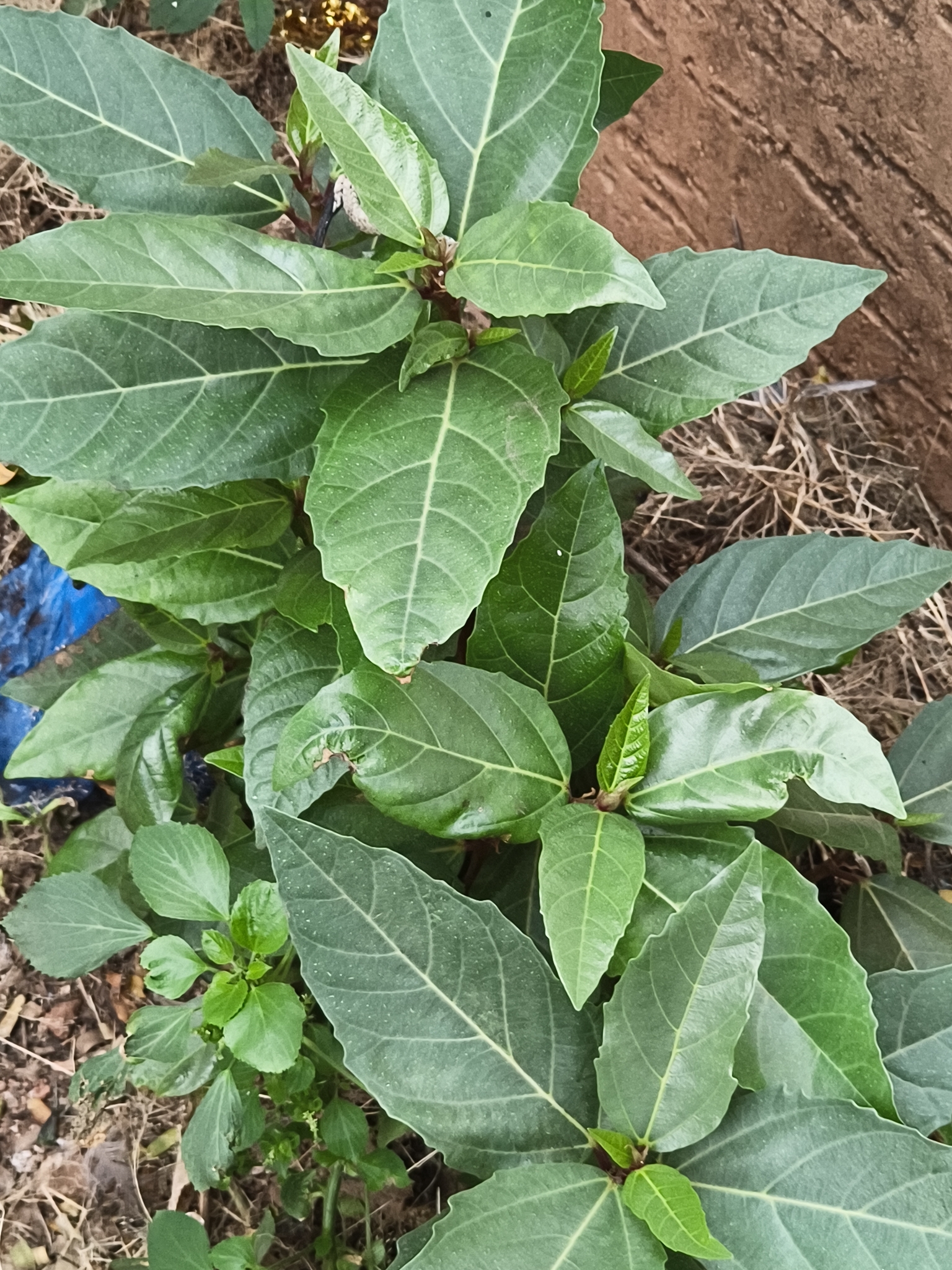
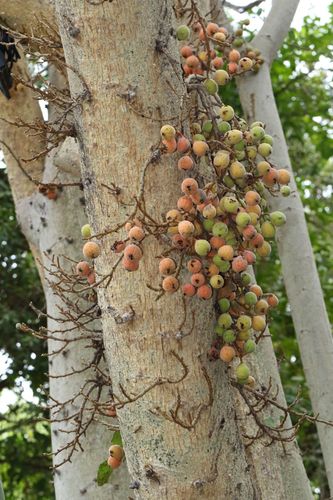
Simple, alternate, elliptic to ovate-lanceolate leaves measure 6–18 cm (2.4–7.1 in) long by 3–8 cm (1.2–3.1 in) wide, with glossy dark green upper surfaces. Dense clusters of figs, or syconia, form on the trunk and large branches, rather than in leaf axils. They measure 2.5–4 cm (1–1.6 in) across and turn from green to orange or dark red when ripe. 7 8
Useful taxonomy
Linnaeus published the species in Species Plantarum, volume 2, page 1060, in 1753. One widespread synonym occurs in horticulture and older Ayurvedic literature, alongside former varieties now placed in synonymy:
- Ficus glomerata Roxb.
- Ficus glomerata var. chittagonga (Miq.) King
- Ficus racemosa var. miquelii (King) Corner
- Ficus racemosa var. mollis (Miq.) M.F.Barrett
Ficus glomerata continues to appear in the horticultural trade and parts of Ayurvedic literature. Despite its continued use, the accepted scientific name is Ficus racemosa. 1 3
Habitat and range
Its native range extends from Pakistan through the Indian subcontinent and mainland and island Southeast Asia to northern Australia, with populations reaching southern China. It grows in open monsoon forest and along streams, from sea level to about 1,700 m (5,580 ft). 5 7
Once established, cluster fig tolerates both seasonal flooding and periods of drought. This combination helps it persist along riverbanks and in gallery forests across tropical Asia. 6
The species is classified as Least Concern on the IUCN Red List, with no threat identified across its range as a whole. 4
Life cycle and reproduction
Reproduction depends on an obligate mutualism with the pollinating wasp Ceratosolen fusciceps. The wasp enters a closed fig through its ostiole and pollinates the internal flowers, which are hidden from view. A study of continental Southeast Asian populations found a single pollinating wasp species throughout cluster fig; fertile seed production depends on the presence of a suitable pollinator, including outside the native range. 12
The hidden flowers reinforce the sacred status of udumbara. In Hindu tradition, the roots, bark and branches are associated with Brahma, Vishnu and Shiva, and women traditionally venerate the tree for prosperity and descendants. 11
Fruiting is almost continuous through the year, without a pronounced seasonal peak in the native range. In cultivation, stem sections 4–12 cm (1.6–4.7 in) long, dried for a few days before planting, root much faster than seeds germinate. Germination is slower, especially below 20 °C (68 °F). 5 8
Uses and risks
In Ayurveda and Unani medicine, the astringent bark is traditionally used against bleeding, and the leaves against diarrhea. Toxicological experiments with extracts have nevertheless reported reversible liver and kidney toxicity at high doses in laboratory animals. Traditional use therefore does not establish safety at uncontrolled doses. 9
Orange to dark red ripe figs are edible, eaten fresh, dried or preserved in several Asian regions; greener, more astringent fruit is sometimes cooked as a vegetable. The main concern is the ficin-rich latex, which irritates skin and mouth on contact. Contact can cause skin irritation or dermatitis. The cited ASPCA entry concerns another Ficus species, so it does not establish the full veterinary toxicity profile of cluster fig. 6 10
Varieties, look-alikes and related plants
Cluster fig has no stabilized horticultural cultivars comparable to the variegated forms of other indoor figs. Plants sold as bonsai or dwarf forms are commercial selections without a botanical status separate from the typical species. 1
Frequent sources of confusion include:
- Ficus glomerata Roxb., a historical synonym of the same taxon, still common in Ayurvedic literature, rather than a separate species;
- Ficus sycomorus, another large cauliflorous fig, native to Africa rather than Asia;
- Ficus benghalensis, the banyan, which shares its South Asian habitat but develops much more extensive aerial roots.
The spreading crown, bark flaking into scales and figs clustered directly on the trunk are reliable features for identifying Ficus racemosa, also called Ficus glomerata, and comparing it with Ficus sycomorus. 8 7
Main sources
- Plants of the World Online / Kew, Ficus racemosa L.
- International Plant Names Index (IPNI), Ficus racemosa L.
- GBIF Backbone Taxonomy, Ficus racemosa L.
- IUCN Red List, Ficus racemosa assessment
- Plants For A Future (PFAF), Ficus racemosa
- Useful Tropical Plants Database, Ficus racemosa
- Monaco Nature Encyclopedia, Ficus racemosa
- Flora of the Northern Territory (eflora.nt.gov.au), Ficus racemosa
- Yadav et al. 2015, Pharmacognosy Reviews, phytochemistry and toxicology of Ficus racemosa
- ASPCA, weeping fig / Ficus toxicity entry
- Sacred Trees of Banaras Hindu University, cluster fig / udumbara
- Moe & Weiblen 2010, Ficus racemosa pollinator wasp specificity
Frequently asked questions
Is cluster fig toxic?
Its ficin-rich latex can irritate skin and the mouth. Contact calls for caution around people, dogs and cats; the cited ASPCA entry concerns another Ficus species. Ripe fruit is edible and eaten locally.
Why do cluster figs grow directly on the trunk?
This is cauliflory: dense clusters develop on old wood, making the fruit accessible to macaques, giant squirrels and other animals that cannot feed on the ends of thin twigs.
Are Ficus glomerata and Ficus racemosa the same tree?
Yes. Ficus glomerata Roxb. is a botanical synonym of Ficus racemosa L., the accepted scientific name. The older name remains common in Ayurvedic literature and the horticultural trade.
Can cluster fig grow outdoors in mainland France?
No, it does not tolerate frost. It is grown there in a heated greenhouse or large container, sometimes as bonsai. In other regions, outdoor cultivation likewise depends on frost-free conditions.
Why is udumbara sacred in India?
It appears in ancient Vedic texts and is associated with the Hindu triad of Brahma, Vishnu and Shiva. In Hindu tradition, its roots, bark and branches carry symbolic significance, and women venerate it for prosperity and descendants.
Can cluster figs be eaten?
Yes. Ripe figs are eaten fresh, dried or preserved in several Asian countries. Greener, more astringent fruit is sometimes cooked as a vegetable.
Where is cluster fig native?
Its native range extends from Pakistan through the Indian subcontinent and Southeast Asia to northern Australia, with populations in southern China. Planting as a sacred tree has carried it well beyond this range.
Similar plants
If you are unsure about a plant’s toxicity, ask a botanist or veterinarian for advice.