
Siberian iris (Iris sibirica, )
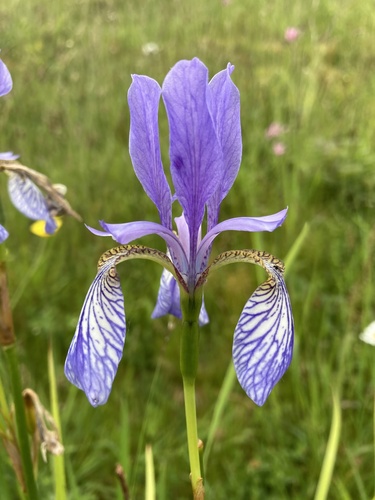
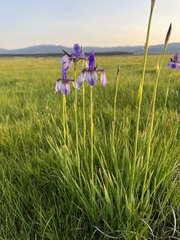
Siberian iris (Iris sibirica L.) is a rhizomatous perennial in the Iridaceae, native to Europe and temperate Asia as far as western Siberia. Slender clumps of strap-shaped leaves carry flowers in late spring and early summer. It grows best in moist, aerated soil. Rare wild populations are protected in France, so garden plants should come from cultivated stock.
Read moreSiberian iris and Siberian flag
Allow a few hours of direct sun per day, preferably morning or evening.
Full sun to light partial shade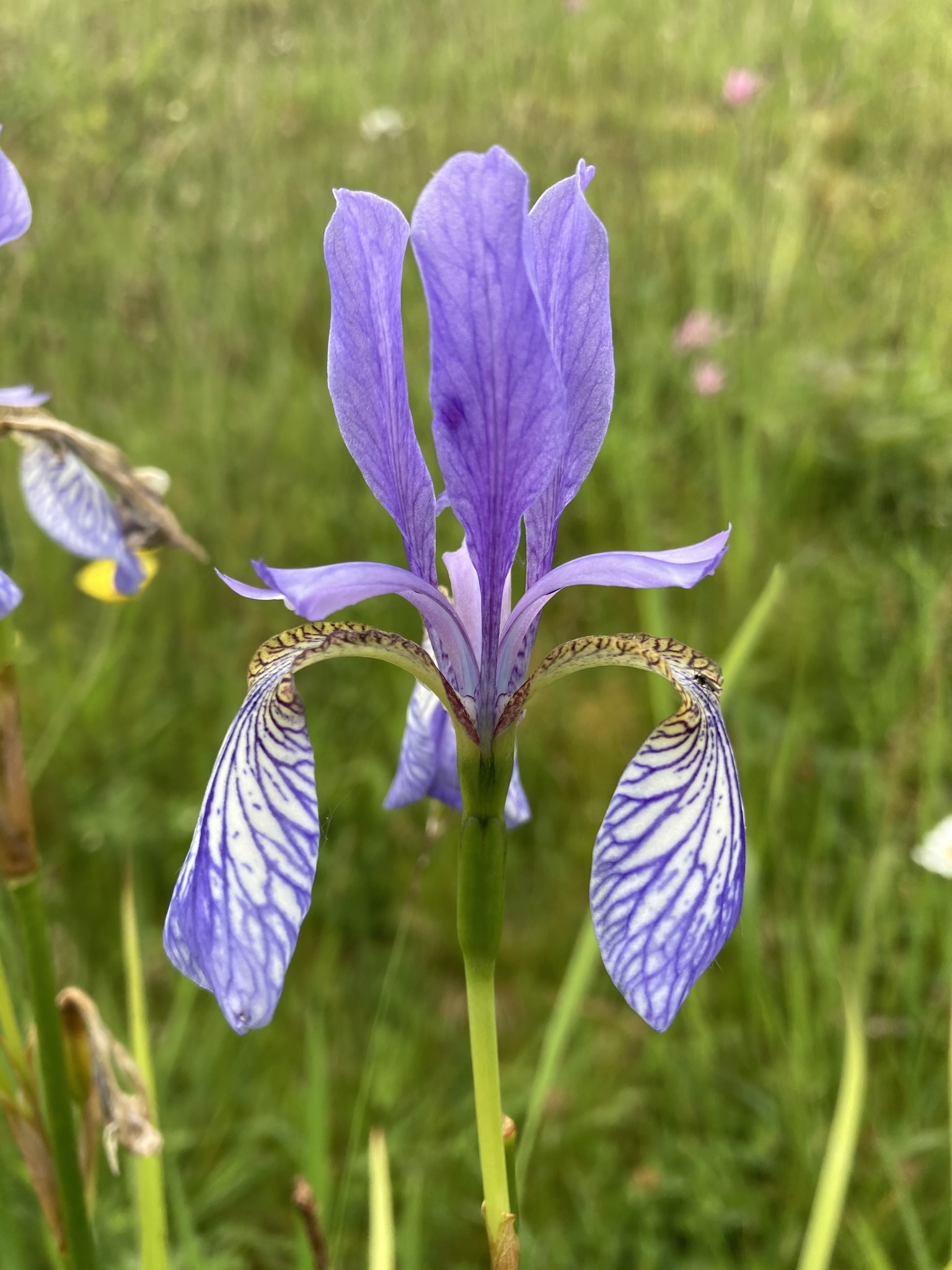
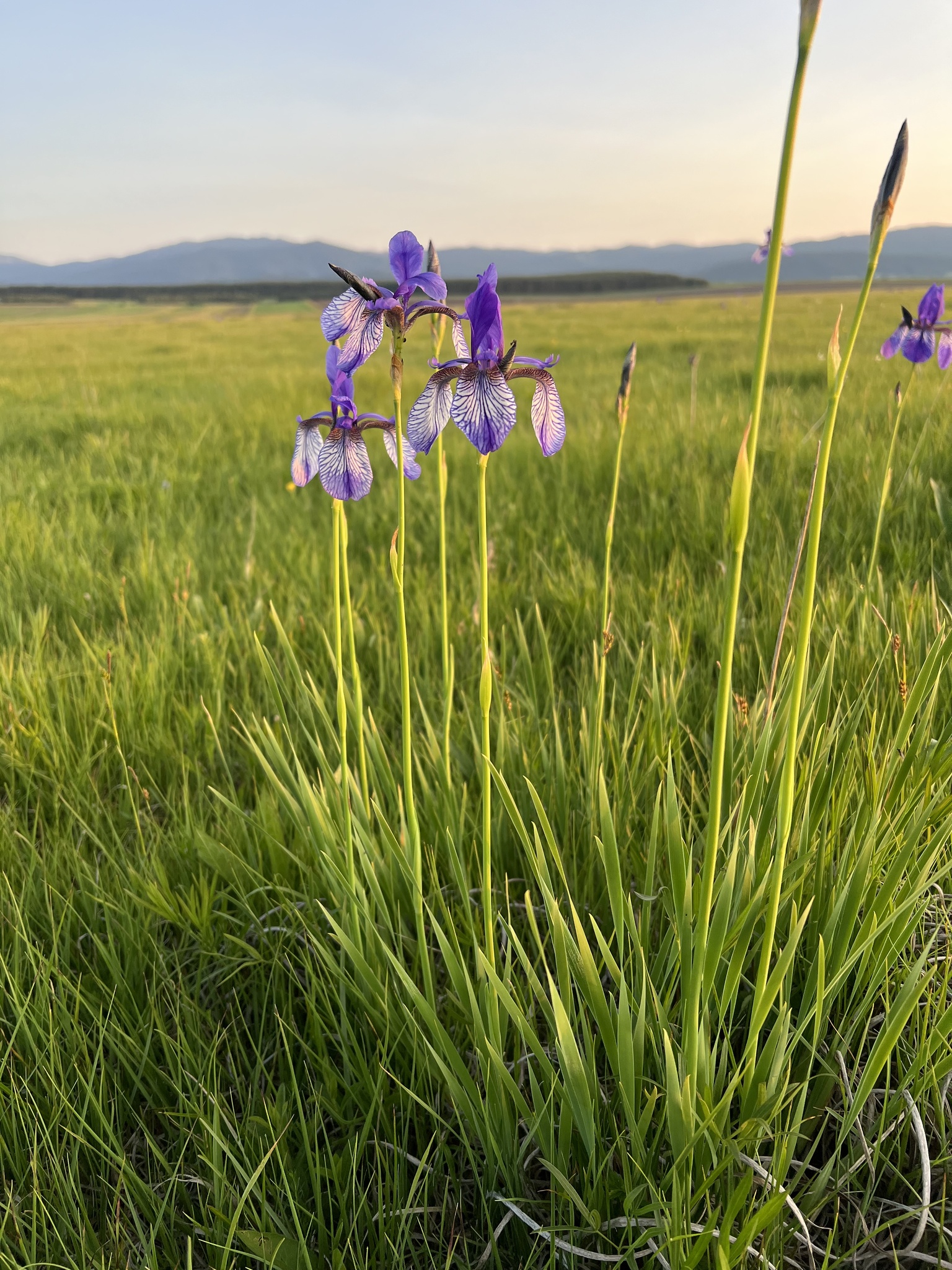
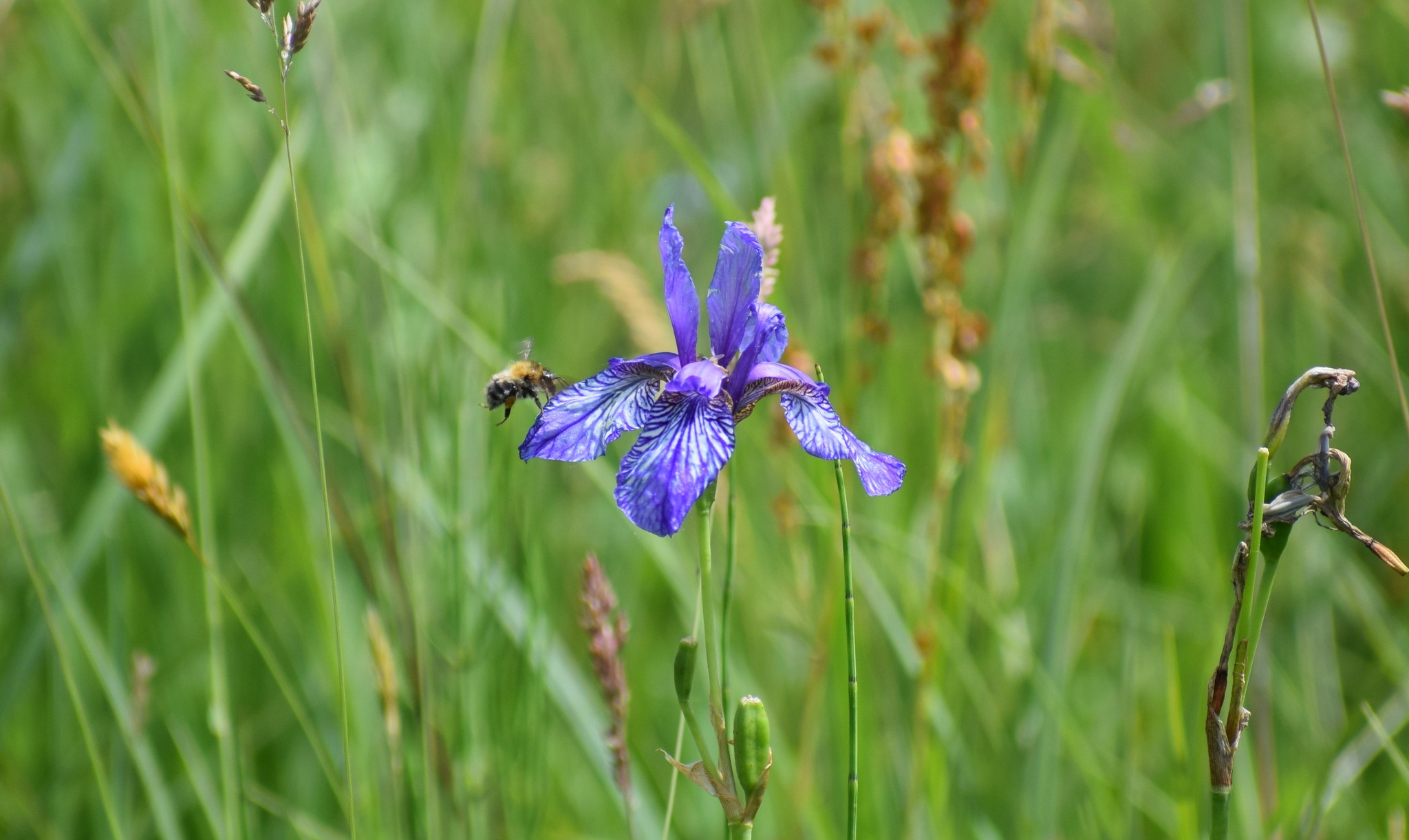


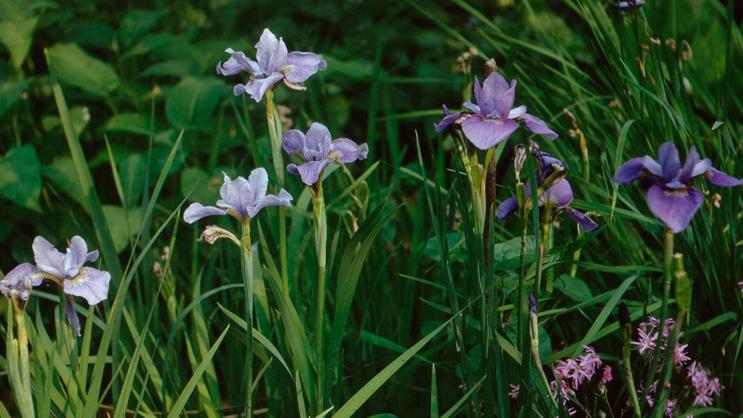
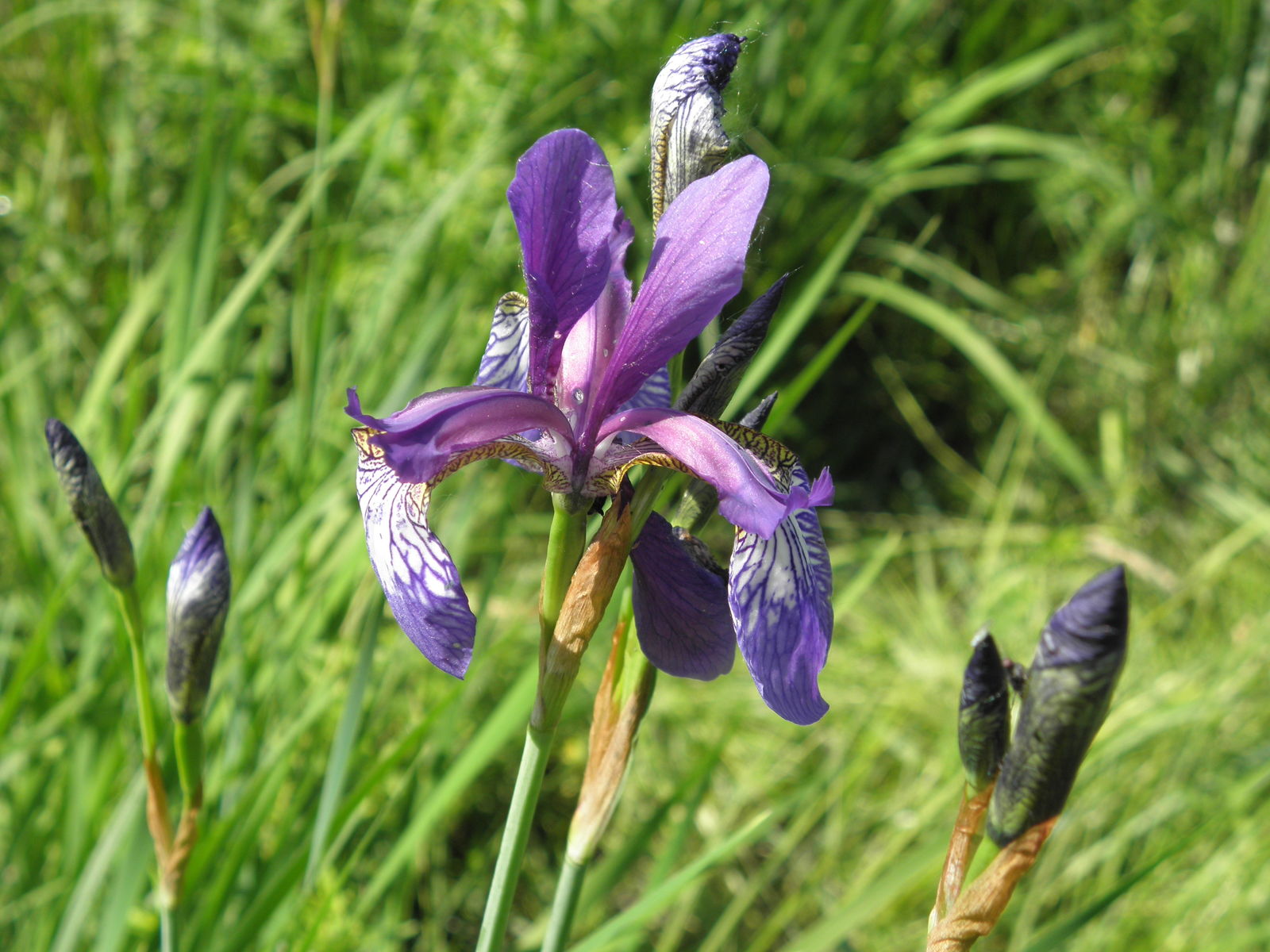

© photo
(c) iris_siri, some rights reserved (CC BY-NC) · cc-by-nc
Mirko Ubović · cc0
Gergely Nigg · cc-by
Taken Jan 1, 1800 by Tela Botanica − Thierry Pernot (cc-by-sa)
Taken Jan 1, 1970 by Photoflora - L'Abbé COSTE (©)
Taken Sep 2, 2019 by joubarbe (cc-by-sa)
Taken May 10, 2022 by Sora Volker (cc-by-sa)
Taken Apr 28, 2021 by Navid Helmi (cc-by-sa)
© copyright of the Board of Trustees of the Royal Botanic Gardens, Kew.




Global distribution
POWO gives Iris sibirica a broad native Eurasian range, including France, central and eastern Europe, Turkey, the Caucasus, western Siberia and Central Asia. In France, Tela Botanica associates it with wet meadows and heathland and displays INPN CD_NOM 103777 with protection and Red List statuses.
- Native8
- Introduced2
- Metropolitan France
- Central and eastern Europe
- Balkans
- Switzerland and Italy
- Caucasus and Transcaucasia
- Turkey
- Western Siberia
- Kazakhstan and Altai
- Great Britain
- Temperate North America
Hexagons: regions where the plant occurs. Green dots: native range.↗
Identity
Slender foliage and beardless flowers distinguish Siberian iris, Iris sibirica L., an accepted species in the genus Iris, family Iridaceae. POWO, WFO and GBIF retain the Linnaean binomial published in Species Plantarum in 1753. ↗ ↗ ↗
The alternative English name Siberian flag is well established, but neither name means that the plant comes exclusively from Siberia. POWO describes a much broader native range, extending from France and central and eastern Europe through Turkey and the Caucasus to the Altai, Kazakhstan and western Siberia. ↗
This is a rhizomatous perennial, rather than a true bulb. Gardening catalogs sometimes group it with bulbs for convenience, but the rhizome is the important organ: it stores reserves, can be divided, may rot in poorly aerated soil and contains the highest concentrations of the main toxic irritants. ↗ ↗
Recognition
A narrow, upright clump gives Iris sibirica a more grasslike outline than most bearded irises. Tela Botanica reproduces Coste’s description of a hairless perennial 50 cm–1 m (20–39 in) tall, with a finger-thick rhizome, linear sword-shaped leaves and a cylindrical stem that is bare for much of its upper length. ↗
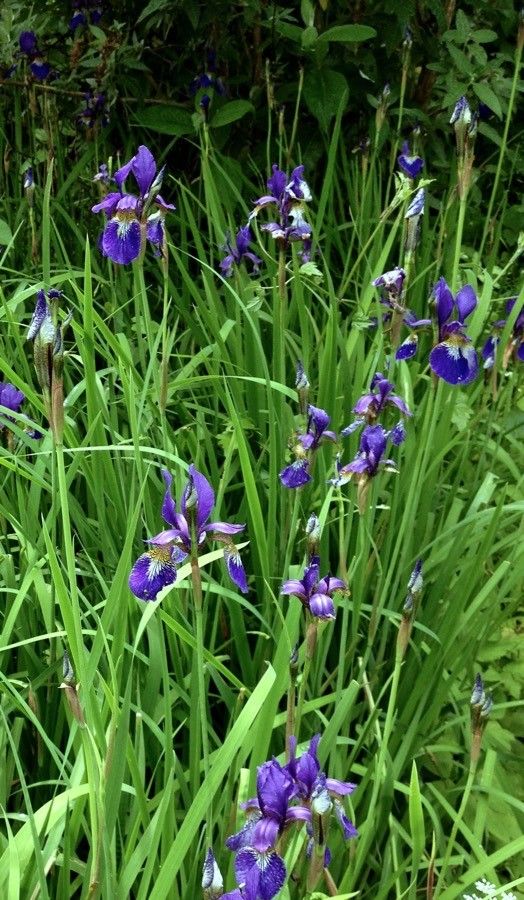
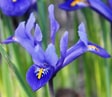
RHS describes a rhizomatous perennial reaching around 1.2 m (4 ft), with narrow, grassy foliage and branched stems bearing up to five violet-blue flowers. Each flower measures 6–7 cm (2.4–2.8 in) across and opens in early summer. The outer tepals, or falls, have purple veins over a white base. ↗
The flowers are beardless. They follow the general iris pattern of three upright segments and three drooping segments, without the hairy beard characteristic of bearded irises. NC State instead describes white or golden markings on the falls, radiating outward from the flower’s center. ↗
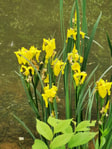
Leaves remain useful for identification outside the flowering season. They are linear, entire and veined, often blue-green, shorter than the flowering stems and arranged in a vase-shaped clump. This outline separates the plant from broader-leaved garden bearded irises and from the much more robust yellow flag iris associated with saturated banks. ↗ ↗
Useful taxonomy
The botanical reference name is Iris sibirica L. POWO lists numerous historical synonyms, including Biris sibirica, Iris bicolor, Iris flexuosa, Iris maritima, Limniris sibirica and Xyridion sibiricum. These names may occur in older floras or databases; they do not represent separate garden species in this treatment. ↗ ↗
Garden cultivars require a further distinction. A plant sold as a Siberian iris may be Iris sibirica, a cultivar of that species or a related hybrid in the Siberian iris group. A cultivar name therefore does not establish a separate botanical rank, and the species name I. sibirica remains the focus here. ↗
Water requirements are a common source of confusion. Iris sibirica is neither a bearded iris for a dry rock garden nor a yellow flag iris for standing water. The useful middle ground is rich, well-aerated soil that stays moist to wet. ↗ ↗
Habitat, France and conservation status
Wild populations occupy wet meadows, wet heathland and vegetation associated with purple moor-grass grasslands. Tela Botanica records wet meadows and heath, with historical mentions from Charente-Maritime, Lake Joux in the Jura and Alsace. Its French flowering period is May–June, corresponding to late spring and early summer. ↗
Being native to France does not mean being common throughout the country. POWO includes France in the native range, while Tela Botanica displays INPN CD_NOM 103777, protection statuses and a Red List category of VU, Vulnerable, for metropolitan France. Rhizomes, flowers and seeds should therefore not be collected from wild populations there. ↗ ↗
In France, the species is treated as a rare native plant needing protection, rather than an invasive alien. Disposing of cultivated material does not raise the same regulatory issue as an invasive aquatic plant, but wild sites and wetland habitats still need protection. This French status should not be read as a legal assessment for another country. ↗
Growing in the garden
A moist meadow provides a better growing model than an open pond. RHS recommends good garden soil, preferably moist but not waterlogged. Where soil is drier, incorporate well-rotted organic matter before planting and apply a spring mulch. ↗
During active growth and flowering, the watering guide is 10–25 mm (0.4–1 in) per week when rainfall is insufficient. The aim is soil that stays moist below the surface, not a permanently full saucer. Containers, sandy soils and drying winds may require more frequent watering; in heavy clay, keeping air around the rhizome remains the priority. ↗ ↗
Light has a direct effect on flowering. NC State recommends full sun, while noting that protection from hot afternoon sun can help in very warm regions. Illinois Extension gives full sun to light partial shade. Excess shade makes clumps flop and reduces flower production, so adjust the position to local heat rather than assuming every sunny site behaves alike. ↗ ↗
Divide after flowering, from midsummer to early fall in the local growing season. RHS recommends rhizome division during this period, and NC State advises division when clumps become overcrowded and produce fewer flowers. A newly divided plant may need more than one season to flower well again. ↗ ↗
Uses, cultivars and toxicity
Ornamental planting is the main role of this iris: moist borders, rain gardens, upper pond margins, garden wet meadows, large containers and cut-flower beds. NC State also notes the appeal of its seed capsules and blue-green foliage. Illinois Extension emphasizes reliability, low maintenance and tolerance of wet sites. ↗ ↗
Cultivars greatly expand the color range. Wild plants are mainly blue to violet-blue, whereas NC State lists white, yellow, pink, magenta, light blue and purple selections, including 'Butter and Sugar', 'Caesar's Brother', 'Perry's Blue', 'Ruffled Velvet', 'Silver Edge' and 'White Swirl'. ↗
The ASPCA lists Iris species as toxic to dogs, cats and horses. Signs include salivation, vomiting, diarrhea and lethargy, with the highest concentrations in rhizomes. Pet Poison Helpline describes tissue irritation after ingestion or handling and places the main irritant compounds in the bulb or rhizome. ↗ ↗
For Iris sibirica specifically, NC State describes human poison severity as low, while warning that eating the rhizome or rootstock can cause abdominal pain and vomiting, and that sap may irritate the skin. The risk to animals calls for caution; the likelihood of a serious incident depends especially on the amount and plant part eaten. ↗ ↗
The names iridin and irisine occur in horticultural and toxicological accounts of irises, but the veterinary sources used here emphasize pentacyclic terpenoids or incompletely identified irritants. The practical advice is unchanged: wear gloves when dividing plants, do not eat the rhizomes and prevent children and animals from chewing them. ↗ ↗ ↗
- Plants of the World Online / Kew, Iris sibirica L.
- World Flora Online, Iris sibirica L.
- GBIF Backbone Taxonomy, Iris sibirica L.
- Tela Botanica eFlore, Iris sibirica L.
- Royal Horticultural Society, Iris sibirica
- NC State Extension Gardener Plant Toolbox, Iris sibirica
- University of Illinois Extension, Siberian Iris
- ASPCA Animal Poison Control, Iris
- Pet Poison Helpline, Iris
Main sources
- Plants of the World Online / Kew, Iris sibirica L.
- World Flora Online, Iris sibirica L.
- GBIF Backbone Taxonomy, Iris sibirica L.
- Tela Botanica eFlore, Iris sibirica L.
- Royal Horticultural Society, Iris sibirica
- NC State Extension Gardener Plant Toolbox, Iris sibirica
- University of Illinois Extension, Siberian Iris
- ASPCA Animal Poison Control, Iris
- Pet Poison Helpline, Iris
Frequently asked questions
Is Iris sibirica a true bulb?
No. Botanically it is a rhizomatous perennial. Gardeners may group it broadly with bulbs, but the organ to divide and watch for problems is the rhizome.
Can I collect wild Siberian iris in France?
No. Tela Botanica lists protection and Red List statuses for metropolitan France. Use nursery-grown plants or divisions from cultivated stock for the garden.
Should I plant it in water like yellow flag iris?
No. It likes moist to wet soil, but prolonged immersion in cold, stagnant water is unsuitable. An upper bank, rain garden or moist border is a better position than the middle of a pond.
Why is my Siberian iris not flowering?
Common causes are too much shade, spring drought, an overcrowded clump, recent division or excess nitrogen. Correct light and moisture before adding fertilizer.
When should I divide Iris sibirica?
After flowering, from midsummer to early fall in the local growing season. RHS recommends dividing rhizomes during this period; NC State advises division when clumps become crowded and flowering declines.
Is Siberian iris toxic to cats and dogs?
Treat it as toxic. The ASPCA lists Iris species as toxic to dogs, cats and horses, with the highest concentrations in rhizomes. Pet Poison Helpline describes irritation, salivation, vomiting, diarrhea and lethargy.
Similar plants
If you are unsure about a plant’s toxicity, ask a botanist or veterinarian for advice.