
Scarlet pimpernel (Lysimachia arvensis, )
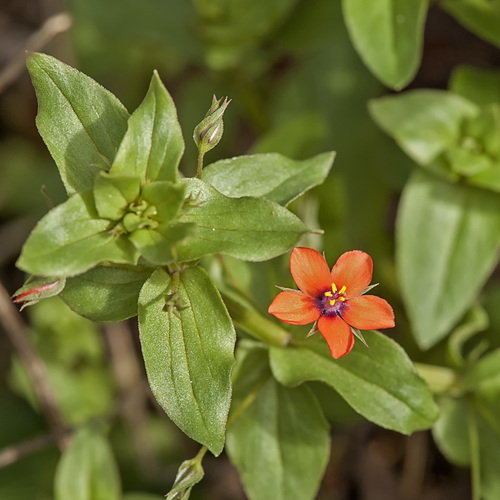
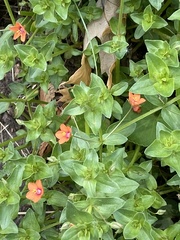
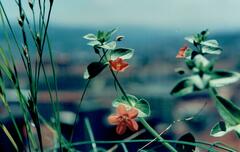
Scarlet pimpernel (Lysimachia arvensis), long placed in the genus Anagallis, is an annual crop-field wildflower in the Primulaceae family. It is common in cultivated fields, gardens and pathsides in Europe, western Asia and North Africa. Its small scarlet or blue flowers open only in clear weather, earning it the nickname poor man's barometer.
Read moreScarlet pimpernel
Place in full sun, with intense direct light all day long.
Full sun; tolerates light partial shade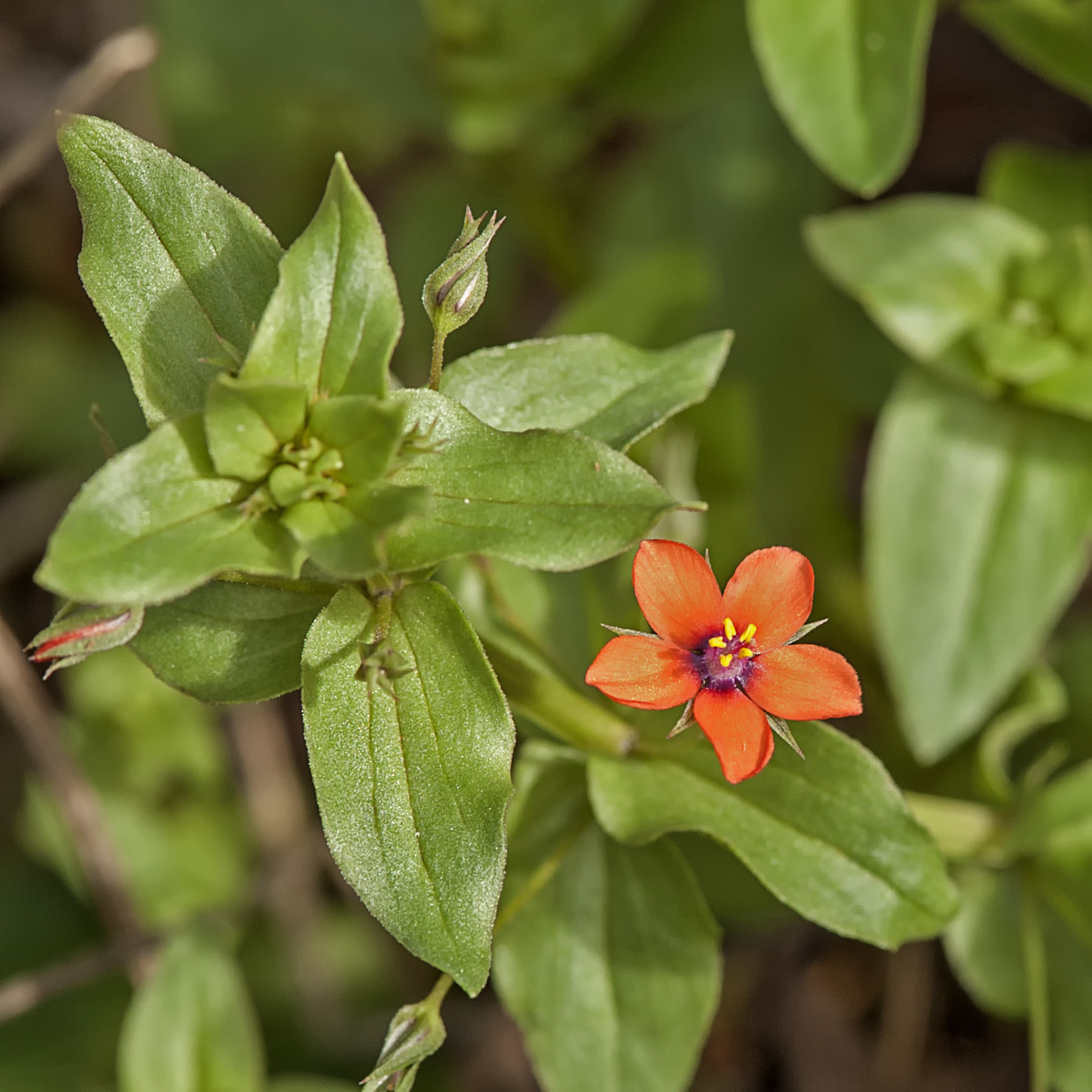
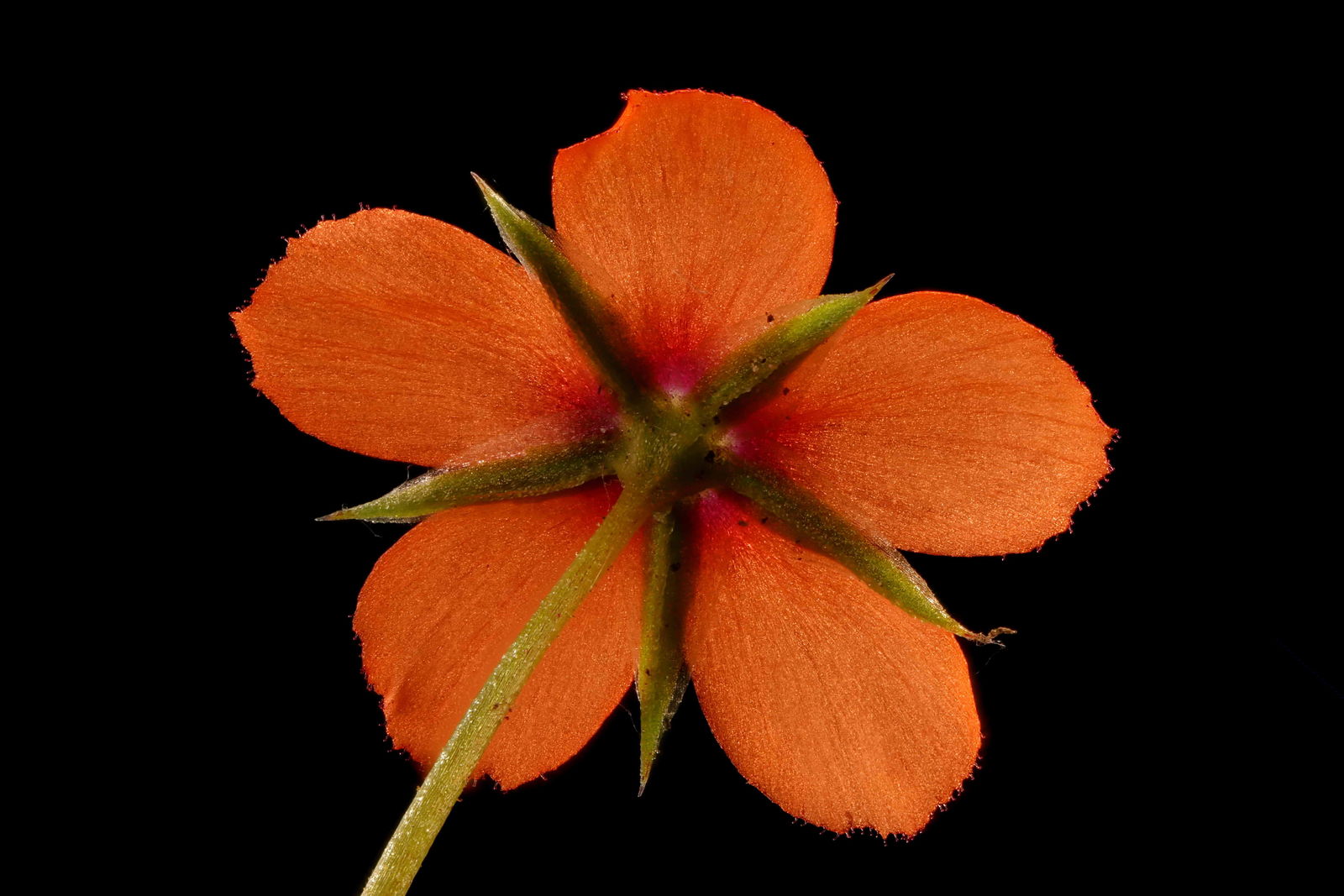
© photo
(c) Kathy Ward, some rights reserved (CC BY-NC), uploaded by Kathy Ward · cc-by-nc
Sandy Wolkenberg · cc-by
zebedeugalinha · cc-by
© copyright of the Board of Trustees of the Royal Botanic Gardens, Kew.
Global distribution
WCVP places the native range of Lysimachia arvensis from Europe to Central Asia and the Himalayas, and through North Africa to Ethiopia and the Arabian Peninsula. The species is now naturalized on almost every continent.
- Native4
- Introduced4
- Metropolitan France
- Europe
- North Africa
- Western Asia
- United States
- Australia
- South America
- Southern Africa
Hexagons: regions where the plant occurs. Green dots: native range.1
Identity
Scarlet pimpernel (Lysimachia arvensis (L.) U.Manns & Anderb., 2009), long placed in the genus Anagallis, is an accepted species in the Primulaceae family. Molecular phylogenetic work showed that the former genus Anagallis was nested within Lysimachia, supporting the transfer of the name in 2009. 1 7
The French names mouron rouge, mouron des champs and mouron commun all refer to this plant. Another, miroir-du-temps, recalls its response to the weather, a trait also reflected in the English nickname poor man’s barometer. 2 3
An annual of cultivated fields, scarlet pimpernel is a crop-field wildflower. Two features make it recognizable outdoors: a stem that is square in cross-section and small black dots on the undersides of the leaves. Its moderate toxicity to livestock and resemblance to common chickweed account for most questions about the plant. 3
Recognition
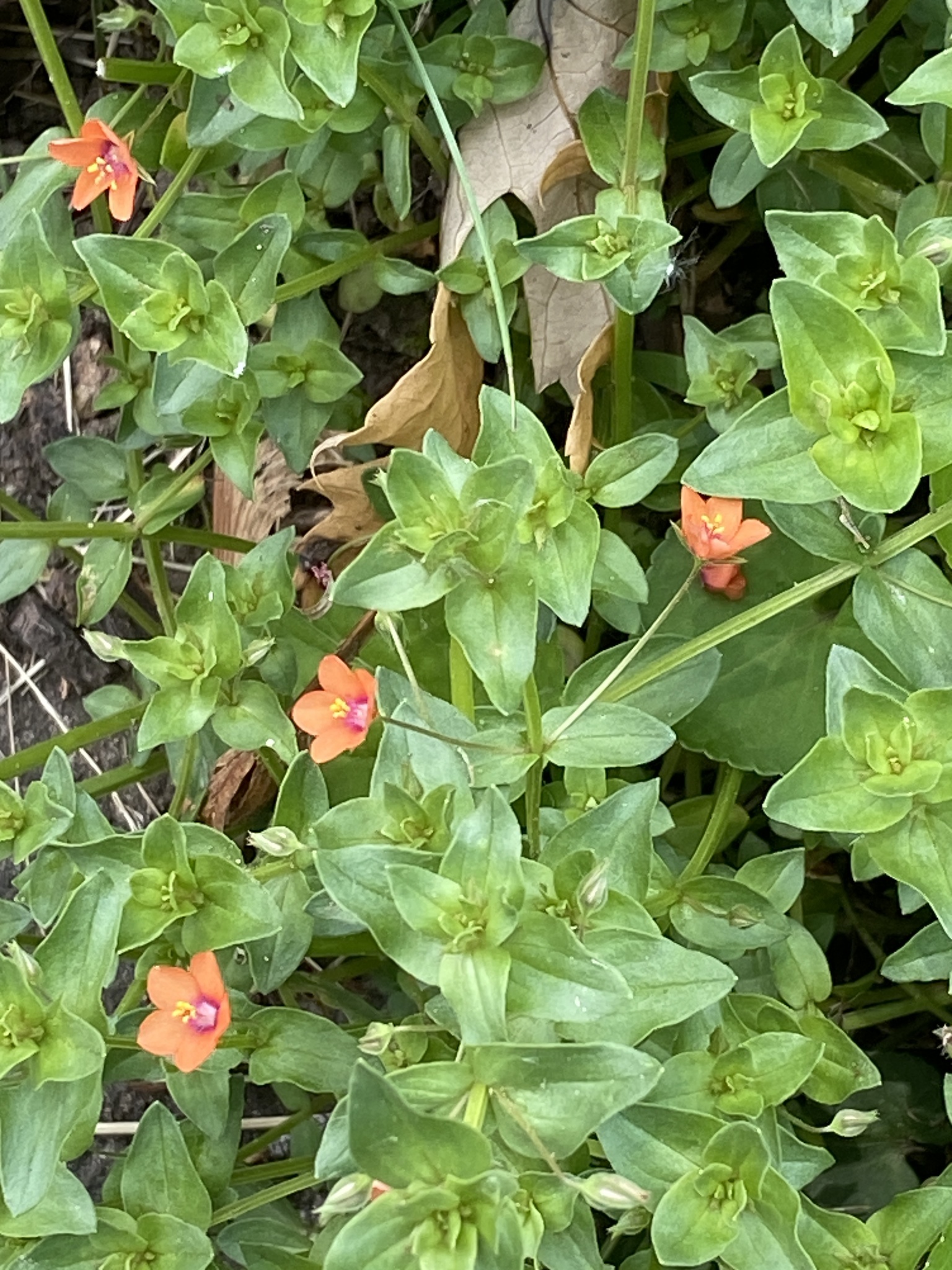
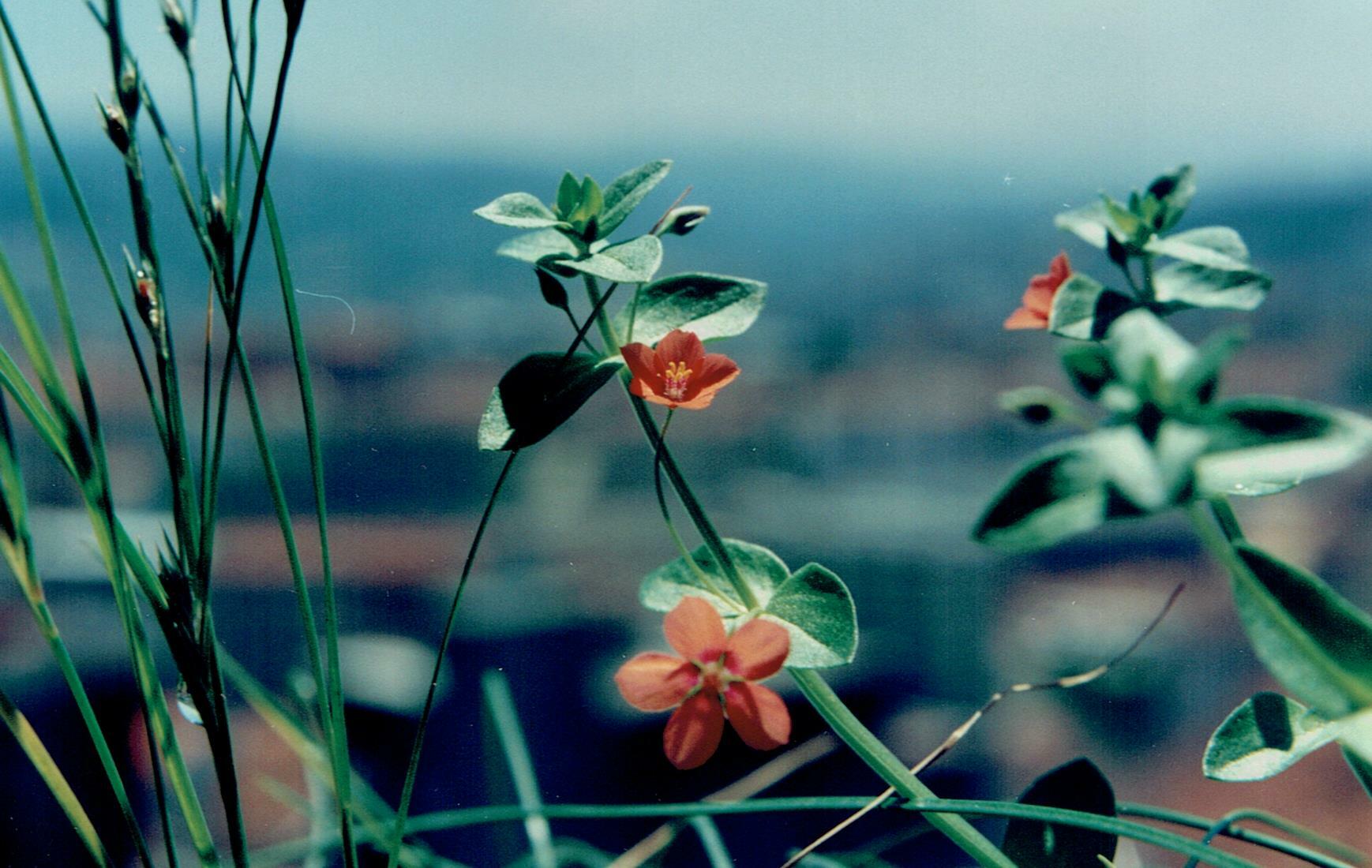
Low, spreading growth is typical of Lysimachia arvensis. Its quadrangular stems, square in cross-section, measure 5–30 cm (2–12 in) long and sometimes more in favorable conditions. The opposite, stalkless leaves are oval, with tiny black glandular dots underneath. These dots are often the deciding feature when separating it from similar plants. 2 4
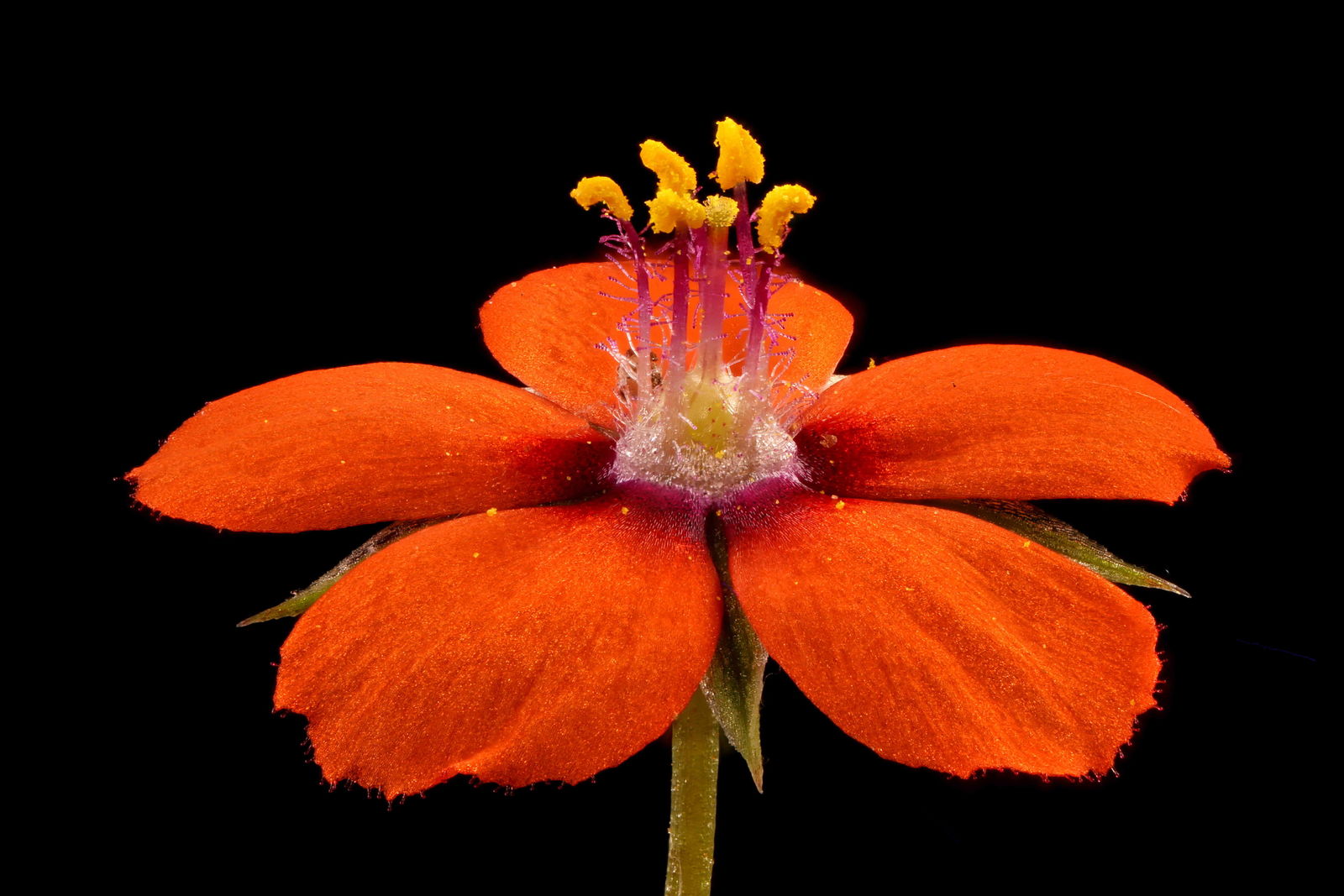
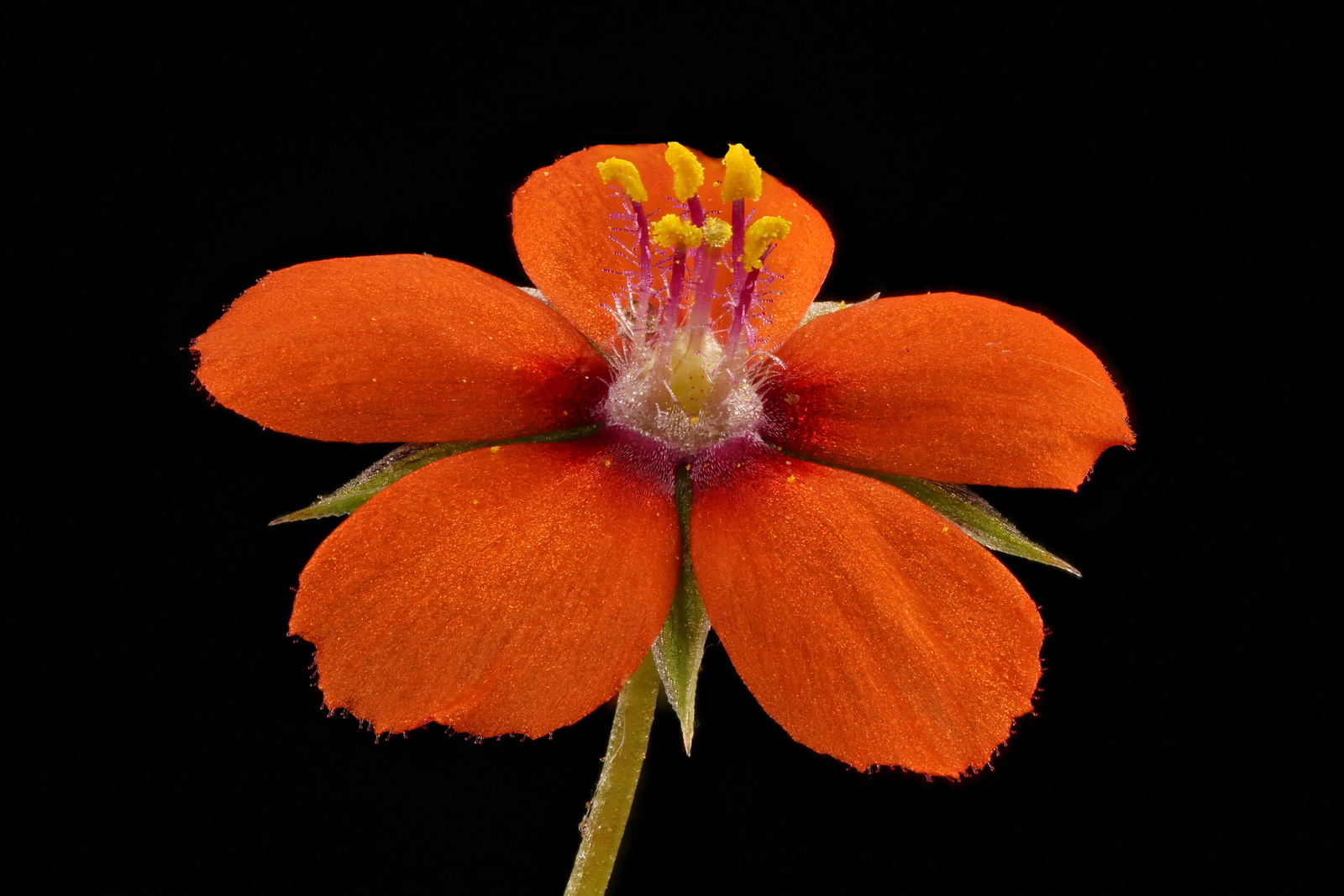
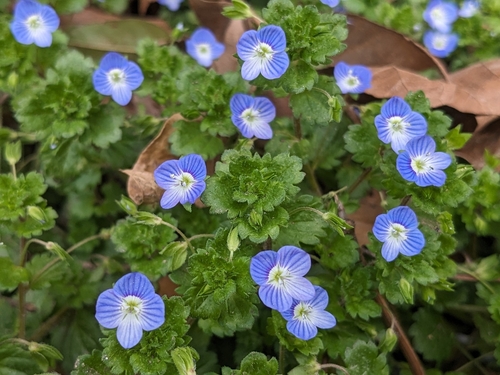
Flowers appear singly in the leaf axils and measure 10–15 mm (0.4–0.6 in) across. Scarlet with a purple center is by far the dominant color; blue forms are exceptional in the field. They open only in sufficient light, generally during the morning, and close before rain or toward the end of the day. 2 3
A spherical capsule follows the flower. At maturity it opens with a lid, between August and October in the Northern Hemisphere, releasing numerous small seeds. Wind or rain carries them away as the weight of the fruit bends the stem. 5
Useful taxonomy
The accepted combination, Lysimachia arvensis (L.) U.Manns & Anderb., was published in 2009 following the molecular placement of Anagallis within Lysimachia. Its basionym, Anagallis arvensis L. 1753, remains common in horticultural writing and field botany, much of which predates the 2009 transfer. 1 8
WCVP places several infraspecific taxa under the same accepted name, including:
- Lysimachia arvensis var. caerulea (L.) Turland & Bergmeier, the historical blue form;
- Lysimachia arvensis subsp. parviflora (Hoffmanns. & Link) Peruzzi;
- Lysimachia arvensis f. latifolia (L.) B.Bock.
Its close relative Lysimachia foemina, formerly blue pimpernel or Anagallis foemina, was long treated as a mere color form of scarlet pimpernel. Molecular analyses now treat it as a separate species, closer to Lysimachia monelli than to Lysimachia arvensis. 7 6
Habitat and range
Europe, Central Asia and the Himalayas form part of the native range given by WCVP for Lysimachia arvensis. That range also extends through North Africa to Ethiopia and the Arabian Peninsula. 1
Cultivated fields, fallow ground, pathsides and disturbed soil are the usual settings for scarlet pimpernel. It shows a marked preference for light, sandy substrates and also grows on dunes and coastal ground. 3 2
Human farming activities have helped naturalize the species on almost every continent. The Atlas of Florida Plants records it as nonnative but well established in the United States, while GBIF brings together observations from five continents. 4 6
Life cycle and reproduction
Local conditions determine whether Lysimachia arvensis behaves as an annual or biennial, as described by WCVP. Flowering extends from spring into fall, reaching its greatest intensity in summer on sunny ground. These are seasonal markers rather than fixed dates for every climate. 1 2
Sufficient light brings the flowers open, usually between 8 a.m. and 3 p.m.; they close before rain or as daylight fades. This response to light rather than a fixed clock explains the nickname “poor man's barometer.” 3
Seed is the only means of propagation. After fertilization the capsule ripens and opens with a lid; seeds fall to the ground or are scattered by wind. They build up a seed bank, explaining why the plant regularly reappears when the same patch of ground is disturbed. 5
Uses and risks
Past medicinal uses included external treatment of slow-healing wounds and use as an expectorant, as well as occasional internal treatment for itching or rheumatism. Because the plant contains saponins, internal use for those conditions cannot be recommended today. 3
Saponins account for most of its toxicity. In large doses, ingestion causes digestive problems in livestock; the seeds also show mild toxicity to some mammals and birds. Contact with the foliage can cause dermatitis in sensitive people. 3
No food use is recognized for this species today: the PFAF account lists no reliable culinary preparation. Young children and pets are therefore best kept away from garden areas where the plant grows abundantly. 3
Varieties, look-alikes and related plants
Documented color forms chiefly include the typical scarlet form and a rarer blue form, placed by WCVP under Lysimachia arvensis var. caerulea. This blue form must be distinguished from the neighboring species Lysimachia foemina, now recognized separately. 8 7
Common chickweed, Stellaria media, is the most frequent field look-alike. It shares disturbed habitats and part of the French common name. Its round stem, hairy along a single line, and white, star-shaped flowers clearly distinguish it from the square stem and scarlet or blue flowers of scarlet pimpernel. 4
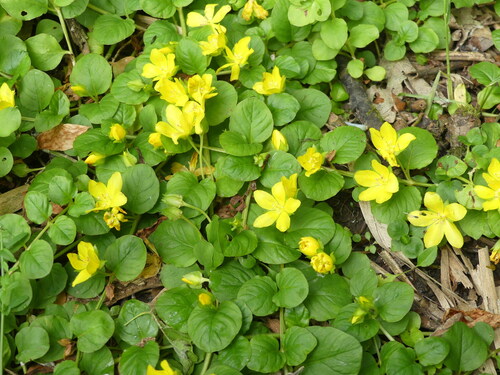
The Primulaceae family also includes horticultural plants with very different habits. Among them are creeping Lysimachia grown as ground cover and garden primroses; their connection with scarlet pimpernel is botanical kinship rather than a shared appearance. 1
Main sources
- Plants of the World Online / Kew, Lysimachia arvensis (L.) U.Manns & Anderb.
- Royal Horticultural Society, Anagallis arvensis - scarlet pimpernel
- Plants For A Future, Anagallis arvensis - scarlet pimpernel
- Atlas of Florida Plants, Lysimachia arvensis - scarlet pimpernel
- USDA PLANTS Database, plant profile ANAR - scarlet pimpernel
- GBIF, species page, Lysimachia arvensis (L.) U.Manns & Anderb.
- Manns & Anderberg 2007, phylogeny and generic limits in the tribe Lysimachieae, Molecular Phylogenetics and Evolution
- Tropicos / Missouri Botanical Garden, name record, Lysimachia arvensis
Frequently asked questions
Is scarlet pimpernel poisonous?
It contains saponins. Eaten in quantity, it causes digestive problems in livestock; foliage contact can also irritate the skin of sensitive people.
Why do scarlet pimpernel flowers close?
They respond to light and humidity. They open mainly on clear mornings and close before rain or toward the end of the day, hence the nickname poor man's barometer.
How does scarlet pimpernel differ from common chickweed?
Stellaria media has a round stem with hairs along a single line and white, star-shaped flowers. Lysimachia arvensis has a square stem and scarlet or blue flowers borne singly in the leaf axils.
Is scarlet pimpernel the same as blue pimpernel?
Not consistently anymore. Recent molecular studies treat blue pimpernel as a separate species, Lysimachia foemina, rather than simply a color form of Lysimachia arvensis.
Why did the name change from Anagallis to Lysimachia?
A molecular phylogenetic study showed that Anagallis was nested within Lysimachia. The accepted name became Lysimachia arvensis (L.) U.Manns & Anderb. in 2009.
Is scarlet pimpernel invasive in France?
No. It is native there and regarded as a common crop-field wildflower rather than an invasive alien plant.
Similar plants
If you are unsure about a plant’s toxicity, ask a botanist or veterinarian for advice.