
Pepper elder (Peperomia pellucida, )
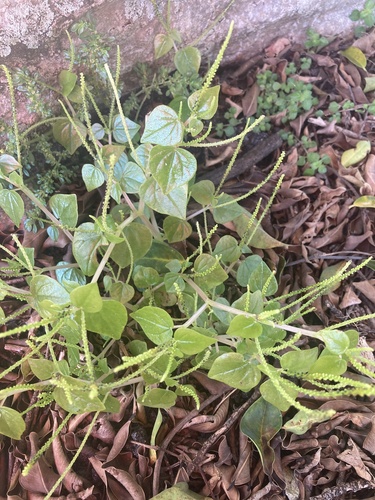
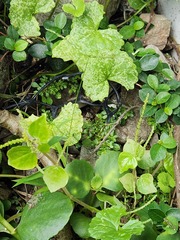

Pepper elder (Peperomia pellucida) is a small annual herb in the Piperaceae family, native to tropical America and now widespread throughout the tropics. Its almost translucent stems and leaves make it distinctive. It readily sprouts in the moist potting mix of cultivated plants, where it is both an unobtrusive weed and a traditional edible herb.
Read morePepper elder, Silverbush, Rat-ear, Clearweed, Shining bush and Man to man
Place in indirect light or in a shaded room.
Partial shade to filtered light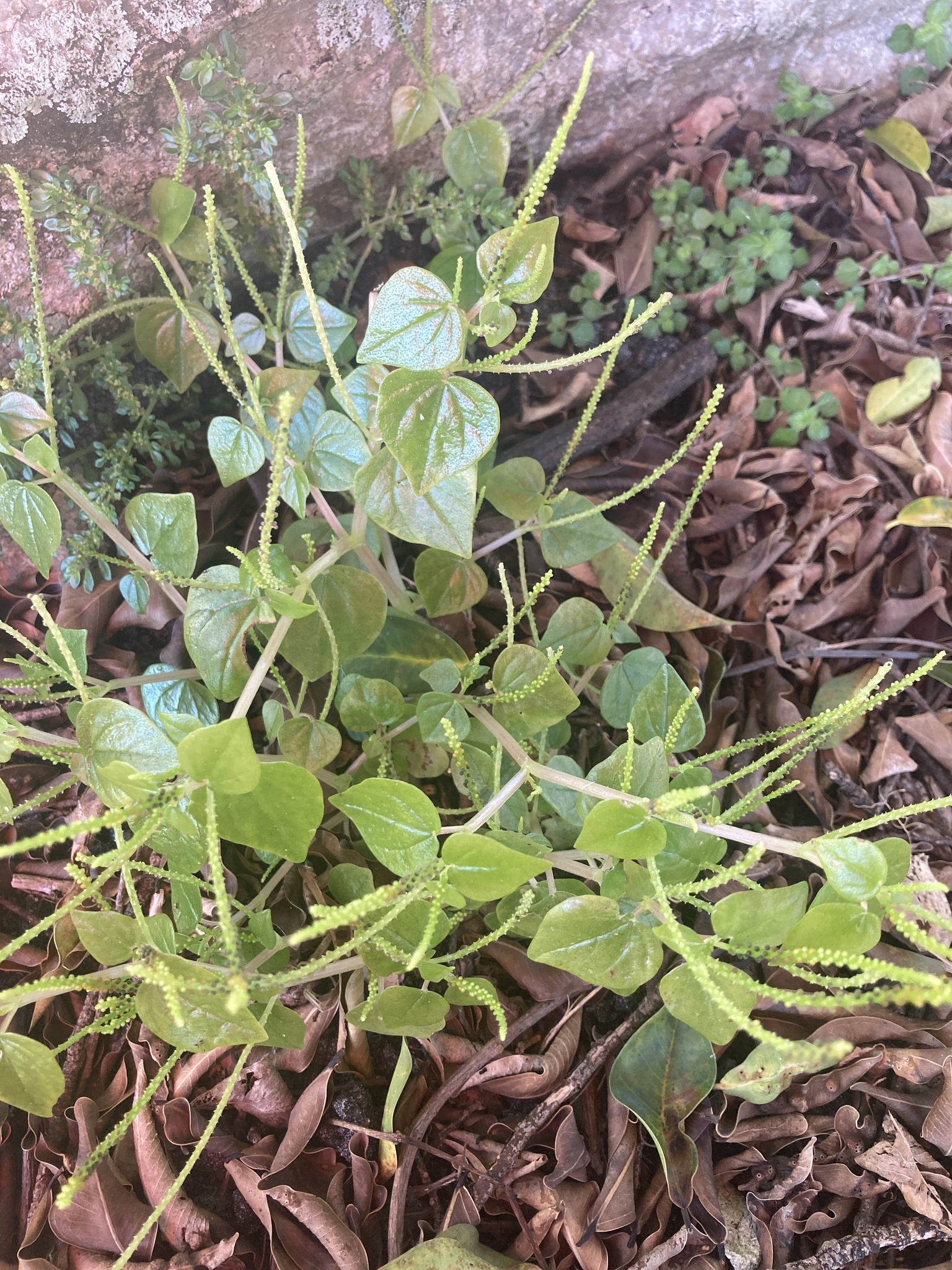


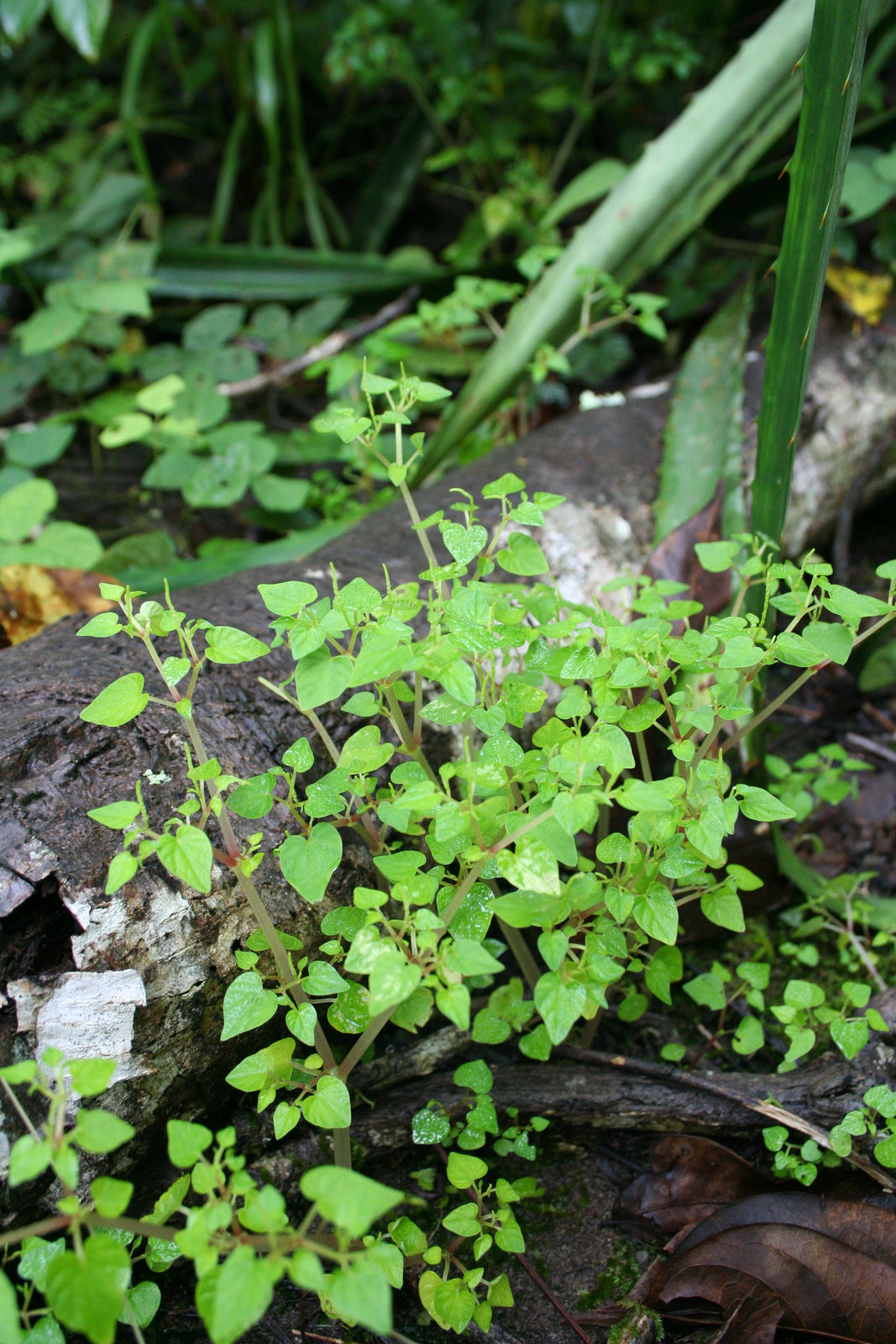
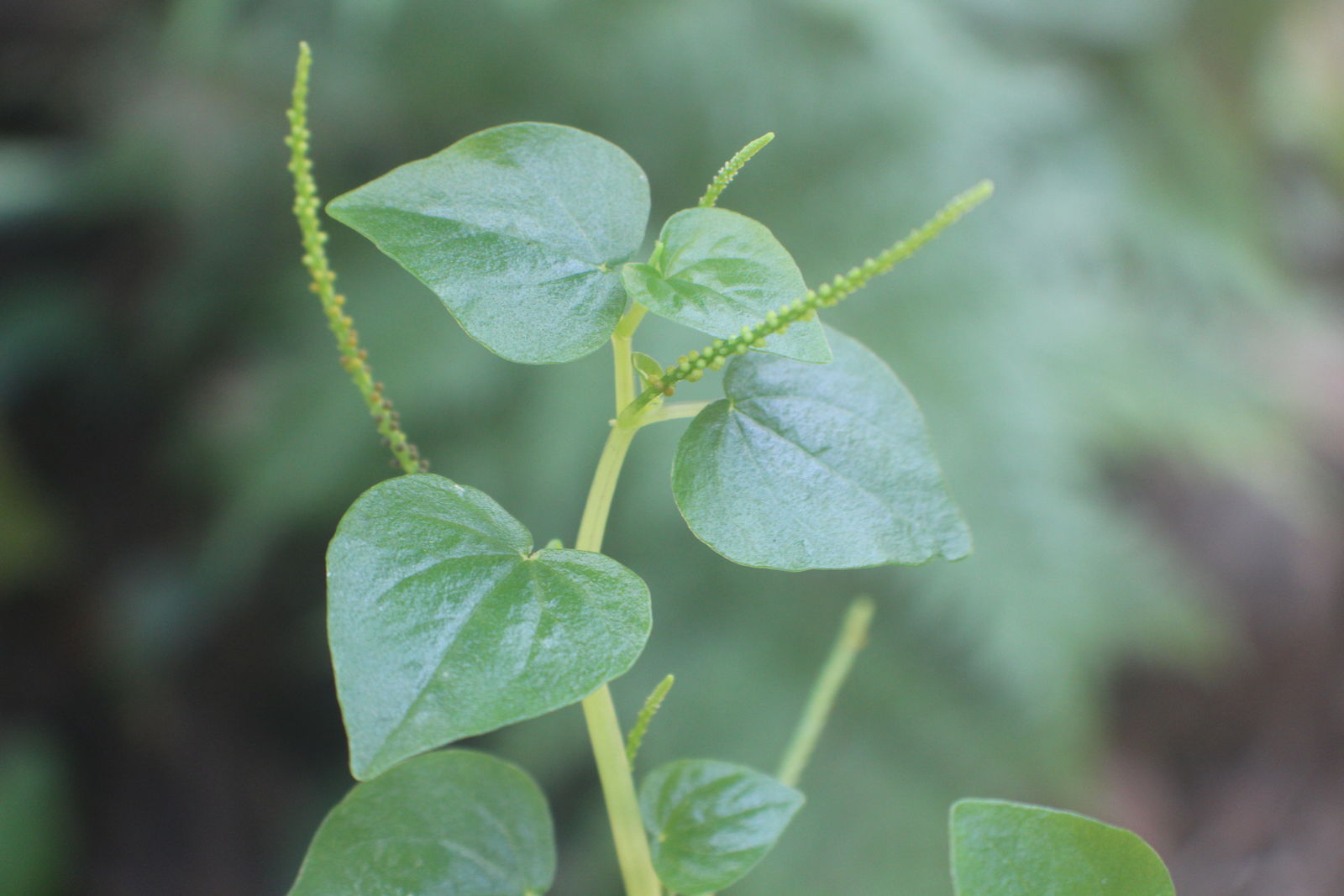
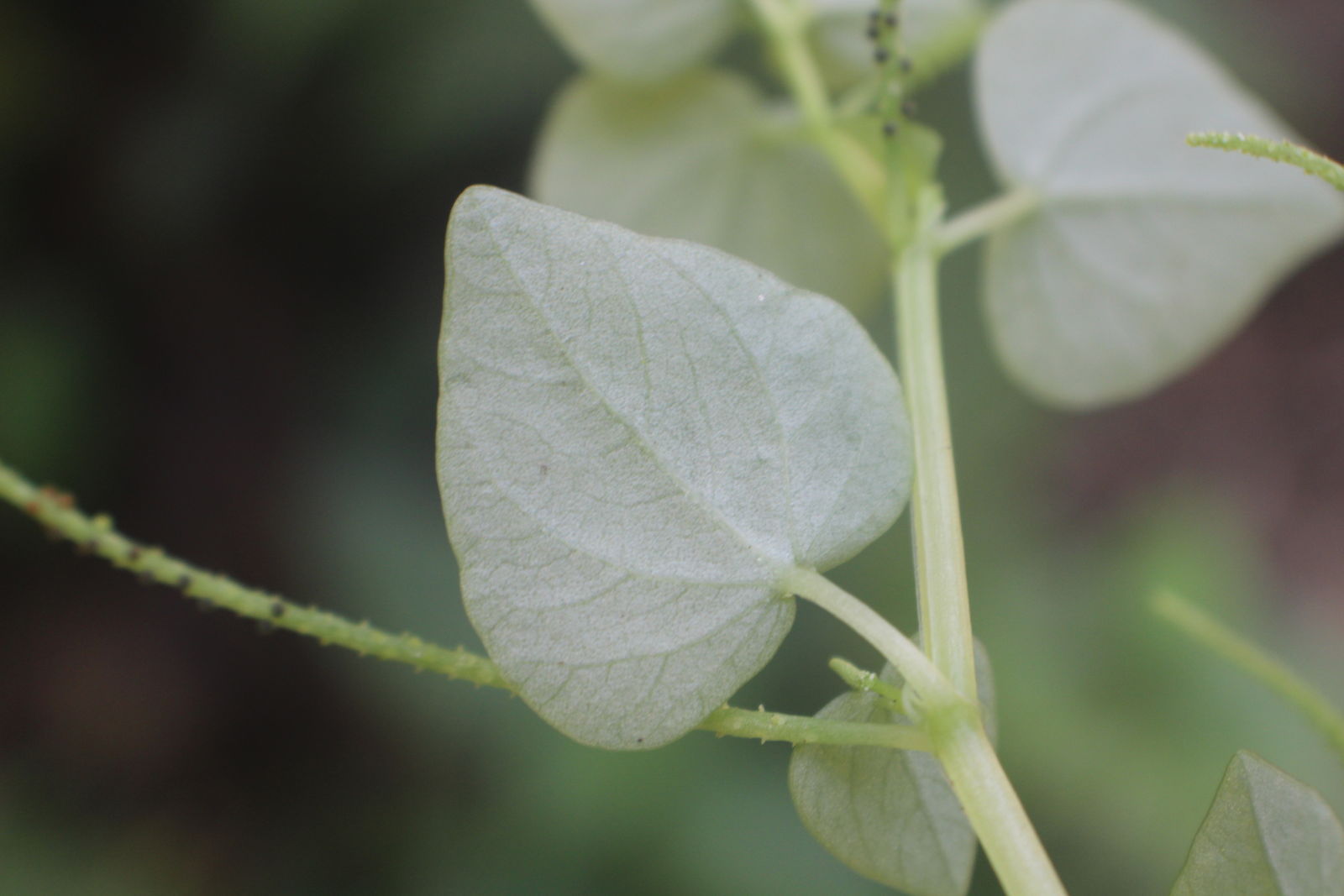
© photo
Liz F · cc0
胡正恆(Jackson Hu) · cc-by
Douglas Goldman · cc-by-nc
Taken Oct 1, 2009 by OTS - Oviedo-Brenes, Federico (cc-by-nc-sa)
Taken May 28, 2021 by Sébastien TRASBOT (cc-by-sa)
Taken Feb 4, 2013 by Tela Botanica − Chloe PIERRE (cc-by-sa)
© copyright of the Board of Trustees of the Royal Botanic Gardens, Kew.




Global distribution
Peperomia pellucida is native to tropical America. It has become widely naturalized in tropical and subtropical Africa, Madagascar, Southeast Asia and Oceania, making its precise original range difficult to separate from introduced populations.
- Native3
- Introduced5
- Brazil
- Colombia
- Mexico
- Nigeria
- Philippines
- Northern Australia
- Martinique
- French Guiana
Hexagons: regions where the plant occurs. Green dots: native range.1
Identity
Pepper elder (Peperomia pellucida (L.) Kunth, 1816) is a small annual herb in the genus Peperomia, part of the Piperaceae family. Kunth transferred it from Piper, where Carl Linnaeus had originally described it in 1753 as Piper pellucidum. 2 1
Its epithet pellucida means “transparent” in Latin, describing stems and leaves so thin that light almost passes through them. 3
French Caribbean speakers call the plant herbe couresse, after an old belief that its sap helped treat snakebite; the couresse is a harmless local snake. 9
Recognition
Low clumps of Peperomia pellucida have hairless, fleshy, brittle, translucent stems that generally reach 10 to 40 cm (4 to 16 in) tall. 3 7
Alternate, heart-shaped leaves measure 0.6 to 4 cm (0.2 to 1.6 in) long and 0.5 to 3 cm (0.2 to 1.2 in) wide. Five to seven veins fan out from the base, a pattern typical of the genus. 3
Crushing the plant releases a mustard-like odor, a useful identifying feature when comparing look-alikes. 8
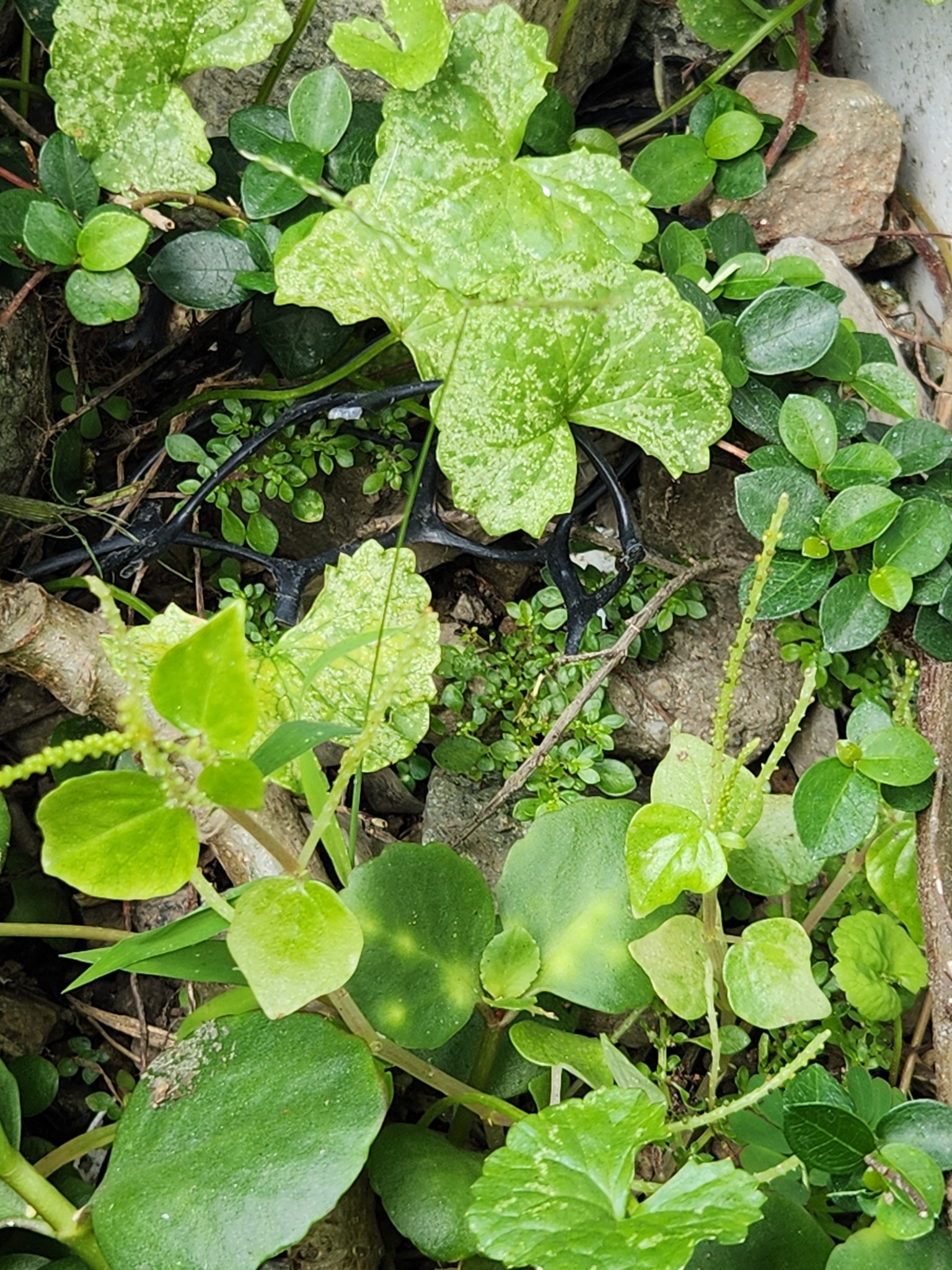
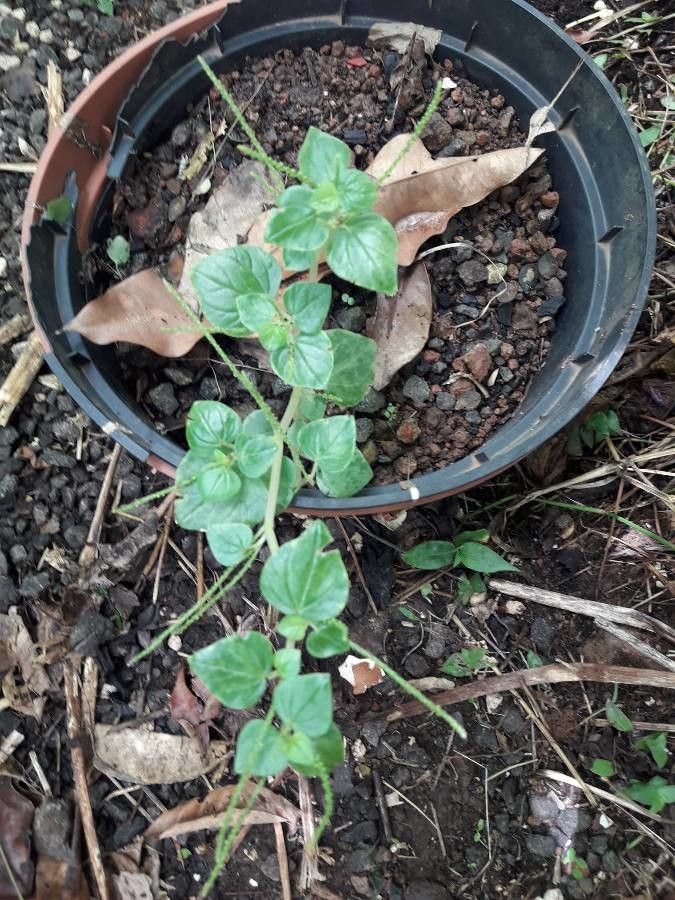
Moist potting mix around cultivated tropical plants such as monstera and philodendron readily supports this small member of the pepper family. It is often mistaken for an ordinary weed rather than recognized as an edible species in its own right.
Useful taxonomy
Botanically, the accepted name is Peperomia pellucida (L.) Kunth. Its basionym, Piper pellucidum L. 1753, records its former placement in Piper, the black pepper genus, before Kunth moved it to Peperomia in 1816. 2 1
Two botanical varieties are recognized: the widespread typical variety, Peperomia pellucida var. pellucida, and Peperomia pellucida var. argentina Yunck. 1955, a more succulent, perennial form restricted to northwestern Argentina. 1
More than a thousand species belong to Peperomia, most cultivated as houseplants for their thick foliage. P. pellucida differs in its annual life cycle and weedy habit rather than the appearance of a potted ornamental. 8
Within Piperaceae, two genera dominate: Piper, with around 2,000 species including black pepper, and Peperomia, mostly epiphytic or terrestrial plants of tropical forest understories. Their relationship explains the resemblance between the flower spikes of pepper elder and black pepper. 1
Habitat and range
Tropical America is the original home of Peperomia pellucida. It has naturalized across much of the tropics and subtropics, including West Africa, Madagascar, Southeast Asia and northern Australia, making the precise native range difficult to distinguish from introduced populations. 1 7
Seeping walls, sidewalk cracks, disturbed gardens and nitrogen-rich soils near homes offer the damp, shaded conditions this species favors. Its presence is documented in the French territories of French Guiana and Martinique. 6
Western Australia treats pepper elder as an introduced species, growing in waterlogged loamy soils under monsoonal conditions. 7
Human disturbance creates many of its growing sites: construction ground, cracked sidewalks, turned vegetable plots and saturated roadsides. This ability to colonize disturbed soil explains its documented presence in large tropical cities far from native forest.
Life cycle and reproduction
Warmth and moisture allow this short-lived annual to germinate, flower and set seed within a few weeks. 3
Tiny flowers without petals line upright spikes 2 to 6 cm (0.8 to 2.4 in) long, a floral structure characteristic of the pepper family, Piperaceae. 3
Each mature spike carries many black fruits barely 1 mm (0.04 in) across. They detach and germinate on contact with a moist growing medium, explaining how the plant can recolonize a pot within weeks of weeding. 3
Uses and risks
For cats and dogs, the ASPCA lists the genus Peperomia as non-toxic; no toxic substance has been identified in P. pellucida. 4
A mouse toxicity study found no mortality or liver damage after a single dose of 5,000 mg/kg, or after 28 days of exposure at 500 mg/kg. These safety findings support its traditional use as food. 5
Several tropical regions use the whole plant raw in salads or cooked as a leafy vegetable; in French Guiana it is eaten fresh. 8
Traditional Caribbean medicine uses a decoction for coughs and urinary inflammation. Pharmacological studies report anti-inflammatory and pain-relieving effects measured in animals; these findings do not replace medical advice. 8 5
Extracts contain polyphenols, flavonoids including apigenin and acacetin, tannins and saponins. Total phenolic content has been measured at 273 mg gallic acid equivalents per gram. 5
Varieties and related plants
Named horticultural cultivars do not exist for Peperomia pellucida: it remains a wild species rather than a nursery selection. Its two recognized forms are botanical varieties, the typical variety and Peperomia pellucida var. argentina. 1
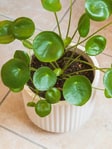
Artillery plant, Pilea microphylla, is a frequent look-alike in the same damp pots, but belongs to Urticaceae. Its leaves are only a few millimeters long, compared with 1 to 4 cm (0.4 to 1.6 in) in pepper elder, and it produces no mustard-like smell when crushed. 3
Garden-center houseplant peperomias such as P. obtusifolia and P. rotundifolia are perennials with thick, fleshy leaves. Horticulturally, they differ from this annual species that spontaneously appears in their pots.
Main sources
- Plants of the World Online / Kew, Peperomia pellucida (L.) Kunth
- International Plant Names Index, Peperomia pellucida (L.) Kunth
- Flora of North America / efloras.org, Peperomia pellucida
- ASPCA, Trailing Peperomia toxicity entry
- PMC, Peperomia pellucida ingredients, antioxidant properties and safe usage
- INPN / MNHN, Peperomia pellucida (L.) Kunth, 1816
- FloraBase Western Australia, Peperomia pellucida profile
- Wiktrop, Peperomia pellucida (L.) Kunth
- Base de données lexicographiques panfrancophone, herbe couresse entry
Frequently asked questions
Is pepper elder edible?
Yes. The entire plant is eaten raw in salads or cooked as a leafy vegetable in several tropical regions, including French Guiana, where it is eaten fresh.
Is Peperomia pellucida toxic to cats and dogs?
No. The ASPCA lists the genus Peperomia as non-toxic to cats and dogs, and available safety studies have not identified any toxic substance in this species.
Why does pepper elder appear in my houseplant pots?
Its tiny seeds disperse easily and germinate when they find moist potting mix. This explains its frequent appearance in tropical plant pots without being deliberately sown.
How can I tell Peperomia pellucida from Pilea microphylla?
Peperomia pellucida has heart-shaped leaves 1 to 4 cm (0.4 to 1.6 in) long and smells of mustard when crushed. Pilea microphylla has leaves only millimeters long, a mat-forming habit and no odor.
Where does the name herbe couresse come from?
This French Caribbean name comes from an old belief that the sap protected against snakebite. The couresse is a harmless local Caribbean snake.
Can Peperomia pellucida tolerate cold?
No. It is a cold-sensitive tropical plant that declines below 10 to 12 °C (50 to 54 °F) and does not survive frost.
Similar plants
If you are unsure about a plant’s toxicity, ask a botanist or veterinarian for advice.