
Common onion (Allium cepa, )
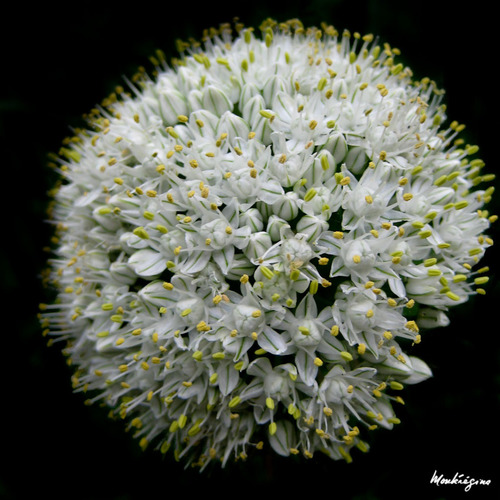
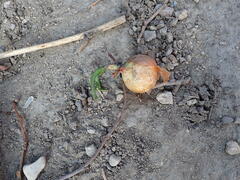

Common onion (Allium cepa) is a biennial vegetable in the Amaryllidaceae, usually grown as an annual for its fleshy bulb. Long domestication in Central Asia produced what is now the world’s most widely cultivated Allium. Hollow tubular leaves and a bulb of concentric fleshy layers make it a familiar vegetable-garden crop.
Read moreCommon onion, Onion, Garden onion and Bulb onion


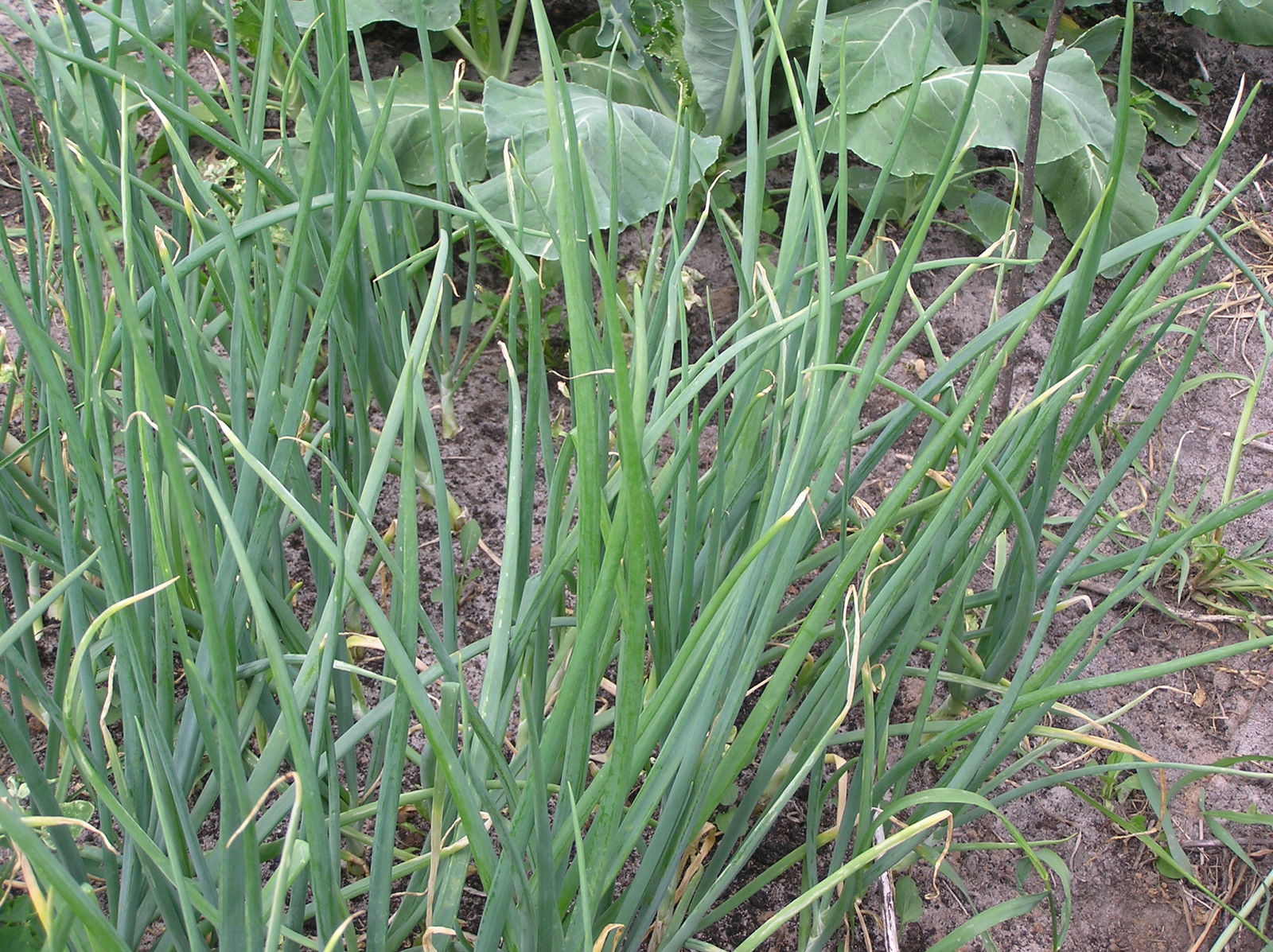
© photo
(c) Monteregina (Nicole), some rights reserved (CC BY-NC-SA) · cc-by-nc-sa
iNaturalist User · cc-by
Wikimedia Commons · CC BY-SA or Public Domain
Taken Aug 23, 2022 by Joseph Dupont (cc-by-sa)
Taken Jun 16, 2022 by Kendall Thorman (cc-by-sa)
Taken May 25, 2022 by Carla farias (cc-by-sa)
Taken Jun 22, 2021 by kirin peagler (cc-by-sa)
Taken May 26, 2021 by Awal Gul Sahil Sahil (cc-by-sa)
© copyright of the Board of Trustees of the Royal Botanic Gardens, Kew.




Global distribution
Allium cepa is a cultigen unknown in a strictly wild state. Domestication began millennia ago in Central and Southwest Asia, and cultivation spread to temperate and warm regions worldwide. Occurrence records describe cultivated plants rather than spontaneous wild flora.
Identity
Common onion (Allium cepa L., 1753) is a vegetable in the genus Allium, family Amaryllidaceae. The world’s most widely cultivated onion species, it is grown for its fleshy bulb, made of concentric layers at the leaf bases. Unknown in a strictly wild state, it is a cultigen shaped by long domestication. 1 4
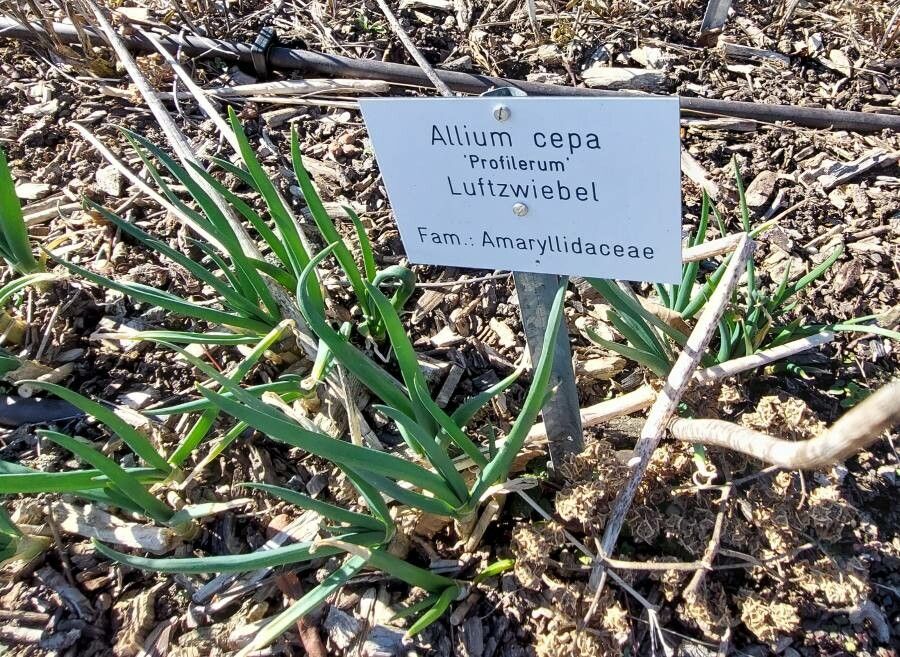
In the vegetable garden it is biennial, usually grown as an annual: the bulb is harvested in the first year, before flowering. Names such as common onion and garden onion distinguish it from other culinary Allium, including garlic, shallots and leeks. 2 3
Recognition
The bulb is rounded, sometimes flattened or elongated, enclosed in dry, papery yellow, red or white skins, depending on variety. Inside are concentric fleshy layers, the swollen bases of leaves. 3 5
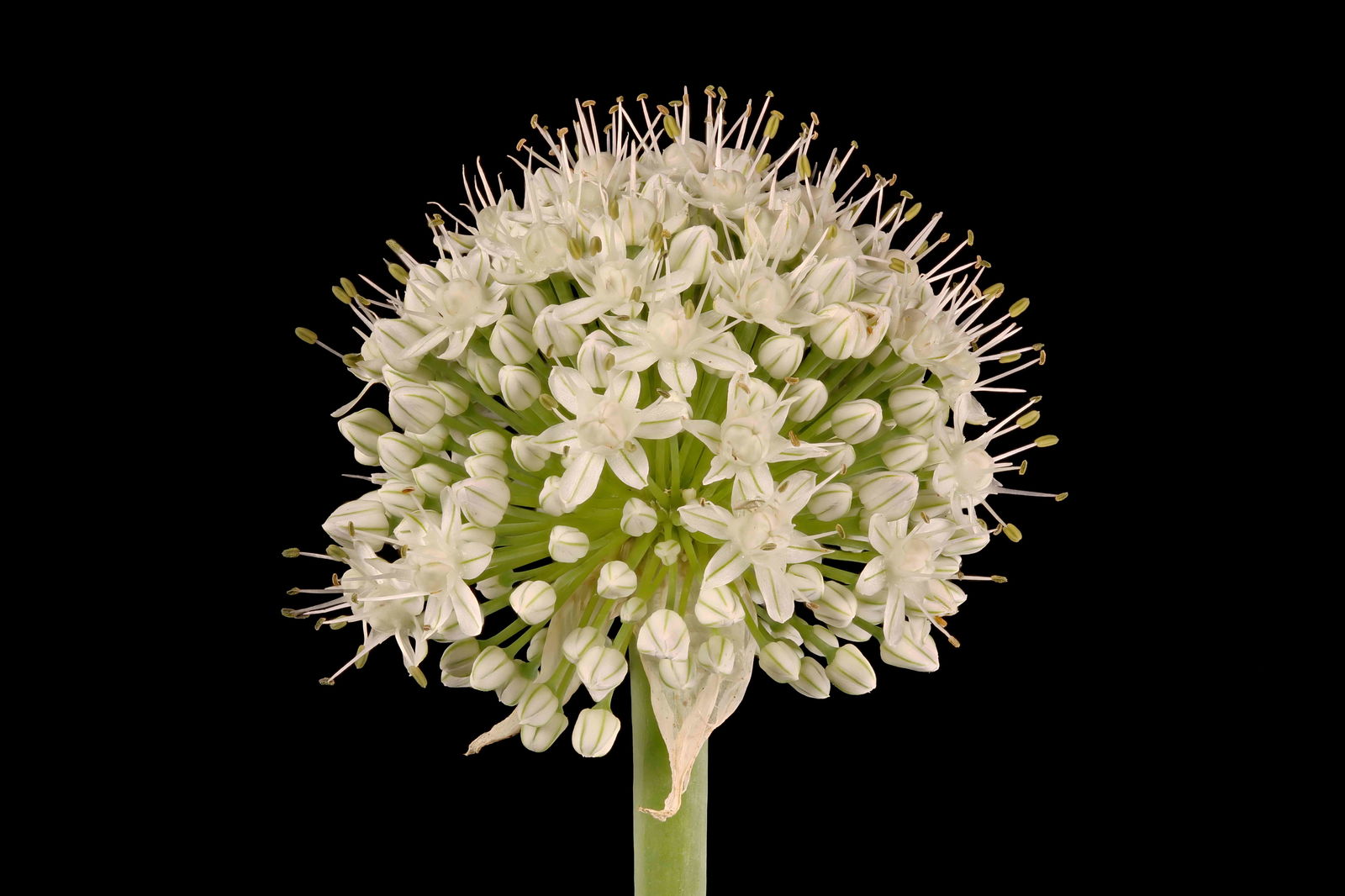
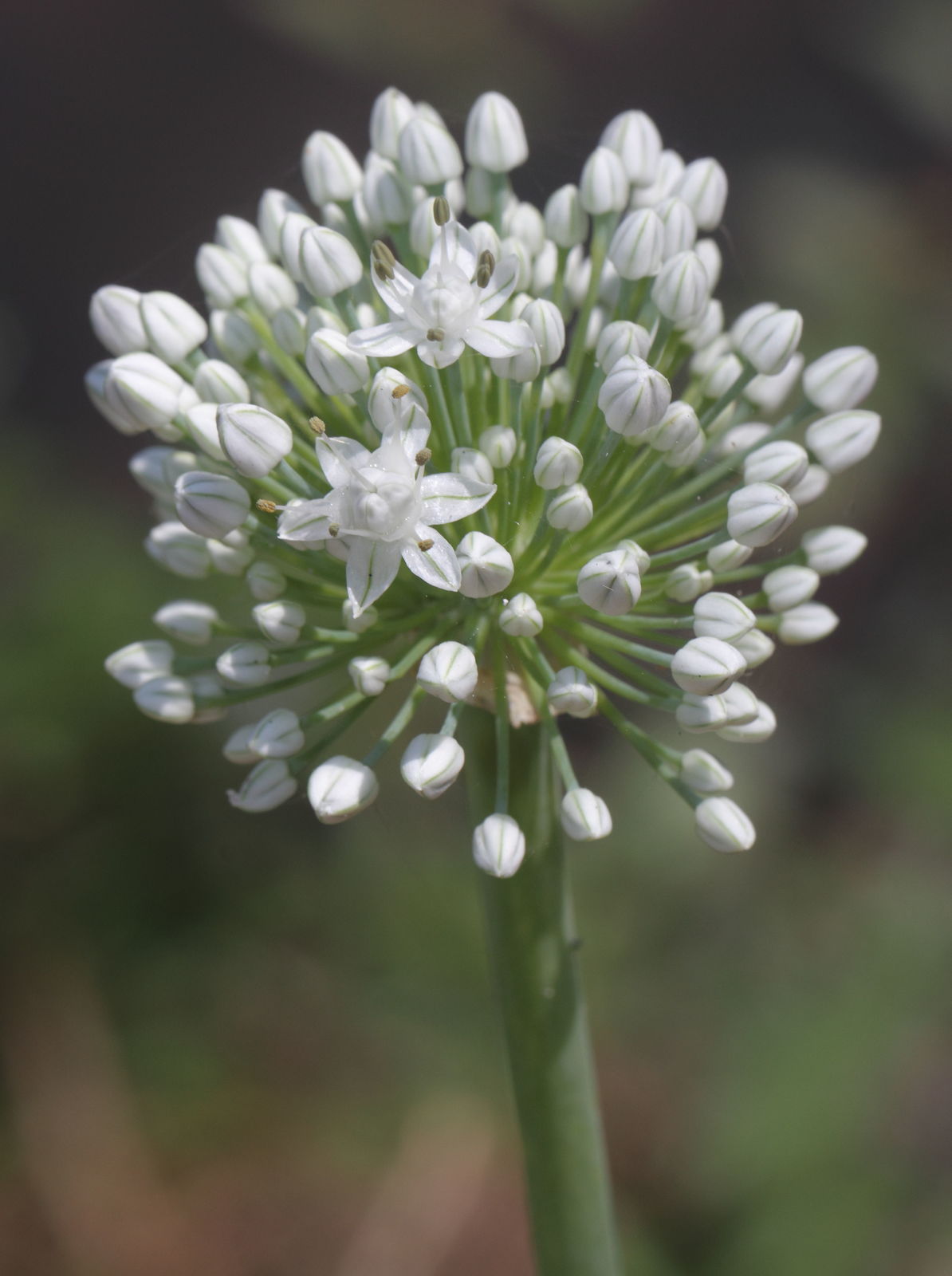
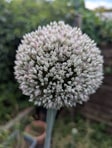
Blue-green leaves are tubular and hollow, upright at first and falling over at maturity. Foliage commonly stands 30–60 cm (12–24 in) tall. In its second year, the plant produces a hollow, swollen flower stalk taller than the leaves, sometimes exceeding 1 m (3.3 ft), topped by a spherical umbel of small greenish-white flowers. 4 6
Cutting a leaf or bulb immediately releases a pungent sulfurous odor, the chemical signature of the genus Allium. 4
Outer skin color and bulb shape vary greatly, from regular globes to distinctly flattened or top-shaped bulbs. These varietal differences do not change the concentric layers, hollow leaves or smell that characterize the species. 6 3
Useful taxonomy
Linnaeus described Allium cepa L. in 1753. Numerous older names and horticultural group names remain in use. Important examples include:
- Cepa esculenta Gray
- Cepa alba P.Renault
- Cepa rubra P.Renault
- Allium cepa var. aggregatum G.Don
- Allium ascalonicum auct.
The aggregatum group brings together clove-forming types such as shallots, once treated as a separate species before inclusion in Allium cepa. The accepted scientific name remains the stable reference: vegetable variety names denote cultivated selections rather than separate botanical species. 1 5
Habitat and distribution
Allium cepa does not occur in nature as a wild species. It is a cultigen, a plant known only in cultivation. Domestication began millennia ago in Central Asia and Southwest Asia, the probable home of ancestral forms. 1 4
From there, cultivation spread around the Mediterranean and then throughout the world’s temperate and warm regions. Onions grow in vegetable beds and large market-garden fields on loose, drained soil in full sun. 3 6
Its occurrence represents deliberate sowing or planting. Onion scarcely naturalizes and is absent from spontaneous wild flora, unlike wild species. 5 1
Life cycle and reproduction
Like all Allium, onion bears an umbel atop a hollow flower stalk. Each contains many small, hermaphroditic greenish-white flowers pollinated by bees and other insects. Flowering occurs in early local summer, generally during the second growing year. 4 5
Fertilized flowers produce small angular black seeds. Vegetable growers harvest bulbs before bolting. Bulb formation responds to day length, with swelling accelerating as days lengthen and the plant receives full sunshine. 5 6
Propagation is by seed, sown in local spring directly or under cover from late winter in the temperate setting described, or by planting small bulbs called sets. Clove-forming aggregatum types are propagated by division. Harvest follows 100–150 days after sowing, depending on variety and climate; yellowing, fallen foliage indicates maturity. 3 2
Uses and risks
Use is chiefly culinary. Bulbs are eaten raw or cooked, and young leaves serve as spring onions. Valued more for flavor than nutrient content, onion features in countless dishes, from soups to stews. Cutting releases volatile sulfurous oil that forms airborne irritants, causing tears without harm to humans. 4 5
The same sulfur compounds are dangerous to several domestic animals. The ASPCA lists onion as toxic to cats, dogs and horses. Raw, cooked or powdered bulb can destroy red blood cells and cause hemolytic anemia. Never give those animals leftovers containing onion, and keep peelings out of reach. 7 8
Varieties, lookalikes and related plants
Onion varieties are cultivated selections, rather than separate species. Jaune paille des Vertus and De Roscoff are storage onions; Rouge de Florence has sweet elongated bulbs; Blanc hâtif de Paris is harvested young as a spring onion. When buying seed or sets, check type, earliness and storage qualities.
The commonest lookalikes are other culinary Allium:
- Allium sativum, garlic, with a bulb divided into cloves;
- Allium porrum, leek, with flat leaves and no distinct bulb;
- Allium schoenoprasum, chives, finer and grown for their leaves.
A rounded bulb with concentric layers, hollow tubular leaves and a sulfurous smell remain the most reliable features identifying the vegetable Allium cepa. 3 1
Main sources
- Plants of the World Online / Kew, Allium cepa L.
- Royal Horticultural Society, onions - grow your own
- Missouri Botanical Garden, Allium cepa
- Encyclopaedia Britannica, onion plant
- Plants For A Future, Allium cepa
- North Carolina State Extension, Allium cepa
- ASPCA, onion (Allium cepa) toxicity entry
- Merck Veterinary Manual, plants toxic to animals
Frequently asked questions
Are onions toxic?
The bulb and leaves are edible for humans; sulfurous oil released when cutting briefly irritates the eyes. The ASPCA nevertheless lists onion as toxic to cats, dogs and horses, whose red blood cells can be damaged by sulfur compounds, causing anemia.
Why do onions make you cry?
Cut bulb tissue releases volatile sulfur compounds into the air. They reach the eyes and trigger tears. This is uncomfortable but harmless to humans.
When are onions ready to harvest?
Harvest generally falls 100–150 days after sowing, depending on variety. The most reliable sign is foliage turning yellow and falling over. Lift the bulbs and leave them to dry in dry conditions.
How much sun do onions need?
Full sun is essential. Bulb formation depends on day length and received light. In shade, plants produce many leaves but small, poorly firmed bulbs.
What plants are confused with onion?
Mostly other culinary Allium, such as shallots, bunching onions and leeks. A rounded bulb with concentric layers and a sulfurous smell are the best distinctions.
Where did cultivated onion originate?
It is a cultigen unknown in a strictly wild state, resulting from ancient domestication in Central and Southwest Asia. It is now grown in temperate and warm regions worldwide.
Do onions need much watering?
Moderate watering during growth is enough. Excess water rots the bulb. Reduce watering as harvest approaches so bulbs develop and store better.
Similar plants
If you are unsure about a plant’s toxicity, ask a botanist or veterinarian for advice.