
Australian cow-plant (Gymnema sylvestre, )
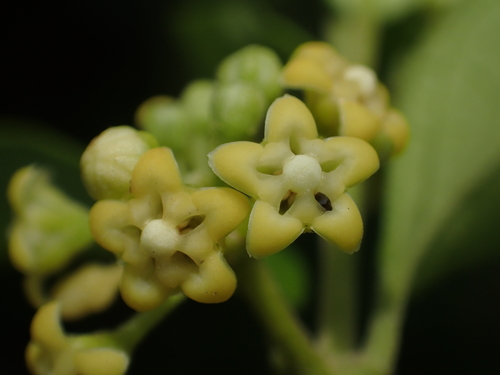
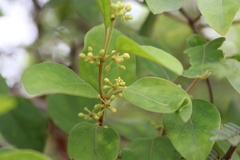

Australian cow-plant (Gymnema sylvestre) is a perennial woody climber in the Apocynaceae, native to seasonally dry tropical and subtropical regions of Africa, Arabia, India and Southeast Asia through to Australia. Its bitter leaves temporarily suppress sweet taste when chewed or infused, explaining the Hindi name meaning sugar destroyer. Used for centuries in Ayurvedic medicine against diabetes, it is studied for its triterpenoid saponins, the gymnemic acids.
Read moreAustralian cow-plant, Gymnema, Gurmar and Periploca of the woods
Allow a few hours of direct sun per day, preferably morning or evening.
Full sun to light partial shade
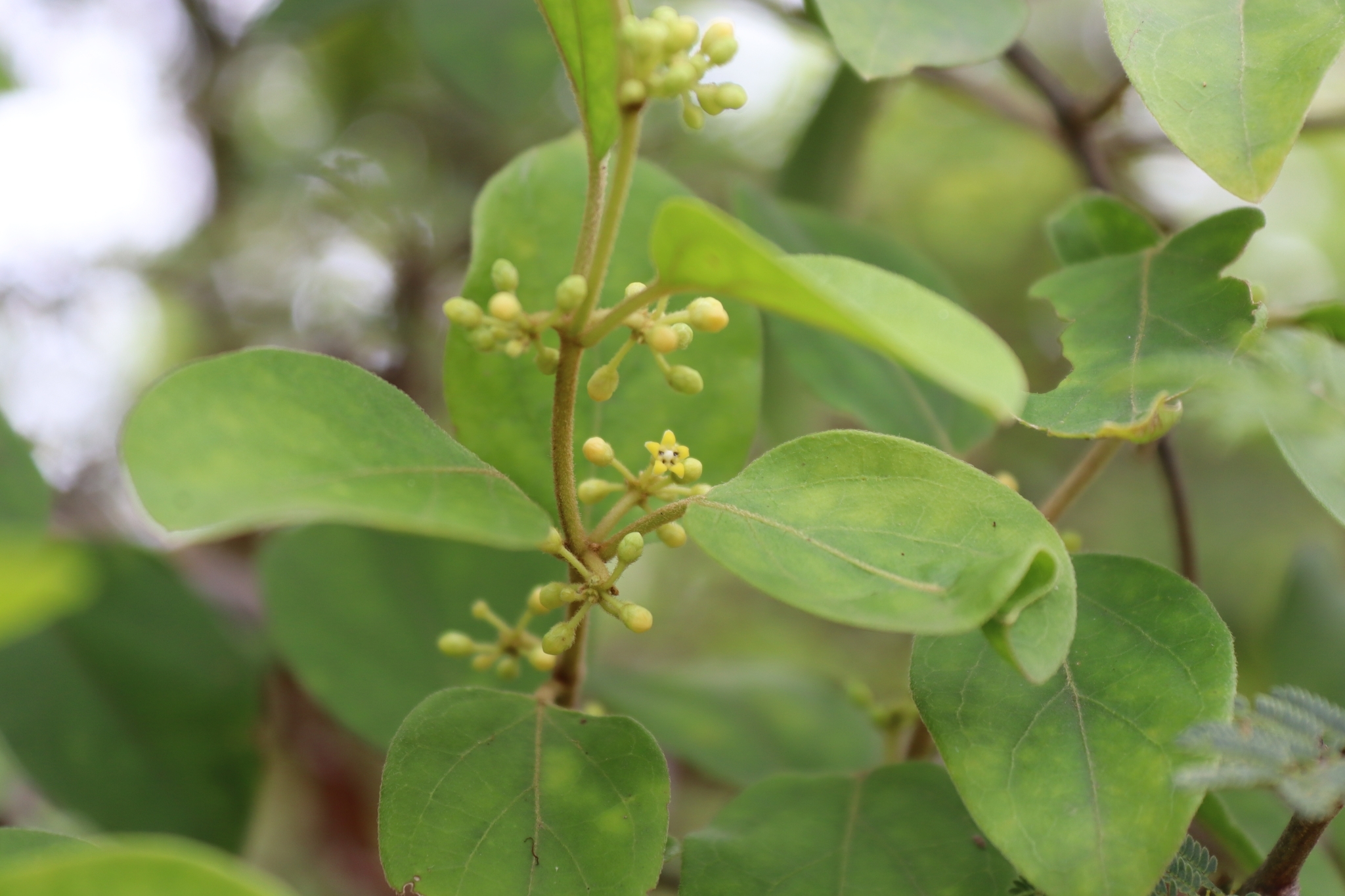


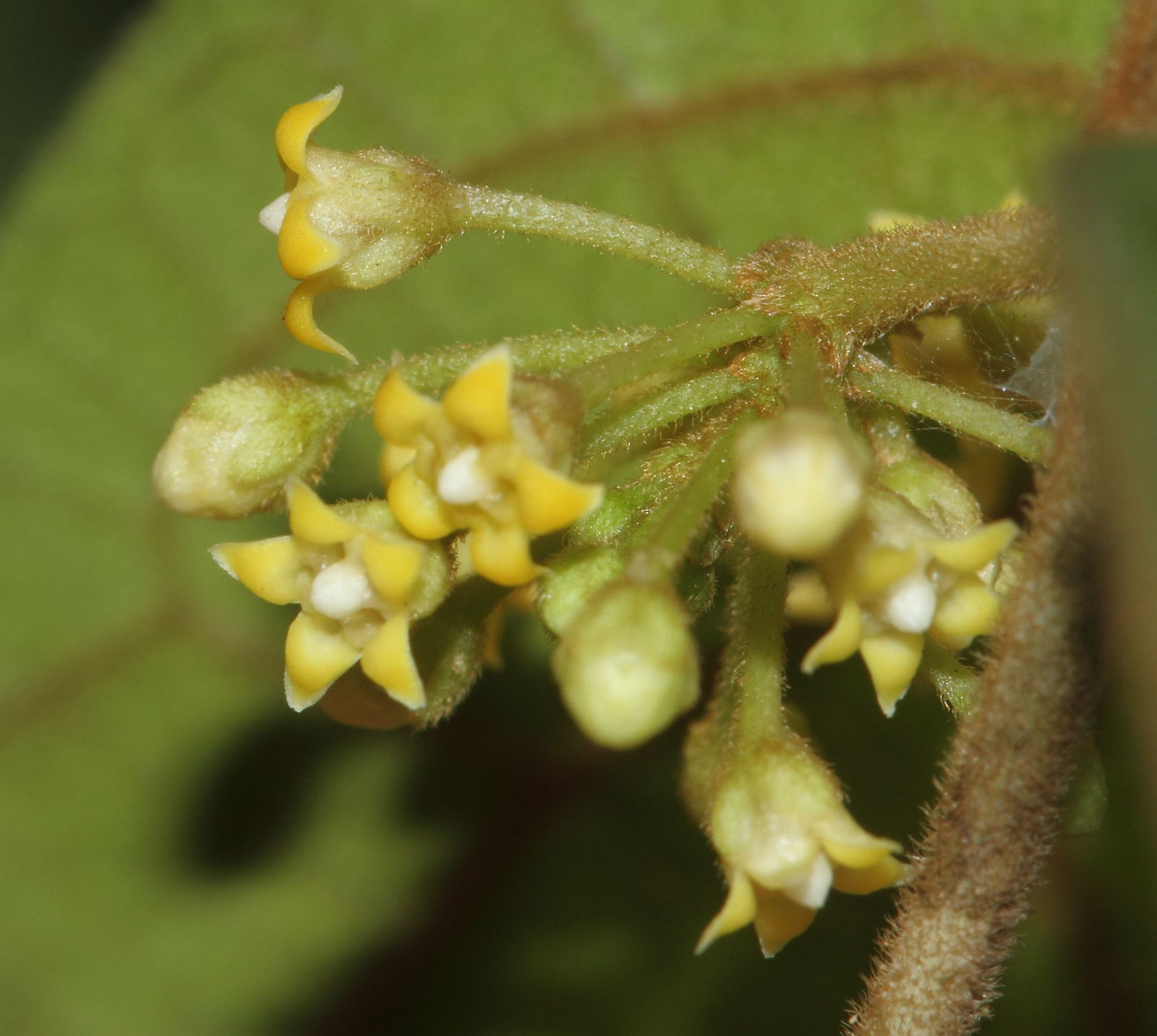
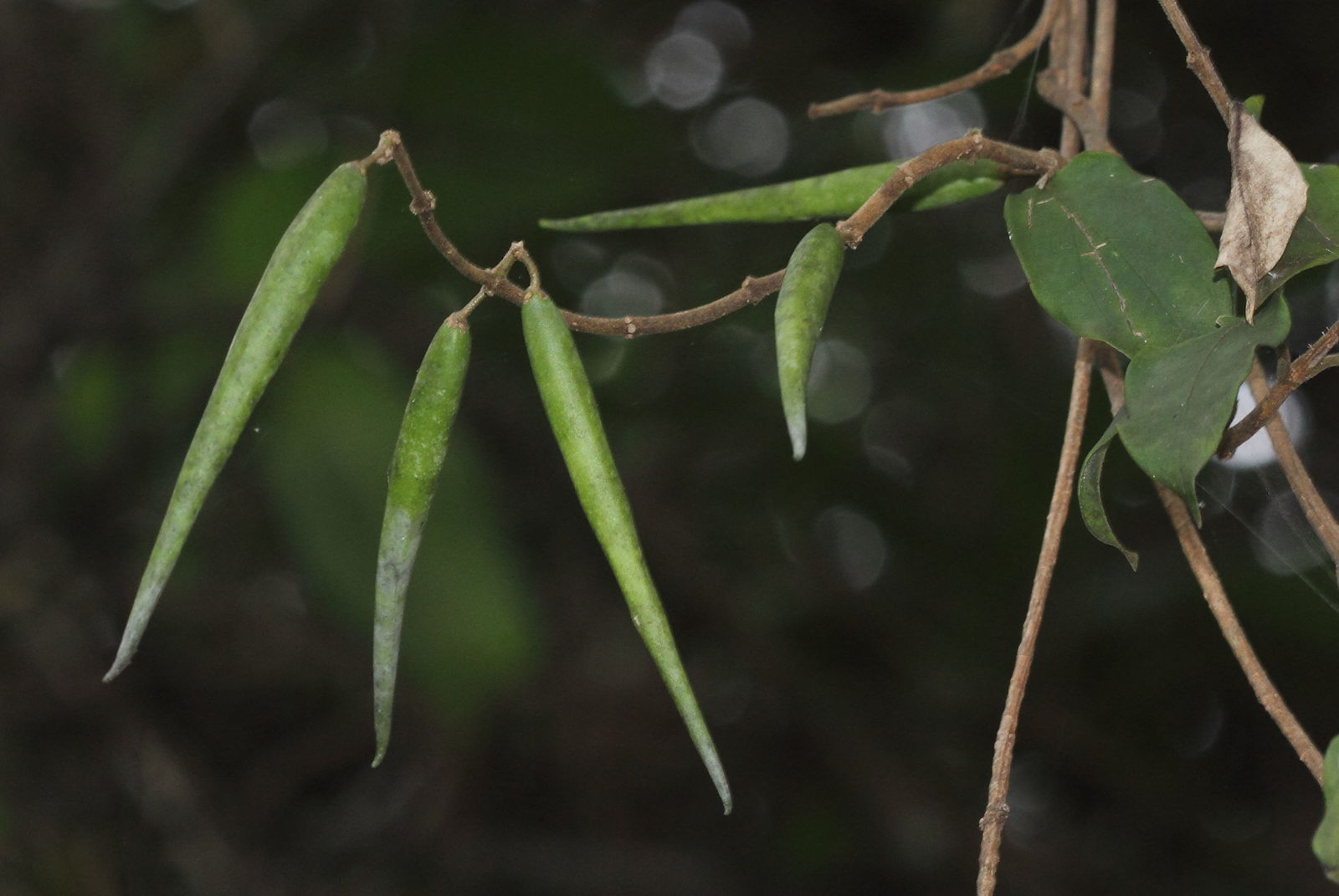
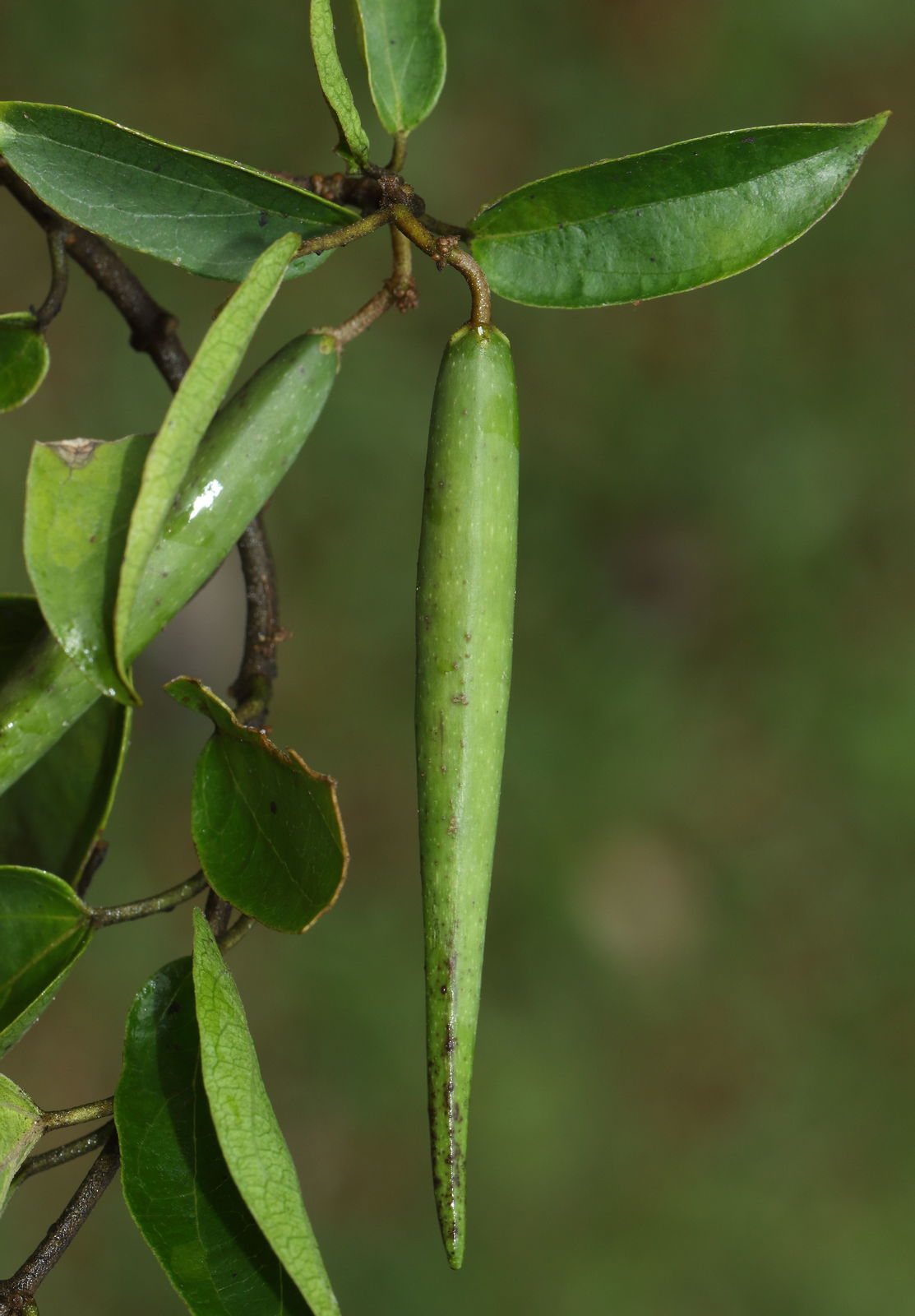
© photo
no rights reserved, uploaded by 葉子 · cc0
Vikas D Prasad · cc-by-sa
Wikimedia Commons · CC BY-SA or Public Domain
Taken Nov 22, 2022 by cm Tseung (cc-by-sa)
© copyright of the Board of Trustees of the Royal Botanic Gardens, Kew.


Global distribution
Gymnema sylvestre is native across much of the tropical and subtropical Old World, from West Africa to Australia through Arabia, India and Southeast Asia. Outside its native range it is mainly cultivated for medicinal or food uses, with no documented naturalization in temperate climates.
- Native7
- India
- Sri Lanka
- Southern China
- Vietnam
- Ethiopia
- South Africa
- Australia
Hexagons: regions where the plant occurs. Green dots: native range.1
Identity
Australian cow-plant (Gymnema sylvestre (Retz.) R.Br. ex Sm., 1811) is a perennial woody climber in the Apocynaceae, subfamily Asclepiadoideae. The genus name combines Greek gymnos, naked, and nēma, thread, referring to a bare, thread-like floral appendage. Latin sylvestre means of the forest. 1 2
Also known in English as gymnema, Australian cowplant and Periploca of the woods, it is widely sold as gurmar in the supplement trade. The Hindi name means sugar destroyer. Chewing the leaves suppresses sweet taste for 15 minutes to several hours, an unusual effect associated with more than two thousand years of Ayurvedic use against diabetes. 6
Recognition
Slender stems rising from a woody rootstock scramble along the ground or climb surrounding vegetation, commonly reaching 3 m (10 ft). Short hairs on the gray bark disappear with age. Injured parts release abundant milky latex, a feature useful in recognizing this group of plants but not unique to this species. 3 5
Opposite, simple leaves are oval to elliptical, 2–9 cm (0.8–3.5 in) long and 1–5.5 cm (0.4–2.2 in) wide. They are hairless above and variably hairy below. Small, scented, yellowish flowers, up to 1.5 cm (0.6 in) across, cluster in umbel-like cymes in the leaf axils and can appear through most of the year in tropical conditions. 3
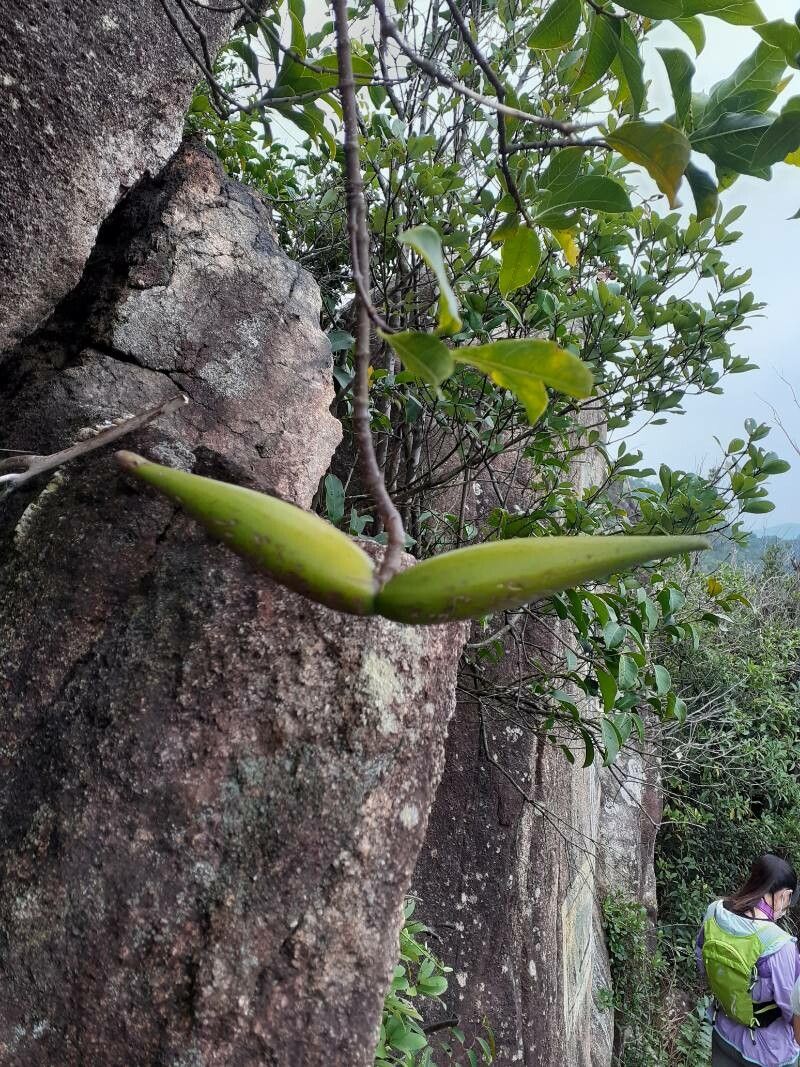
The fruit is a lance-shaped follicle, 5–10 cm (2–4 in) long, changing from pale green to beige or brown as it ripens. Inside are many flattened seeds with tufts of white hairs, as in many Asclepiadoideae. Foliage alone can resemble that of related climbers. Gymnemic acids can suppress sweet taste for 15 minutes to several hours, but this sensory effect is not a substitute for botanical identification. 8
Useful taxonomy
The POWO/WCVP name is Gymnema sylvestre (Retz.) R.Br. ex Sm., a combination published in 1811 from Periploca sylvestris Retz., originally described by the Swedish botanist Anders Jahan Retzius. Its extensive botanical synonymy includes:
- Periploca sylvestris Retz.
- Asclepias geminata Roxb.
- Marsdenia sylvestris (Retz.) P.I.Forst.
- Gymnema alterniflorum (Lour.) Merr.
- Gymnema affine Decne.
- Cynanchum lanceolatum Poir.
Three botanical varieties are sometimes cited: Gymnema sylvestre var. ceylanicum Hook.f., var. chinense Benth. and var. decaisneanum (Wight) Thwaites. None has a distinct horticultural status. The accepted scientific name is the useful reference for identifying the plant and preparations made from it. 1 4
Habitat and range
Its native distribution stretches across the tropical and subtropical Old World from West Africa toward the Pacific. It includes tropical Africa south to Ethiopia and southern Africa, the Arabian Peninsula, the Indian subcontinent, Sri Lanka, southern China, the Ryukyu Islands, Southeast Asia and tropical Australia. 1 5
Dry thickets, forest margins and scrubby savannas in seasonally dry regions provide its usual habitats. Without support it remains low and bushy; with a neighboring shrub or a stake it climbs into the light. Outside its native range it is chiefly grown commercially for its leaves. Reported Japanese consumption for weight-loss purposes is about 50 metric tons (55 US tons) of dried leaves annually. 7 3
Life cycle and reproduction
Flowering is not confined to a narrow season. Tropical plants can bear small yellowish flowers through much of the year whenever vegetative growth allows. After pollination, follicles ripen over several weeks before splitting open. Their flattened seeds have a tuft of hairs that assists wind dispersal. 3
Cultivation generally favors stem cuttings with a node over seed. A cutting taken from semi-ripe growth during the growing season produces a climbing plant in a few months. Seed germinates in one to three weeks, then passes through a slow juvenile stage before the plant begins climbing. Warmth and humidity support rooting; in temperate climates, cultivation requires a heated greenhouse or a very bright indoor position. 3
Uses and risks
Medicinal and food uses predominate. Young leaves are eaten as a bitter vegetable in West Africa and across much of Asia, while roasted fruits with the seeds removed are part of traditional food use in Namibia. Those uses concern particular plant parts and preparations rather than every possible product made from the vine. 3
Ayurvedic medicine has used leaves and roots for more than two thousand years against diabetes, cough, fever, snakebite and other complaints. These are chiefly ethnobotanical records. They do not amount to systematic clinical validation of every indication or justify replacing an established diabetes treatment. 6 7
Gymnemic acids can enhance the action of oral glucose-lowering medicines and insulin, with a risk of hypoglycemia. The reviews also describe a reported case of liver injury associated with use for diabetes; neither traditional use nor experimental animal studies establish general safety for pets. Safety during pregnancy and breastfeeding is unestablished. 7 6
Varieties, look-alikes and related plants
About thirty species belong to Gymnema. Some share medicinal or food uses, including Gymnema inodorum, grown as a leafy vegetable in Thailand, and Gymnema tingens, sometimes marketed under the same general gymnema name. A commercial name alone does not settle identity. Laboratory measurement of gymnemic acids is used to standardize extracts where substitution is a concern. 7
The English name miracle fruit creates a separate confusion. Although sometimes applied to gurmar, it primarily names Synsepalum dulcificum, a different plant that makes sour foods taste sweet, the opposite sensory effect. The two plants belong to different families and act on taste in different ways. 6
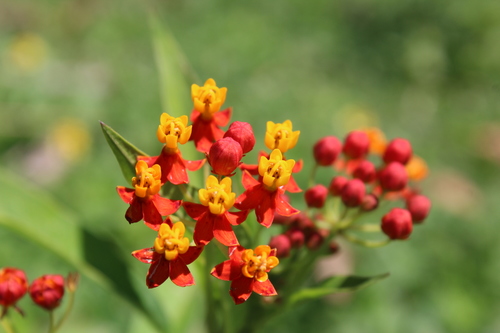
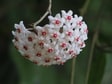
Other cultivated Apocynaceae, including Hoya carnosa and Asclepias curassavica, also have milky latex, follicles and tufted seeds. Their leaves can resemble those of gurmar, but neither produces the same suppression of sweet taste. Use foliage and reproductive structures for botanical identification; do not taste an unidentified climber.
Main sources
- Plants of the World Online / Kew, Gymnema sylvestre (Retz.) R.Br. ex Sm.
- International Plant Names Index, Gymnema sylvestre (Retz.) R.Br. ex Sm.
- Plants For A Future, Gymnema sylvestre
- Tropicos / Missouri Botanical Garden, Gymnema sylvestre
- USDA GRIN Taxonomy, Gymnema sylvestre
- Tiwari, Mishra & Sangwan, 2014, Phytochemical and Pharmacological properties of Gymnema sylvestre, BioMed Research International
- Khan et al., 2019, Comprehensive review on phytochemicals, pharmacological and clinical potentials of Gymnema sylvestre, Frontiers in Pharmacology
- Kurihara, 1969, Antisweet activity of gymnemic acid A1 and its derivatives, Life Sciences
Frequently asked questions
Is gurmar toxic?
Traditional use does not establish general safety for people or domestic animals. Reviews describe hypoglycemia and a reported case of liver injury. Combining gurmar with insulin or oral glucose-lowering medicines requires caution because their effects can be increased.
Is gurmar the same plant as miracle fruit?
No. Miracle fruit is sometimes used for gurmar, but it mainly names Synsepalum dulcificum, a different plant that produces the opposite effect by making sour foods taste sweet.
Why do gurmar leaves block sweet taste?
The leaves contain gymnemic acids, triterpenoid saponins that temporarily interact with taste receptors on the tongue and suppress sweet perception for several minutes to several hours.
Can gurmar replace diabetes treatment?
No. Ayurveda has used it for centuries against diabetes, but the available scientific reviews do not justify substituting it for supervised medical treatment.
How can Gymnema sylvestre be recognized?
It is a climber with opposite oval leaves, abundant latex, small yellowish flowers in cymes and lance-shaped follicles. Compare these features together; do not taste an unidentified climber to identify it.
Can gurmar be grown indoors in a temperate climate?
Yes, with plenty of light, winter temperatures above 10 °C (50 °F) and a very free-draining growing medium. It does not survive an outdoor temperate winter.
How long does gurmar’s effect on taste last?
Usually 15 minutes to about an hour in studies, with reports of longer persistence depending on concentration and individual sensitivity.
Similar plants

If you are unsure about a plant’s toxicity, ask a botanist or veterinarian for advice.