Stable cultivar
Bird’s nest snake plant Hahnii care
Dracaena trifasciata ‘Hahnii’
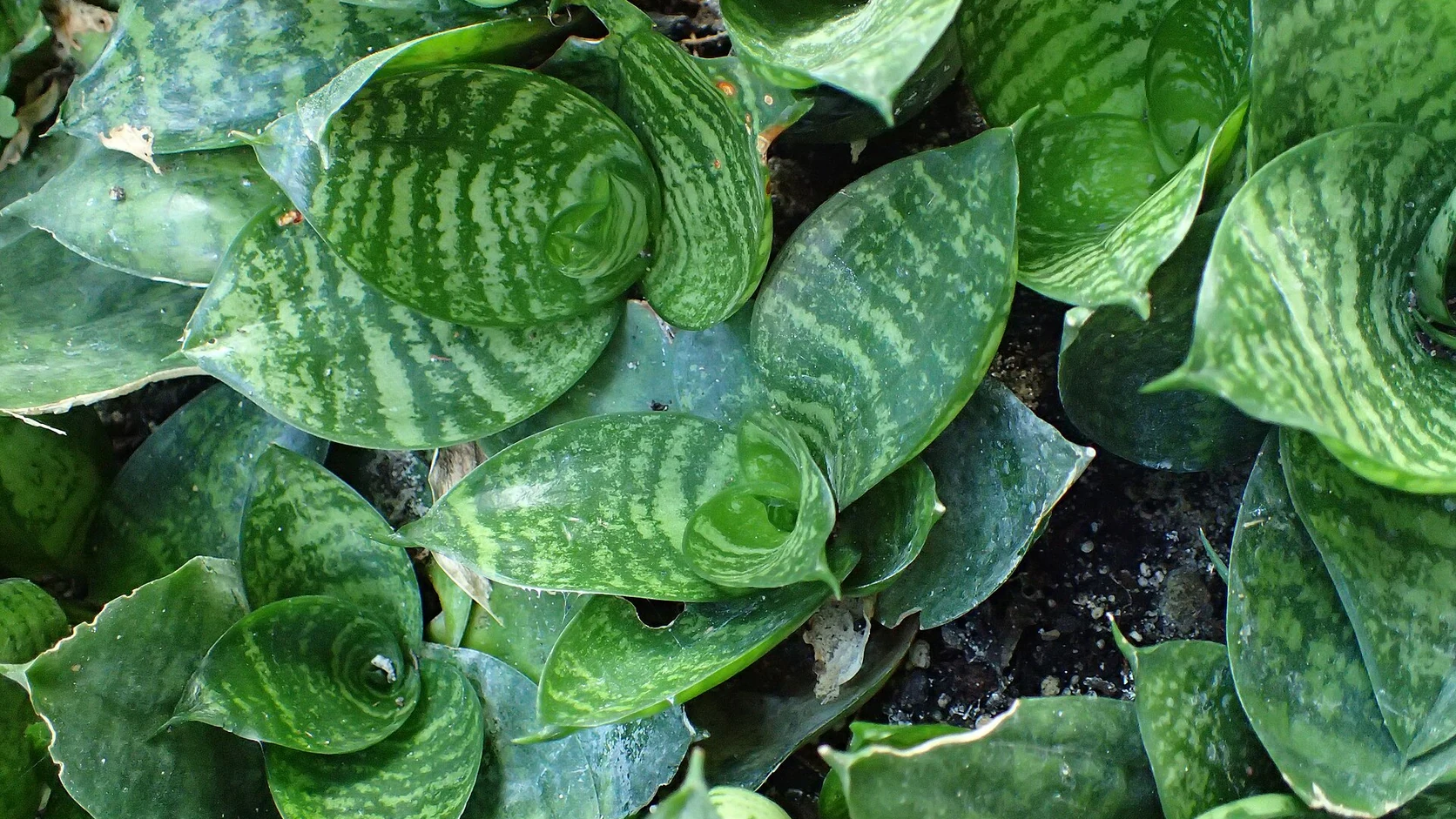
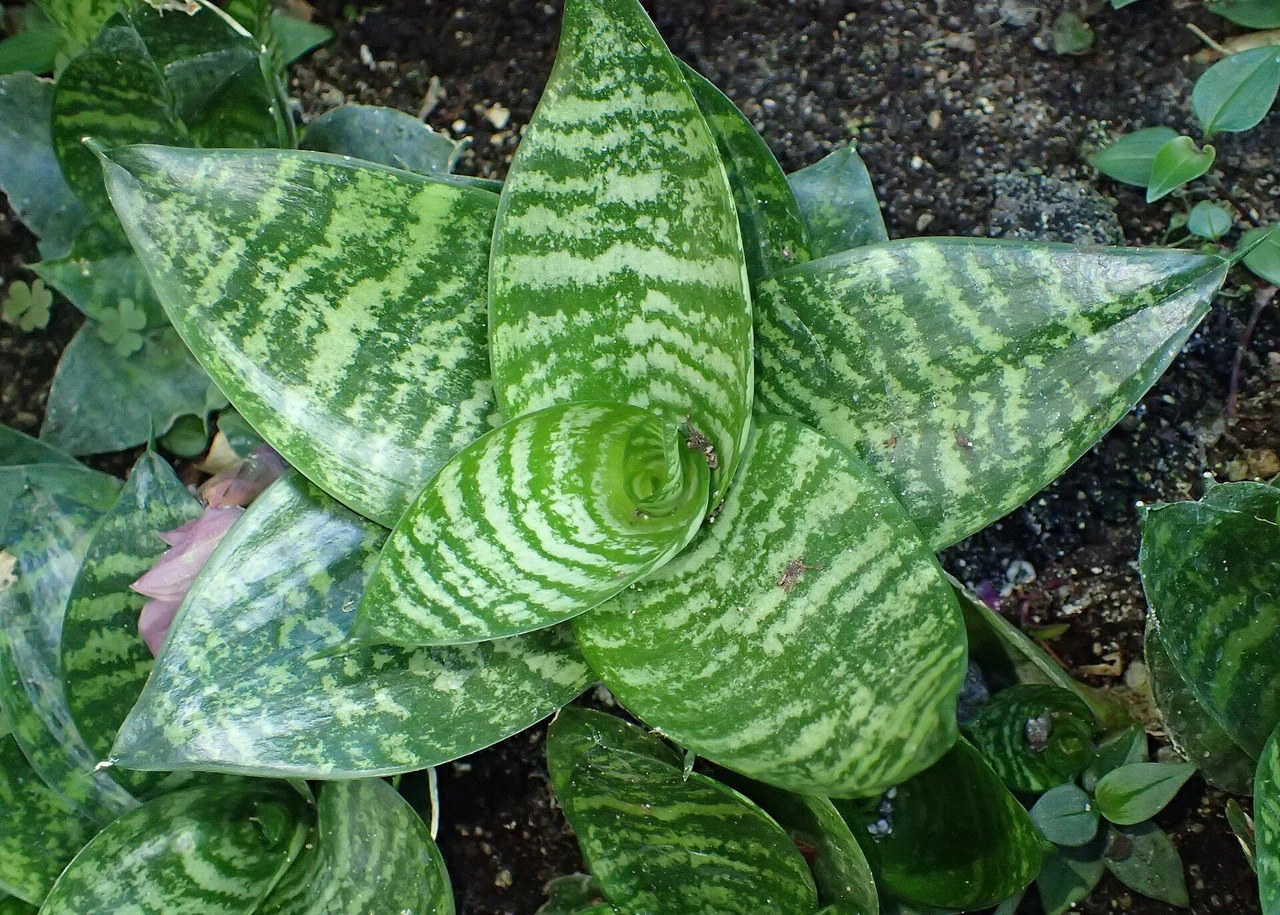
Hahnii snake plant forms a short, bird’s nest rosette instead of the species’ long, upright blades. Its compact size suits small spaces; its tightly packed crown calls for watering the soil, then letting it dry without standing water.
- A low rosette
- What changes
What changes
A low rosette
Height and spread reach 0.1 to 0.5 m (about 4–20 in), lower than the species’ upright habit.1
Tolerates a dimmer room
Hahnii tolerates low light; keep it somewhere with natural light.5
Recognising the low Hahnii rosette
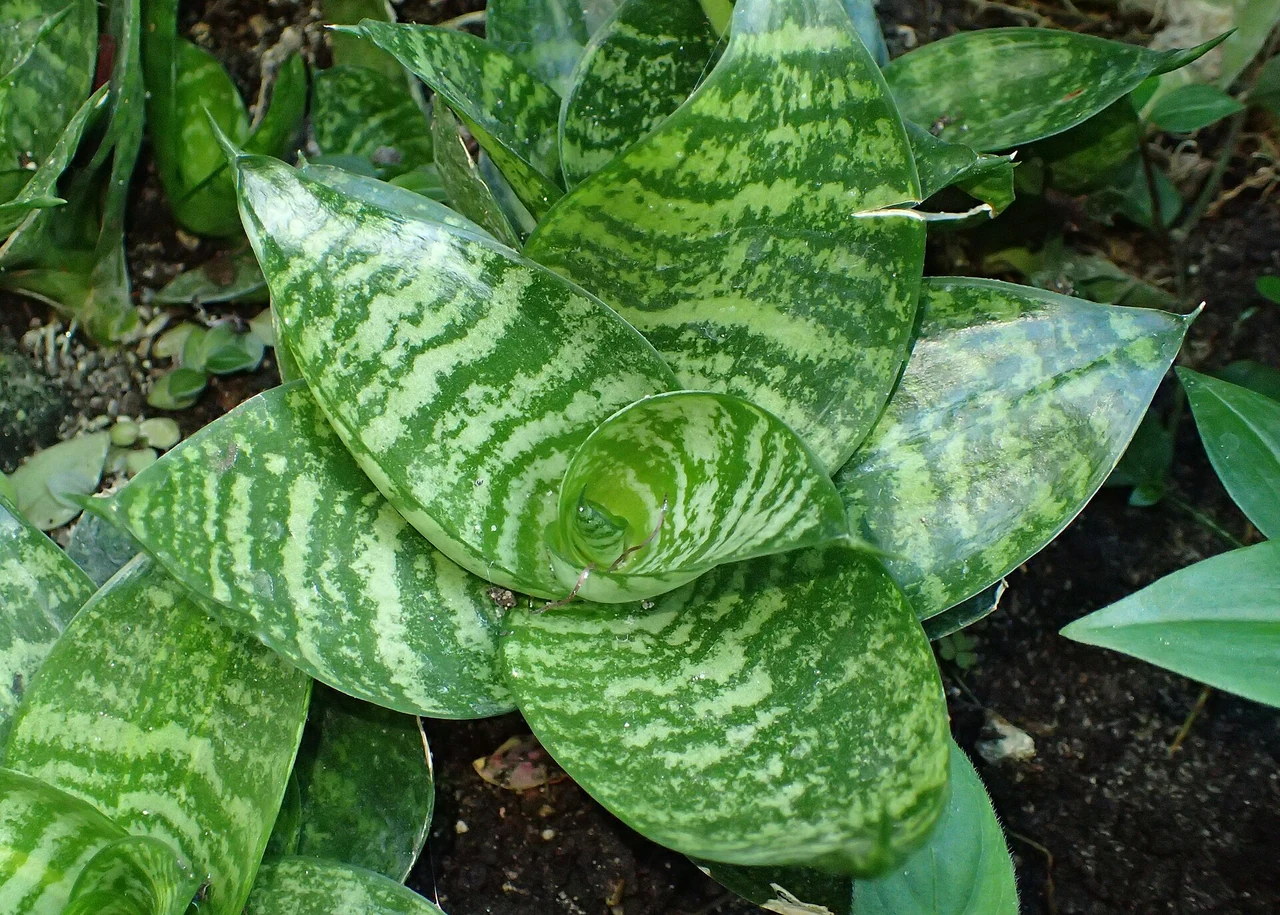
‘Hahnii’ forms a short, bird’s nest rosette, with dark green leaves striped horizontally in silver-grey1. Its 6 to 12 leaves form a low funnel instead of long, vertical blades2.
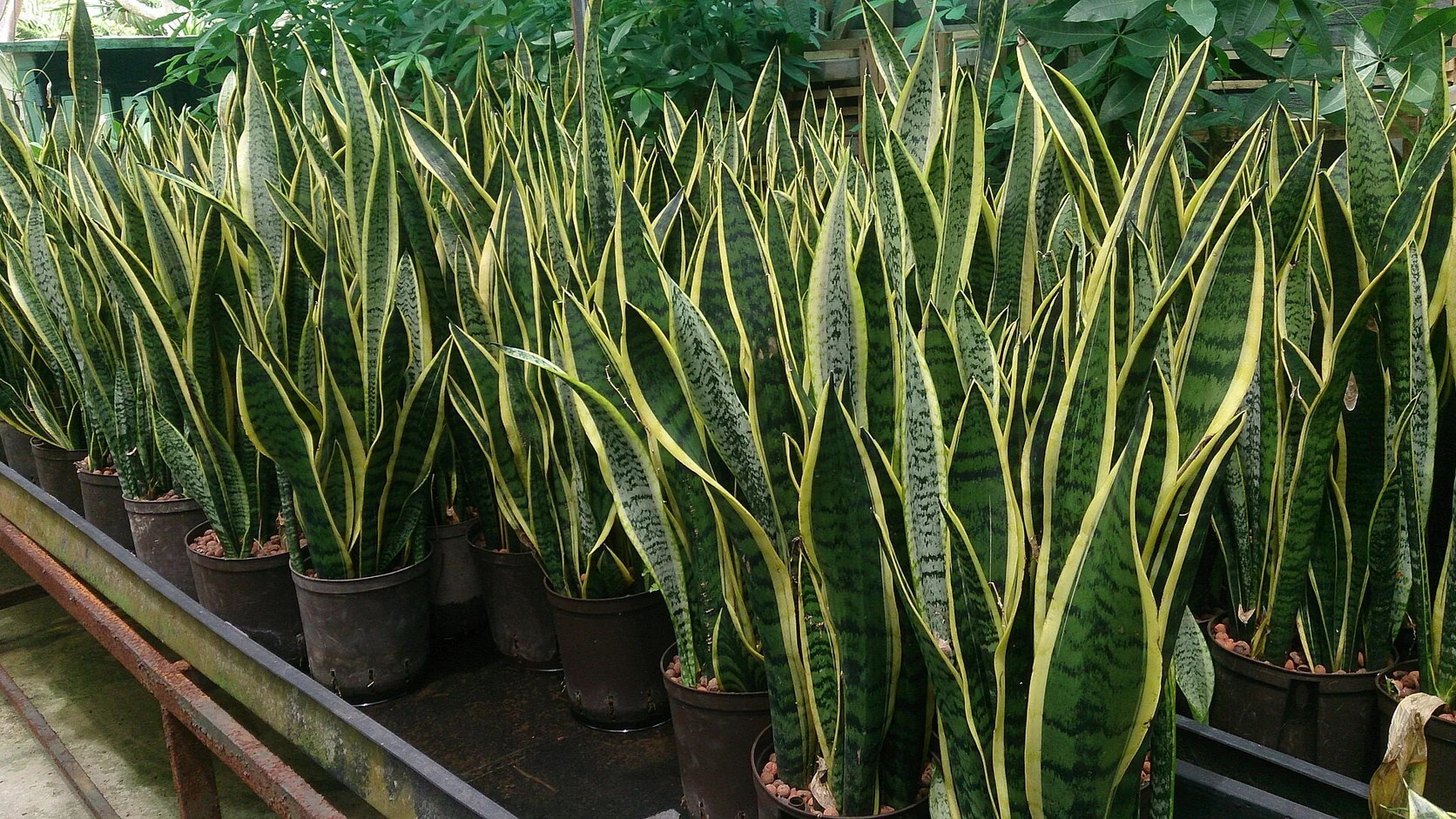
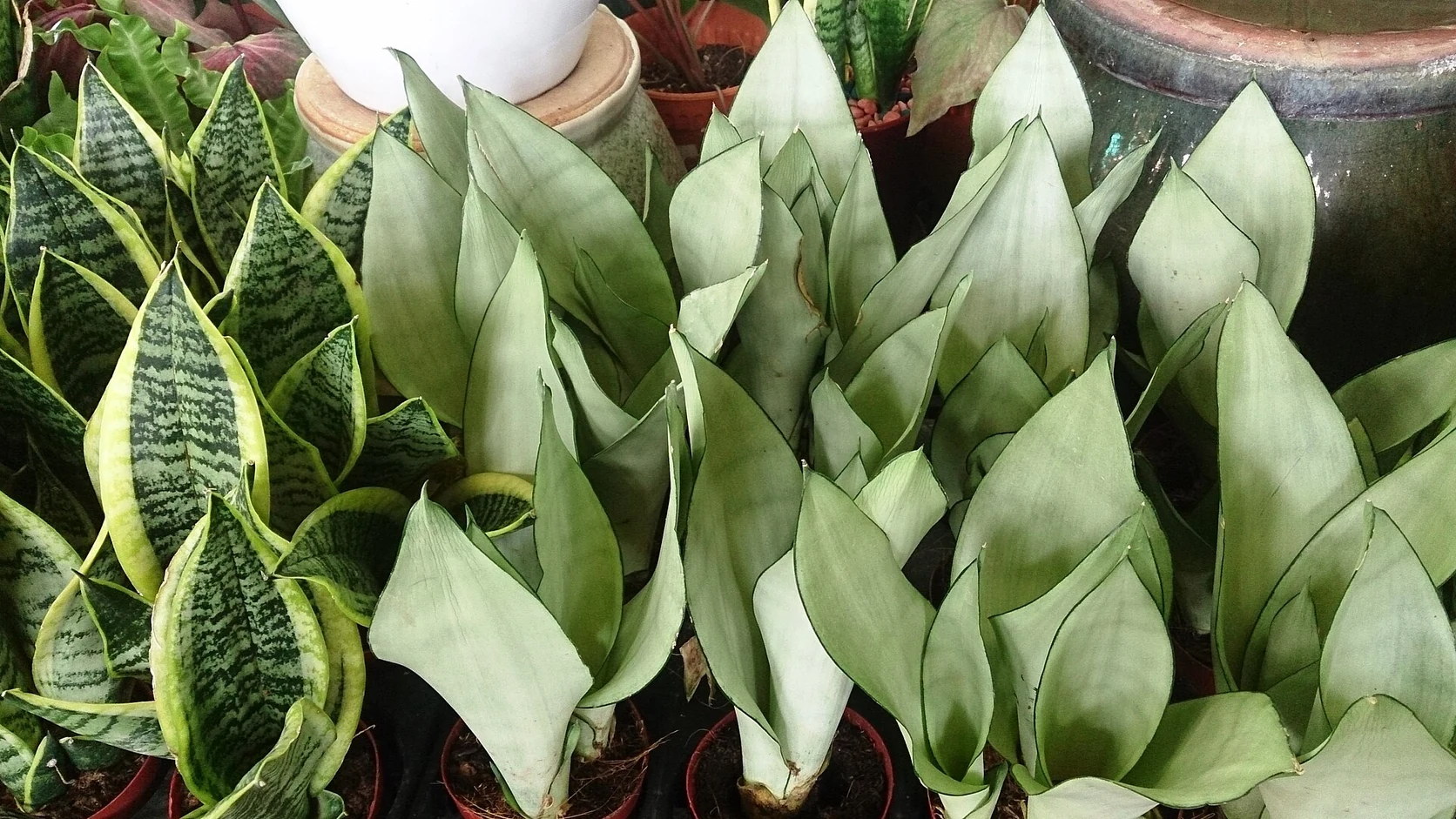
For long leaves with yellow margins, choose ‘Laurentii’; for upright silver blades, compare ‘Moonshine’34.
How much light does Hahnii need?
Green Hahnii tolerates a dimmer room, while also appreciating a bright, lightly shaded spot5. In summer, filter midday sun to protect its leaves from scorching5.
How to water without filling the crown
Pour water onto dry soil around the rosette, checking with a finger rather than following a fixed watering day5. Empty the saucer after 15 minutes: drained water needs to leave the pot6.
17 cL every 24 days
Water only once the potting mix is dry
Water once every one to two months
Keeping Hahnii warm in dry air
Keep Hahnii at 15 to 24 °C, in the low humidity of a living room5. Keep the leaves dry, without misting, with air circulating and away from cold draughts5.
Which pot and soil should you choose?
Repot when roots and rosettes fill or distort the container, using a pot with drainage holes that is only slightly larger5. Make the mix with 2 parts peat-free loam-based potting compost and 1 part fine horticultural grit5.
How to separate Hahnii offsets
Detach small, rooted rosettes in spring, between March and May in a northern temperate climate, keeping their section of rhizome5. Wait until an offset has 4 or 5 leaves before separating it, then plant it in a small, free-draining pot; wear gloves when cutting65.
Feeding the rosette and removing damaged leaves
Give liquid feed at half strength once a month during growth, from April to September in a northern temperate season65. Cut damaged leaves at the base, wearing gloves to keep sap off your skin5.
A tight rosette or collapsing leaves?
A funnel of 6 to 12 leaves is the normal Hahnii growth habit; a clump tipping over with softened bases calls for a check of its roots and soil moisture25. Inspect the folds at leaf bases too: cottony clusters may harbour mealybugs5.
The snake plant diagnosis guide helps distinguish overly wet soil, damaged roots and pests.
Hahnii care through the months
Reserve March to May for division if your spring follows a northern temperate calendar, then support growth with monthly feeding from April to September5. In winter, leave much longer between waterings, checking whether the rootball has dried before each one5.
| Task | January | February | March | April | May | June | July | August | September | October | November | December |
|---|---|---|---|---|---|---|---|---|---|---|---|---|
| Watering | reduced | reduced | high | high | high | high | high | high | high | high | reduced | reduced |
| Growth | resting | resting | resting | active | active | active | active | active | active | resting | resting | resting |
| Feeding | no | no | no | yes | yes | yes | yes | yes | yes | no | no | no |
| Repotting | no | no | favorable window | favorable window | favorable window | no | no | no | no | no | no | no |
Frequently asked questions
The bird’s nest shape is maintained by letting the rosettes develop freely.
Why does my Hahnii stay short despite growing new leaves?
Its dwarf habit belongs to the cultivar: leaves gather into a spreading rosette, reaching 0.1 to 0.5 m (about 3.9 to 19.7 in) tall at maturity1. Choose an upright form if you want tall, vertical blades.
When should you detach a small Hahnii rosette?
Can you water Hahnii by pouring water into its rosette?
Direct water onto the soil around the crown and let it drain freely5. The funnel shape leaves little room between the leaves: position the watering-can spout at the edge of the pot.