Stable cultivar
Laurentii snake plant care
Dracaena trifasciata ‘Laurentii’
Laurentii snake plant has the species’ upright leaves, edged in yellow. Give it bright light protected from scorching sun, let the soil dry and propagate it by division: a leaf cutting can lose the yellow.
- A tall outline
- What changes
What changes
Yellow margins
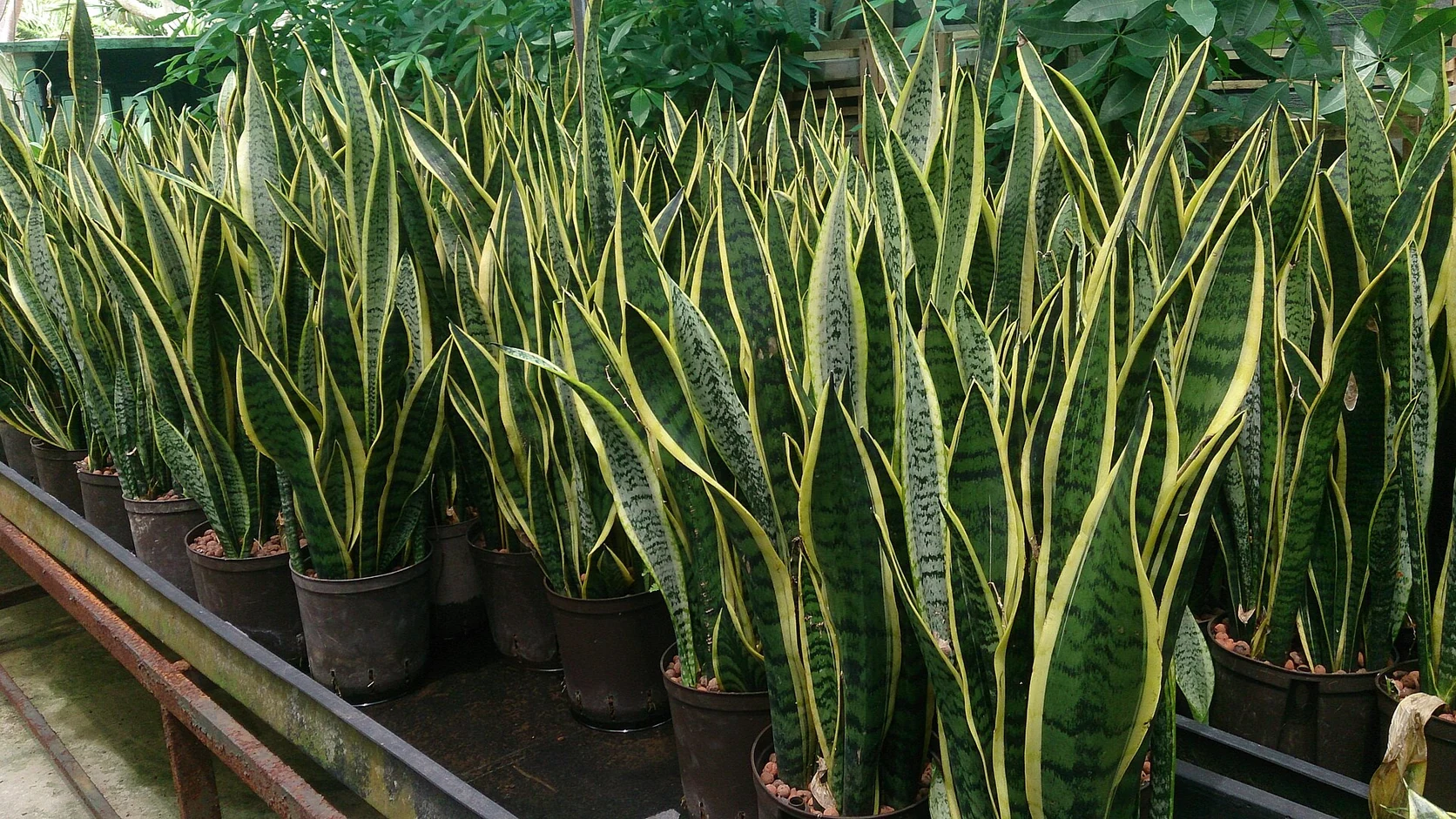
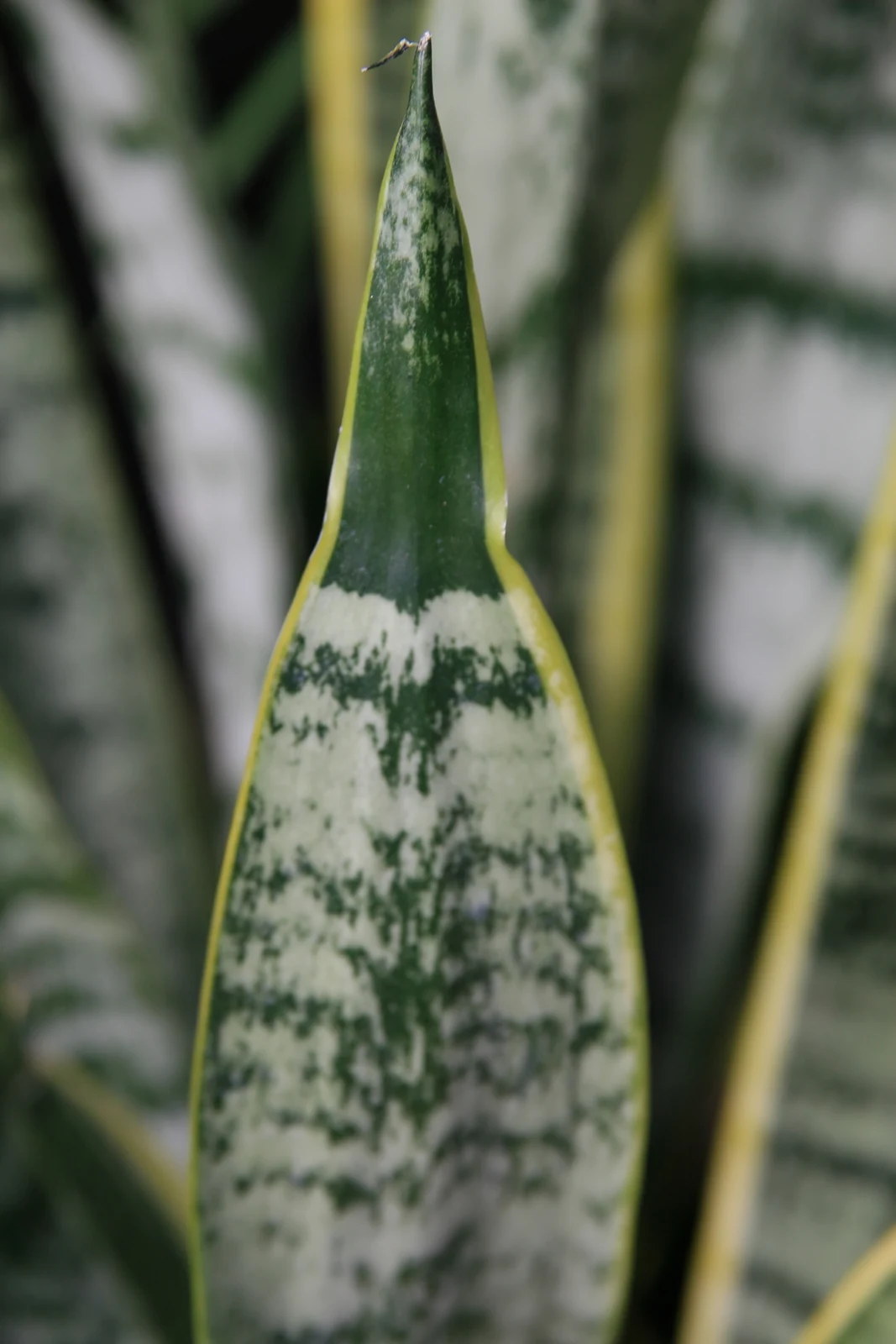
The mottled grey-green leaves have a creamy-yellow border, unlike the green form.1
A tall outline
The plant reaches 75 cm (about 30 in); its horticultural range is 0.5 to 1 m (about 20–39 in).1
Divide to keep the yellow
Leaf cuttings lose the variegated margins; division preserves the pattern.8
Leaves 2.5 to 7 cm (about 1–2¾ in) wide
Allow room for the long, upright blades, 2.5 to 7 cm (about 1–2¾ in) wide in the cultivar’s botanical description.2
Check the Compacta name
Laurentii Compacta is darker and reaches about two thirds the height of Laurentii.5
Consistently bright light
Provide consistently bright, indirect light to maintain the golden contrast.
Reduced growth
Growth is slower than in the green form: feed more lightly.
Recognising Laurentii and allowing room for it
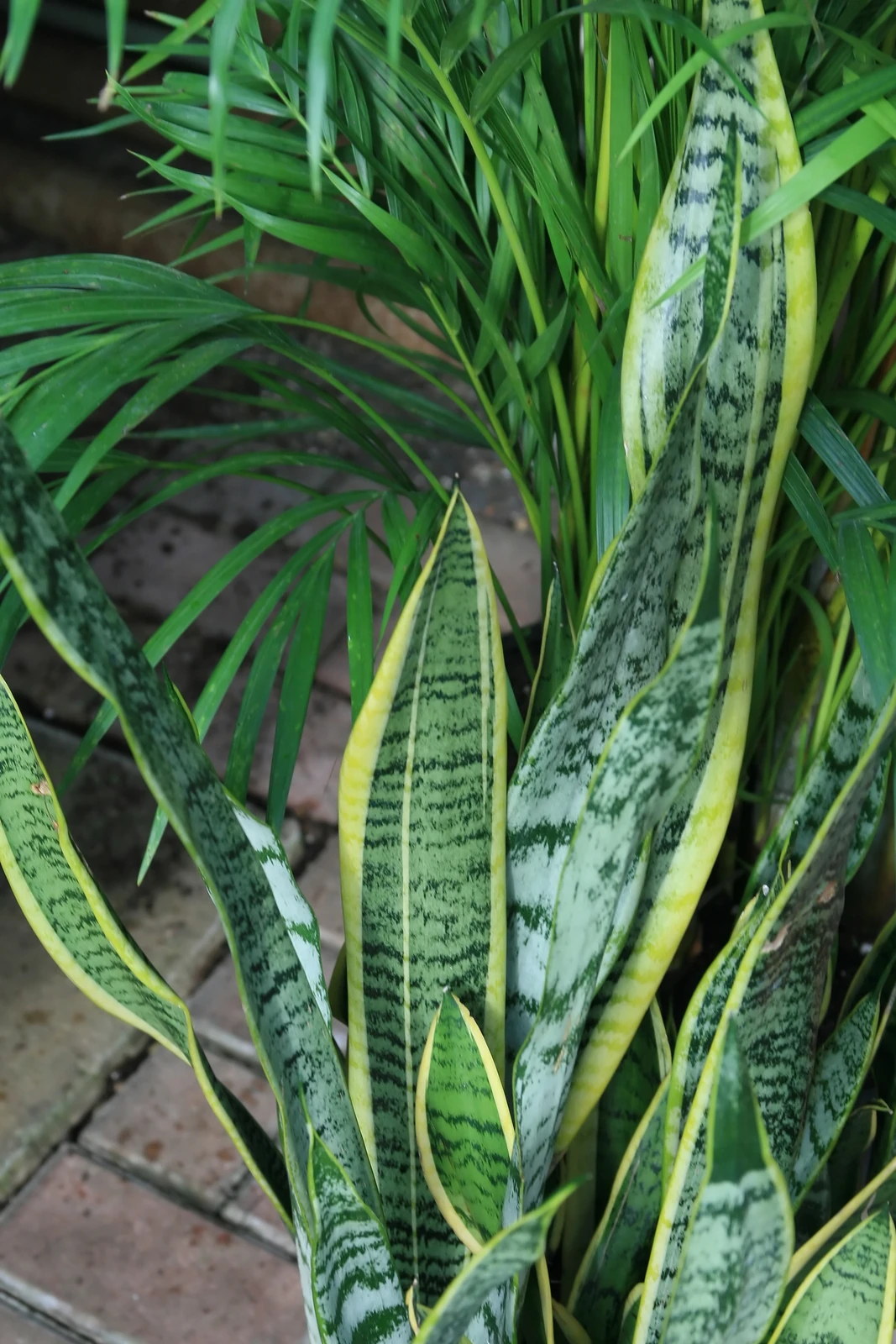
‘Laurentii’ has long, upright leaves, mottled grey-green and edged in creamy yellow. The horticultural description gives a height of 75 cm (about 29.5 in), with a range of 0.5 to 1 m (about 1.6 to 3.3 ft) tall and 0.1 to 0.5 m (about 3.9 to 19.7 in) in spread1. Choose a spot where the leaves can stand upright freely.
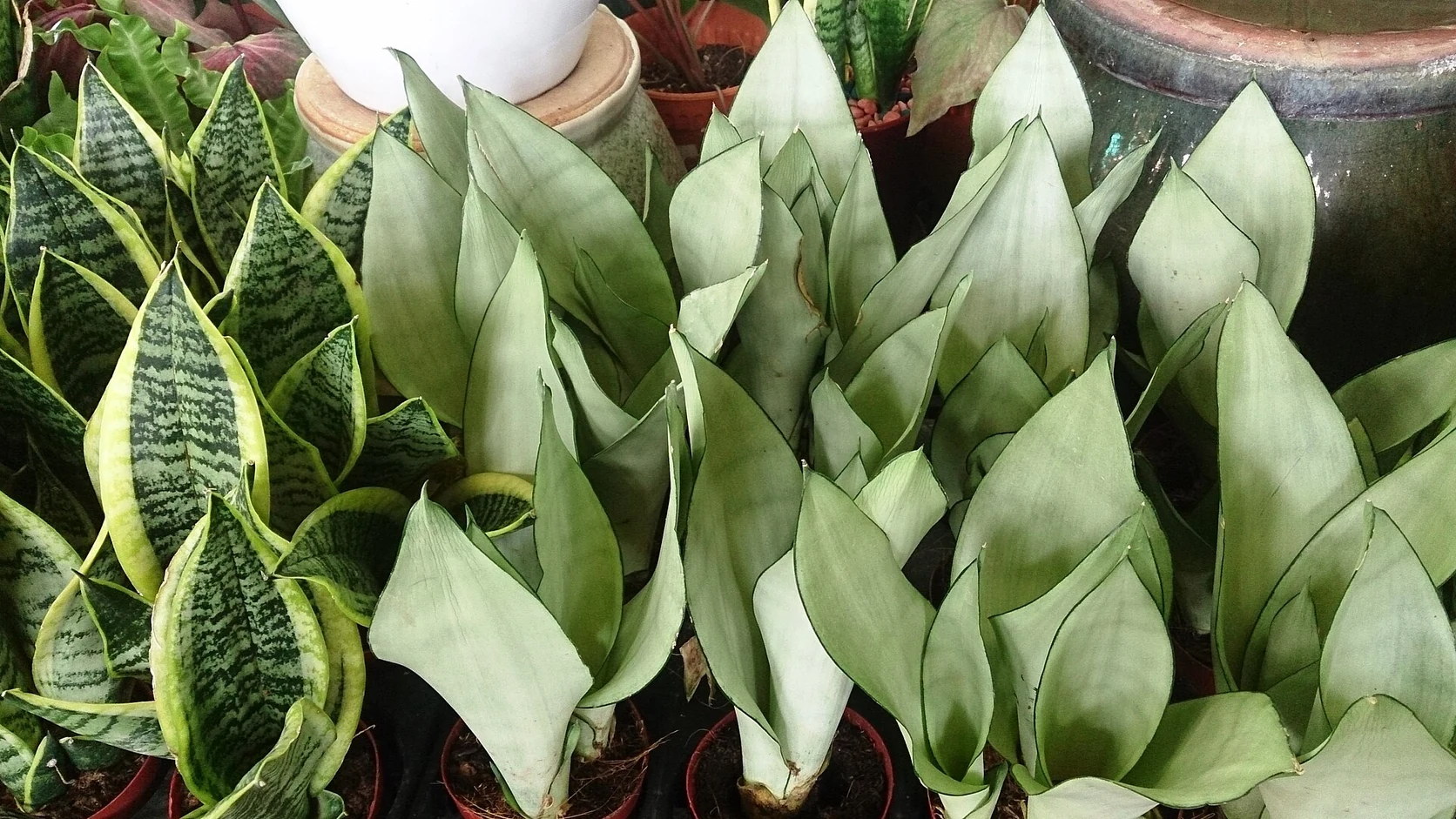
The leaf blades are 2.5 to 7 cm (about 1 to 2.8 in) wide in the cultivar’s botanical description2. The clump keeps its outline of long blades, unlike the low ‘Hahnii’ rosette or silver ‘Moonshine’ leaves34. When choosing a plant for the space below a window, look at the whole plant rather than a photograph of a single leaf.
‘Laurentii Compacta’ is a shorter, darker selection. Its height is about two thirds that of Laurentii in the historical horticultural description5. Check the full name if you want a shorter plant that still has a yellow border.
Light that preserves Laurentii’s margins
Variegation can be lost in low light2. Choose a well-lit spot, filtering scorching midday sun in summer6. If the plant comes from a dark shop shelf, move it closer to the window gradually to avoid scorching after a sudden move7.
The loss of yellow on a plant grown from a leaf cutting has a different cause: the propagation method. Check where the new plant came from before changing its light or fertiliser8.
Watering Laurentii after the rootball dries
Check the soil with a finger and water only when it has dried, keeping rosette centres dry6. Remove water from the outer pot after 15 minutes so the roots are free of standing water7.
17 cL every 24 days
Water only once the potting mix is dry
Water once every one to two months
What temperature suits Laurentii’s long leaves?
A room at 15 to 24 °C suits Laurentii, with low humidity6. Keep the leaves away from cold draughts and steamy bathrooms, without misting6.
Repotting a crowded Laurentii clump
Wait until the clump and its roots fill the pot, then move to a slightly larger container with drainage holes6. Prepare a free-draining mix of 2 parts peat-free loam-based potting compost to 1 part fine grit6.
Propagating Laurentii while keeping the yellow
Divide the rhizome or separate a rooted offset to pass on the yellow margins. In Laurentii, this variegation comes from a chimera, a combination of genetically different tissues. New plants grown from leaf cuttings lose the coloured margins8.
Plan the division between March and May if your spring follows a northern temperate calendar, as growth resumes. Wear gloves, lift out the rootball and keep a healthy section with leaves, rhizome and roots6. The division instructions explain separation and pot choice.
Choose a rosette on the parent plant that already has yellow margins. A rooted offset lets you see the pattern you are preserving, whereas a leaf section can produce a green plant8. Fertiliser then supports its growth; it does not recreate the tissue layers lost during leaf propagation.
Feeding Laurentii during growth
Feed Laurentii once a month during growth, between April and September in a northern temperate season, with liquid houseplant fertiliser diluted to half the stated strength67. To remove a damaged leaf, cut it at the base while wearing gloves6.
Telling yellow margins from an abnormal change
A regular yellow border is part of Laurentii’s pattern: it surrounds a grey-green centre on a firm leaf1. Distinguish this from new yellowing spreading across the whole blade or accompanied by a soft base; the latter calls for the snake plant diagnosis guide.
When to care for Laurentii
Divide Laurentii from March to May if your growing season follows a northern temperate calendar to preserve its borders, then feed the clump monthly from April to September68. In winter, reduce watering to a minimum, allowing for room temperature and how quickly the soil dries6.
| Task | January | February | March | April | May | June | July | August | September | October | November | December |
|---|---|---|---|---|---|---|---|---|---|---|---|---|
| Watering | reduced | reduced | high | high | high | high | high | high | high | high | reduced | reduced |
| Growth | resting | resting | resting | active | active | active | active | active | active | resting | resting | resting |
| Feeding | no | no | no | yes | yes | yes | yes | yes | yes | no | no | no |
| Repotting | no | no | favorable window | favorable window | favorable window | no | no | no | no | no | no | no |
Frequently asked questions
In Laurentii, the distribution of yellow and the plant’s origin help you choose the right action.
Why does a Laurentii cutting produce entirely green leaves?
Leaf cuttings lose this cultivar’s variegated margins. To keep the pattern, start again with a division of the parent plant rather than another leaf section8.
Are the yellow edges on my Laurentii a disease?
A regular creamy-yellow margin is its normal feature, around a mottled grey-green centre1. A recent texture change or yellowing across the whole leaf calls for a rootball check.
How can you choose a shorter Laurentii?
Look for the full name ‘Laurentii Compacta’: this darker selection reaches about two thirds the height of Laurentii in its description5. Check the actual plant’s height against your available space too.